World
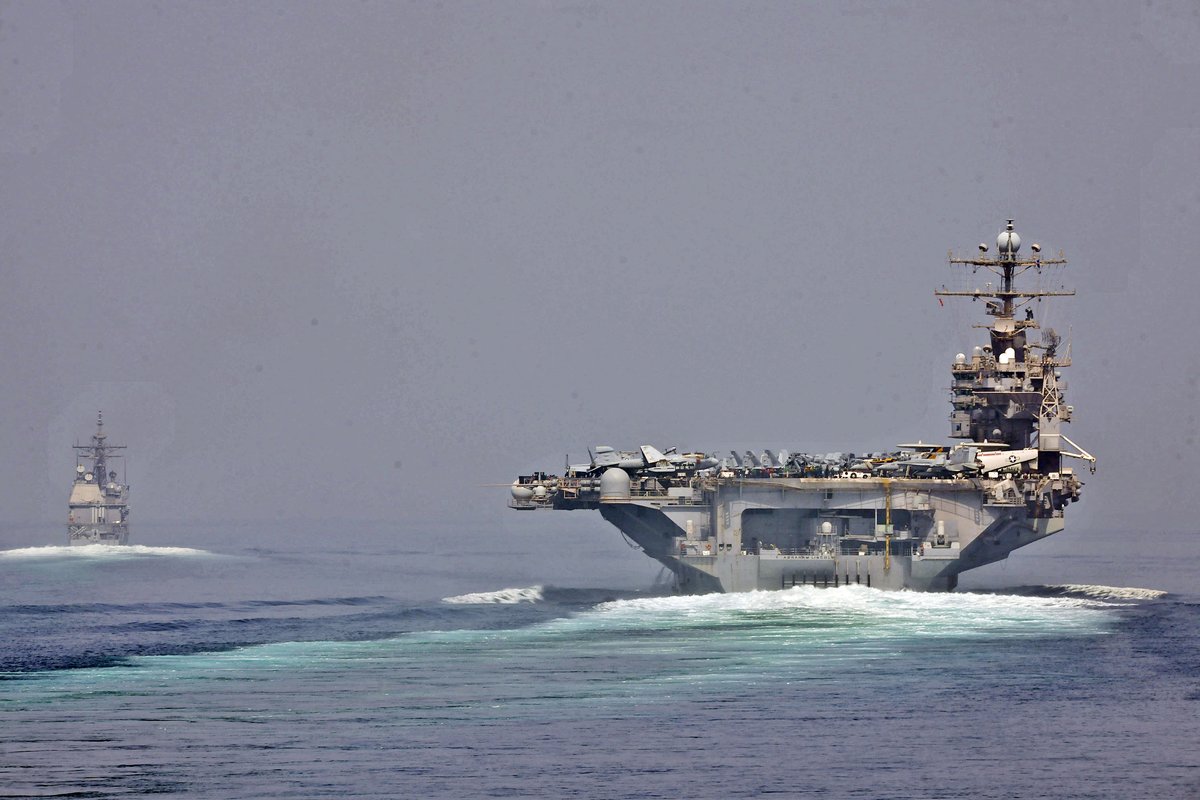
US Disables Ship in Iran Blockade Run
US aircraft fired on the Palau-flagged Pacific Archer in the Gulf of Oman, disabling its propulsion after it tried to run the US blockade of Iranian ports.
Drafted with the help of AI tools and reviewed by our editor. Read our editorial policy.

TL;DR — the direct answer: Iran used SpaceX's Starlink satellite internet service to support military operations against US forces in the opening days of the war with the United States and Israel, the Washington Post reported on Saturday, 28 November 2026, citing four people familiar with the operations. A classified war update delivered to Defence Secretary Pete Hegseth over the summer described Iran using Starlink for command and control and to oversee one-way attack drone operations, after American strikes degraded its traditional communications. SpaceX chief executive Elon Musk was furious when he learned of the unauthorised use in the first week of March, and at least two executives were fired within days, the Post reported. Musk was also angered to learn the US military had flown one-way drones on Starshield, the militarised version of Starlink, on a cheaper plan meant for ground operations. The Pentagon said it was not aware of the existence of the report. The Post did not establish whether Starlink was used in the 1 March drone strike that killed six American service members in Kuwait.
| Metric / Date | Key Detail | Source |
|---|---|---|
| 28 Nov 2026 | Washington Post reports Iran used Starlink for command and control and drone operations against US forces | Reuters |
| Early March 2026 | Iran's use of Starlink detected after the US and Israel began striking Iran | The Jerusalem Post |
| Classified update | Central Command report to Defence Secretary Pete Hegseth described Iran's use of Starlink; Pentagon says it is not aware of the report | Reuters |
| 1 Mar 2026 | Iranian drone strike killed six US service members at Port Shuaiba, Kuwait; Post did not establish Starlink was used in that attack | TechCrunch |
| SpaceX reaction | Musk enraged by two unauthorised uses; at least two executives fired by the end of that week | News18 |
Iran used SpaceX's Starlink satellite internet service in attacks on US forces after the United States and Israel launched strikes against Iran, the Washington Post said in a report on Saturday, citing sources. According to four people familiar with the operations, Iran used Starlink to support its military activities against US forces in the opening days of the war. A classified war update delivered to Defence Secretary Pete Hegseth over the summer briefly described Iran's use of the service for command and control and to oversee attack drone operations, a person familiar with the report told the newspaper. The use was detected in early March, after the United States and Israel began striking Iran and Tehran retaliated against US bases in the region. Starlink gave Tehran an alternative channel of communication as US forces concentrated on degrading Iran's traditional communication systems. The classified assessment was prepared by US Central Command, according to the person familiar with the document. Iran used Starlink against US forces in the first days of the war, since US and Israeli air strikes began targeting its military sites and the command networks its forces relied on. SpaceX chief executive Elon Musk became enraged upon learning of two unauthorised uses of Starlink that his team concluded were related to Iran's efforts against US forces, the report said, citing two people familiar with internal company discussions. Musk was also informed that the US military flew one-way drones on the militarised version of Starlink, called Starshield, but on a cheaper plan meant for ground operations, one of the people told the Post. The developments triggered internal action at SpaceX, with at least two executives fired over the misuse of the satellite communication services by the end of that week. The Post's account rests on four people familiar with the operations and two people familiar with internal company discussions, all speaking on condition of anonymity.
The story is trending because it turns a familiar technology into a weapon of war, and because it embarrasses both sides at once. Starlink is the satellite internet service that became famous as a battlefield lifeline in Ukraine, where it kept Ukrainian forces connected after Russian attacks on their communications. Now the same service, according to the Post, was keeping Iranian forces connected while they attacked American troops. That is the twist that makes the story travel: the network built by an American company, run by the world's richest man, was used by one of America's adversaries to shoot at Americans. The second twist is just as awkward. Musk was also furious to learn that the US military itself had been misusing the service, flying one-way drones on Starshield under a cheaper subscription plan meant only for ground-based activities. So the report describes two unauthorised uses in the same week, one by Iran and one by the Pentagon, and Musk was enraged by both. The report also raises a question that will follow SpaceX for months: how did Iranian forces get hold of the terminals, and what has the company done to shut them down? The story also lands in the middle of a war that has settled into a quiet stalemate. The conflict began at the end of February, when the United States and Israel struck Iran and Tehran hit back at American bases in the region, including the drone strike on 1 March that killed six US service members at Port Shuaiba in Kuwait. The Post's report is a reminder that the war's hidden front is the electromagnetic one, fought over who can talk to whom, and that a commercial satellite network now sits in the middle of it.
Starlink is a constellation of thousands of small satellites in low Earth orbit, built and operated by SpaceX to provide internet access anywhere on the planet, including places where ground networks have been destroyed or never existed. A user needs only a small dish terminal to get online, which is what makes the service so useful in a war: it works wherever the terminal can see the sky, and it is hard to jam or cut off. That is why it became a lifeline in Ukraine, and why the Pentagon has bought into it. Starshield is the militarised version of the service, built for government and military users, with its own satellites and security features. The catch, which the Post's report exposes, is that the same features that make Starlink useful to friendly forces make it useful to anyone who can get hold of a terminal. Neither the Iranian government nor the Islamic Revolutionary Guard Corps, which runs much of Iran's military operations, has commented on the report. Analysts told the Post that SpaceX technically has the ability to deactivate terminals detected inside Iran, which raises the question of why the Iranian terminals stayed live. The answer may be that the terminals were hard to spot, or that they were operating outside Iran, or that SpaceX did not know they were there until its own team worked it out in March. The Post's sources do not say. What they do say is that the discovery set off a scramble inside SpaceX, with Musk demanding answers and executives losing their jobs within days.
Confirmed: Iran used SpaceX's Starlink satellite internet services in attacks on US forces after the United States and Israel launched strikes against Iran, according to the Washington Post, citing four people familiar with the operations; a classified war update delivered to Defence Secretary Pete Hegseth over the summer briefly described Iran's use of the service for command and control and to oversee one-way attack drone operations, according to a person familiar with the report; the use was detected in early March; SpaceX chief executive Elon Musk became enraged upon learning of two unauthorised uses of Starlink that his team concluded were related to Iran's efforts against US forces, according to two people familiar with internal company discussions; Musk was also informed that the US military flew one-way drones on Starshield, the militarised version of Starlink, on a cheaper plan meant for ground operations; at least two SpaceX executives were fired by the end of that week; and an Iranian drone strike killed six US service members at a military facility at Port Shuaiba, Kuwait, on 1 March. Two things need flagging. First, the Post did not establish whether Starlink was used in the 1 March strike that killed the six Americans, and the Pentagon has not made the findings of its investigation public, so the two facts must not be linked. Second, the Pentagon disputes the report itself: spokeswoman Kingsley Wilson told the Post, we are not aware of the existence of a Central Command report to the defence secretary's office pertaining to this subject, and the Defence Department said the same to Reuters. What remains unconfirmed is how Iran got hold of the terminals, where they were operated from, how long they stayed live, and whether SpaceX has since shut them down. It is also unconfirmed what the US military's Starshield misuse amounted to in practice, and whether the cheaper ground-operations plan is still in use for drone flights.
The next step is likely to be questions, in public and in private. For SpaceX, the commercial risk is as real as the security one: Starlink's reputation as a tool for free communication, built in Ukraine, now carries the opposite association, and the company will want to show it has closed the gap. The Pentagon will face questions about a report it says it is not aware of, and about its own use of Starshield on a plan meant for ground operations. SpaceX will face questions about how Iranian forces got hold of Starlink terminals, how long they were used, and what the company has done to stop it happening again. Analysts have already pointed out that SpaceX technically has the ability to deactivate terminals detected inside Iran, so the obvious question is whether it has done so, and if not, why not. The episode also raises a wider issue for the Pentagon: the US military now depends on commercial satellite networks that it does not control, and those networks can be used by anyone who can buy or smuggle a terminal. The war itself remains in a quiet stalemate, with the United States maintaining a naval blockade of Iranian ports and both sides trading threats, but the Starlink report shows that the contest over communications never stopped. If the Post's account is right, Iran found a way around American efforts to blind its command networks, and the next round of the war, whenever it comes, will be fought over the same airwaves.
Q: What did the Washington Post report about Iran and Starlink?
A: The Post reported on Saturday, 28 November 2026, that Iran used SpaceX's Starlink satellite internet service to support military operations against US forces in the opening days of the war, citing four people familiar with the operations. A classified war update delivered to Defence Secretary Pete Hegseth over the summer described Iran using Starlink for command and control and to oversee one-way attack drone operations, after US strikes degraded its traditional communications.
Q: How did Iran use Starlink against US forces?
A: According to the Post, Iran used Starlink as an alternative mode of communication after the United States targeted its more traditional communication systems, and to oversee one-way attack drone operations. The use was detected in early March, after the United States and Israel began striking Iran and Tehran retaliated against US bases in the region. The Post did not say which Iranian units operated the terminals or where they were located.
Q: Did Starlink play a role in the attack that killed six US troops?
A: That has not been established. An Iranian drone strike killed six US service members at a military facility at Port Shuaiba, Kuwait, on 1 March 2026, but the Washington Post did not establish whether Starlink was used in that attack, and the Pentagon has not made the findings of its investigation public. The two facts should not be linked until there is evidence.
Q: What is Starshield and how did the US military use it?
A: Starshield is the militarised version of Starlink, built by SpaceX for government and military users. The Post reported that Musk was informed the US military had flown one-way drones on Starshield, but on a cheaper plan meant for ground operations, rather than the plan intended for drone flights. Musk was angered by that misuse as well as by Iran's unauthorised use of the civilian service.
Q: Can SpaceX stop unauthorised use of Starlink?
A: Analysts told the Washington Post that SpaceX technically has the ability to deactivate terminals detected inside Iran. Whether it has done so for the terminals Iran used is not known. The discovery of the misuse in March triggered internal action at SpaceX, with at least two executives fired by the end of that week, according to a person familiar with the company's internal discussions.
Sources: Reuters - Iran used Starlink in attacks on US forces, Washington Post reports, TechCrunch - Iran reportedly used Starlink in military operations against U.S., The Jerusalem Post - Iran reportedly used Musk's Starlink to support attacks on US forces, News18 - Iran Allegedly Used Elon Musk's Starlink For Military Operations Against US Forces During War, and The Hindu - Iran used Starlink in attacks on U.S. forces: report.
US aircraft fired on the Palau-flagged Pacific Archer in the Gulf of Oman, disabling its propulsion after it tried to run the US blockade of Iranian ports.

Iran widened its attacks to Kuwait on Wednesday, firing drones at Ali Al Salem Air Base and again at Bahrain, a day after US jets struck Qeshm Island.

The US added Singapore-based Megaspeed and six affiliates to its trade blacklist, cutting off their access to Nvidia's advanced AI chips.
The day’s biggest stories in your inbox every morning — free, no spam, unsubscribe anytime.