LIVE
Huawei Found Guilty on 10 of 12 Counts  •  US Blacklists Megaspeed Over Nvidia Chip Diversion  •  California King Tides Smash Records Before Thanksgiving  • 
Tech

US Blacklists Megaspeed, the Firm at the Centre of the Nvidia Chip Scandal

By Toijam Bimoljit Singh • 25 November 2026 • 9 min read

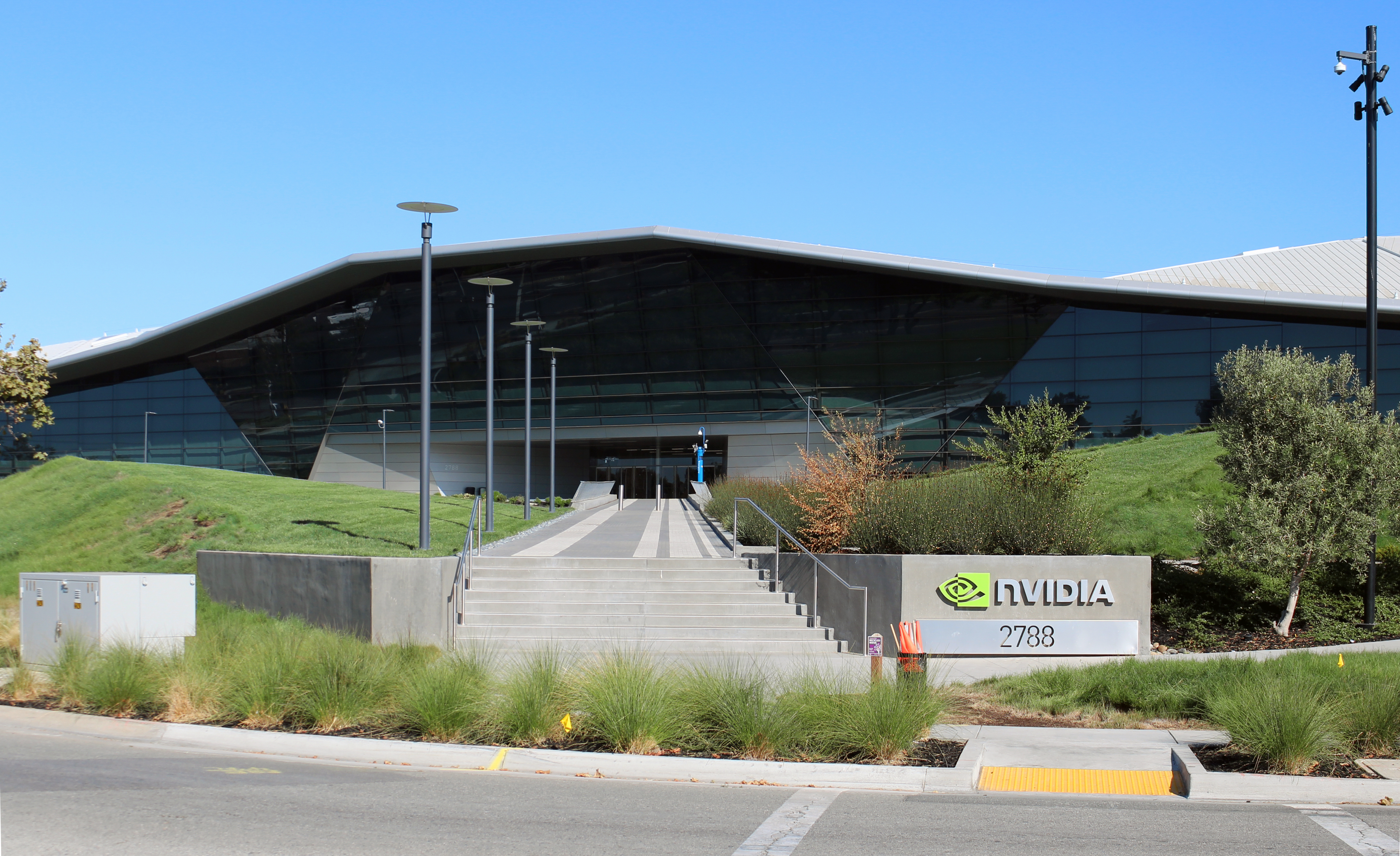
Nvidia's headquarters building in Santa Clara, California, a modern glass building with a landscaped plaza in front

Photo: Coolcaesar, CC BY-SA 4.0, via Wikimedia Commons — Nvidia headquarters, Santa Clara, California, 4 August 2018. The photo is from an earlier date, not the blacklisting.

TL;DR — the direct answer: The United States Commerce Department on Monday, 23 November 2026, added Singapore-based Megaspeed International and six related companies to its trade blacklist, cutting off their access to American artificial intelligence chips. The Bureau of Industry and Security said the seven entities were being listed because of the significant risk of them being involved in diverting advanced computing technology to unauthorised end users, which means American companies, including Nvidia, now need a federal licence to sell them advanced technology. Megaspeed is the cloud computing firm at the centre of the scandal that briefly cost Nvidia chief executive Jensen Huang his job: United States authorities are investigating whether it helped Chinese customers obtain Nvidia chips in breach of export controls. The listing came on the same day Huang was reinstated as Nvidia's chief executive after a White House push. Also listed was Apex Enterprise Solutions, the Singapore subsidiary of Chinese tech giant Alibaba, which denied ever diverting restricted chips.

What happened: In a filing to the Federal Register on Monday, the Commerce Department's Bureau of Industry and Security, known as BIS, added seven entities to the Entity List, the American trade blacklist. The seven are Megaspeed International of Singapore; Apex Enterprise Solutions of Singapore; Swiftdata of Singapore; MSFusion of Malaysia; PT Megaspeed International of Malaysia; Speedmatrix of Malaysia; and Megaspeed Thailand. The designations mean that anyone seeking to ship the entities advanced American technology, including Nvidia's top-end graphics processing units used for artificial intelligence, must obtain an export licence from the federal government, and such applications are likely to be denied. BIS said the additions were being made because of the significant risk of these entities being or becoming involved in the diversion of advanced computing commodities to unauthorised end uses or end users. A BIS spokesperson, Thomas Wackman, said it is now unlawful to export any advanced super-intelligence chips to Megaspeed, even if the chips are produced outside the United States. The filing differed from previous listings in one technical respect: it left out a footnote often included to make clear that foreign-produced items are covered by the ban when they contain American technology, but the spokesperson's statement closed that gap. The move came hours after Jensen Huang returned to Nvidia as chief executive, a comeback that sent technology stocks soaring.

Why it's trending: This is the moment the Nvidia scandal turned from a boardroom drama into government action. For weeks the story has been dominated by Jensen Huang's affair with Alice Huang, a former Megaspeed executive whom United States intelligence agencies suspect of working for Chinese intelligence, and by the extraordinary sequence in which Huang resigned, the board vowed never to bring him back, and the White House then forced his reinstatement. The blacklisting changes the shape of the story: it is the first formal step by the United States government against the company accused of moving Nvidia's chips toward China, and it lands on the very day Huang got his job back. It also exposes a tension inside the administration's own policy. Washington has licensed Nvidia to sell its H200 chips to China directly, while now blacklisting the middleman accused of moving chips there by unofficial routes, a contrast that drew pointed comment from analysts. The listing also pulls in Alibaba, one of China's biggest technology companies, through its Singapore subsidiary Apex, which paid Megaspeed and other companies around 4.2 billion dollars as a prepayment to rent computing capacity in Southeast Asia. That payment, reported by Reuters, shows how much money was flowing through the network of companies now on the blacklist, and why Washington decided it could no longer leave Megaspeed alone.

Background / context: Megaspeed was incorporated in Singapore in 2015 as 7Road International and changed its name to Megaspeed International in March 2023, according to its business filings. It became an official Nvidia cloud partner in the Asia Pacific region in November 2023, according to a letter from Nvidia posted on Megaspeed's website. The company has three subsidiaries in Malaysia and one each in Thailand, the United States, Australia and Indonesia, and its Malaysian subsidiary Speedmatrix pledged its entire business as collateral to Apex as part of the Alibaba deal, according to the Financial Times. That web of companies, spread across five countries, is part of why the case is so hard to police: chips bought in Singapore can be routed through data centres in Malaysia or Thailand, and the end user is often two or three corporate layers away from the buyer. Singapore's prime minister, Lawrence Wong, acknowledged the problem on 24 November, saying Singapore is also looking into companies that could be exploiting its position as a trading hub to reroute advanced artificial intelligence chips to other countries. United States officials have been scrutinising the company for years. In October 2025 the New York Times reported that American authorities were investigating whether Megaspeed had helped Chinese customers obtain Nvidia computer chips subject to Washington's export controls. China denied the allegation, and Megaspeed has not been found to have violated the rules. In June 2025 American authorities, working with Singaporean authorities, conducted an on-site check at Megaspeed in Singapore and interviewed Alice Huang, who was then its chief executive. Megaspeed says she formally left the company in August 2025. She had controlled Megaspeed before transferring her ownership to Swiftdata, a Singapore-registered entity, in late 2023; Swiftdata was also added to the blacklist on Monday. The blacklisting is the latest in a series of moves to tighten export controls in the wake of the Nvidia scandal. Last week the Commerce Department unveiled a rule requiring data centre operators in Singapore, Malaysia, Thailand, Indonesia and Brazil to obtain a United States government licence before exporting advanced AI chips from Nvidia and other American makers to customers in those countries.

What we know / what's unconfirmed: Confirmed: the Commerce Department added Megaspeed and six related companies to the Entity List on Monday, 23 November 2026; the seven entities are based in Singapore, Malaysia and Thailand; American firms now need a federal licence to sell them advanced technology, and such licences are likely to be denied; BIS cited the significant risk of diversion of advanced computing commodities to unauthorised end uses or end users; the Justice Department is investigating Megaspeed for suspected diversion of high-end chips to China; Alice Huang formally left Megaspeed in August 2025; Apex Enterprise Solutions paid around 4.2 billion dollars in prepayments to rent computing capacity in Southeast Asia, according to Reuters; and Singapore's prime minister, Lawrence Wong, said on 24 November that Singapore is working with the United States on chip export enforcement and continuing its own investigation into Megaspeed. Two details in the original brief need correcting. First, the brief described affiliates in Malaysia and Thailand only, but the listing covers seven entities, including two more in Singapore. Second, the listing was made on Monday 23 November, not 24 November. What remains unconfirmed is the central allegation itself: whether Megaspeed actually diverted Nvidia chips to China, and if so how many and through which routes. Reuters has reported that Megaspeed has not been found to have violated the rules, and the blacklisting rests on risk, not on a proven violation. Apex has denied ever diverting restricted chips, calling its listing erroneous, and Megaspeed did not immediately respond to requests for comment.

What happens next: In the short term, the listing freezes Megaspeed's access to American chips unless it can obtain licences that are likely to be refused, which puts its cloud computing business, built on Nvidia hardware, under immediate strain. Singapore's investigation continues, and Prime Minister Wong said Singapore is working with the United States to establish a mechanism to facilitate enforcement of American chip export controls, as well as looking into other companies that could be exploiting its position as a trading hub to reroute advanced AI chips. Singapore is also continuing discussions with the American authorities to establish the end users of the chips purchased by Megaspeed and to verify documents relating to the transactions, Wong said. The Justice Department's investigation into Megaspeed is also still open, and any findings there would carry far more serious consequences than a trade listing, including possible criminal charges. For Nvidia, the blacklisting draws a line under the affair at the same moment Huang returns: the company can now say the firm at the centre of the scandal is cut off from its chips, while Huang himself has been cleared by the Justice Department of any wrongdoing. The wider question is whether the listing is the end of the matter or the start of a broader crackdown on the Southeast Asian data centre trade, where American chips are in high demand and the routes they travel are hard to police. Last week's data centre rule suggests Washington is already moving in that direction.

Frequently asked questions

Q: What is the Entity List, and what does being added to it mean?
A: The Entity List is the United States government's trade blacklist, run by the Commerce Department's Bureau of Industry and Security. American companies need a federal export licence to sell listed entities advanced technology, including AI chips, and such applications are usually denied. The listing does not ban all trade, but it effectively cuts the listed firms off from sensitive American technology.

Q: Which companies were added to the blacklist?
A: Seven entities were added on Monday, 23 November 2026: Megaspeed International, Apex Enterprise Solutions and Swiftdata in Singapore; MSFusion, PT Megaspeed International and Speedmatrix in Malaysia; and Megaspeed Thailand. The Commerce Department said they were listed because of the significant risk of advanced computing technology being diverted to unauthorised end users.

Q: What is Megaspeed accused of?
A: United States authorities are investigating whether Megaspeed, a Singapore-based cloud computing firm, helped Chinese customers obtain advanced Nvidia AI chips in breach of American export controls. Megaspeed has not been found to have violated the rules, and the blacklisting rests on the risk of diversion rather than a proven violation. Megaspeed has previously insisted it is a legitimate and lawful business.

Q: How is this connected to Jensen Huang and Nvidia?
A: Megaspeed became an official Nvidia cloud partner in Asia Pacific in November 2023. Its former executive Alice Huang had an affair with Nvidia chief executive Jensen Huang, and United States intelligence agencies suspect her of working for Chinese intelligence. Huang resigned on 12 November over the revelations and was reinstated on 23 November, the same day Megaspeed was blacklisted, after President Trump and Vice President JD Vance lobbied Nvidia's board.

Q: What have Alibaba and Singapore said?
A: Apex Enterprise Solutions is the Singapore subsidiary of Alibaba, and Alibaba denied that it had ever diverted restricted semiconductors, calling the listing erroneous. Singapore's prime minister, Lawrence Wong, said on 24 November that Singapore is working with the United States to establish a mechanism for enforcing American chip export controls and is continuing its own investigation into Megaspeed and other companies that may be rerouting AI chips.

Sources: Reuters — What we know about Megaspeed, the Nvidia customer blacklisted by US, Al Jazeera — US adds Megaspeed to trade blacklist as Nvidia's Huang returns as CEO, Business Standard — US blacklists Megaspeed, firm at centre of Nvidia chip-smuggling probe, The Straits Times — S'pore working with US on chip export enforcement: PM Wong, and Engadget — Commerce Department Adds Megaspeed to Trade Blacklist.

← Back home