World
US Strikes Iran's Qeshm Island After Third Drone Attack on Bahrain Base
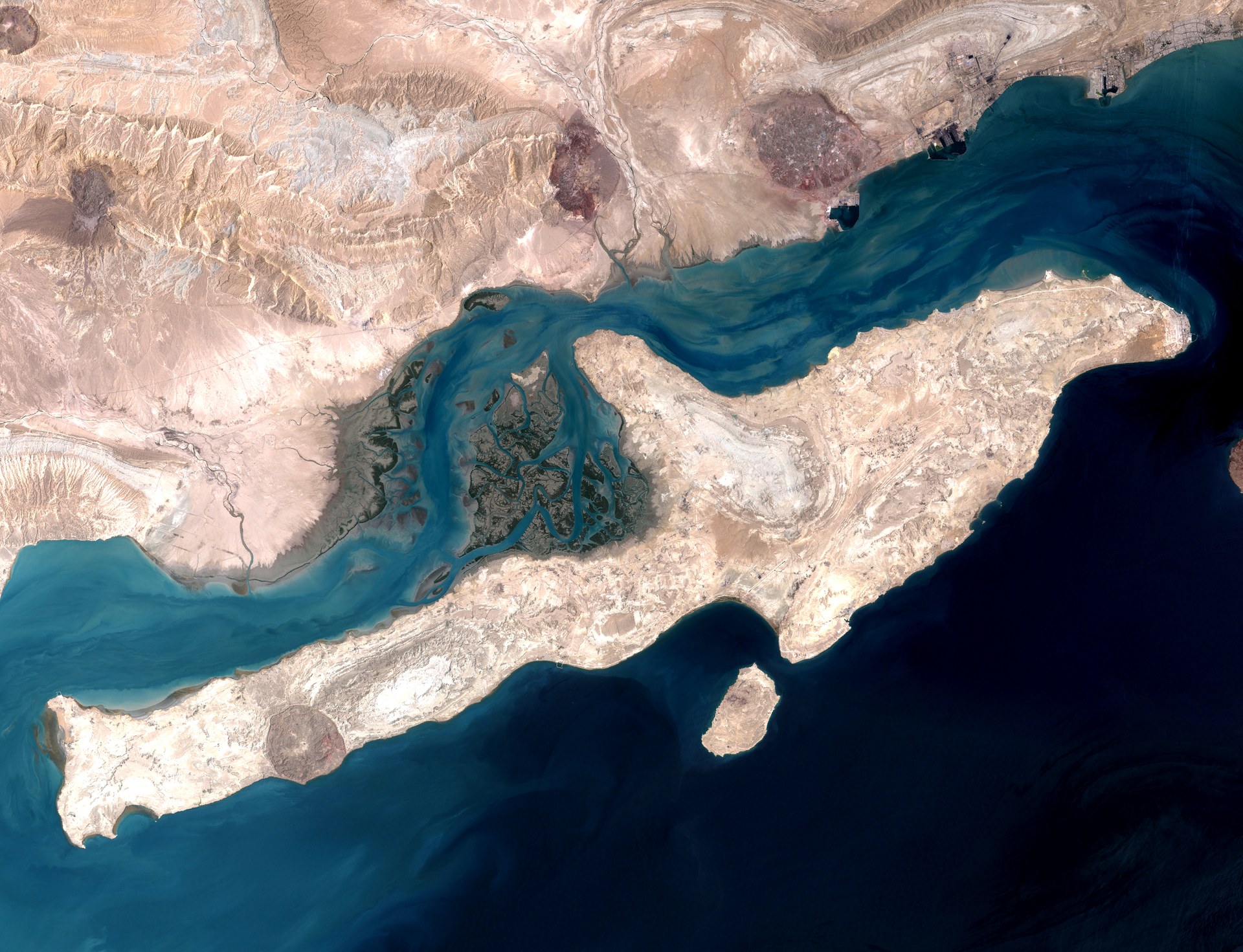
US jets struck an IRGC missile site on Qeshm Island after Tehran's third drone attack on US targets in Bahrain in five days, as a third US carrier arrives.
TL;DR — the direct answer: Iran widened its attacks on Wednesday, 18 November, firing drones at Ali Al Salem Air Base in Kuwait, which hosts US forces, and again at targets in Bahrain, a day after American jets struck a Revolutionary Guards missile site on Qeshm Island. Iran's military said its drones targeted Patriot air defence systems and drone and missile launch platforms at the Kuwait base, and Kuwait said its air defences were countering hostile drone attacks. Bahrain said it intercepted Iranian aerial attacks for the third time this week. Neither country immediately reported damage or casualties. It was the first Iranian attack on Kuwait since September, and it came as Gulf states also reported intercepting missiles and drones from Iran and its Houthi allies in Yemen.
What happened: Early on Wednesday, Iran's army said its combat and kamikaze drones had targeted Patriot air defence systems and drone and missile launch platforms belonging to the US military at Ali Al Salem Air Base in Kuwait, in a statement carried by state television IRIB. Kuwait's military said its air defences were countering hostile drone attacks and urged residents to follow safety instructions, and the army later said its air defences had intercepted the drones. In Bahrain, the armed forces said they had intercepted a number of Iranian attacks, the third time this week, after the Revolutionary Guards had targeted a US radar system at Sheikh Isa Air Base on Tuesday. Iranian Army Commander-in-Chief Amir Hatami issued a fresh warning to the United States. The exchanges follow Tuesday's sequence: the Guards launched drones at the radar system at Sheikh Isa, Bahrain and US Central Command said they were intercepted with no damage or injuries, and hours later US fighter jets used precision munitions to hit a Revolutionary Guards missile launch site on Qeshm Island, which a US military official described as a self-defence operation.
Why it's trending: The attack on Kuwait matters because it widens the war to a second Gulf state. Until Wednesday, Iran's recent attacks had all been aimed at Bahrain, which hosts the headquarters of the US Fifth Fleet. Hitting a US base in Kuwait as well, and doing it the morning after an American strike on Iranian soil, shows the tit-for-tat is spreading rather than settling. The timing adds to the alarm: Bahrain and Kuwait had issued warnings to civilians early on Wednesday to take shelter amid threats of incoming Iranian missiles and drones, and Reuters reported that Gulf countries also intercepted missiles and drones from Iran and its Houthi allies in Yemen. The exchanges come as three US aircraft carrier strike groups sit in the region, the USS Theodore Roosevelt having arrived on 15 November to join the USS George H.W. Bush and the USS George Washington, and as CNN reported US intelligence suggesting Iran may be considering a dirty-bomb or chemical attack on senior US officials in Washington, reported intelligence, not confirmed fact, which Tehran denies.
Background / context: The United States and Iran have been in a state of conflict since US and Israeli air strikes on Iran on 28 February 2026, followed by an American naval blockade of Iranian ports from 13 April. A ceasefire in April and a broader agreement in June both collapsed by early July, and while large-scale air strikes have largely subsided, there has been no comprehensive peace deal. The pattern of the last week has been a steady exchange: the Guards said they attacked a US early-warning radar installation in Bahrain on Friday, launched six drones at the Riffa helicopter base on Sunday, and hit the radar system at Sheikh Isa on Tuesday, with the United States answering each time. Washington had already carried out limited strikes on Qeshm earlier this month. Last week Trump said further strikes were quite unlikely and the military component of the war was effectively over, but the build-up has continued, and Trump is now in Asia, where he meets Xi Jinping and Vladimir Putin on Thursday, with Iran likely to be on that agenda.
What we know / what's unconfirmed: Confirmed: Wednesday's drone attacks on Ali Al Salem Air Base in Kuwait and on targets in Bahrain; that Kuwait's air defences responded and Bahrain intercepted the attacks; that neither country immediately reported damage or casualties; that this was the first Iranian attack on Kuwait since September; that Tuesday's US strike hit a Revolutionary Guards missile launch site on Qeshm Island with precision munitions; and that Iran said the Qeshm strikes caused no serious damage. One count differs between reports and is worth flagging. Gulf News described Wednesday's Bahrain attack as the fourth in six days, while Reuters called it the third time this week, which reflects different counting windows rather than a different event: the attacks fall on Friday, Sunday, Tuesday and Wednesday, so the total depends on where the week is counted from. Unconfirmed and to be treated with care: the Guards' claim that they intercepted and captured a US drone south of Qeshm, and earlier Iranian claims that three tankers were burning in the strait. Also unconfirmed: the CNN report, citing seven US officials, that US intelligence indicates Iran is developing plans to detonate a dirty bomb or a chemical weapon in Washington. The sources said the planning is, for now, about giving Tehran options rather than a sign of an imminent attack, the White House said there are no credible threats to the homeland, and Iran has denied the report, with Foreign Minister Abbas Araghchi comparing it to Iraq War-style propaganda.
What happens next: The immediate question is whether the exchanges stay at this level or escalate. The pattern of the last six days suggests each Iranian attack draws an American response, and three carrier strike groups give Washington far more options if it chooses to escalate. Diplomacy has stalled, and regional mediators have so far failed to secure a comprehensive peace deal. Trump meets Xi Jinping and Vladimir Putin in Shenzhen on Thursday, and Iran is likely to be on that agenda, alongside Ukraine and nuclear arms. The Gulf states, meanwhile, remain on high alert, and the next days will show whether the widening to Kuwait was a one-off retaliation for Qeshm, or the start of a broader campaign against US bases across the Gulf.
Q: What did Iran target in Kuwait?
A: Iran's army said its drones targeted Patriot air defence systems and drone and missile launch platforms belonging to the US military at Ali Al Salem Air Base in Kuwait. Kuwait said its air defences intercepted the drone attacks, and no damage or casualties were immediately reported.
Q: Why is the Kuwait attack significant?
A: It was the first Iranian attack on Kuwait since September, and it widens the recent exchanges beyond Bahrain, which hosts the headquarters of the US Fifth Fleet, to a second Gulf state that hosts US forces.
Q: How many times has Iran attacked Bahrain recently?
A: Bahrain said it intercepted Iranian aerial attacks on Wednesday for the third time this week, after attacks on Friday, Sunday and Tuesday. Gulf News described it as the fourth attack in six days, which reflects a different counting window for the same series of attacks.
Q: What happened on Qeshm Island on Tuesday?
A: US fighter jets used precision munitions to strike a Revolutionary Guards missile launch site on Qeshm Island, Iran's largest island in the Strait of Hormuz, hours after Iranian drones were launched at a US radar system at Bahrain's Sheikh Isa Air Base. A US military official described the strike as self-defence, and Iran said it caused no serious damage.
Q: What is the dirty-bomb report?
A: CNN reported, citing seven US officials, that US intelligence indicates Iran is developing plans to target senior US officials with a dirty bomb or chemical weapon in Washington. The sources said it is about giving Tehran options, not an imminent attack, and the White House said there are no credible threats to the homeland. Iran denies it.
Sources: Reuters via GMA News — Iran fires at Kuwait, widening strikes after US hit Iranian island, Channel News Asia — Gulf nations attacked after US strikes Iranian island, and Gulf News — Gulf Crisis Deepens: Iran Targets Bahrain, ADNOC Vessel Attacked, US Responds with Strikes.
US jets struck an IRGC missile site on Qeshm Island after Tehran's third drone attack on US targets in Bahrain in five days, as a third US carrier arrives.
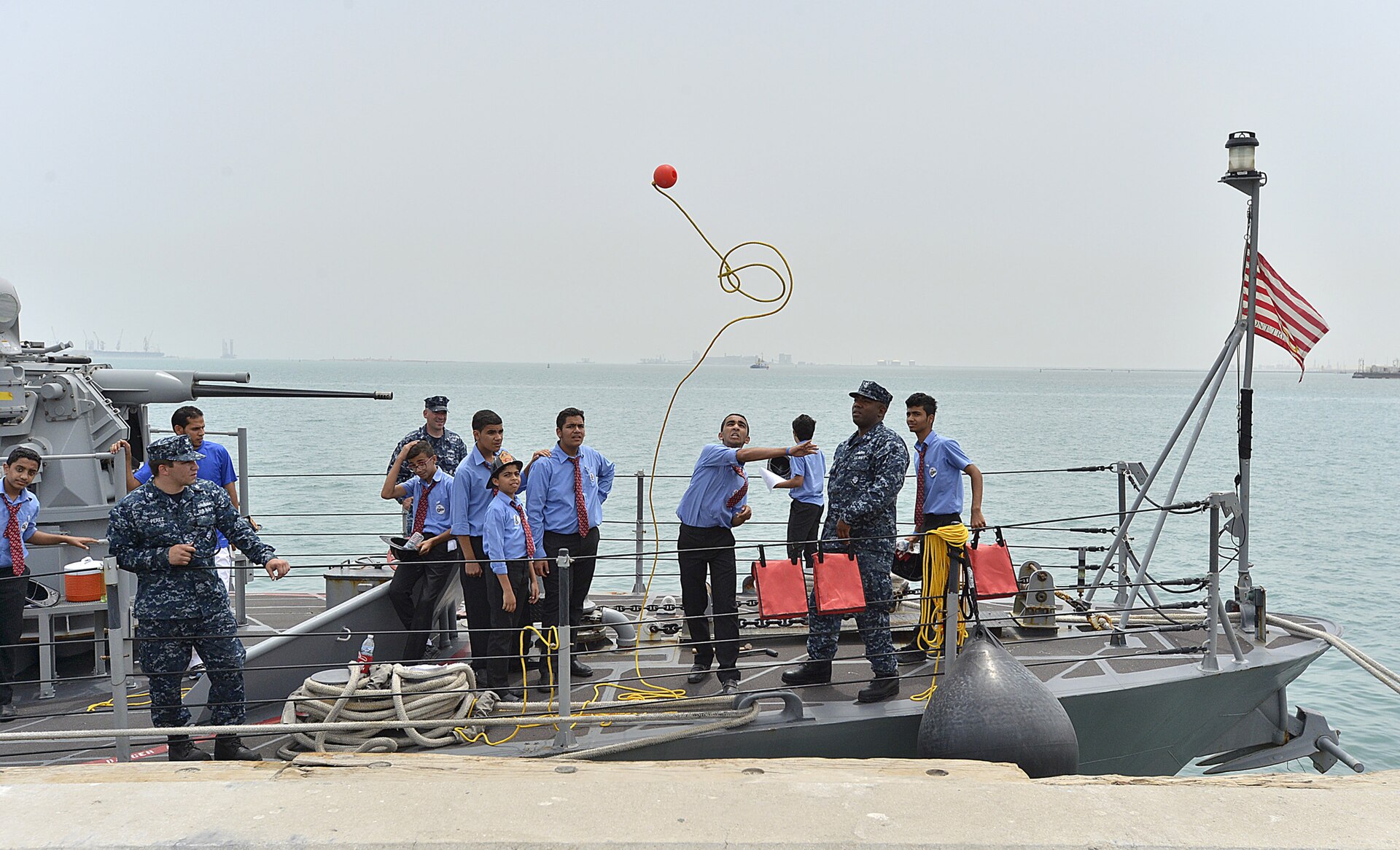
Iran says it launched six drones at a US radar at the Al-Riffa base in Bahrain, while Bahrain says its defences intercepted several attacks on Sunday.
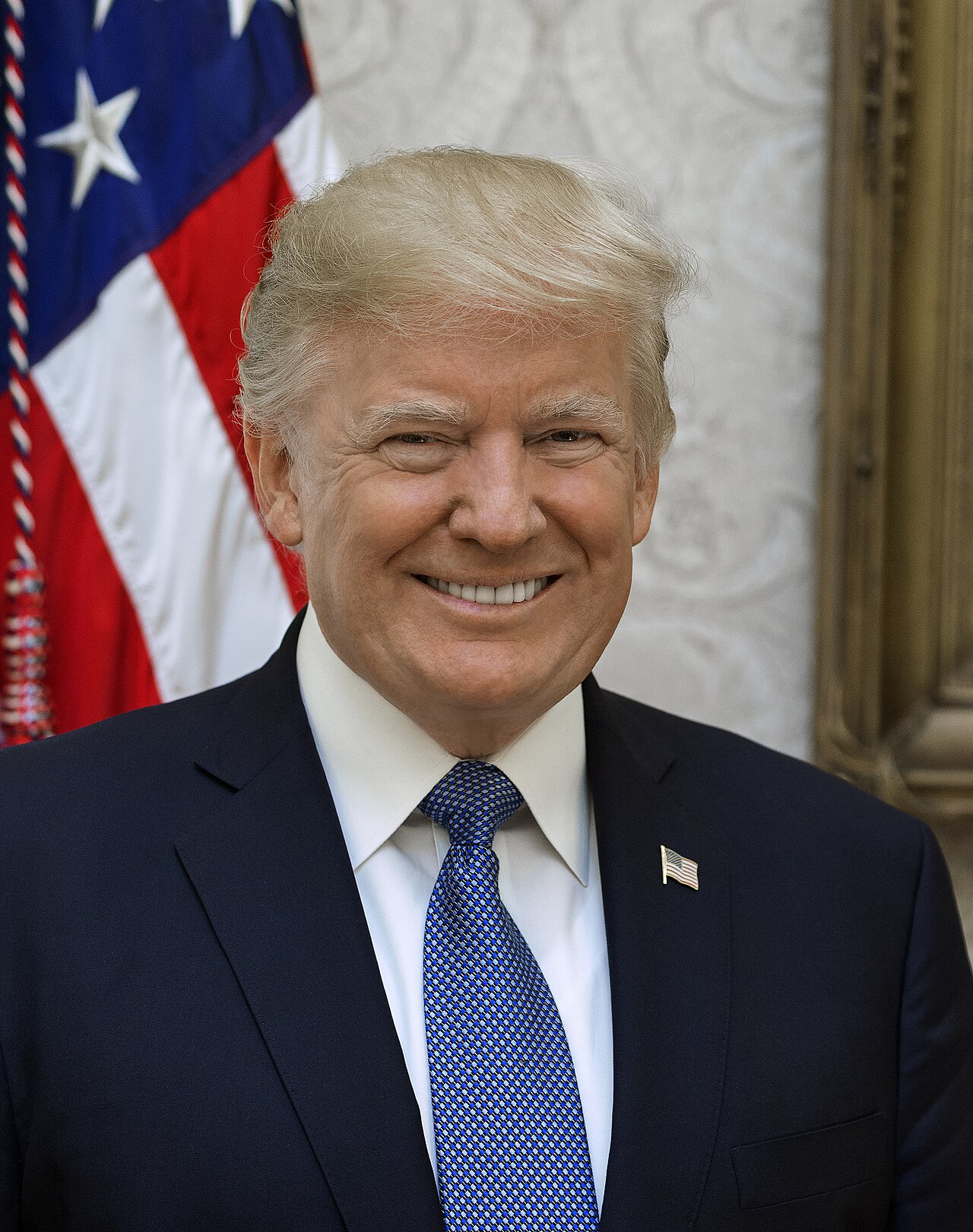
President Donald Trump said on 9 November that US military action against Iran is not necessary and the war is effectively over, as the House prepares…