World
US Midterms 2026: Final Days, Tight Races, and a Last-Minute Rally Rush
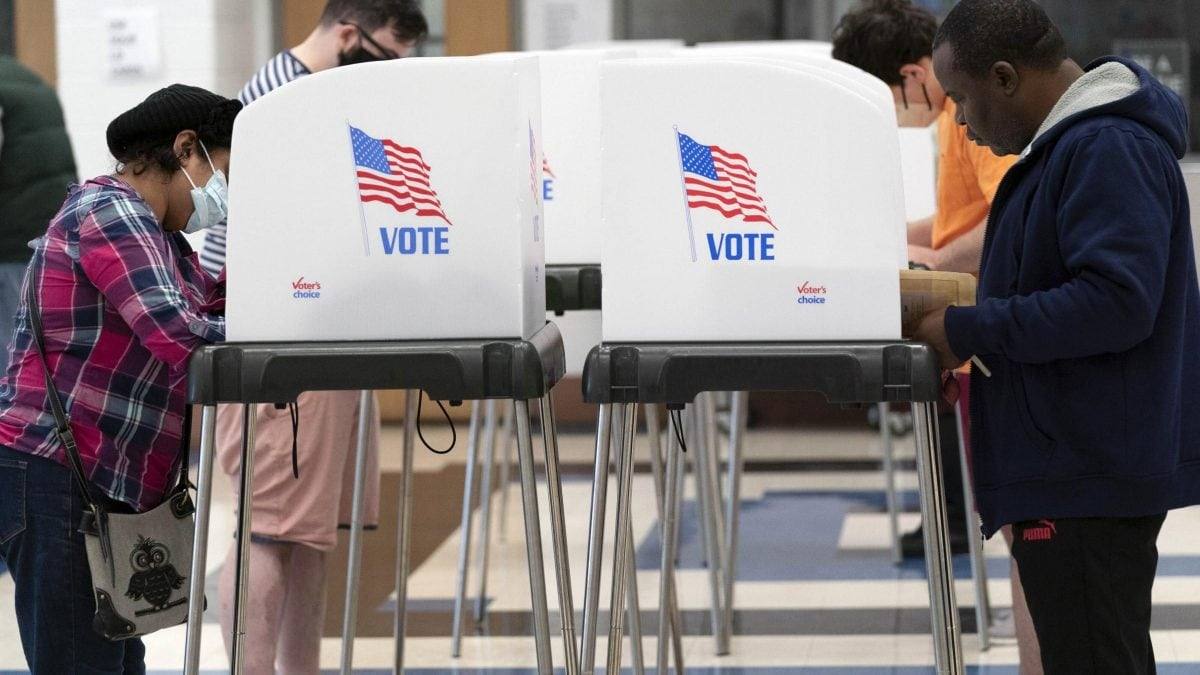
with the US midterm elections on Tuesday, 3 November, both parties are in their final campaign push. President Donald Trump, after a long rally blitz…
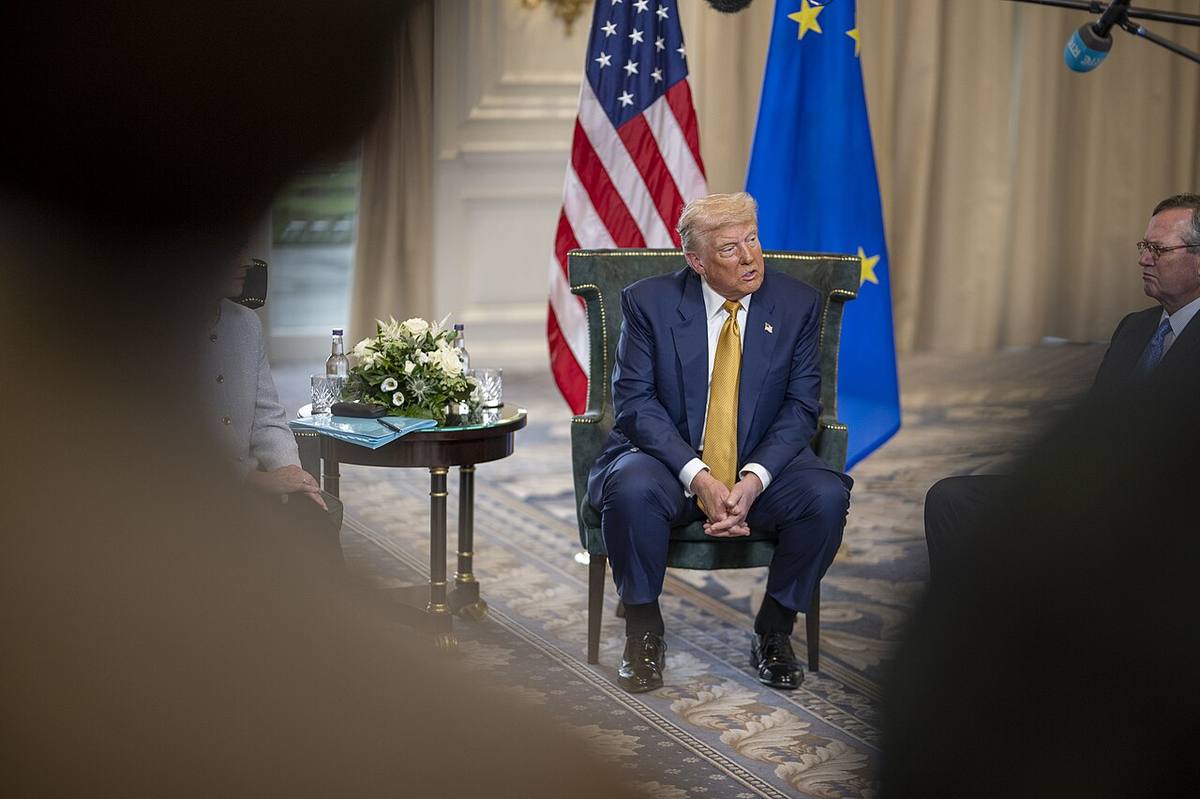
TL;DR — the direct answer: Six days after saying he was 'absolutely willing' to accept the Democrats' midterm sweep, President Donald Trump has reversed course, claiming on Truth Social that the election was not honest — without offering evidence.
What happened: In a post on Truth Social on Monday, 9 November, at 10:07am Eastern, Trump wrote: 'Does anybody really believe that this 'Election' was honest. How could the Polls be so wrong??? Some early voting 'dumps' were so large that it was impossible to win, no matter how many people went to vote. It's all about the machines, which are far more important than the voter!' The post named no state, county, precinct or voting-machine vendor. Asked later whether he believes the election was rigged, he told reporters at a briefing: 'I think the numbers were terrible in terms of those early votes.'
Why it's trending: The post is a sharp reversal. On the night of the 3 November midterm election, Trump told The New York Times he was 'absolutely willing' to accept the results, and told Fox News the same night he would accept them. In interviews since, he acknowledged the sweeping defeat for his party, which political observers widely read as a repudiation of his second term — particularly over his handling of the economy and the war in Iran. In a '60 Minutes' interview that aired on Sunday, 8 November, he said of his deportation policy: 'I think it was too tough,' adding that 'ultimately, that hurt me.' The new claims revive a pattern from his earlier career: denying election results when he or other Republicans lose, and alleging voter fraud without evidence.
Background / context: The scale of the Democratic win is not in dispute. Democrats took control of both the House and the Senate in the 3 November vote, flipping double-digit Republican House districts and winning Senate races in historically Republican states such as Texas, Kansas and South Carolina. The BBC results tracker on Monday, 9 November, showed Democrats with 254 House seats and 54 Senate seats, with 19 House races still uncalled. In Alaska, Democrat Mary Peltola leads Republican Senator Dan Sullivan by less than one percentage point — a difference of 637 votes — in a race where a second candidate also named Sullivan received 3,600 votes, which Trump called a fraudulent attempt to peel votes from the incumbent. Alaska uses a ranked-choice voting system. Trump also noted on election night that he 'wasn't on the Ballot', saying Republicans 'would have won IN A LANDSLIDE' if he had been.
What we know / what's unconfirmed: Confirmed: the text and timing of the Truth Social post, Trump's earlier acceptance of the results, and the seat counts, which show a clear Democratic victory. Election officials across the country have not raised major concerns about early-voting discrepancies or voting machines in the 2026 races, and the Associated Press reported that, although some routine equipment problems occurred, the election proceeded largely without major disruption. Unconfirmed: everything in the fraud claim itself. Trump offered no evidence for the 'dumps' or machine claims, and no public evidence has established that voting machines or early voting procedures manipulated the results. On the polls, Pew Research Center found on 6 November that surveys got the direction right and missed the Democratic margin by about 4 points on average — a miss, but not the collapse Trump described.
What happens next: The new Congress convenes in January 2027 with Democratic majorities in both chambers. A handful of races remain uncalled, including Alaska and Mississippi in the Senate, and the counts will continue under state rules. Whether Trump's claims gain traction inside the Republican Party — or remain a personal grievance — will shape how the party approaches the next two years.
Q: What did Trump claim about the midterms?
A: In a Truth Social post on 9 November, he asked whether anybody believes the election was honest, claimed polls were badly wrong, and said some early voting 'dumps' and voting machines made it 'impossible to win'. He named no state or county.
Q: What did Trump say on election night?
A: On 3 November he told The New York Times he was 'absolutely willing' to accept the results, and told Fox News the same night he would accept them.
Q: Who won the midterms?
A: Democrats won control of both the House and the Senate. The BBC tracker on 9 November showed Democrats with 254 House seats and 54 Senate seats, with some races still uncalled.
Q: Is there evidence of fraud?
A: No. Election officials have not reported widespread problems with voting systems, and no public evidence has established that machines or early voting manipulated the results.
Q: Were the polls really that wrong?
A: Pew Research Center found on 6 November that polls got the direction right and missed the Democratic margin by about 4 points on average — a miss, but not the scale Trump described.
Sources: USA Today — Trump questions midterm election results after previously accepting outcome, Gnosis News — Trump questions midterm results, says polls were wrong, and The Scope — Donald Trump questions election midterm results.
with the US midterm elections on Tuesday, 3 November, both parties are in their final campaign push. President Donald Trump, after a long rally blitz…
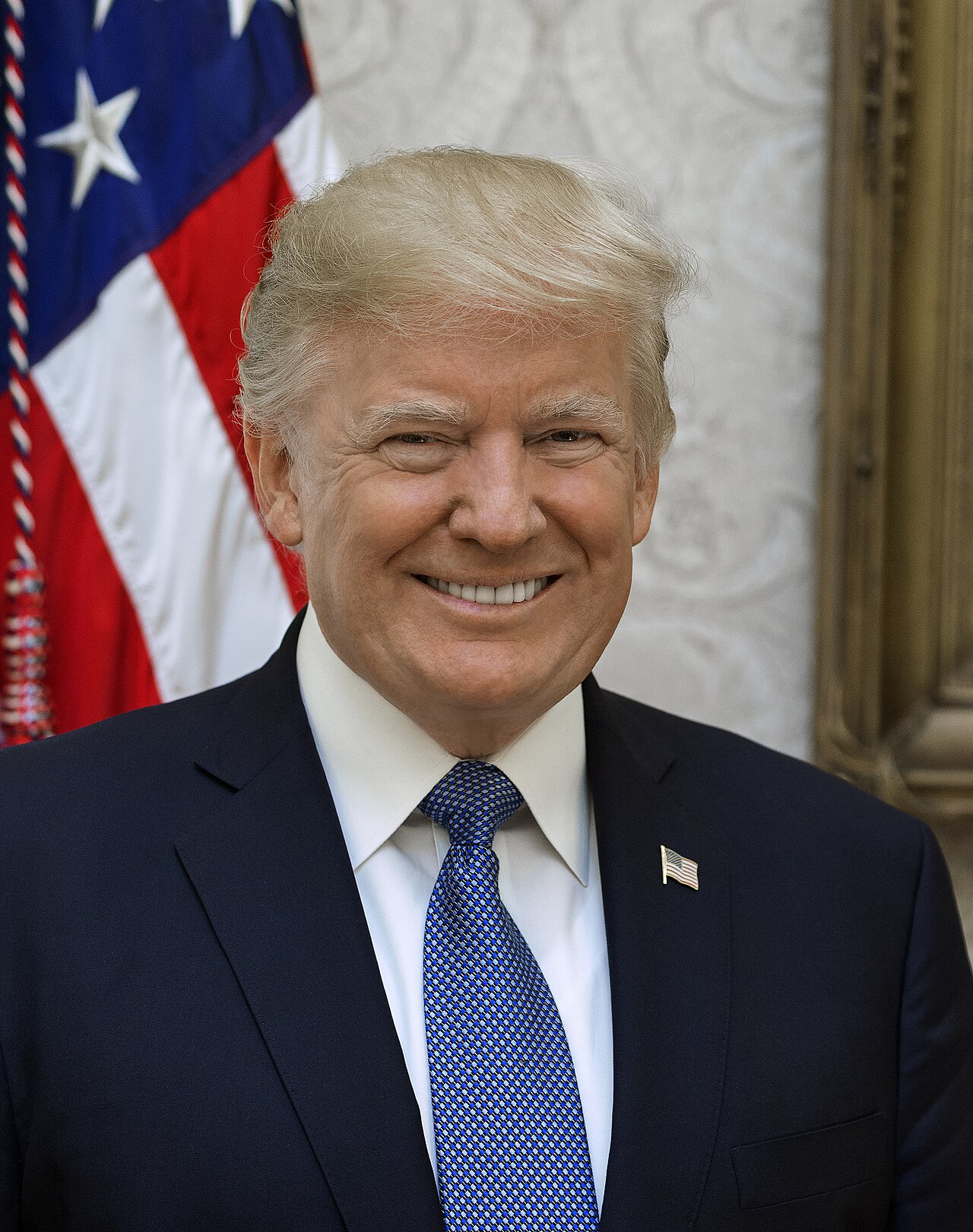
President Donald Trump said on 9 November that US military action against Iran is not necessary and the war is effectively over, as the House prepares…
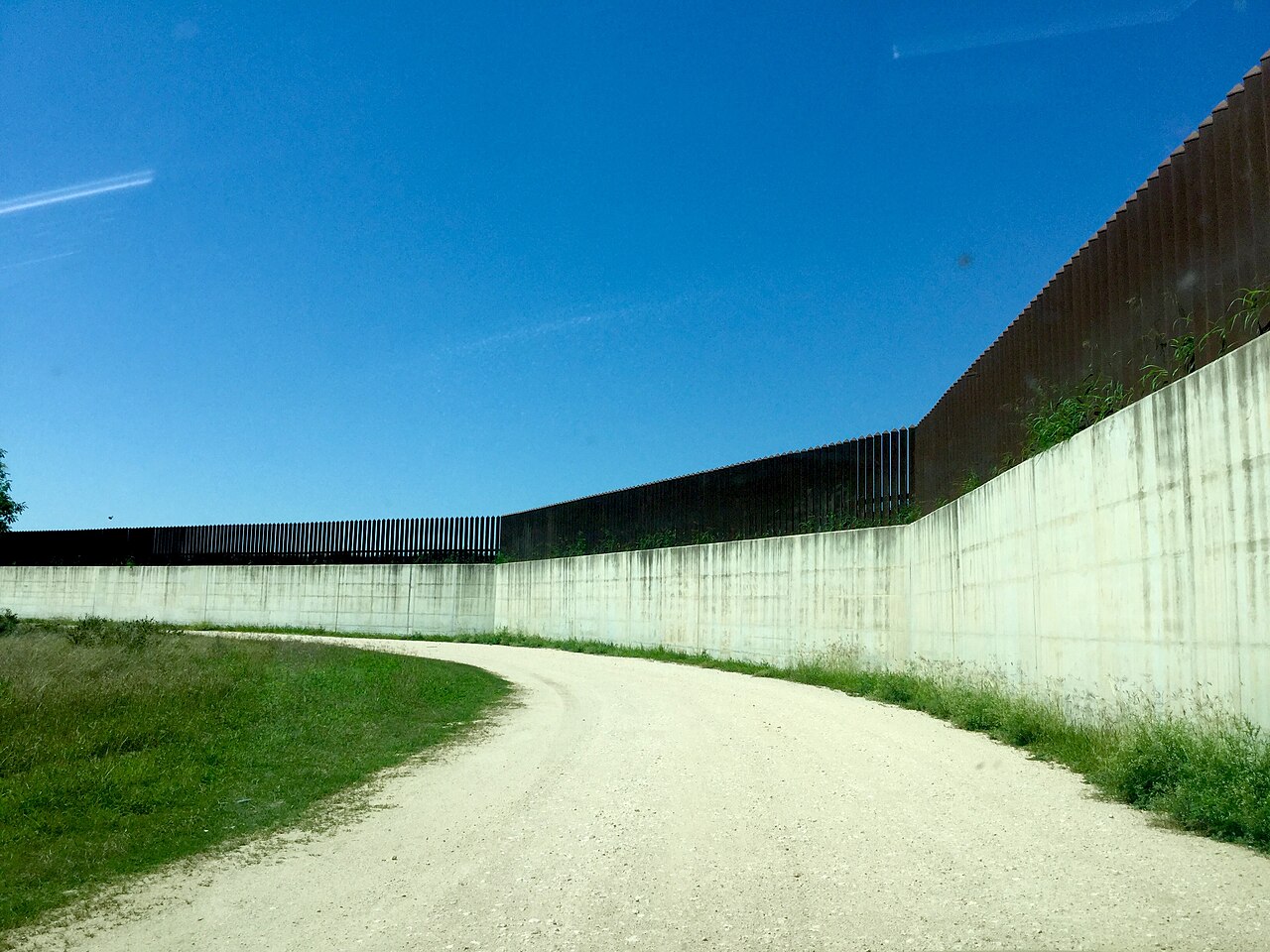
The US Supreme Court on 9 November lifted the order halting border barrier construction in Texas's Big Bend region, allowing work to resume — including…