World
Israel Stuck in Election Deadlock as Bennett Backs Eisenkot — and No Bloc Reaches 61 Seats
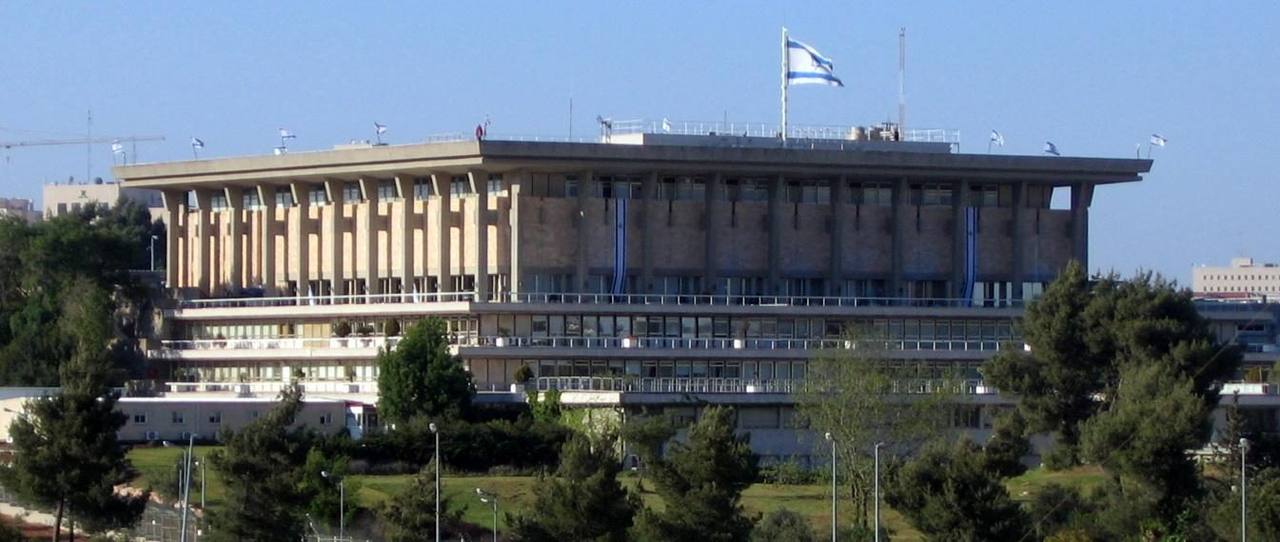
Israel's 27 October election left no bloc with a Knesset majority: Netanyahu's bloc won 53 seats, the opposition 48, and Arab-led parties a record 19.
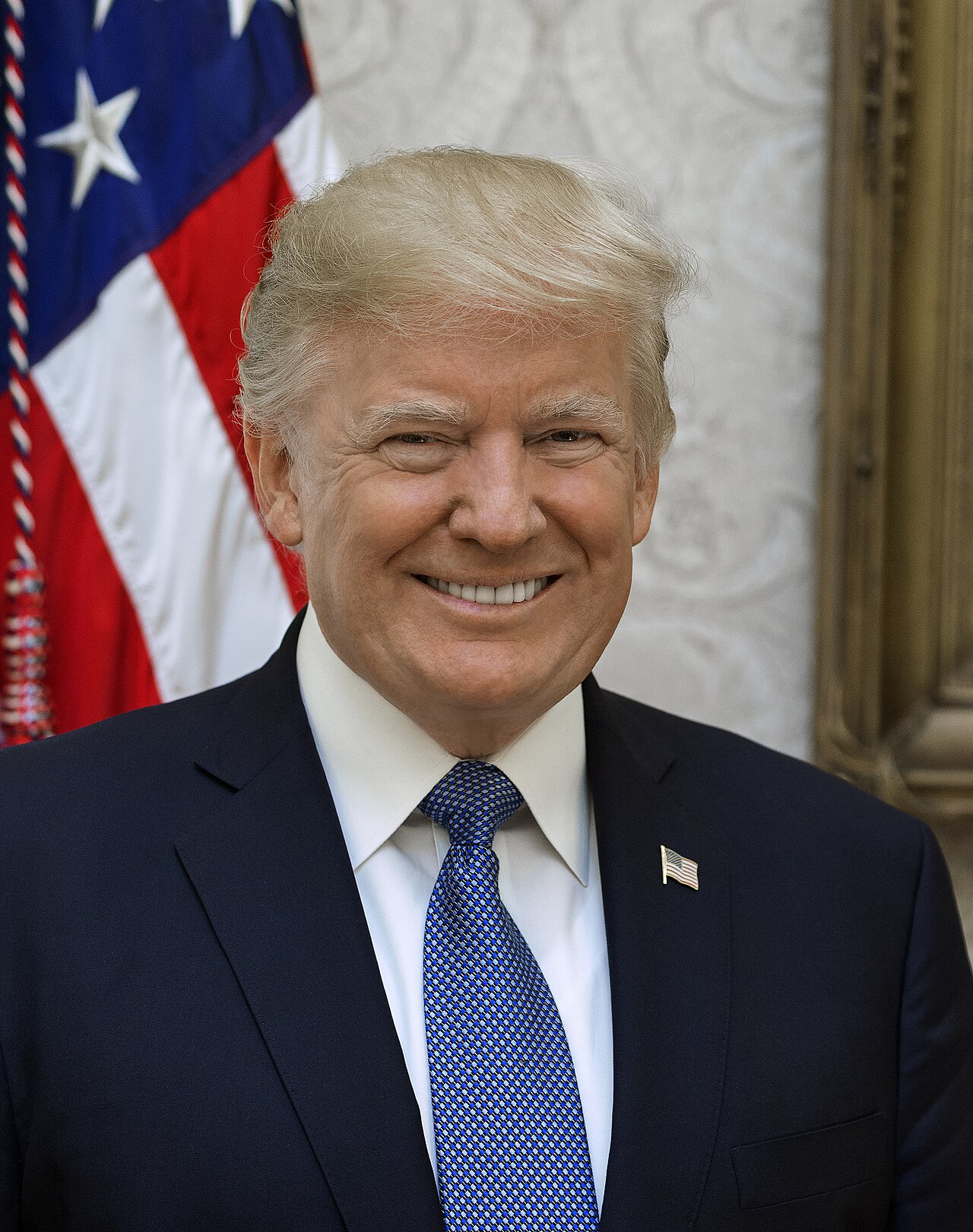
TL;DR — the direct answer: President Donald Trump said on Monday 9 November that further US military action against Iran is not necessary, declaring the war 'militarily is effectively over' and opting to hold the status quo. The shift comes as his defence secretary, Pete Hegseth, faces an impeachment vote in the House this week over the same war.
What happened: Trump made the remarks at a surprise news conference on 9 November, telling reporters it 'won't be necessary' to escalate a conflict that has lasted more than eight months. He said the US military would continue escorting ships through the Strait of Hormuz, and the administration said recent strikes on Qeshm Island were aimed at preventing Iranian surface-to-air missiles from hitting US assets. The war has cost the US military more than $47 billion as of 16 October, according to the latest Pentagon estimate, with roughly 50,000 troops deployed in US Central Command's area of responsibility. At least 23 US service members have died in the Middle East and another 865 have been wounded since the fighting began, according to the US military's official casualty database. Separately, Representative Thomas Massie, a Kentucky Republican, introduced articles of impeachment against Hegseth on Monday, starting a two-day clock towards an expected House vote on charges including waging war against Iran without congressional approval. Hegseth, who calls himself the Secretary of War, is due to hold a news conference on 10 November to defend himself.
Why it's trending: The story is trending because it is a sharp turn. In the run-up to the midterm elections, Trump had said he faced a 'big decision' between military strikes and a peace agreement, and voters' resentment over the war — and the rise in petrol prices it caused — was blamed by Trump and Vice President JD Vance for the Republicans' crushing midterm defeat. Now Trump is choosing a third track: neither escalation nor a deal, but holding the current position. The politics around him are moving too: his war partner, Israeli Prime Minister Benjamin Netanyahu, is at risk of losing power amid negotiations over forming a new government, and the Republicans are about to surrender their majority in Congress. The Hegseth impeachment effort, led by anti-war Republican Massie, is expected to draw widespread Democratic backing and could attract Republicans frustrated with the war.
Background / context: The conflict has been stuck between war and peace for months, with intermittent strikes and off-and-on mediations. Iran said on Monday that its proposal to restart peace talks within as few as two days is the most reasonable offer available, and Foreign Minister Abbas Araghchi has demanded an end to the war on all fronts, offering to open the Strait of Hormuz if the US lifts some sanctions, ends the blockade and stops bombing. Trump met Qatar's prime minister privately on 9 November as part of the Washington-Tehran negotiations, though the meeting was not expected to yield a deal. Trump has also said he will likely meet Chinese President Xi Jinping and Russian President Vladimir Putin in a rare trilateral meeting on the sidelines of the APEC gathering in Shenzhen next week.
What we know / what's unconfirmed: Confirmed: Trump's remarks, the cost and casualty figures from the Pentagon and the US military, the impeachment articles and the expected vote timetable, and Hegseth's planned news conference. What is not settled is whether the status quo holds: Iran has threatened renewed military escalation if Washington refuses its demands, and Trump has not ruled out future strikes — he said escalation is not necessary 'at this point'. The impeachment vote is expected, not guaranteed: Massie's effort needs support beyond Democrats to pass, and the outcome is not known. The details of any peace proposal, and whether the Qatar meeting produced anything, have not been disclosed.
What happens next: Hegseth's news conference on 10 November is the immediate event, followed by the expected House impeachment vote this week. The APEC summit in Shenzhen next week is the next diplomatic marker, with the possible Trump-Xi-Putin meeting. On the ground, the question is whether the Strait of Hormuz stays open and whether the intermittent strikes stop for good.
Q: What did Trump say about the Iran war?
A: That US military action against Iran is not necessary 'at this point' and that the war 'militarily is effectively over'. He is keeping the status quo, with the US military continuing to escort ships through the Strait of Hormuz.
Q: Why is Pete Hegseth facing impeachment?
A: Representative Thomas Massie introduced articles of impeachment on 9 November, including a charge of waging war against Iran without congressional approval. A House vote is expected this week.
Q: How much has the Iran war cost the US?
A: More than $47 billion as of 16 October, according to the Pentagon. At least 23 US service members have died and 865 have been wounded.
Q: Is there a peace deal?
A: No. Iran has proposed restarting talks within two days, and Trump met Qatar's prime minister on 9 November, but no deal has been announced.
Q: What happens next?
A: Hegseth holds a news conference on 10 November, the House is expected to vote on impeachment this week, and Trump is due at the APEC summit in Shenzhen next week.
Sources: USA Today — Military strikes? A peace agreement? Trump opts for status quo in Iran and The Hindu — Morning Digest, 10 November 2026.
Israel's 27 October election left no bloc with a Knesset majority: Netanyahu's bloc won 53 seats, the opposition 48, and Arab-led parties a record 19.
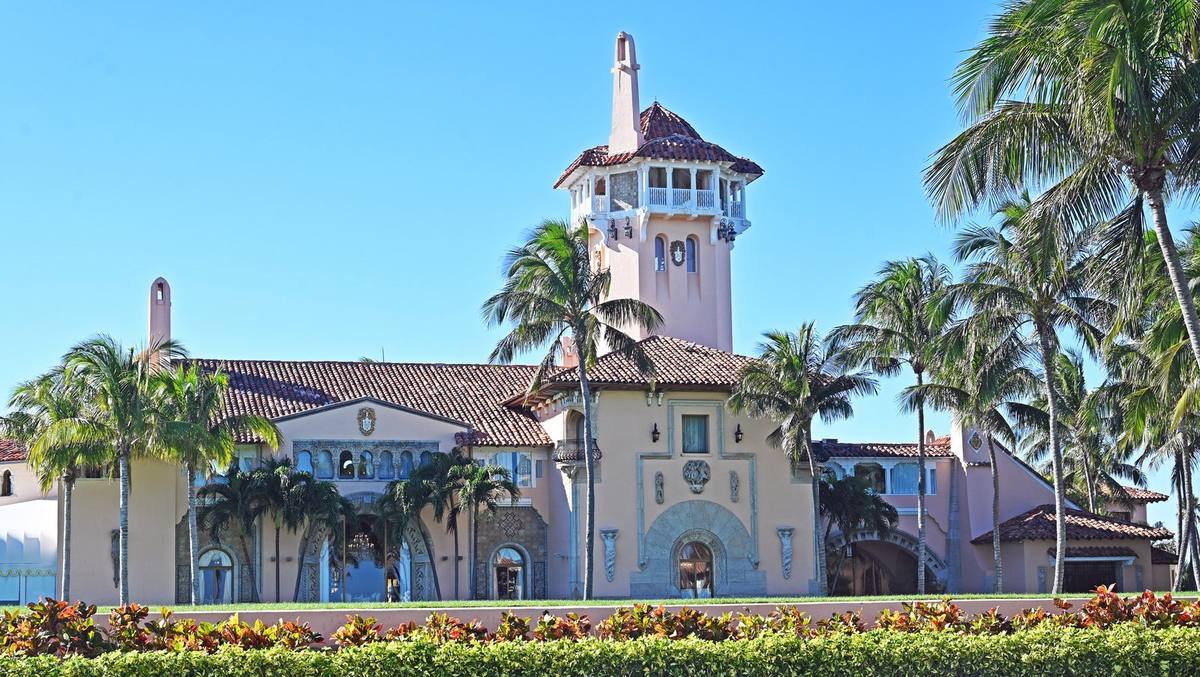
Two Avenger air defence systems have been positioned near Donald Trump's Mar-a-Lago estate in Florida, at the Secret Service's request, in what officials call a heightened threat e
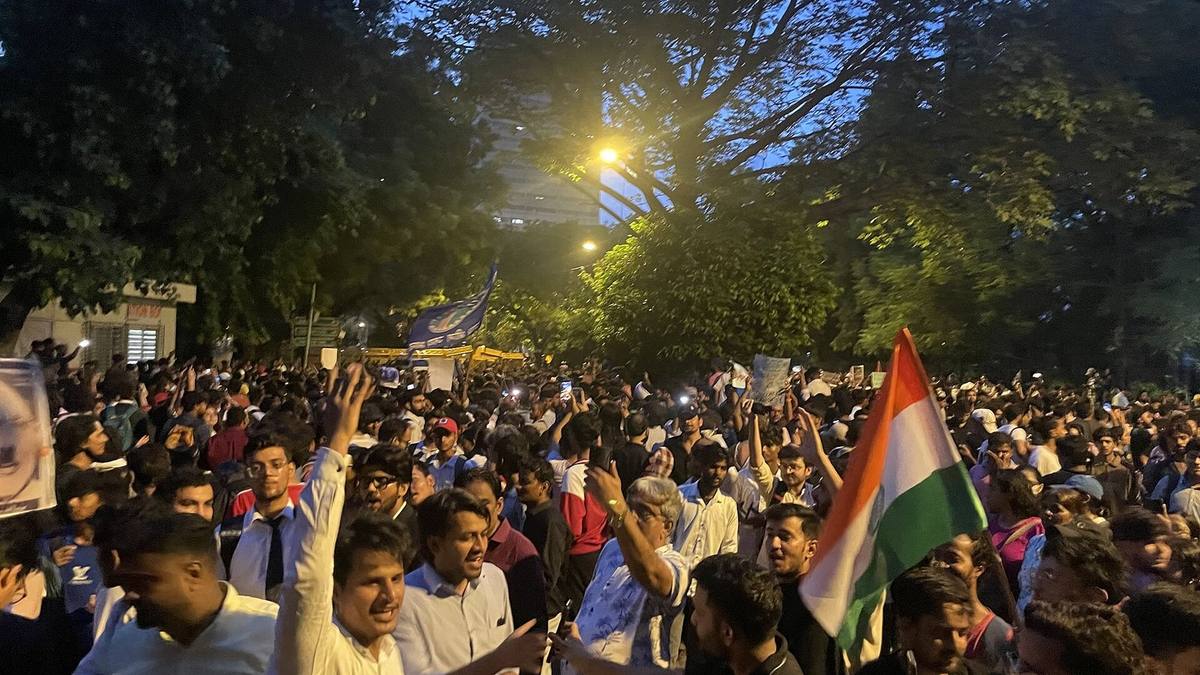
Thousands of opposition protesters marched in Delhi on Sunday demanding Chief Election Commissioner Gyanesh Kumar's resignation over voter-register revisions.