LIVE
GTA 6 Pre-Load Opens Today — Release Date Confirmed for 19 November  •  Nvidia Shares Fall as Board Investigates CEO Jensen Huang  •  Lando Norris Wins Rain-Hit São Paulo Grand Prix
World

Supreme Court Lets Trump's Border Wall Work Resume Across Big Bend — Including Inside a National Park

Trending Now • 10 November 2026 • 5 min read

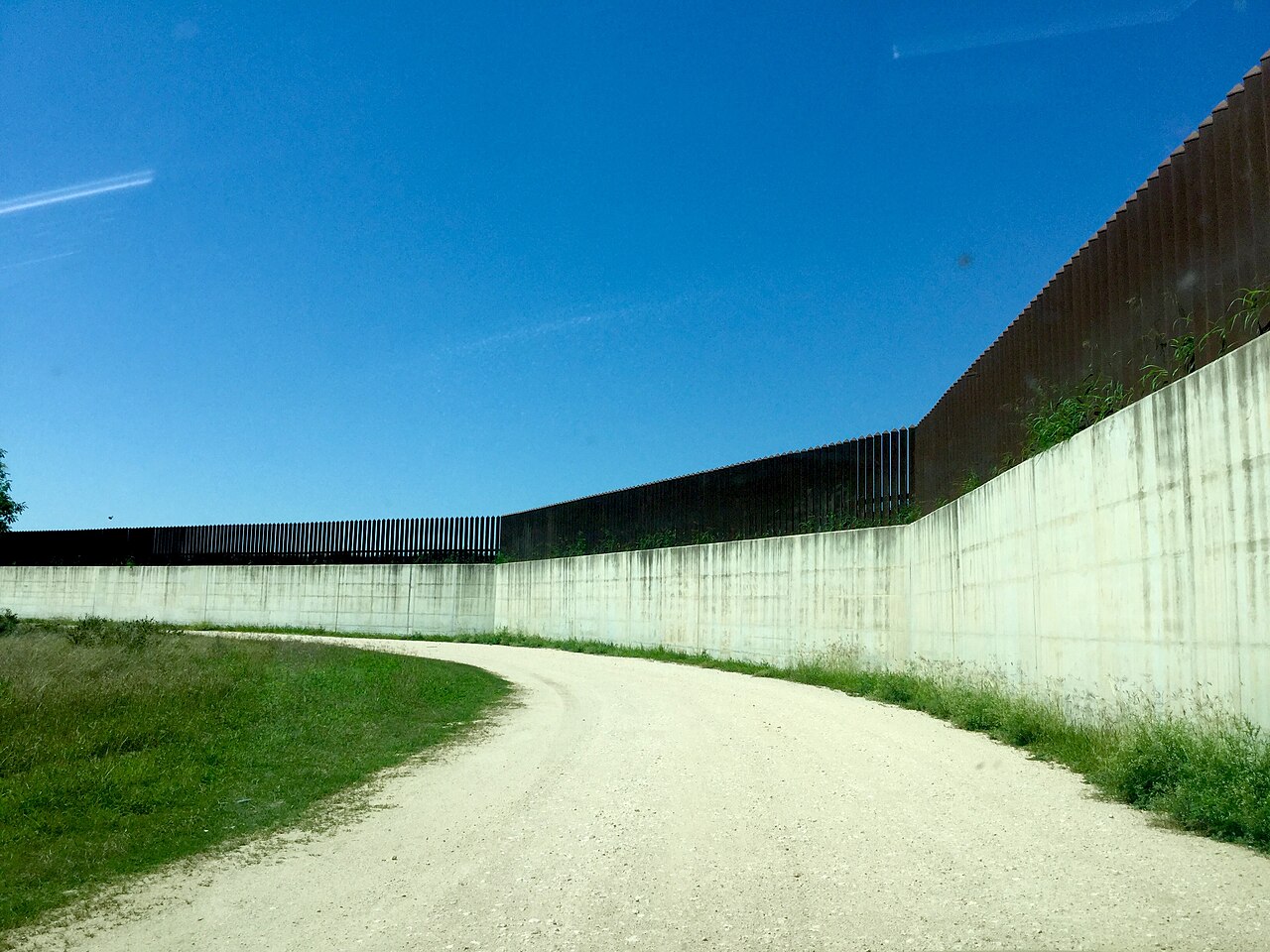
The US-Mexico border wall at Progreso Lakes, Texas, a steel fence on top of a concrete levee wall beside a dirt road

Photo: US-Mexico border wall at Progreso Lakes, Texas, CC BY-SA 3.0 us, via Wikimedia Commons.

TL;DR — the direct answer: The US Supreme Court ruled on Monday 9 November that the Trump administration can resume building border barriers and roads across the Big Bend region of West Texas, lifting a federal judge's order that had halted the work. The decision covers more than 300 miles, including a vehicle barrier inside Big Bend National Park — but it is a temporary ruling, not a final verdict on whether the project is lawful.

What happened: In an unsigned order on Monday 9 November, the Supreme Court granted the administration's emergency request to lift the injunction issued on 2 October by US District Judge Kathleen Cardone, which had halted construction across the Big Bend region for the past month. The case, Friends of the Ruidosa Church v. Mullin (No. 26A560), was brought by the Center for Biological Diversity, a Big Bend-area river guide and a group working to preserve a historic church in Ruidosa, Texas, which says its fragile adobe structure is threatened by the construction. The court said Congress has expressed a 'clear preference for expeditious border construction' and that the government's interest outweighs 'any aesthetic, recreational, and environmental harm' alleged by the challengers. The justices also said the 1996 law at issue likely precludes judicial review of the claims. The administration's plans cover more than 300 miles in the Big Bend sector, including barriers, access roads and a 17-mile vehicle barrier system inside the national park. The court declined the administration's separate request to summarily reverse the district judge's ruling outright, so the case stays alive in the lower court.

Why it's trending: Big Bend is one of America's most loved national parks, and the idea of a wall running through it has drawn bipartisan criticism since the plans emerged — which is why the Supreme Court's decision is trending well beyond immigration politics. The park's sweeping canyons and unspoiled desert are the backdrop to the argument: environmental groups say the waivers are the first time in US history that a broad slate of environmental laws has been set aside inside a national park, while the administration says border security is a compelling interest that outweighs aesthetic and recreational harm. The court's language — that Congress has a 'clear preference for expeditious border construction' — is being quoted on both sides, and the fact that only one justice, Ketanji Brown Jackson, publicly dissented underlines how clear-cut the court considered the emergency question. The case is also a marker for the administration's wider fast-tracking of construction, which has waived dozens of environmental regulations.

Background / context: The dispute turns on a 1996 law, Section 102 of the Illegal Immigration Reform and Immigrant Responsibility Act, as expanded in 2005, which lets the Homeland Security secretary waive federal laws to speed up border barrier construction. The waivers at issue were issued between February and July by Homeland Security Secretary Markwayne Mullin and his predecessor Kristi Noem, and they were the first time the federal government had swept aside a broad slate of environmental laws — including the Endangered Species Act, the National Wild and Scenic Rivers Act and the National Park Service Organic Act — inside a national park. The Big Bend region spans 517 miles, more than a quarter of the entire US-Mexico border, but the rugged area has the lowest number of apprehensions of any Southwest border sector. Construction in the park had already been paused in August after protests and criticism from members of both parties over the project's impact on the landscape and wildlife.

What we know / what's unconfirmed: Confirmed: the order, the case name and number, the dissent, the injunction date, the scope of the plans, and the legal basis. What is not decided is the underlying legality of the waivers — the Supreme Court's ruling is an emergency stay, not a ruling on the merits, and the lawsuit continues. How much construction actually happens, and how quickly, is also unconfirmed: the administration says most work will be on private land, but no construction timetable has been published. The challengers' claim that the Ruidosa church's adobe structure is threatened remains their allegation, not a court finding.

What happens next: Construction can resume now, and the lawsuit continues in the district court while the government pursues a full appeal. The stay remains in place while that appeal runs and ends automatically if the justices decline to take up the case. The bigger question — how far the Homeland Security secretary's power to waive federal law at the border reaches — is still unanswered and will be fought out in the courts.

Frequently asked questions

Q: What did the Supreme Court decide?
A: It lifted a federal judge's injunction that had halted border barrier and road construction across the Big Bend region of Texas, so the Trump administration can resume work while the lawsuit continues. It is not a final ruling on whether the waivers are lawful.

Q: Does the wall go through Big Bend National Park?
A: Yes, in part. The plan includes a 17-mile vehicle barrier system inside the national park, rather than the 30-foot pedestrian barriers planned for other sections. The administration says most construction in the sector will be on privately owned land.

Q: Who dissented?
A: Justice Ketanji Brown Jackson was the only justice to publicly dissent. The order was unsigned.

Q: What law lets the government waive environmental protections?
A: Section 102 of the Illegal Immigration Reform and Immigrant Responsibility Act of 1996, as expanded in 2005. The Supreme Court said the law likely precludes judicial review of the claims in the lawsuit.

Q: What happens to the lawsuit now?
A: It continues in the district court. The challengers can still press their claims on a full record, and the stay ends automatically if the justices decline to take up the case.

Sources: USA Today — Supreme Court allows Big Bend border wall plans in win for Trump, Reuters, via Duke FM — Supreme Court allows Trump border wall at Big Bend National Park in Texas, and Center for Biological Diversity — Supreme Court clears way for border wall construction across Big Bend, 9 November 2026.

← Back home