World
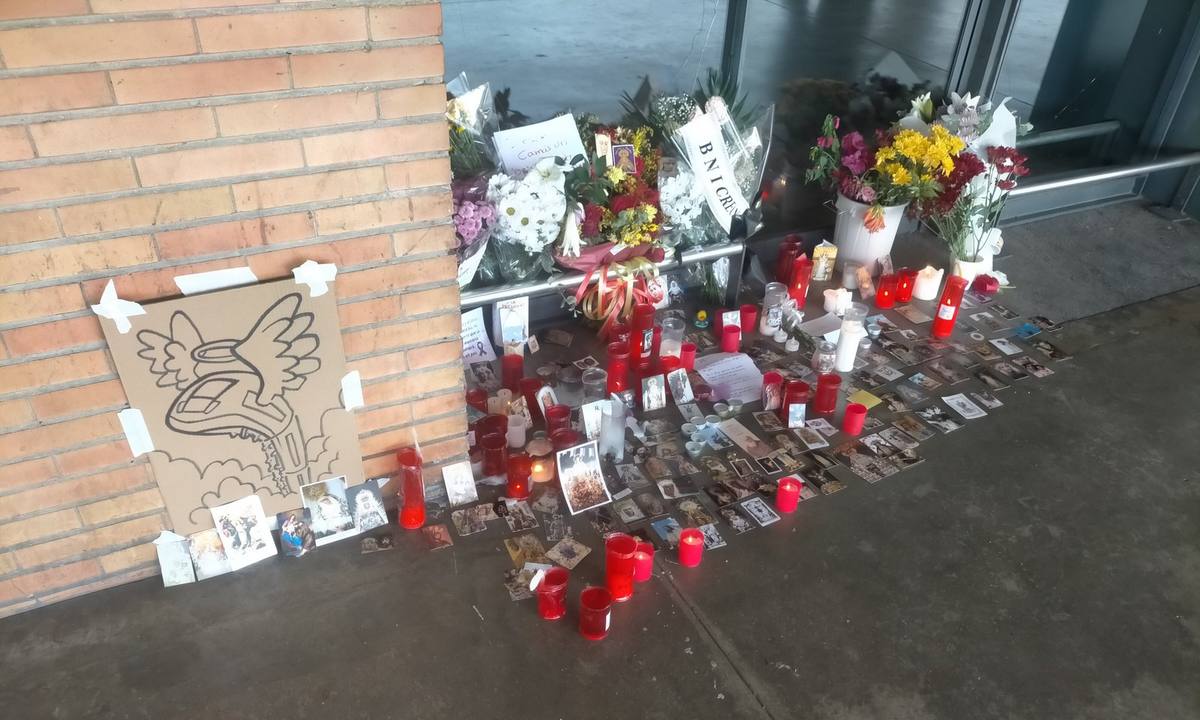
Spain Identifies 66 of 69 Victims of the Urda Train Crash, Including Four Americans
Spanish authorities have identified 66 of the 69 people killed in the Urda high-speed train collision, with three cases still open and families awaiting…
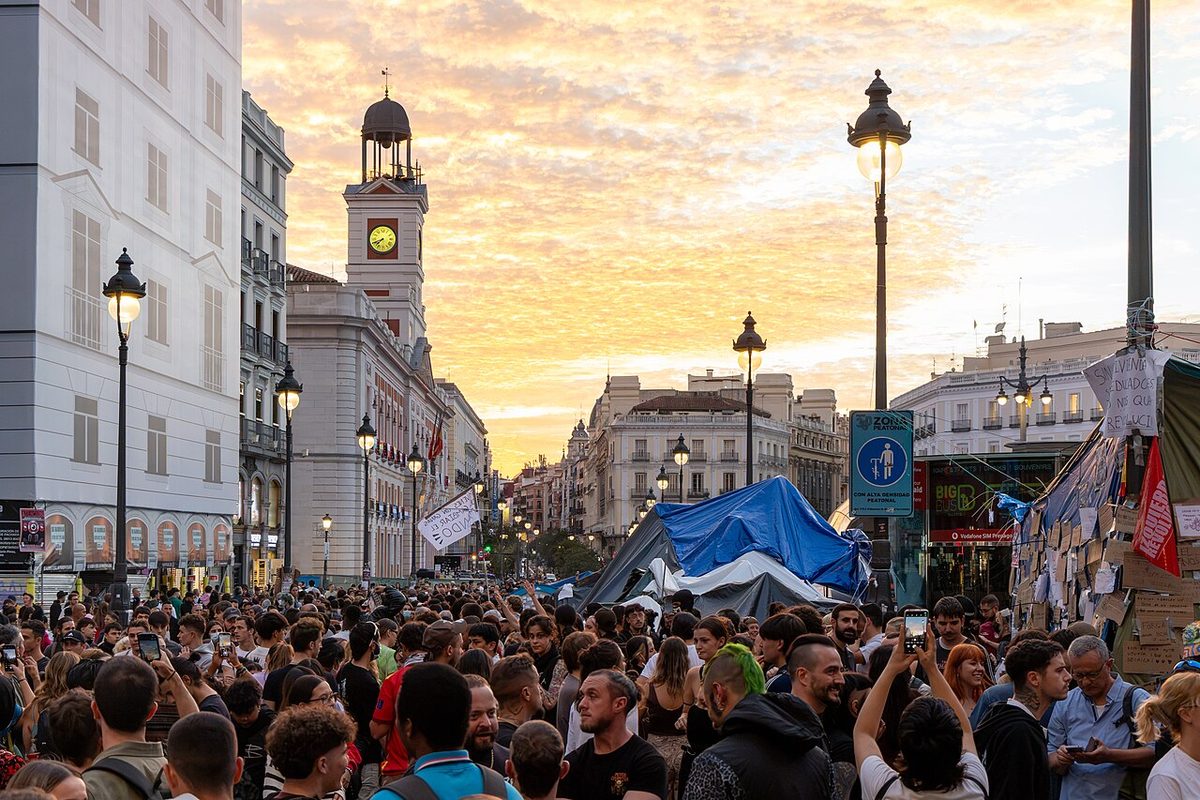
TL;DR — the direct answer: Spain ground to a halt on Wednesday, 11 November, as workers staged the country's first general strike in 14 years — a mass protest against a housing crisis that has left millions unable to afford a home, less than three weeks before a snap general election.
What happened: The strike was called by Spain's two largest unions, Comisiones Obreras (CCOO) and Unión General de Trabajadores (UGT), which together represent more than a million workers, along with tenants' associations angry about rising rents and evictions. Picket lines went up across the country despite stormy weather. Roadblocks disrupted traffic in Madrid, Barcelona and Valencia, public transport was affected in several cities, and at least 42 people were arrested in connection with incidents. The unions hailed the stoppage as a success. The Socialist government of Prime Minister Pedro Sánchez backed the movement, with no ministers scheduling any official events on Wednesday.
Why it's trending: The strike was unusual: it did not target a specific reform or employer, but denounced deteriorating living conditions and the authorities' inability to guarantee access to housing. The spark was the eviction on 23 September of Maricarmen Abascal, 87, from the Madrid apartment where she had lived for 70 years. She became a symbol of the crisis, and the Tenants' Union called for a general strike — a call the major unions quickly took up. The numbers explain the anger: Spain has a deficit of about 750,000 homes, set to grow to more than a million by 2028, according to the central bank. Rents have risen far faster than wages, and the protest revealed the distress of a large part of the population struggling to make ends meet, despite Spain's solid economic results.
Background / context: The timing is political. A snap general election is scheduled for 29 November, just 18 days after the strike, and the protest quickly took on a highly political dimension. Sánchez hopes to harness voter resentment over housing to shift the narrative away from corruption cases involving his inner circle and a deadly train crash last month — the high-speed collision at Urda that killed 69 people. The economy, on paper, is strong: the International Monetary Fund forecasts 2.5% growth in 2026, among the highest in advanced economies, and unemployment has fallen from 14.55% to 10.18% since Sánchez took office in 2018. The strike's message is that the growth is not reaching people's rent bills.
What we know / what's unconfirmed: Confirmed: the strike, the unions behind it, the Maricarmen eviction that sparked it, the roadblocks and arrests, the government's backing, and the housing deficit figures. Unconfirmed: how much of the economy actually stopped. The strike's impact was uneven — industrial plants and logistics hubs were disrupted more than the service sector, where remote working insulated many workers — and the unions and employers will argue for days over the turnout. Also unconfirmed: whether the strike moves votes. Sánchez is betting it does; the opposition will argue a government that has been in power since 2018 owns the housing crisis it is now protesting.
What happens next: The election campaign now runs for 18 days to the 29 November vote, with housing at the centre of it. The unions have shown they can bring the country to a halt; the question is whether the parties offer anything that changes the maths of rent. The housing camp at the Puerta del Sol, which has become the visible symbol of the movement, remains in place — and so does the deficit of 750,000 homes behind it.
Q: When was Spain's last general strike?
A: In 2014, against austerity measures during the eurozone debt crisis. The 11 November 2026 strike is the first in 14 years.
Q: What sparked the strike?
A: The eviction on 23 September of Maricarmen Abascal, 87, from the Madrid apartment where she had lived for 70 years. She became the symbol of the housing crisis.
Q: Who called the strike?
A: Spain's two largest unions, CCOO and UGT, representing more than a million workers, together with tenants' associations.
Q: How big is Spain's housing shortage?
A: About 750,000 homes, according to the central bank, set to grow to more than a million by 2028.
Q: Why does the timing matter?
A: A snap general election is scheduled for 29 November, 18 days after the strike, and housing is now at the centre of the campaign.
Sources: Le Monde — Spain's nationwide strike erupts amid housing crisis and anger over shrinking purchasing power, and Reuters via Froggy Web — Workers across Spain stage first general strike in 14 years as anger rages over housing.
Spanish authorities have identified 66 of the 69 people killed in the Urda high-speed train collision, with three cases still open and families awaiting…
COP31 opened in Antalya on 9 November, as UN climate chief Simon Stiell warned fossil fuel 'cost chaos' is spreading inflation worldwide.
The House voted 211-204 to shelve the impeachment of Defence Secretary Pete Hegseth, after 11 absent Democrats left Republicans with a seven-vote edge.