LIVE
Anthropic Prices IPO at $70 to $78 a Share — $1.4 Trillion Valuation  •  Wall Street Falls on Hot October Inflation Data  •  US Charges Three Iran-Backed Operatives Over RAF Fairford Plot
World

COP31 Opens in Antalya as the UN Climate Chief Warns Fossil Fuel Prices Are Spreading Inflation 'Like a Cancer'

Trending Now • 11 November 2026 • 4 min read

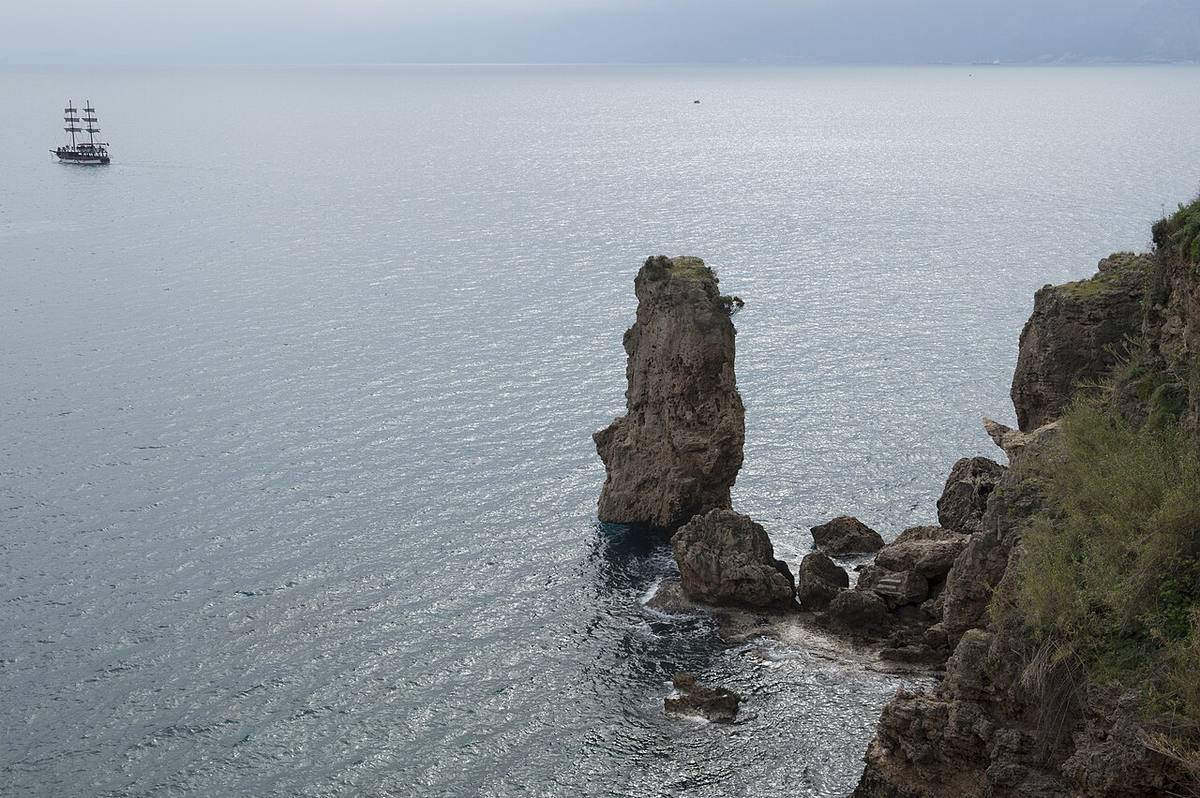
The Antalya coastline in Türkiye, host city of the COP31 climate summit

Photo: Dosseman, CC BY-SA 4.0, via Wikimedia Commons — the Antalya coast near the Talya viewpoint.

TL;DR — the direct answer: The COP31 climate summit opened in Antalya, Türkiye, on Monday, 9 November, with the UN's climate chief warning that a global fossil fuel price crisis is spreading inflation 'like a cancer' — and that the answer is to electrify everything, fast.

What happened: Delegates from nearly 200 countries gathered in the Mediterranean resort city of Antalya for the 31st United Nations Climate Change Conference, which runs from 9 to 20 November. Türkiye is hosting the summit, while Australia leads the negotiations under an unusual shared leadership arrangement. Opening the plenary, UN Climate Change Executive Secretary Simon Stiell warned that continued reliance on oil, gas and coal is exposing households, businesses and governments to persistent energy price shocks. 'At this COP, nations face a choice: electric or shock,' he said. 'Rewire the global economy for the electric age. Or accept ongoing fossil fuel cost pain for families, firms and governments.'

Why it's trending: The summit opened under the shadow of an energy shock that is already in everyone's bills. President Donald Trump's war with Iran has effectively closed the Strait of Hormuz, disrupting the movement of oil and pushing petrol prices up by around 50% around the world, along with the prices of fertilisers and pesticides. A Bloomberg index of oil and gas futures prices is up about 67% in the 12 months since negotiators last met. Stiell called the situation 'fossil fuel cost chaos', saying it had 'delivered a global shock wave, hitting households hard and spreading inflation like a cancer'. He also described the climate crisis itself as a global health emergency, pointing to extreme heat across southern Asia and record summer heatwaves that killed about 50,000 people in Europe. The United States, the world's second-largest greenhouse-gas polluter, is not participating, after Trump withdrew the country from international climate negotiations.

Background / context: The signature push of the Turkish hosts is a new electrification goal: raising electricity's share of final energy consumption from about one-fifth to one-third over the next ten years, preferably from renewable sources. Stiell argued the economics already favour the switch, saying global renewables saved around half a trillion dollars last year. The talks are opening as a historic El Niño builds in the tropical Pacific, and months after a glacier collapse set off catastrophic flooding in Nepal and Tibet, wiping away villages and killing at least 1,459 people, with thousands more still missing. Climate scientists confirmed this year that global heating will reach at least 1.8C — beyond the 1.5C goal countries promised to aim for in Paris in 2015. UN Secretary-General António Guterres urged leaders to move beyond grand declarations and deliver concrete results, and a 20-country high-ambition coalition is pushing for major progress in Antalya. Türkiye said it expected 100,000 visitors, including at least 95 heads of state, with a global leaders' summit scheduled for Wednesday and Thursday.

What we know / what's unconfirmed: Confirmed: the summit dates, the host and negotiation-leadership arrangement, Stiell's opening remarks, the US absence, and the electrification goal. The agenda also includes expanding renewable electricity, cutting methane emissions, strengthening power grids, and helping poorer countries pay to adapt to rising temperatures. Unconfirmed: whether negotiators will agree on anything binding. The agenda is narrower than at any other major climate conference since the Paris Agreement, and Stiell himself cautioned that 'no single COP is a silver bullet that can stop climate change overnight'. Climate finance — who pays, and how much — remains the hardest argument, and the summit's outcome will only be clear when the talks close on 20 November.

What happens next: The leaders' summit on Wednesday and Thursday is the first big test, with heads of state and government setting the political tone. Negotiations then run for another week, with the electrification goal and climate finance the two issues to watch.

Frequently asked questions

Q: What is COP31?
A: The 31st United Nations Climate Change Conference, where nearly 200 countries negotiate action on climate change. It runs from 9 to 20 November 2026 in Antalya, Türkiye.

Q: Why is it in Antalya?
A: Türkiye is hosting the summit, while Australia leads the negotiations under an unusual shared leadership arrangement agreed between the two countries.

Q: What is the electrification goal?
A: A push to raise electricity's share of global energy use from about 21% to 35% by 2035, preferably from renewable sources, to cut dependence on fossil fuels.

Q: Why is the US not at COP31?
A: The United States is not participating after President Donald Trump withdrew the country from international climate negotiations.

Q: What did the UN climate chief warn about?
A: Simon Stiell warned that a global fossil fuel price crisis is 'spreading inflation like a cancer', after petrol prices rose about 50% worldwide following the disruption of oil supplies through the Strait of Hormuz.

Sources: The Guardian via The Bull Post — High fossil fuel prices spread inflation 'like a cancer', UN climate chief tells Cop31, AP via The Sen Times — Leaders gather in Turkey for UN climate summit after a disastrous year of extreme weather, and Nature News Africa — COP31: Stiell warns climate crisis is becoming global health emergency.

← Back home