
LIVE
Russia and Ukraine Agree Their Biggest Prisoner Swap of the War  •  House Blocks the Hegseth Impeachment 211-204  •  OpenAI Tops $10 Billion in a Single Quarter
World

House Blocks the Hegseth Impeachment 211-204 — After 11 Democrats Missed the Vote

Trending Now • 12 November 2026 • 4 min read

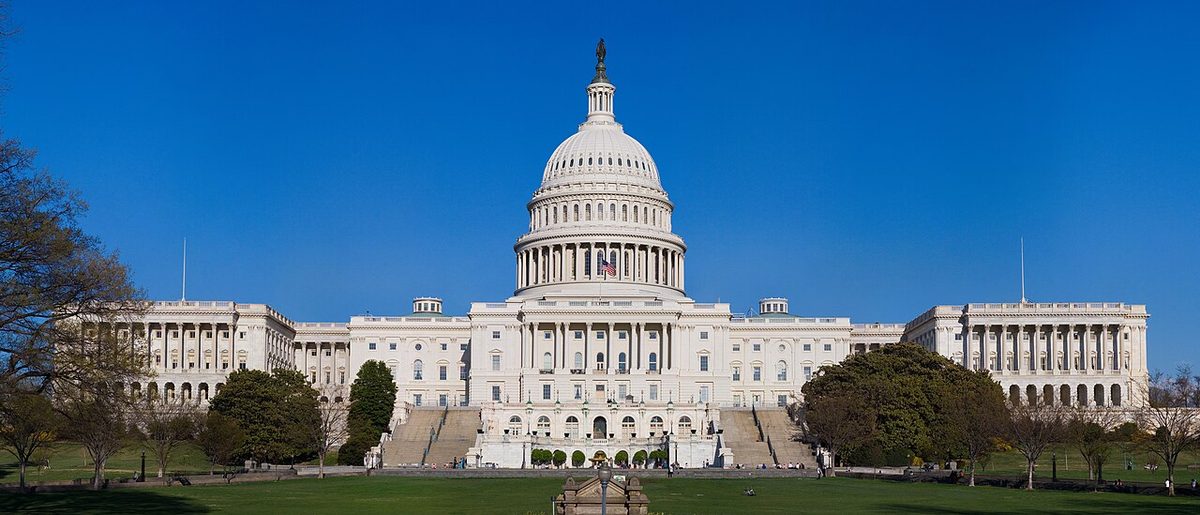
The United States Capitol building in Washington, DC, seen from the west front

Photo: Noclip, public domain, via Wikimedia Commons — the western front of the United States Capitol.

TL;DR — the direct answer: The US House of Representatives has blocked the effort to impeach Defence Secretary Pete Hegseth, voting 211-204 on Tuesday evening to send the eight articles to committee instead of voting on them. The margin was seven votes — fewer than the 11 Democrats who were absent, and Democrats say that is why the effort died.

What happened: The House voted on Tuesday evening, 10 November, to refer the impeachment resolution to the House Judiciary Committee — a parliamentary move that avoids a floor vote and effectively shelves the charges for the rest of this Congress. The resolution, introduced on Monday by Representative Thomas Massie, a Kentucky Republican, contained eight articles accusing Hegseth of high crimes and misdemeanours, including waging war against Iran without an imminent threat or congressional approval, ordering strikes on suspected drug boats in the Caribbean and Eastern Pacific, weakening safeguards for civilians, and retaliating against Democratic Senator Mark Kelly. Massie was the only Republican to vote against sending the articles to committee, joining 203 Democrats. Eleven Democrats and seven Republicans did not vote.

Why it's trending: The story is not just the vote — it is the absences. Had the 11 missing Democrats been present, the impeachment effort would most likely have advanced, since the margin was only seven votes. Representative Marilyn Strickland of Washington missed the vote by one minute; retiring Representative Julia Brownley of California was also absent. One report asked whether a traffic jam had saved Hegseth, after several members were delayed getting to the chamber. The vote was also closed more quickly than usual, according to reports. Democratic whip Katherine Clark told colleagues on Wednesday that the Democrats who missed the vote had disappointed the American people, and the party is facing awkward questions a week after its sweeping midterm wins.

Background / context: Massie, an outspoken critic of the Trump administration who lost his primary in May, forced the issue this week after reintroducing the articles on Monday. Hegseth, who calls himself the Secretary of War, had put out a video last week calling the whole effort a sham, saying it did not work against President Trump and would not work against him. The White House said the administration 'strongly opposes this impeachment resolution against Secretary Hegseth — a rogue, politically motivated effort to undermine our warfighters, our nation's Constitution and our national security.' The episode lands as the administration asks for an unprecedented $1.5 trillion in defence money, with a separate government funding deadline on 11 December.

What we know / what's unconfirmed: Confirmed: the 211-204 vote, the referral to committee, the eight articles, Massie as the only Republican against referral, and the 18 absences — 11 Democrats and seven Republicans. Every Democrat present opposed the referral, and Democratic leader Hakeem Jeffries supported the impeachment. Unconfirmed: the precise reasons each absent member missed the vote, and whether the quick closing of the vote was deliberate. What is clear is that the committee is not expected to advance the articles, and the resolution expires on 3 January if it receives no vote on its merits by then.

What happens next: The charges are not going anywhere in this Congress, which ends on 3 January. But Democrats won control of both the House and the Senate in the 3 November midterms and will hold the majorities needed to revive proceedings when the new Congress convenes on 3 January 2027. Even then, removing Hegseth would require a two-thirds vote in the Senate, so a revival would be a political fight rather than a likely removal. For now, Hegseth stays in office — saved, in the end, by seven votes and eleven empty seats.

Frequently asked questions

Q: What did the House vote on?
A: A motion to refer eight articles of impeachment against Defence Secretary Pete Hegseth to the Judiciary Committee, instead of voting on them directly. It passed 211-204.

Q: Who introduced the impeachment articles?
A: Representative Thomas Massie, a Kentucky Republican and critic of the Trump administration, who introduced them on Monday, 9 November.

Q: Why did the effort fail?
A: Eleven Democrats were absent from the vote. The margin was seven votes, so their presence would most likely have kept the impeachment alive. Seven Republicans were also absent.

Q: What was Hegseth accused of?
A: Eight articles including waging war against Iran without congressional approval, strikes on suspected drug boats, weakening civilian safeguards, and retaliation against Senator Mark Kelly.

Q: Can Democrats try again?
A: Yes. They take control of both chambers on 3 January 2027 and could revive the proceedings — but removing Hegseth would need a two-thirds Senate vote.

Sources: KNKX / NPR — House votes to end the impeachment effort against Pete Hegseth, Reuters — Missed Hegseth vote disappointed Americans, Democratic leader says, and USA Today — Did a traffic jam save Pete Hegseth from impeachment?.

← Back home