Tech
Nvidia Reinstates Jensen Huang as CEO After White House Push
Nvidia reinstated Jensen Huang as CEO on Monday after a White House push, and the stock soared 31% in the biggest one-day market-cap gain ever.
TL;DR — the direct answer: S&P Global Ratings on Wednesday, 25 November 2026, placed Nvidia's credit rating on watch for a possible downgrade, saying the departure and subsequent reinstatement of chief executive Jensen Huang had exposed weaknesses in the chipmaker's management and board oversight. The agency put Nvidia's AA issuer credit rating and its senior unsecured debt rating on CreditWatch with negative implications, opening a 90-day review that is likely to end in a one-notch downgrade to AA-minus, a rating that would still be investment grade. S&P said Huang's return did not sufficiently answer its questions about how the board oversees the executive code of conduct, and it cut its assessment of Nvidia's management and governance to neutral from positive. Nvidia's shares fell 3.91 percent on Wednesday to close at $149.30, having dropped as much as 9.1 percent during the day, their second straight day of losses after Monday's 31.5 percent surge on Huang's return. Rival agency Moody's took a softer line on the same day, keeping its higher Aa1 rating and stable outlook while flagging the same governance and regulatory uncertainty.
What happened: S&P Global Ratings announced the move on Wednesday, placing Nvidia's AA long-term issuer credit rating on CreditWatch Negative, a formal signal that a downgrade is likely within the next 90 days. The decision covers both the issuer rating and the rating on Nvidia's senior unsecured debt. S&P said it expected any downgrade to be limited to one notch, which would take the rating to AA-minus, still a very strong investment-grade rating, unless investigations or disclosures showed damage to Nvidia's reputation or business prospects. The agency's reasoning centred on governance rather than on Nvidia's finances: recent, well-publicised developments have raised questions about the effectiveness of Nvidia's management and governance framework, including board independence and key-man risk, and the departure and then reinstatement of Huang does not sufficiently answer its questions about board oversight of the executive code of conduct. S&P added that it was not aware of any steps the board had taken to address what could be meaningful shortcomings, and it lowered its assessment of the company's management and governance to neutral from positive. The market reaction was immediate. Nvidia's shares, which had closed at $155.38 on Tuesday, opened at $144.06 on Wednesday, fell to an intraday low of $141.17, and closed at $149.30, down $6.08, or 3.91 percent, on the day. Trading ran well above normal volume. The company's five-year credit default swap premium, the cost of insuring its debt against default, rose to a record high of 147.27 basis points during trading, according to ICE Data Services, a sign that credit markets were pricing in the same governance worries as the rating agency.
Why it's trending: Nvidia is the most important company in the artificial intelligence boom, and the last fortnight has been the strangest in its history. Huang resigned on 12 November after reports that he had conducted extramarital affairs, including one with Alice Huang, a former executive at Megaspeed International whom United States intelligence agencies suspect of working for China. Nvidia's board initially ruled out his return and appointed chief financial officer Colette Kress as interim chief executive. Then President Donald Trump and Vice President JD Vance lobbied the board, and on Monday, 23 November, the board unanimously reinstated Huang with immediate effect, sending the shares up 31.5 percent in a single day. Two days later, S&P's decision punctured the celebration and reframed the story: the question is no longer whether Huang keeps his job, but whether the board that first pushed him out and then brought him back is fit to govern a company worth nearly $4 trillion. That is a governance question with real financial consequences. A one-notch downgrade would raise Nvidia's borrowing costs only slightly, and the company holds about $60 billion in net cash, so the rating itself is not the threat. The threat is what the rating action signals: that the world's most valuable chipmaker is being run by a board whose independence S&P openly doubts, at a moment when the company faces a Justice Department investigation into chip diversion, an export-control crackdown, and a congressional hearing at which Huang is due to testify next week. The split between the two big rating agencies sharpens the story. Moody's, which rates Nvidia a notch higher at Aa1, said on the same day that Huang's return restores strategic continuity and kept a stable outlook, while S&P went further and put the rating on formal watch. Investors are left to decide which agency has read the board correctly.
Background / context: The governance crisis began with the Megaspeed affair, which has dominated Nvidia's news for a month. Megaspeed, a Singapore-based cloud computing firm and an official Nvidia cloud partner in Asia Pacific since November 2023, is under investigation by United States authorities over whether it helped Chinese customers obtain Nvidia chips in breach of export controls, and on Monday, 23 November, the Commerce Department added Megaspeed and six related companies to the Entity List, the American trade blacklist. Alice Huang, a former Megaspeed executive, had an affair with Jensen Huang, and United States intelligence agencies suspect her of working for Chinese intelligence, a suspicion that turned a personal scandal into a national security question. Huang resigned on 12 November, the board said it would not bring him back, and Kress took over as interim chief executive. The reversal came after days of public pressure from Trump, who took credit for the return and said he spoke directly with the board. Huang apologised to staff at an all-hands meeting on Tuesday morning, and said the decision to reinstate him came from the board, not the government. The board's handling of the affair is what S&P is now questioning: the agency pointed to long board tenure that may have compromised independence, to the absence of a credible succession plan, and to governance that may not have kept pace with Nvidia's growth from a graphics-chip maker into the company at the centre of the global AI buildout. Moody's had already moved once, lowering its outlook on Nvidia's Aa1 rating from positive to stable on 18 November, shortly after Huang stepped down, citing governance concerns. On Wednesday, Moody's said Huang's return eases near-term uncertainty around business execution and eliminates the risk of appointing a new leader, but added that governance and regulatory uncertainty persists.
What we know / what's unconfirmed: Confirmed: S&P Global Ratings placed Nvidia's AA issuer credit rating and senior unsecured debt rating on CreditWatch with negative implications on Wednesday, 25 November 2026, opening a 90-day review and expecting any downgrade to be limited to one notch, to AA-minus; S&P cut its management and governance assessment to neutral from positive, citing board independence, oversight of the chief executive, succession planning and key-man risk, and said it was not aware of steps the board had taken to fix the shortcomings; Nvidia's shares closed at $149.30, down 3.91 percent from $155.38, after an intraday low of $141.17; Moody's kept its Aa1 rating and stable outlook on Wednesday, having lowered the outlook from positive to stable on 18 November; Huang resigned on 12 November and was reinstated on 23 November; and Nvidia reported third-quarter revenue of $115.84 billion on 17 November. One detail in the original brief needs correcting: the brief said shares fell more than 8 percent intraday at one point, and market data put the intraday fall at 9.1 percent, from the previous close of $155.38 to the low of $141.17. What remains unconfirmed is the central security question. The Wall Street Journal reported on Wednesday, citing people familiar with a classified briefing, that United States officials found no evidence Alice Huang was directed by Beijing to spy on Jensen Huang, and that current evidence suggests an amorous relationship rather than a coordinated operation, while adding that new information could change that assessment. That finding has not been confirmed publicly by any agency, and lawmakers remain unconvinced: Huang is scheduled to testify next week, in a closed-door meeting with three House committees on Tuesday and at a public meeting of the Senate banking committee on Thursday, where questions about export-control compliance, management practices and national security are expected to dominate.
What happens next: S&P's 90-day review now sets the timetable. Over the next three months the agency will examine whether Nvidia's board takes concrete steps to address the governance gaps it identified: board independence, oversight of the executive code of conduct, succession planning and the concentration of power in a single chief executive. If the board acts convincingly, the rating could be affirmed at AA; if it does not, a one-notch downgrade to AA-minus is the likely outcome, and S&P has said it would only go further if investigations or disclosures damaged the company's reputation or business. The more immediate test comes next week, when Huang testifies before Congress. The closed-door House session on Tuesday and the public Senate banking committee hearing on Thursday will be the first time he has faced lawmakers since his reinstatement, and his answers on export controls, on the Megaspeed relationship and on the board's handling of his departure will shape both the political mood and the rating agencies' view. The Justice Department's investigation into Megaspeed and the parallel inquiry into Super Micro, another Nvidia client suspected of diverting chips to China, also remain open, and any findings there could change the picture quickly. For the shares, the context is a brutal month: Nvidia is down about 31 percent in a month and about 38 percent from its 6 October high of $243.37, and Wednesday's session showed how violently the stock now swings, falling 9.1 percent intraday before recovering to a 3.91 percent loss. With markets closed on Thursday for Thanksgiving and a half session on Friday, the next full test of sentiment comes next week, when the congressional hearings and the rating review will both be in focus.
Q: What did S&P do to Nvidia's credit rating?
A: S&P Global Ratings placed Nvidia's AA issuer credit rating and its senior unsecured debt rating on CreditWatch with negative implications on Wednesday, 25 November 2026. That is a formal warning that a downgrade is likely within the next 90 days. S&P expects any cut to be limited to one notch, to AA-minus, which would still be a very strong investment-grade rating.
Q: Why is S&P considering a downgrade?
A: S&P said the departure and reinstatement of chief executive Jensen Huang exposed weaknesses in Nvidia's management and governance, including board independence, oversight of the executive code of conduct, succession planning and key-man risk. The agency said Huang's return did not sufficiently answer its questions about how the board oversees executive conduct, and it cut its management and governance assessment to neutral from positive.
Q: How did Nvidia's shares react?
A: Nvidia's shares closed at $149.30 on Wednesday, down $6.08, or 3.91 percent, from Tuesday's close of $155.38. The stock fell as much as 9.1 percent during the day, touching an intraday low of $141.17, before recovering much of the loss. It was the second straight day of falls after Monday's 31.5 percent surge on Huang's reinstatement.
Q: What did Moody's say about Nvidia?
A: Moody's took a softer line on the same day, keeping its Aa1 rating, a notch higher than S&P's, with a stable outlook. It said bringing Huang back eases near-term uncertainty around business execution and removes the risk of appointing a new leader, while adding that governance and regulatory uncertainty persists. Moody's had lowered its outlook from positive to stable on 18 November, shortly after Huang stepped down.
Q: What happens next for Jensen Huang?
A: Huang is scheduled to testify before Congress next week: in a closed-door meeting with three House committees on Tuesday, and at a public meeting of the Senate banking committee on Thursday. Lawmakers are expected to question him on export-control compliance, management practices and whether national security was compromised by his affair with Alice Huang, a former Megaspeed executive suspected by US intelligence of working for China.
Sources: Reuters — S&P Global places Nvidia rating on CreditWatch Negative on rising management and governance risks, Nikkei Asia — Nvidia's shares drop, credit rating on watch two days after Huang's return, InvestingLive — S&P puts Nvidia's AA rating on watch for a possible cut, as Moody's holds steady, Motley Fool — Stock Market Today, Nov. 25: Nvidia Slides 3.9% as the Market Considers Hot PCE Inflation Data and New Tariff Proposals, and Chosun Biz — Nvidia and tech credit risks hit records as S&P warns of downgrade.
Nvidia reinstated Jensen Huang as CEO on Monday after a White House push, and the stock soared 31% in the biggest one-day market-cap gain ever.
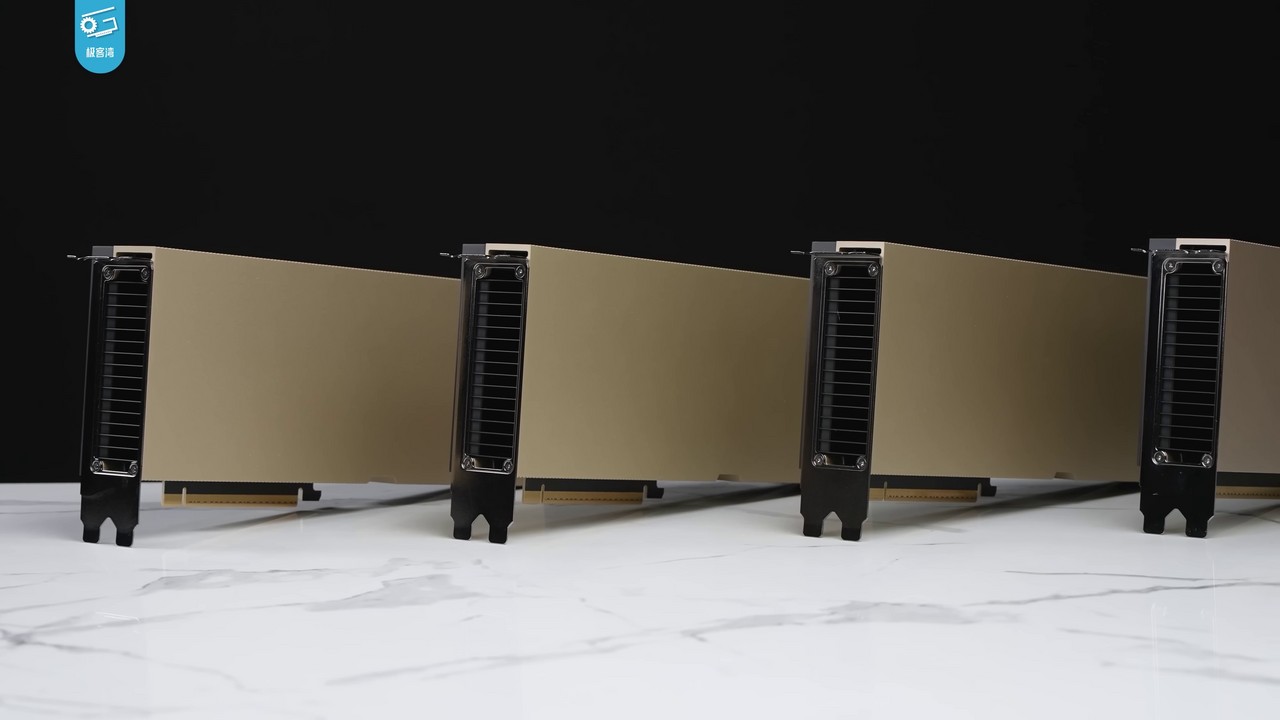
Nvidia shares fell 2.9% to $150.96 despite record Q3 results, as the House demanded a briefing on chip exports and Kress halted Hopper sales to China.
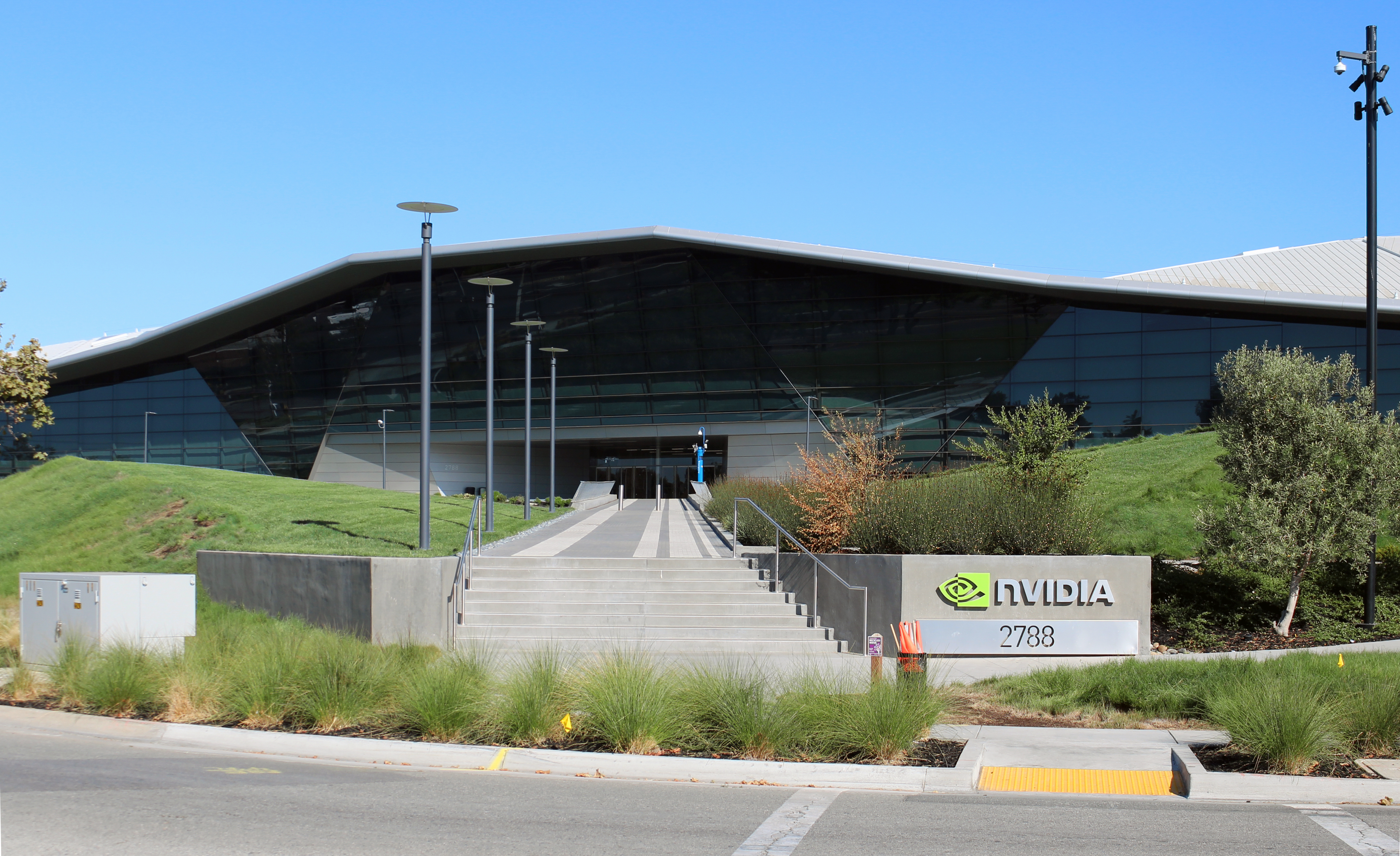
The US added Singapore-based Megaspeed and six affiliates to its trade blacklist, cutting off their access to Nvidia's advanced AI chips.