
Tech
FBI Investigating Suspected Hack of Its Crime Database
The FBI is investigating a suspected hack of the National Crime Information Center, the database police use to check warrants, CNN reported.
Drafted with the help of AI tools and reviewed by our editor. Read our editorial policy.
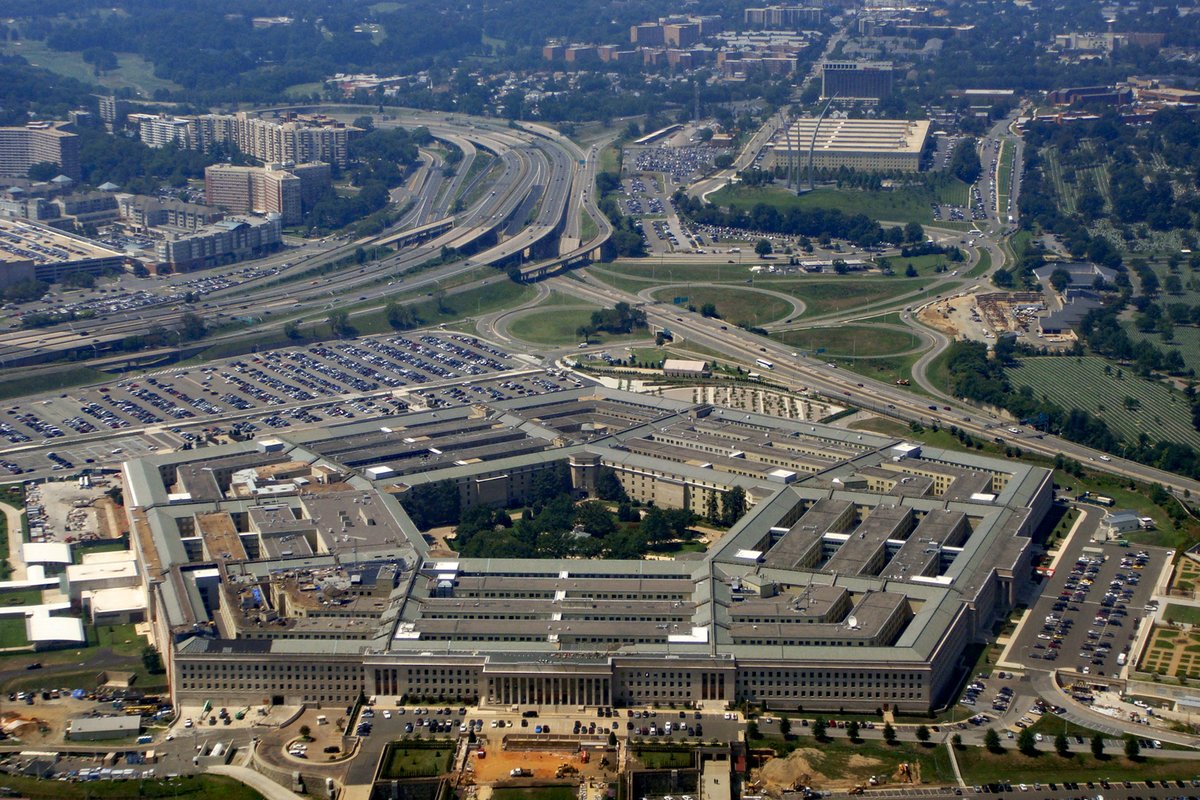
TL;DR — the direct answer: Hackers have breached Cloud One, the US Air Force's flagship cloud computing platform, in a development that could jeopardise a vast swathe of sensitive tactical, personnel and logistics data. The intrusion was discovered within the past month or so during work to upgrade the system, three people familiar with the matter told Reuters, which first reported the news on Friday, 27 November 2026. Reuters could not establish the identity of the hackers, the full scope of the intrusion, or whether any data had been stolen. One source said the intruders exploited a software vulnerability to reach the control plane, the central management layer of the platform, which the source likened to a universal remote: in theory, the intruders could have used it to check the operational status of military aircraft or the movement of spare parts, though it is unclear whether they did so. The discovery has disrupted operations across the platform: efforts to migrate back-office applications to Cloud One have been paused, updates to applications already running on it have been blocked, and some users have had their administrator rights revoked. Investigators have called in Cyber Command, the US military's cyber force, to assess the damage.
| Metric / Date | Key Detail | Source |
|---|---|---|
| Discovered | Intrusion found within the past month during work to upgrade the system | Reuters |
| Access | Intruders exploited a software vulnerability to reach the control plane | Reuters |
| Launched | Cloud One began in 2017, pooling Microsoft, Amazon, Oracle and Alphabet clouds | Reuters |
| Disruption | Back-office migrations paused, app updates blocked, some admin rights revoked | Reuters |
| Contractor | SAIC was prime contractor until 2025, when Leidos took over | Reuters |
Hackers have breached the US Air Force's flagship cloud computing platform, three people familiar with the matter told Reuters, in a development that could jeopardise a vast swathe of sensitive tactical, personnel and logistics data. The intrusion at Cloud One was discovered within the past month or so during work to upgrade the system, two of the people said, adding that the discovery has led to disruption across the platform. Reuters could not establish the identity of the hackers, the full scope of the intrusion or whether any data had been stolen. One source said that the cyber intruders exploited a software vulnerability to reach the Cloud One control plane, the layer that manages and configures the cloud environment. That person likened the control plane to a universal remote, as intruders in theory could leverage their access to check the operational status of military aircraft or the movement of spare parts, though it was unclear whether the hackers did so in this case. Reuters could not identify the specific vulnerability exploited by the hackers. The discovery of the hack led to a range of disruption. Two of the sources, along with a fourth person familiar with the matter, said that efforts to migrate back-office applications to Cloud One, a longstanding military priority, have been paused. Updates to applications already running on Cloud One were blocked, leaving Air Force personnel unable to apply fixes just as a new batch of serious software vulnerabilities has been disclosed across the technology industry. A fifth source said that some users had their administrator rights revoked. All five sources spoke on condition of anonymity. Investigators have called in Cyber Command, the US military's cyber force, to assess the damage, one of the sources said. Cyber Command did not respond to requests for comment. In a statement to Reuters, the Air Force said it does not comment on the security posture, vulnerabilities or operational status of specific networks and systems, adding: we continuously take prudent measures to protect Department of the Air Force information, systems and mission capabilities.
A breach here is a big deal, in the words of one of Reuters' sources, and the reason is what Cloud One holds. Initiated in 2017, Cloud One was meant to serve as a one-stop shop for the Air Force's IT needs, combining the resources of four operators, Microsoft, Amazon, Oracle and Alphabet, to power scores of applications including ones that manage personnel data and pay, or logistics and maintenance. It also follows a rough fortnight for the big cloud providers: the Microsoft 365 outage earlier in November left Outlook and Teams down for a second day. Among them are the Air Force's Cloud-Based Command and Control, which collates air defence radar and other data feeds from across North America, and the Theater Integrated Combat Munitions System, which tracks bombs and missiles across more than 200 US Air Force locations around the world. Cloud One is among the US military's biggest cloud platforms, according to two of the sources, and the control plane access the hackers gained is the worst kind of foothold: it is the layer that manages the whole environment, so in theory it could have opened the door to vast stores of information, even if it is not clear the hackers used it that way. The story is also trending because it is not an isolated incident. News of the breach comes amid heightened anxiety over AI-powered intrusions, a particularly serious problem for cloud-based networks because of the ability of AI models to swiftly detect weaknesses across wide surface areas. The US government has already been dealing with the fallout from at least six other recently disclosed cyber incidents, including two at the FBI, a previous hack of Pentagon data, a recent leak of Department of Homeland Security personnel information, a breach affecting at least two spy agencies and a hack at the Treasury Department. The FBI, the Pentagon, the Department of Homeland Security and the CIA have each experienced hacks and leaks in recent weeks, while the National Security Agency has experienced outages with its internal communications system, and the Federal Aviation Administration grounded flights nationwide on 13 November over what officials said was a similar error. Cloud One is the biggest name on that list, and the one that matters most to the military.
Cloud One has long been in the crosshairs of hackers, and its leadership knew it. In a 2023 commentary carried by the online publication FedScoop, Cloud One's leadership touted what they called a 100 percent success rate in beating back what they said was a staggering number of attempts to penetrate the platform. There is no room for error when it comes to security, Cloud One's leadership wrote. The platform was built to consolidate the Air Force's sprawling IT estate into a single hub, and the consolidation is exactly what makes it a target: one platform, four commercial cloud providers, and scores of applications, from payroll to munitions tracking, all managed through the same control plane. SAIC was the prime contractor for Cloud One until 2025, when Leidos took over. SAIC did not respond to a request seeking comment. Leidos referred questions to the Air Force. The breach was discovered during upgrade work, which is a detail that matters: the intruders were found because engineers were changing the system, not because an alarm went off, which raises the question of how long they had been inside before the upgrade began. Reuters could not establish that either. The incident also lands in a wider season of technology failures. Numerous businesses, including Microsoft, Apple and Chase Bank, experienced system outages linked to software failing to properly adapt to AI integrations, and the FAA's nationwide ground stop on 13 November was blamed on a similar error. The government has been hit from several directions at once: the FBI, under FBI Director Kash Patel, is dealing with two of its own incidents, and the Department of Homeland Security, under Homeland Security Secretary Markwayne Mullin, has had personnel information leaked, so the Cloud One breach arrives as part of a pile-up, not a bolt from the blue.
Confirmed: hackers breached Cloud One, the US Air Force's flagship cloud computing platform, according to three people familiar with the matter who spoke to Reuters; the intrusion was discovered within the past month or so during work to upgrade the system; one source said the intruders exploited a software vulnerability to reach the control plane, likening it to a universal remote; efforts to migrate back-office applications to Cloud One have been paused; updates to applications already running on Cloud One have been blocked, leaving personnel unable to apply fixes; some users have had their administrator rights revoked; investigators have called in Cyber Command to assess the damage; Cloud One began in 2017 and combines the cloud resources of Microsoft, Amazon, Oracle and Alphabet; its applications include Cloud-Based Command and Control, which collates air defence radar data from across North America, and the Theater Integrated Combat Munitions System, which tracks bombs and missiles across more than 200 Air Force locations; SAIC was the prime contractor until 2025, when Leidos took over; and the Air Force said it does not comment on the security posture, vulnerabilities or operational status of specific networks and systems. One important caveat, which is really the story: almost every fact here rests on five anonymous sources, and the Air Force has confirmed nothing beyond its standard statement. What remains unconfirmed is the identity of the hackers, the full scope of the intrusion, whether any data was stolen, and which specific software vulnerability was exploited. Reuters could not establish any of those. It is also unconfirmed whether the intruders actually used their control plane access to check the operational status of military aircraft or the movement of spare parts: the source said they could have done so in theory, and was explicit that it was unclear whether they did. It is unconfirmed how long the intruders were inside before the upgrade work found them, and unconfirmed when the paused migrations and blocked updates will resume.
The next step belongs to Cyber Command, which has been brought in to assess the damage. That assessment will have to answer the questions Reuters could not: who got in, how far they got, what they took, and how they got in. Until those answers exist, the disruption stays in place: back-office migrations paused, application updates blocked, and some users without administrator rights, all while a new batch of serious software vulnerabilities has been disclosed across the technology industry, meaning the Air Force cannot apply fixes it may urgently need. The pause on migrations is a longstanding military priority put on hold, so the longer the assessment takes, the further behind the consolidation falls. If the assessment finds that data was stolen, the incident becomes a counter-intelligence problem as well as a technical one: personnel data, pay records, logistics and maintenance data, air defence radar feeds and munitions tracking are all the kind of information an adversary would want, and the Air Force will have to work out what was seen and what was taken. If it finds that nothing was taken, the Air Force will still have to explain how intruders reached the control plane of one of the military's biggest cloud platforms three years after its leadership claimed a 100 percent success rate at keeping attackers out. Either way, the vulnerability itself has to be found and closed, and the specific flaw Reuters could not identify will be the first thing the investigators look for.
Q: What is Cloud One?
A: Cloud One is the US Air Force's flagship cloud computing platform, launched in 2017 as a one-stop shop for the service's IT needs. It combines the cloud resources of four operators, Microsoft, Amazon, Oracle and Alphabet, to power scores of applications, including ones that manage personnel data and pay, logistics and maintenance, air defence radar feeds and munitions tracking. It is among the US military's biggest cloud platforms. SAIC was its prime contractor until 2025, when Leidos took over.
Q: How did hackers get into Cloud One?
A: According to one person familiar with the matter, the intruders exploited a software vulnerability to reach the platform's control plane, the central management layer that configures the cloud environment. The source likened control plane access to a universal remote, because in theory it could let an intruder check the operational status of military aircraft or the movement of spare parts. Reuters could not identify the specific vulnerability exploited, and it is unclear whether the hackers used the access that way.
Q: Was any data stolen in the Cloud One breach?
A: It is not known. Reuters could not establish whether any data had been stolen, the full scope of the intrusion, or the identity of the hackers. The Air Force has said only that it does not comment on the security posture, vulnerabilities or operational status of specific networks and systems. Cyber Command, the US military's cyber force, has been called in to assess the damage, and that assessment will have to answer whether data was taken.
Q: How was the Cloud One breach discovered?
A: The intrusion was discovered within the past month or so during work to upgrade the system, according to two people familiar with the matter. It was found because engineers were changing the system, not because an alarm went off, which raises the question of how long the intruders had been inside. The discovery led to disruption across the platform, including paused migrations, blocked updates and revoked administrator rights.
Q: What has the breach disrupted?
A: Efforts to migrate back-office applications to Cloud One, a longstanding military priority, have been paused. Updates to applications already running on Cloud One have been blocked, leaving Air Force personnel unable to apply fixes just as a new batch of serious software vulnerabilities has been disclosed across the technology industry. Some users have had their administrator rights revoked. The disruption continues while Cyber Command assesses the damage.
Sources: Reuters - Hackers breach US Air Force flagship Cloud One computing platform, Engadget - Hackers reportedly infiltrated the Air Force's cloud systems, New York Post - Hackers breach US Air Force flagship cloud computing platform, Channel News Asia - Hackers breach US Air Force flagship Cloud One computing platform, and The Times of India — Microsoft 365 outage ends after over 24 hours; Outlook, Teams restored.
The FBI is investigating a suspected hack of the National Crime Information Center, the database police use to check warrants, CNN reported.

The CIA and the Office of the Director of National Intelligence suffered a cyber breach that exposed unclassified data, the New York Times reported.

The US Treasury's FinCEN confirmed unauthorised access to some of its systems and took them offline, extending filing deadlines.
The day’s biggest stories in your inbox every morning — free, no spam, unsubscribe anytime.