Tech
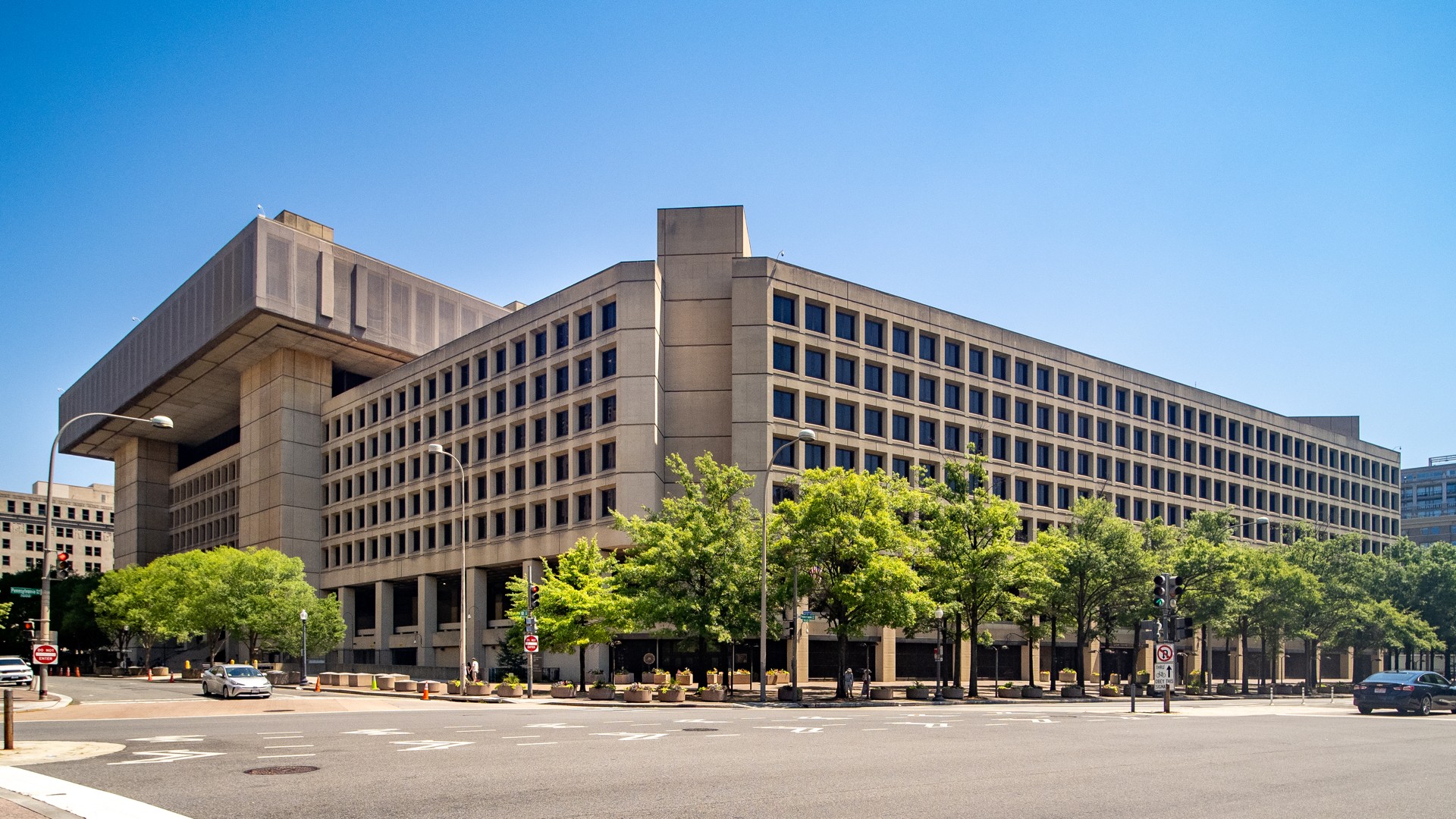
FBI Investigating Suspected Hack of Its Crime Database
The FBI is investigating a suspected hack of the National Crime Information Center, the database police use to check warrants, CNN reported.
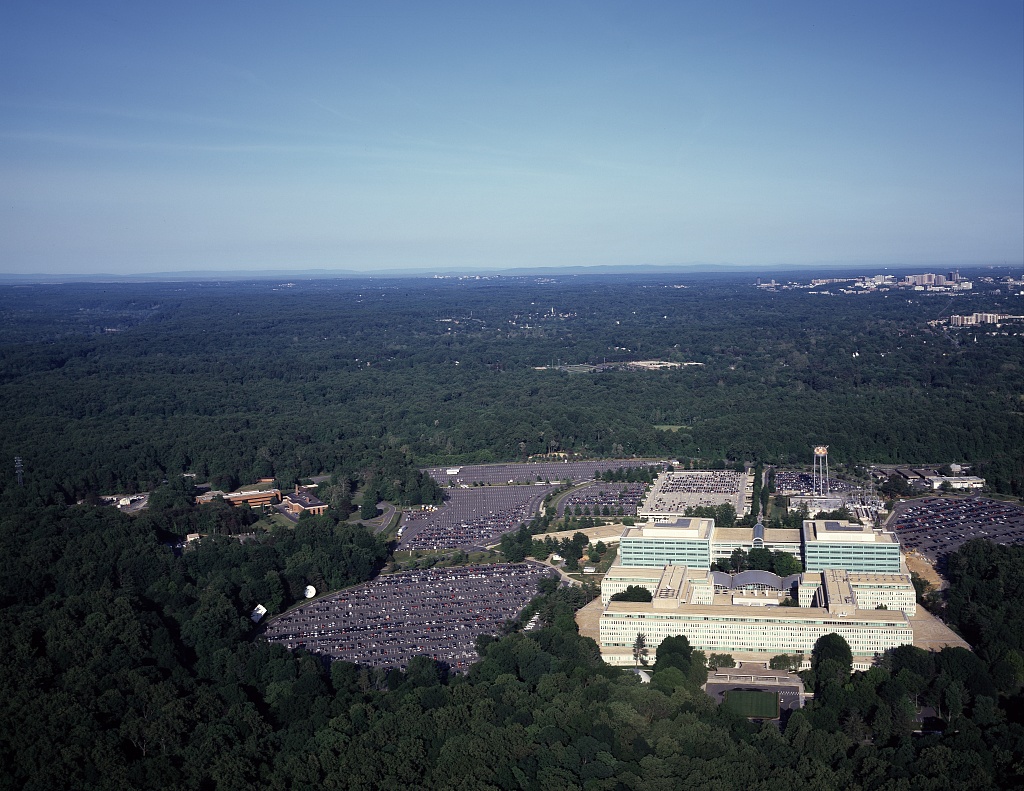
TL;DR — the direct answer: The Central Intelligence Agency and the Office of the Director of National Intelligence recently discovered a cybersecurity breach that exposed some of their unclassified information, the New York Times reported on Tuesday, 24 November 2026, citing American officials and other people familiar with the matter. The intrusion hit a network used to draw intelligence insights from public, unclassified material, the kind of work known as open-source intelligence, and the National Geospatial-Intelligence Agency was affected at the same time. Officials stressed that no classified information was compromised and that there was no disruption to critical capabilities or classified systems. The CIA declined to comment. It is not clear what specific information was taken, who carried out the intrusion, or whether the breach has been fully resolved: one source told the Associated Press it had been resolved, while CNN reported it was not immediately clear. Early indications suggest the hack may have originated in China, possibly using an AI-powered hacking tool known as ARTEX, though it is not clear whether the Chinese government was involved.
What happened: The New York Times first reported the intrusion on Tuesday, citing United States officials and other people familiar with the matter. The CIA and the Office of the Director of National Intelligence, known as ODNI, had recently discovered that a cybersecurity breach had exposed some of their unclassified information. The affected system was a network that looks for intelligence insights in public, unclassified material, drawing on news reports, social media content, satellite imagery and data bought from commercial vendors. The Times also reported that the National Geospatial-Intelligence Agency, the Pentagon agency that analyses satellite imagery, was affected at the same time, and that information held by other government agencies was also believed to have been exposed. What was actually taken is not known. The Times said it was not clear specifically what unclassified material was compromised, and neither the CIA nor ODNI has publicly identified the attackers, explained how they gained access, or disclosed the precise information affected. Asked about the report, ODNI said there had been no disruptions to critical capabilities or classified systems. The CIA declined to comment, and ODNI did not immediately return a request for comment from some outlets. A person familiar with the incident told the Associated Press that the disruption had been resolved and did not involve classified information, but CNN reported that it was not immediately clear when the hack occurred or whether it has been resolved.
Why it's trending: A hack inside the CIA is the kind of story that would alarm Washington at any time, and this one lands in a season of embarrassment for American government technology. The breach is the latest in a string of cybersecurity incidents and technology outages that have rattled the United States government and the private sector, including a three-day disruption to the National Security Agency's classified communications network, which officials attributed to software patching rather than malicious activity, and a nationwide ground stop at the Federal Aviation Administration. Only days earlier, a cyberattack on vendors had disrupted online banking at major American banks including Chase and Wells Fargo, and the FBI has been investigating a hack of its national crime database. Each incident on its own might be written off as bad luck or routine failure, but taken together they have raised concerns among current and former intelligence officials about the resilience of the systems the government depends on, and about whether the agencies charged with protecting them have the staff and the leadership to do so after a year of cuts and turnover. The fact that the target was an open-source intelligence system makes the story stranger rather than smaller: the network's whole purpose is to sift through material that is already public, so the breach raises questions about what an attacker gains from breaking into a system that reads the news. The answer may be the analysis itself, the sources and methods behind it, or simply the demonstration that even the agencies charged with spying on others can be spied on. The possible China connection adds a geopolitical edge. Early indications suggest the hack may have originated in China, two sources told CNN, though it was not immediately clear whether the Chinese government was involved, and some of the Times' sources pointed to ARTEX, a Chinese-built AI hacking tool, as the attackers' apparent weapon. If that attribution holds, the breach would become part of a much larger contest over cyber espionage between Washington and Beijing.
Background / context: Open-source intelligence, known as OSINT, has become one of the fastest-growing parts of American spycraft. It is analysis built on information that can be legally obtained without classified access: news reports, social media posts, satellite images, shipping records and data bought from commercial brokers. ODNI, which coordinates the work of the nation's 18 intelligence agencies and serves as the president's principal intelligence adviser, has in recent years invested heavily in open-source work, which is often unclassified. The office is now led by Jay Clayton, who was confirmed by the Senate on 28 July 2026 by 51 votes to 47, succeeding Tulsi Gabbard, who stepped down in June. Clayton, a former chairman of the Securities and Exchange Commission, had been the United States Attorney for the Southern District of New York, and his confirmation followed months of turmoil at ODNI, including rounds of staff cuts. The CIA is led by Director John Ratcliffe, confirmed in January 2025. The tool reportedly used in the breach, ARTEX, is an AI system developed by a Chinese cybersecurity engineer known as Autumn-27 that automatically finds and breaks into computer systems. It was designed, in theory, for white-hat hacking, but it has recently become a favourite tool of criminal hackers, according to Nextgov, which first reported its suspected role in the breach. The incident also follows a period of upheaval inside the intelligence community, with staff cuts at ODNI, the removal of the heads of the National Security Agency and the Defense Intelligence Agency, and the ousting of the White House cyber chief, all of which critics say have left American cyber defences thinner at the moment they are being tested.
What we know / what's unconfirmed: Confirmed: the CIA and ODNI discovered a cybersecurity breach that exposed some unclassified information, first reported by the New York Times on Tuesday, 24 November 2026; the intrusion affected a network used to analyse publicly available material for intelligence insights, drawing on social media, news reports, satellite imagery and commercially available data; the National Geospatial-Intelligence Agency was concurrently affected; ODNI said there were no disruptions to critical capabilities or classified systems; the CIA declined to comment; and the affected system supports open-source intelligence work. Two details in the original brief need correcting. First, the brief mentioned only the CIA and ODNI, but the National Geospatial-Intelligence Agency was affected at the same time. Second, the brief described the breach as a single reported event, but sources disagree on whether it is over: a person familiar with the incident told the Associated Press the disruption had been resolved, while CNN reported it was not immediately clear whether it had been resolved, so this article carries both. What remains unconfirmed is almost everything else: the identity of the attackers, how they gained access, exactly what information was taken, and whether information held by other agencies was compromised. Early indications point to China, and some sources point to the ARTEX tool, but neither attribution has been confirmed, and it is not clear whether the Chinese government was involved.
What happens next: The immediate task for the agencies is to establish the scale of the exposure: what was taken, from which systems, and whether any of it can be used against American sources or methods. That investigation is under way, but neither agency has said when it will conclude or what it will disclose. The Times report did not say how the breach occurred, and that gap is likely to be the first thing investigators and lawmakers focus on, since the method of entry determines which other systems may be at risk. Congress is likely to demand answers, and the breach will feed into an already heated debate about the state of American cyber defences after a year of staff cuts, leadership turnover and high-profile outages across the government. If the attribution to China firms up, the incident could also become a diplomatic issue, though Beijing has in the past denied involvement in hacking American government systems, and no government accusation has yet been made. The longer question is structural: the agencies have been pushing more of their work onto unclassified networks so that analysts can use commercial data and AI tools, and this breach shows that those networks, precisely because they sit closer to the public internet, are easier targets than the classified systems behind them. Expect a review of how open-source networks are secured, and expect the agencies to say very little about it in public.
Q: What was hacked at the CIA and ODNI?
A: The intrusion hit an unclassified network used to analyse publicly available material for intelligence insights, the kind of work known as open-source intelligence. The network draws on news reports, social media content, satellite imagery and data bought from commercial vendors. The National Geospatial-Intelligence Agency was affected at the same time, and information held by other government agencies was also believed to have been exposed.
Q: Was any classified information affected?
A: No. Officials stressed that no classified information was compromised. The Office of the Director of National Intelligence said there had been no disruptions to critical capabilities or classified systems, and a person familiar with the incident told the Associated Press the breach did not involve classified information. The CIA declined to comment.
Q: Who is believed to be behind the breach?
A: It is not confirmed. Early indications suggest the hack may have originated in China, two sources told CNN, though it was not immediately clear whether the Chinese government was involved. Some sources cited by the New York Times pointed to ARTEX, a Chinese-built AI hacking tool, as the attackers' apparent weapon. Neither the CIA nor ODNI has publicly identified the attackers.
Q: What is ARTEX?
A: ARTEX is an AI tool developed by a Chinese cybersecurity engineer known as Autumn-27 that automatically finds and breaks into computer systems. It was theoretically intended for white-hat hacking, but it has recently become a favourite tool of criminal hackers, according to Nextgov. The Times' sources suggested ARTEX may have been used in the breach of the CIA and ODNI systems.
Q: Has the breach been fixed?
A: Sources disagree. A person familiar with the incident told the Associated Press that the disruption had been resolved, and the New York Post reported the same. But CNN reported that it was not immediately clear when the hack occurred or whether it has been resolved. Neither the CIA nor ODNI has publicly confirmed that the matter is closed.
Sources: Reuters — US CIA, ODNI suffer cybersecurity breach of some unclassified information, NYT reports, CNN — CIA hit by hack impacting unclassified information, Nextgov — CIA, ODNI unclassified intelligence system hacked, Gizmodo — U.S. Spying Agencies Reportedly Hacked, and New York Post — CIA suffers cybersecurity breach, exposing unclassified information.
The FBI is investigating a suspected hack of the National Crime Information Center, the database police use to check warrants, CNN reported.

JPMorgan, Visa and Mastercard say third-party vendors were hit in a cyberattack, exposing customer names and emails. No payment data was affected.
Sean Cairncross is out as White House national cyber director after outages hit banks, airlines, Microsoft and the NSA, with Kirsten Davies taking over.