World
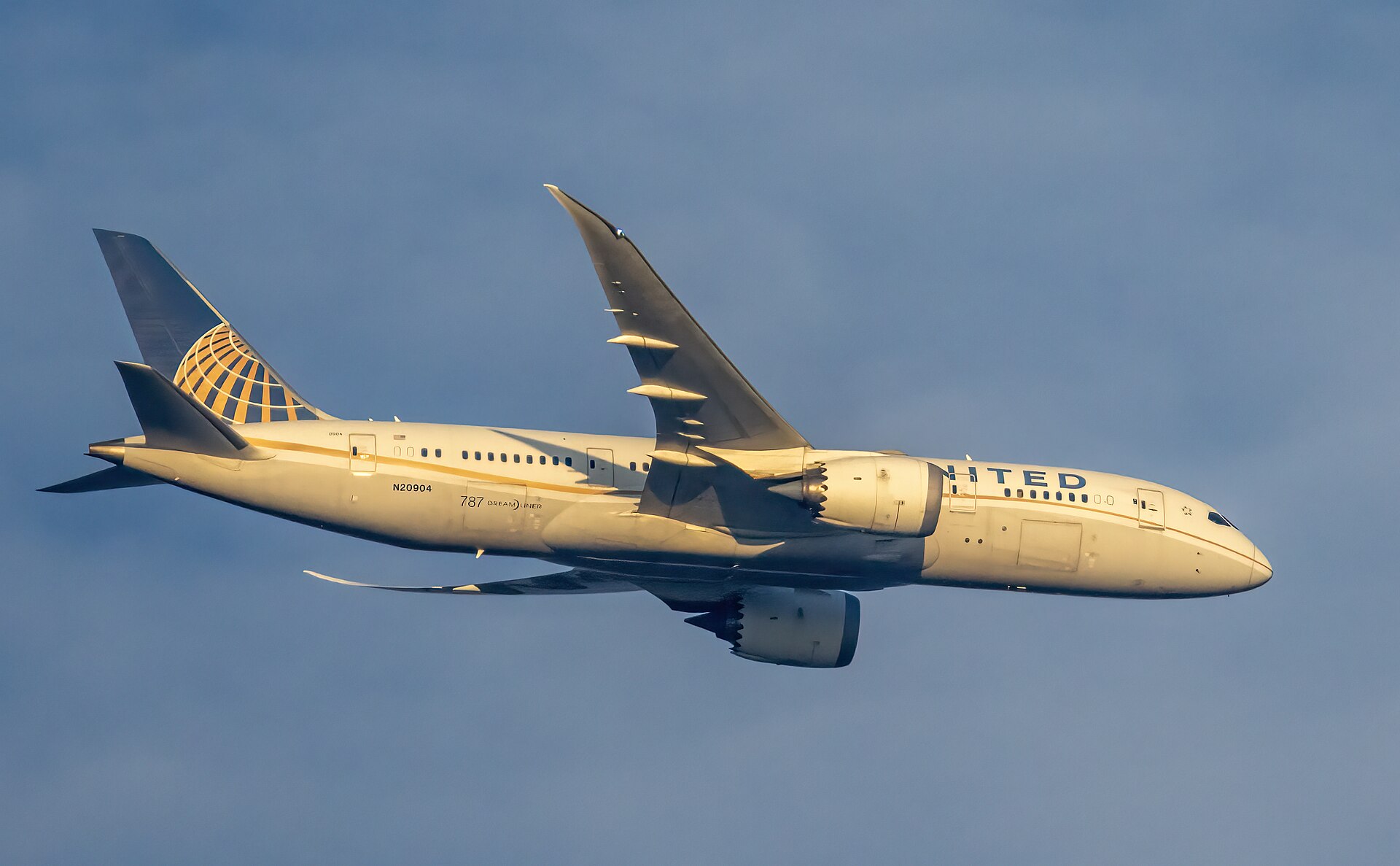
United Airlines Hit by Systemwide Outage Days After FAA Ground Stop
United Airlines resolved a systemwide outage that delayed departures on Monday, days after the FAA ground stop snarled US air travel.
TL;DR — the direct answer: National Cyber Director Sean Cairncross is leaving his White House role after a week of widespread technology failures across the United States, with Kirsten Davies, the Pentagon's chief information officer, taking over in an acting capacity. Axios first reported the departure on Thursday, 19 November. A source close to the White House told CNN and Reuters that President Donald Trump fully supported firing Cairncross because he lacked the strong cyber credentials to perform the job, though another account says he left on amicable terms because he did not want to serve another two years. Cairncross had held the post since August 2025. The shake-up follows a Federal Aviation Administration outage that triggered a nearly five-hour nationwide ground stop and grounded more than 18,000 flights, outages at major banks including Chase, disruption at United Airlines and across Microsoft's services, and an outage on the National Security Agency's internal network. Administration officials insist the failures were caused by software patches and maintenance, not hackers.
What happened: The news broke on Thursday, 19 November, when Axios first reported that Cairncross was leaving, and the White House then confirmed it. A source close to the White House told CNN that Trump fully supported firing Cairncross from his position as he lacked the strong cyber credentials to perform the job, and a White House official separately confirmed to CNN that Cairncross is leaving the administration. Kirsten Davies, the Senate-confirmed chief information officer at the Defense Department, will take over the role in an acting capacity, and she posted on X on Thursday night that she is honoured to serve. Secretary of State Marco Rubio congratulated her on X, writing that he looked forward to working together to strengthen America's cybersecurity. The White House did not say when Cairncross's last day will be, and the Senate will have to confirm whoever fills the role permanently. Cairncross took office on 4 August 2025, following Senate confirmation, after previously serving as chief executive of the Millennium Challenge Corporation.
Why it's trending: The cyber director is the official who coordinates cybersecurity policy and strategy across the whole federal government, so losing that person in the middle of a week when the country's technology kept breaking is, on its own, a big story. The list of failures is long: a 13 November FAA outage that triggered a nearly five-hour nationwide ground stop and thousands of flight cancellations after contractor work on air traffic control wiring overloaded the system; outages that froze accounts at some of the country's leading banks, including Chase; disruption at United Airlines; a Microsoft 365 outage that affected hundreds of millions of users; and problems at Apple, Marriott, the National Weather Service and the NSA's internal classified network. The Wall Street Journal reported that the departure also comes as the administration responds to a wave of cyber threats posed by what is believed to be new artificial-intelligence models. Democrats, who take control of Congress in January, have said the administration has been slow to explain the outages and too deferential to tech companies, and the same day brought a second cyber headache: Palantir security executive Michael LoSapio, Trump's pick to lead the Cybersecurity and Infrastructure Security Agency, was grilled by senators at his confirmation hearing about proposed budget and staff cuts.
Background / context: The Office of the National Cyber Director was created to give the White House a single coordinator for cyber policy, working alongside the Cybersecurity and Infrastructure Security Agency, which defends civilian federal networks and critical infrastructure, and the intelligence agencies. Cairncross is the latest top cyber official to leave the administration, and his exit leaves another leadership opening in the cybersecurity team while the CISA directorship is still unfilled. The administration's public line on the outages has been consistent: Secretary of State Marco Rubio said earlier in the week in Manila that there is zero evidence hackers, criminals or foreign governments were behind the failures, or that the incidents are connected, and Director of National Intelligence Jay Clayton said the outages appeared linked to routine software patches and system upgrades rather than a coordinated cyberattack. Senior administration officials told Congress on Wednesday that the disruptions were tied to maintenance and security updates. Trump himself has downplayed the situation, telling Americans to relax.
What we know / what's unconfirmed: Confirmed: Cairncross is leaving the role he has held since August 2025; Davies, the Pentagon's chief information officer, takes over in an acting capacity; Axios first reported the departure; Rubio congratulated Davies publicly; the FAA ground stop on 13 November lasted nearly five hours and grounded more than 18,000 flights; and the outages hit banks, airlines, Microsoft services, Apple, Marriott, the National Weather Service and the NSA's internal network. One central fact is reported two ways and needs flagging. CNN, Fox News, the Hindu and Nextgov all describe a firing backed by Trump over Cairncross's credentials, while the Times, citing Axios, reports that he left on amicable terms because he did not want to serve another two years in a role that requires Senate confirmation, and Fox also carries an administration official saying he did not want to serve another two years. The two accounts are not necessarily contradictory — a departure can be both unwanted and mutually agreed — but no single official version has been given. Unconfirmed: whether the departure is related to the outages at all, which USA Today notes is unclear, and when Cairncross's last day will be. The administration's claim that patches, not attackers, caused the failures is the official explanation, not an independently verified finding.
What happens next: Davies steps in as acting director, joining a national security and cyber leadership team that includes Director of National Intelligence Jay Clayton, White House technology adviser Michael Kratsios and Rubio, but the permanent job will need a Senate-confirmed nominee, and the Senate will have to confirm whoever is picked. The LoSapio confirmation for CISA is already facing roadblocks, so the administration's cyber bench could stay thin for some time. The political pressure will only grow: Democrats take control of Congress in January and have already promised tougher scrutiny of the outage response, and the next failure, if there is one, will land on Davies's desk rather than Cairncross's. The open question is whether the shake-up changes anything about how the government responds the next time the country's systems go down, or whether it was simply a change of personnel after a bad week.
Q: Who is Sean Cairncross and how long was he cyber director?
A: Sean Cairncross was the White House National Cyber Director, coordinating cybersecurity policy across the federal government. He took office on 4 August 2025 after Senate confirmation, having previously served as chief executive of the Millennium Challenge Corporation, and left the role on 19 November 2026.
Q: Why was Cairncross removed?
A: A source close to the White House said President Trump fully supported firing him because he lacked the strong cyber credentials for the job. Another account, via Axios, says he left on amicable terms because he did not want to serve another two years. No single official version has been given, and it is unclear whether the departure is linked to the outages.
Q: Who is Kirsten Davies?
A: Kirsten Davies is the Senate-confirmed chief information officer at the Defense Department. She takes over as National Cyber Director in an acting capacity, and Secretary of State Marco Rubio publicly congratulated her on the appointment on Thursday night.
Q: What outages happened in the past week?
A: A 13 November FAA outage caused a nearly five-hour nationwide ground stop that grounded more than 18,000 flights, and outages hit major banks including Chase, United Airlines, Microsoft 365 services used by hundreds of millions of people, Apple, Marriott, the National Weather Service and the NSA's internal classified network.
Q: Were the outages caused by hackers?
A: Administration officials say no. Secretary of State Marco Rubio said there is zero evidence that hackers, criminals or foreign governments were behind the failures, and officials told Congress the disruptions were tied to maintenance and security updates. That is the official explanation, not an independently verified finding.
Sources: CNN — White House national cyber director being replaced as nation reels from tech outages, USA Today — White House taps Pentagon official as new cyber director after tech outages, and The Hindu — White House fires cybersecurity chief after widespread outages.
United Airlines resolved a systemwide outage that delayed departures on Monday, days after the FAA ground stop snarled US air travel.

Chase says a software bug slowed transactions at big US banks on Monday, with customers reporting problems at Chase, Wells Fargo and Bank of America.

Microsoft says Microsoft 365 is fully restored after a 38-hour outage hit Outlook, Teams and Copilot in 70-plus countries, and rules out a cyberattack.