
World
CIA and US Intelligence Chief's Office Hit by Cyber Breach, NYT Reports
The CIA and the Office of the Director of National Intelligence suffered a cyber breach that exposed unclassified data, the New York Times reported.
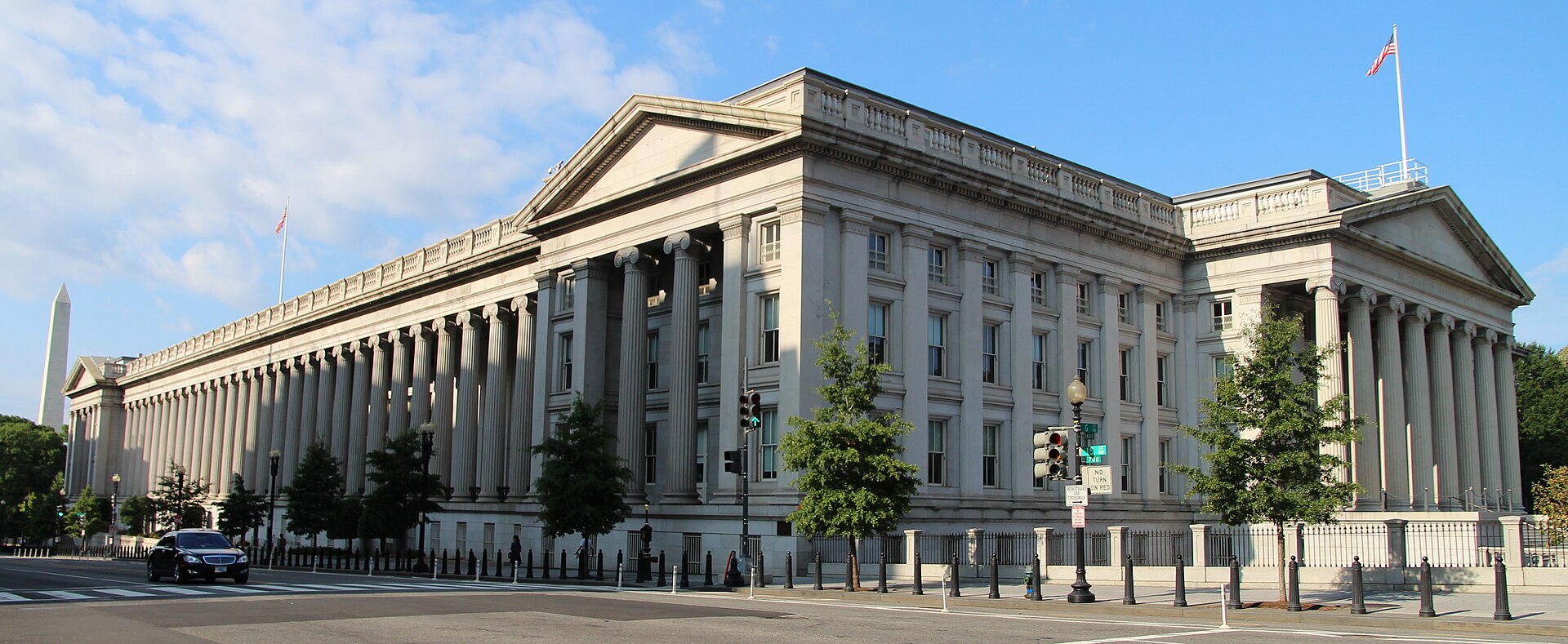
TL;DR — the direct answer: The United States Treasury Department's Financial Crimes Enforcement Network, known as FinCEN, has confirmed that an intruder gained unauthorised access to a limited subset of its systems, and has taken some of those systems offline as a precaution while it investigates. FinCEN disclosed the incident on Tuesday evening, saying in a notice on its Bank Secrecy Act E-Filing website that some services could be temporarily unavailable, though the filing website itself remains operational. The bureau, which collects and analyses the suspicious activity reports that banks file to help fight money laundering and terrorist financing, is working with the FBI, the Cybersecurity and Infrastructure Security Agency and outside forensic specialists to establish what the intruder reached. Officials have found no evidence that the Bank Secrecy Act database or the beneficial ownership registers were compromised. As a result of the disruption, FinCEN extended filing deadlines to 30 December for reports that were due between 18 November and 29 December, and told institutions that urgently need to report suspicious activity to use its telephone hotline instead. The incident is the latest in a run of cyberattacks and outages hitting American government agencies, following a breach at the CIA and the Office of the Director of National Intelligence reported on Monday and a hack of the FBI's national crime database earlier in November.
What happened: FinCEN disclosed the incident on Tuesday evening, in a notice posted to its Bank Secrecy Act E-Filing System website. The bureau said it had discovered unauthorised access to a limited subset of its systems, and that, as a proactive measure, it had taken some systems offline while it investigates. The notice said the E-Filing website remained operational, though some services could be temporarily unavailable, a careful formulation that left open how much of the filing system was actually working. The Verge first reported the breach, and FinCEN then confirmed it in its own notice. The bureau has not named the systems that were accessed, or the ones it took offline, and it has not said how the intruder got in, how long the access lasted, or who was responsible. No group has publicly claimed the intrusion. The agency is coordinating with the Federal Bureau of Investigation, the Cybersecurity and Infrastructure Security Agency, known as CISA, and outside forensic specialists to map the scope of the breach and evaluate any operational impact, according to a senior FinCEN official. In response to the disruption, FinCEN issued a relief order on Monday, 24 November, numbered FIN-2026-R002, giving qualifying financial institutions more time to submit reports. Institutions that used FinCEN's automated submission channel, known as Secure Data Transfer Mode, as of 18 November now have until 30 December to file reports that were otherwise due between 18 November and 29 December, and the same extension applies to companies required to file beneficial ownership information reports during the covered window and to individuals required to update a FinCEN Identifier. All other Bank Secrecy Act obligations stay in force, including the duty to monitor for suspicious transactions, and the bureau says urgent suspicious activity information can still reach law enforcement through its Financial Institutions Hotline, on 1-866-556-3974, which was not affected by the disruption.
Why it's trending: FinCEN is not a household name, but what it holds makes it one of the most sensitive targets in the American government. The bureau collects suspicious activity reports and other Bank Secrecy Act filings from banks and financial institutions across the country, and analyses them to fight money laundering, terrorist financing and other financial crime. Those filings contain some of the most confidential material in the financial system: the names of people and companies suspected of wrongdoing, the details of their transactions, and the reasoning of the banks that flagged them. An intruder inside that system could learn who is under suspicion, which transactions have been flagged, and how the government builds its cases, which is why the question of what was taken matters far more than the question of which systems were switched off. The incident also lands in the middle of an extraordinary week for American government cybersecurity. On Monday, the New York Times reported a breach at the CIA and the Office of the Director of National Intelligence that exposed unclassified information, and earlier in November the FBI's National Crime Information Center database was hacked, the second cyberattack on the agency's systems since September. Only days earlier, a cyberattack on vendors had disrupted online banking at major American banks including Chase and Wells Fargo, and the National Security Agency suffered a three-day disruption to its classified communications network. Each incident has its own cause, and officials have pushed back on the idea of a coordinated campaign, saying some of the outages happened because organisations were rushing to fix software bugs, but taken together they have raised serious questions about the resilience of the systems the government depends on. The FinCEN breach is the latest, and in some ways the most worrying, because of what the bureau holds.
Background / context: FinCEN's troubles did not begin with Tuesday's disclosure. Filing providers had reported failures in automated batch submissions through the Secure Data Transfer Mode channel beginning on 18 November, a week before the incident was disclosed, and the bureau posted a notice about the disruption to that channel late last week, according to a filing outages report by the markets news site The Deep Dive. The bureau has not said whether the intrusion caused those outages, and the timing raises the possibility that the attackers were inside the network for days before the breach was confirmed, or that the filing failures and the intrusion are separate problems that happened to coincide. The bureau's history makes the stakes clear. In December 2024, a China-linked group used a compromised BeyondTrust API key in an earlier Treasury breach that reached department systems and unclassified documents, and Treasury has not publicly linked that earlier breach to the FinCEN incident. Separately, on the same day as the FinCEN disclosure, security researchers at Intruder Systems reported that they had found 28 potential takeovers of Amazon Web Services Elastic IP addresses involving government domains, including five Treasury subdomains, which they said could be exploited for convincing government phishing attacks and credential theft. That finding is separate from the FinCEN intrusion, and Treasury has not linked the two, but it underlines how many different ways into government systems are being probed at the same time. The incident also follows a meeting on Monday at which the heads of several of the country's biggest banks, including Citigroup, Bank of America, Wells Fargo, JPMorgan and Goldman Sachs, met Treasury Secretary Scott Bessent, according to people familiar with the matter, a meeting that took place as the filing disruption was already under way.
What we know / what's unconfirmed: Confirmed: FinCEN confirmed unauthorised access to a limited subset of its systems and has taken some systems offline as a proactive measure; the Bank Secrecy Act E-Filing website remains operational, though some services may be temporarily unavailable; the bureau is working with the FBI, CISA and outside forensic specialists; a FinCEN official told Reuters that investigators had found no evidence of a breach of the Bank Secrecy Act database or the beneficial ownership registers; under relief order FIN-2026-R002, issued on 24 November, filing deadlines were extended to 30 December 2026 for reports due between 18 November and 29 December for institutions using Secure Data Transfer Mode as of 18 November, as well as for beneficial ownership reports and FinCEN Identifier updates; the Financial Institutions Hotline, on 1-866-556-3974, remains available; and filing providers reported failures in automated batch submissions beginning on 18 November. Two details in the original brief need correcting. First, the brief called the incident a suspected cyber attack: FinCEN has confirmed that unauthorised access took place, and what is unconfirmed is what the intruder saw or took, how they got in, and who was responsible. Second, the timing of the disclosure is dated differently by different outlets: Nextgov and The Hacker News say FinCEN disclosed the incident on Tuesday evening, 24 November, while some outlets date the announcement to 25 November; this article uses Tuesday evening. What remains unconfirmed is almost everything about the intrusion itself: how the attacker gained access, how long the access lasted, whether any data was viewed or taken, and who was responsible. No group has claimed the intrusion, and the bureau has not named the systems that were accessed or those it took offline, nor given a date for full restoration of normal operations.
What happens next: The immediate task for FinCEN is forensic: establishing what the intruder reached, whether any data was viewed or taken, and how they got in, with the FBI, CISA and outside specialists working through the bureau's systems. That investigation is under way, but the bureau has not said when it will conclude or what it will disclose, and the finding that the Bank Secrecy Act and beneficial ownership databases show no evidence of a breach is explicitly limited to those databases and reflects what investigators knew while the review was still in progress. For the financial institutions that file with FinCEN, the practical question is the deadline: reports that were due between 18 November and 29 December can now be submitted until 30 December, but only for institutions that used the automated Secure Data Transfer Mode channel as of 18 November, along with the beneficial ownership and FinCEN Identifier cases covered by the relief order, and all other obligations, including the duty to monitor for suspicious transactions, remain in force. Institutions that need to get suspicious activity information to law enforcement quickly are being told to call the hotline. The wider question is whether the incident will be attributed, and to whom. No group has claimed responsibility, and Treasury has not pointed at any country, but the breach follows the CIA and ODNI intrusion, which early indications suggest may have originated in China, and the December 2024 Treasury breach, which was linked to a China-linked group, so any attribution will be watched closely. Congress is also likely to demand answers, and the incident will feed into the debate about the state of American cyber defences after a year of staff cuts, leadership turnover and high-profile outages across the government.
Q: What happened at FinCEN?
A: The Treasury Department's Financial Crimes Enforcement Network confirmed that an intruder gained unauthorised access to a limited subset of its systems. FinCEN disclosed the incident on Tuesday evening and has taken some systems offline as a precaution while it investigates with the FBI, the Cybersecurity and Infrastructure Security Agency and outside forensic specialists. Its Bank Secrecy Act E-Filing website remains operational, though some services may be temporarily unavailable.
Q: What is FinCEN, and why does this matter?
A: FinCEN is the Treasury bureau that collects and analyses suspicious activity reports and other Bank Secrecy Act filings from banks and financial institutions, to fight money laundering, terrorist financing and other financial crime. Those filings contain highly sensitive material about who is suspected of wrongdoing and which transactions have been flagged, so an intruder inside the system could learn how the government builds its cases.
Q: Were FinCEN's main databases breached?
A: Investigators have found no evidence of a breach of the Bank Secrecy Act database or the beneficial ownership registers, according to a FinCEN official who spoke to Reuters. That finding is limited to those databases and reflects what investigators knew while the review was still under way. FinCEN has not said what the intruder did access, or whether any data was viewed or taken.
Q: What filing deadlines were extended?
A: Under relief order FIN-2026-R002, issued on 24 November, reports that were due between 18 November and 29 December can now be submitted until 30 December 2026. The extension covers financial institutions that used the automated Secure Data Transfer Mode channel as of 18 November, companies required to file beneficial ownership information reports in the window, and individuals required to update a FinCEN Identifier. All other obligations, including monitoring for suspicious transactions, remain in force.
Q: Who is believed to be behind the intrusion?
A: Nobody knows yet, and no group has publicly claimed the intrusion. FinCEN has not said how the intruder got in, how long the access lasted, or who was responsible. The incident follows a breach at the CIA and the Office of the Director of National Intelligence reported on Monday, and an earlier Treasury breach in December 2024 that was linked to a China-linked group, but Treasury has not publicly linked the FinCEN incident to either of them.
Sources: Nextgov — Treasury's financial crimes bureau takes systems offline after hack, The Hacker News — U.S. Treasury's Financial Crimes Agency Takes Some Systems Offline After Cyber Intrusion, Times Now — US Treasury's Financial Crime Watchdog FinCEN Hit by Suspected Cyber Attack, Security Boulevard — Treasury's FinCEN Unit Shuts Down Systems Due to Cybersecurity Incident, and Cyber Security News — U.S. Treasury's FinCEN Confirms Cyberattack, Takes Systems Offline After Unauthorized Access.
The CIA and the Office of the Director of National Intelligence suffered a cyber breach that exposed unclassified data, the New York Times reported.
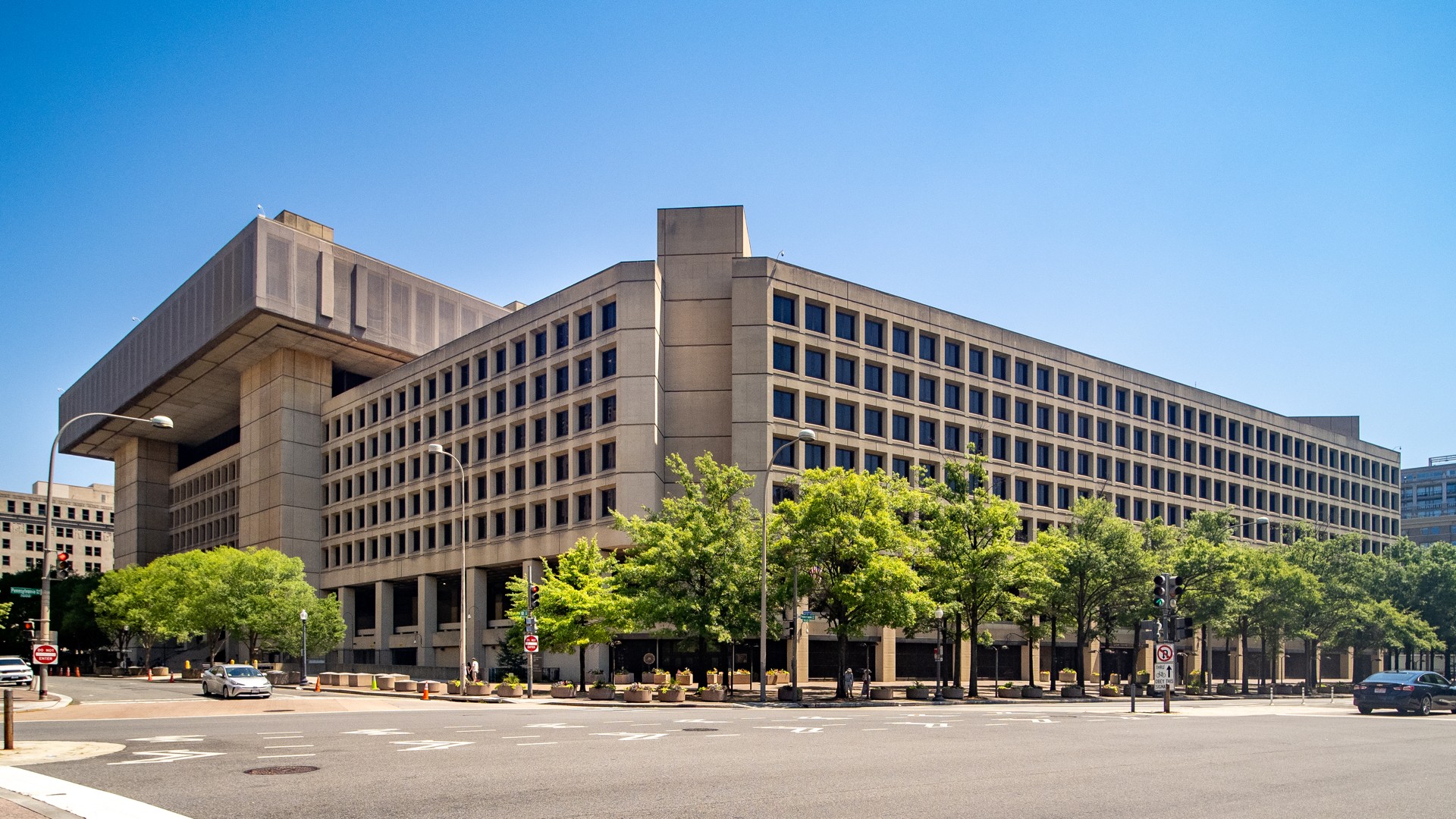
The FBI is investigating a suspected hack of the National Crime Information Center, the database police use to check warrants, CNN reported.

JPMorgan, Visa and Mastercard say third-party vendors were hit in a cyberattack, exposing customer names and emails. No payment data was affected.