
World
Black Friday: Cautious Shoppers, High Costs
Holiday spending is forecast to rise 4 to 6 percent, but inflation is doing most of the lifting as cautious shoppers hunt for value on Black Friday.
Drafted with the help of AI tools and reviewed by our editor. Read our editorial policy.
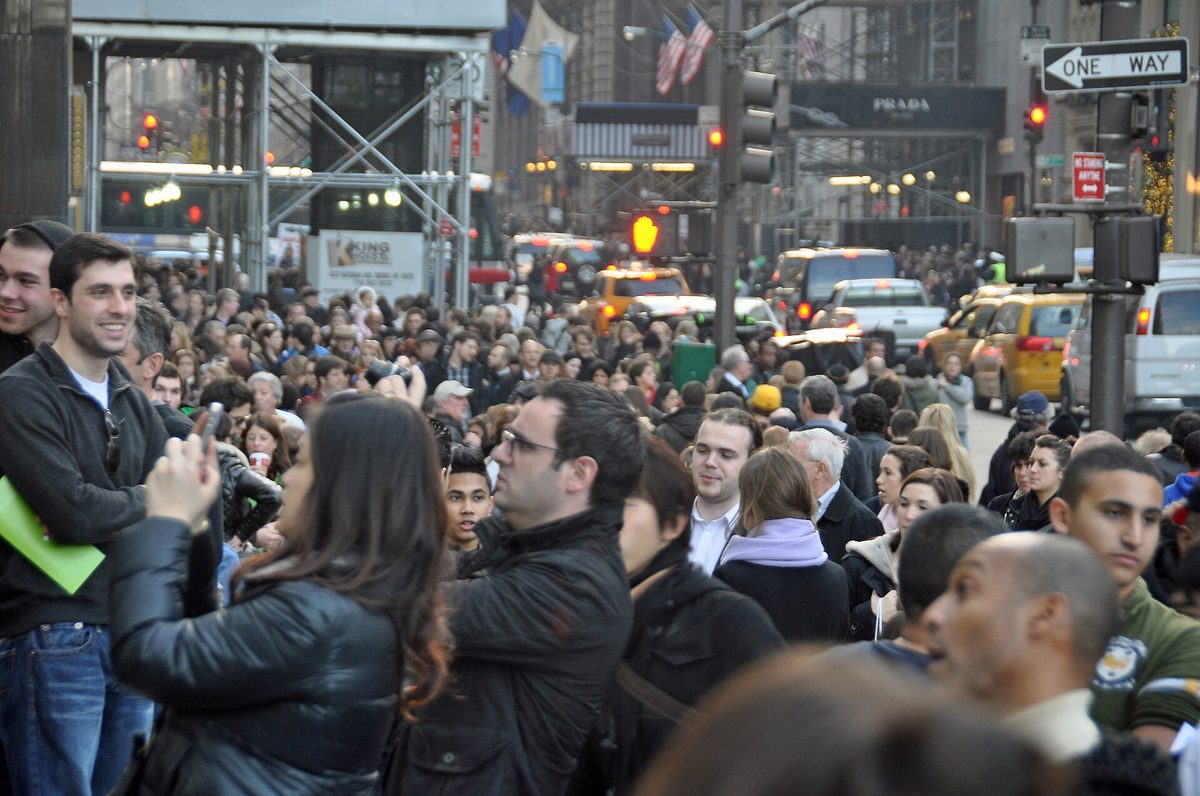
TL;DR — the direct answer: American shoppers spent a record 13.1 billion dollars online on Black Friday, beating forecasts and showing that inflation and high prices have not stopped the holiday rush. Adobe Analytics said online spending rose 11.1 percent on last year, ahead of its own forecast of about 12.9 billion dollars, as retailers offered deep discounts on electronics, toys, apparel and appliances. Shoppers spent roughly 14 million dollars a minute online at the peak, between 10 a.m. and 2 p.m. on Friday, and gaming and electronics led the spending, with shoppers also stocking up on everyday essentials. The strong day sets up Cyber Monday, which Adobe expects to reach 15.1 billion dollars, up 6.2 percent on last year, in what would be the biggest online shopping day of the year. The five-day Thanksgiving shopping period is expected to generate 47.5 billion dollars in online spending, up 7.4 percent. The numbers are a clear break from the cautious mood of a year ago, and from the wary shoppers of just last week, when our own earlier report found households holding back and hunting for deals. This time the deals arrived, and shoppers took them.
| Metric / Date | Key Detail | Source |
|---|---|---|
| 13.1 billion dollars | US online spending on Black Friday 2026, up 11.1 percent year on year | Reuters |
| 12.9 billion dollars | Adobe's forecast for the day, beaten by about 200 million dollars | Reuters |
| 15.1 billion dollars | Adobe's Cyber Monday forecast, up 6.2 percent and a record for a single day | MoneyControl |
| 47.5 billion dollars | Expected five-day Thanksgiving period online total, up 7.4 percent on last year | TradingView |
| 14 million dollars | Online spending per minute at peak hours, 10 a.m. to 2 p.m. on Friday | TradingView |
US shoppers spent a total of 13.1 billion dollars online on Black Friday, setting a new record for the day. The figures come from Adobe Analytics, which tracks online transactions across major US retailers, and were published on Saturday 28 November. Spending rose 11.1 percent on last year, and the total edged past Adobe's initial forecast of about 12.9 billion dollars. Shoppers splurged on electronics and toys, snapped up AI-powered gadgets, and stocked up on essentials as inflation weighed on household budgets. At the peak, between 10 a.m. and 2 p.m. on Friday, Americans spent roughly 14 million dollars a minute online. Gaming and electronics led the categories, and retailers drove the day with discounts of 25 to 40 percent on apparel and appliances. The surge was not only about big ticket items. Online sales of essentials such as personal hygiene products, clothing basics and baby products rose 306 percent, 503 percent and 213 percent respectively against their average sales levels in October 2026, a sign that shoppers used the sales to buy things they need as well as things they want. Black Friday also grew faster than Cyber Monday is expected to, which is unusual: the Friday rush normally trails the Monday peak. The strong result came despite a holiday season shaped by inflation, high gas prices and bad weather in parts of the country, and despite shoppers telling surveys they planned to be careful. The deals, it seems, were good enough to change their minds.
The number is trending because it settles the big question hanging over this holiday season: are American consumers still spending, or has inflation finally caught up with them. The run-up to Black Friday was full of warnings. Prices are high, gas is expensive, and surveys showed households planning to shop carefully, compare prices and wait for the best deals. Our own report last week found cautious shoppers and retailers leaning on discounts to win them over. The final numbers tell a different story, or at least a more complicated one. Shoppers did compare prices carefully, and they did lean on AI tools to do it: AI-driven traffic to retail sites doubled year on year, and AI-driven price comparison traffic rose 163 percent on Thanksgiving. But they also spent freely once they found a deal they liked. The 13.1 billion in online sales is a record for Black Friday, and the 11.1 percent growth rate is strong by any standard. It also matters because of what it says about the shape of shopping now. The day is no longer just about crowds at the mall door at dawn. It is an online event first, measured in dollars per minute, driven by phones, and shaped by algorithms that compare prices across stores in seconds. Buy now, pay later played a part too, and is expected to contribute 1.09 billion dollars in online spending on Cyber Monday, up 5.3 percent on a year ago. That is a reminder that some of the spending is borrowed, and the bills arrive in January. For retailers, though, the headline is simple: the biggest shopping day of the year got bigger, and the customer showed up. The numbers also land in a political context. The holiday season is the moment when the health of the consumer economy is easiest to read, and every year the Black Friday total is quoted in Washington as a rough gauge of how households feel. A record total with strong growth is the kind of figure that gets cited as proof the economy is holding up, while a weak one would have been read as a warning. The detail underneath the headline matters more than the headline itself. Shoppers did not simply spend more; they spent differently, using AI to compare prices, buying essentials on sale, and spreading purchases across the weekend. The 163 percent rise in AI-driven price comparison traffic on Thanksgiving is a small number with a large meaning: the shopper with a phone can now check every price in seconds, and the retailer that overcharges loses the sale before the customer reaches the checkout. That is a permanent change in how the holiday works, and the record total is partly a measure of it.
Black Friday and Cyber Monday bookend one of the retail sector's busiest periods of the year, the five-day stretch from Thanksgiving through the Monday after. Adobe expects the five days to generate 47.5 billion dollars in online spending this year, up 7.4 percent, making up 17.3 percent of all online spending projected for the whole holiday season. The season matters more than ever to retailers because the rest of the year has been choppy. The Dow Jones Industrial Average fell 561 points in a single session earlier this month, part of a rough run for stocks, and consumer confidence has been mixed, with households squeezed by prices even as jobs have held up. That is why the run-up to Black Friday was so closely watched. Adobe's own forecasts, published in September, put Black Friday at about 12.9 billion dollars, implying growth of about 9.2 percent, and Cyber Monday at 15.1 billion. The Friday number beat the forecast, and the Monday forecast would make it the first day ever to pass 15 billion dollars in US online sales. The shape of the weekend also reflects how shopping has changed. Adobe forecast 6.1 billion dollars in online sales on Saturday and 6.4 billion on Sunday, steady days that used to be quiet, as shoppers spread their spending across the whole weekend rather than cramming it into one morning. Discounts have also spread: the deep cuts that used to be reserved for Friday now run for days, and the AI tools that compare prices have made it harder for any single retailer to hold a price that is far above the market. The result is a holiday season that is more competitive, more online, and more price-sensitive than the one a decade ago, and the record Black Friday total is the clearest sign yet of that shift. The weekend also showed how far online shopping has come. A decade ago Black Friday meant queues outside stores in the cold; this year the queues were digital, the doors opened at midnight, and the busiest hour was the middle of the morning, when shoppers on their phones spent 14 million dollars a minute. The shift has not killed the high street, but it has changed what the day means, and the record total is a measure of that change as much as of the economy.
Confirmed: US online spending reached 13.1 billion dollars on Black Friday, up 11.1 percent year on year, according to Adobe Analytics, beating Adobe's forecast of about 12.9 billion dollars; shoppers spent roughly 14 million dollars a minute at the peak between 10 a.m. and 2 p.m.; gaming and electronics led spending, with toys, apparel and appliances also strong; online sales of personal hygiene products, clothing basics and baby products rose 306, 503 and 213 percent against October averages; Adobe expects Cyber Monday online spending of 15.1 billion dollars, up 6.2 percent, and a five-day Thanksgiving period total of 47.5 billion dollars, up 7.4 percent; buy now, pay later is expected to contribute 1.09 billion dollars on Cyber Monday, up 5.3 percent; and AI-driven traffic to retail sites doubled year on year. One figure needs flagging: Reuters reports the growth rate as 11.1 percent, while several outlets round it to 11 percent, and this article uses 11.1 percent. What is unconfirmed is how much of the record is real growth and how much is inflation. Adobe's figures are in dollars spent, not items bought, so a higher total can reflect higher prices as well as more shopping, and Adobe does not break out how much of the 11.1 percent rise came from each. It is also unconfirmed how the rest of the weekend landed: Adobe's Saturday and Sunday forecasts of 6.1 and 6.4 billion dollars are estimates, and the final five-day total will only be known once Cyber Monday closes. The Cyber Monday figure of 15.1 billion dollars is itself a forecast, not a result, and it depends on shoppers showing up again on Monday after a heavy weekend. Finally, the in-store numbers are a separate story: Adobe tracks online sales, and the full picture of Black Friday, including what happened at physical stores, will come from other data in the days ahead.
The result will also feed the debate over the return on AI investment, with retailers using AI to target discounts and shoppers using it to compare prices. All eyes now turn to Cyber Monday, on 30 November. Adobe expects it to be the biggest online shopping day of the year, and of the entire holiday season, with 15.1 billion dollars in online spending, up 6.2 percent on last year. If that forecast holds, it will be the first day ever to pass 15 billion dollars, and it will confirm that the record Black Friday was not a one-off but the start of a strong Cyber Week. Retailers will be watching two things on Monday: whether the discounts hold up, and whether shoppers keep spending after a weekend in which many of them already bought the big items on their lists. Buy now, pay later will be a number to watch, with 1.09 billion dollars expected on Monday, and the January bills that follow will show how much of the weekend's spending was borrowed. Beyond Monday, the season runs through December, and the five-day total of 47.5 billion dollars is expected to make up 17.3 percent of all online holiday spending. The longer question is what the record means for the economy. A strong holiday season would suggest consumers are more resilient than the surveys suggested, and that the deals did their job. A weak December would suggest Black Friday borrowed spending from later in the month, and that households front-loaded their shopping to catch the discounts. Either way, the next hard numbers come on Monday night, when Adobe publishes the Cyber Monday total, and that will be the number that decides whether this holiday season is a record breaker or just a very good Friday. Retailers will also be counting what the weekend cost them. Discounts of 25 to 40 percent on apparel and appliances drive sales, but they squeeze margins, and a record in dollars spent is not the same as a record in profit. The chains that report earnings in the coming weeks will show whether the volume made up for the price cuts, and whether the heavy use of buy now, pay later stored up trouble for January. For shoppers, the advice is the same every year: the best deals are behind them, and the prices that remain will climb as Christmas approaches. The five-day total of 47.5 billion dollars, if it holds, would confirm the season as the strongest online holiday yet, and it would set the bar for next year. The question that will hang over the whole season is whether the record was driven by genuine confidence or by discounts so deep that shoppers could not say no, and the answer will only emerge when the December numbers, and the January credit card bills, arrive.
Q: How much did Americans spend online on Black Friday 2026?
A: US shoppers spent 13.1 billion dollars online on Black Friday, according to Adobe Analytics. That is a record for the day, up 11.1 percent on last year, and ahead of Adobe's forecast of about 12.9 billion dollars.
Q: What sold best on Black Friday?
A: Gaming and electronics led spending, with toys, apparel and appliances also strong. Shoppers also stocked up on essentials: online sales of personal hygiene products, clothing basics and baby products rose 306, 503 and 213 percent against their October averages.
Q: How much is expected to be spent on Cyber Monday?
A: Adobe expects Cyber Monday online spending to reach 15.1 billion dollars, up 6.2 percent on last year. That would make it the biggest online shopping day of the year and the first day ever to pass 15 billion dollars. Buy now, pay later is expected to contribute 1.09 billion dollars.
Q: How does the five-day Thanksgiving shopping period look?
A: Adobe expects the five days from Thanksgiving through Cyber Monday to generate 47.5 billion dollars in online spending, up 7.4 percent on last year. That would make up 17.3 percent of all online spending projected for the whole holiday season.
Q: Did shoppers use AI to shop on Black Friday?
A: Yes. AI-driven traffic to retail sites doubled year on year, and AI-driven price comparison traffic rose 163 percent on Thanksgiving, as shoppers used AI tools to compare prices carefully before buying. Retailers also used AI to target discounts.
Sources: Reuters - Black Friday online shopping rises to 13.1 billion in the US, Adobe Analytics data shows, MoneyControl - US Black Friday online spend rises 11% to a new high of 13.1 billion, TradingView - Black Friday online sales hit 13.1B, topping estimates: Adobe Analytics, and BBC Bermuda - US Black Friday online spend rises 11% to a new high of 13.1 billion.
Holiday spending is forecast to rise 4 to 6 percent, but inflation is doing most of the lifting as cautious shoppers hunt for value on Black Friday.

US consumer confidence jumped to 103.3 in November, its highest since January 2025, as Americans grew more optimistic about jobs and the economy.

Macy's postponed its 100th Thanksgiving Day Parade to Saturday, 28 November, because of a nor'easter bringing high winds and heavy rain to New York.
The day’s biggest stories in your inbox every morning — free, no spam, unsubscribe anytime.