World
US Consumer Confidence Jumps to Highest Level in Nearly Two Years
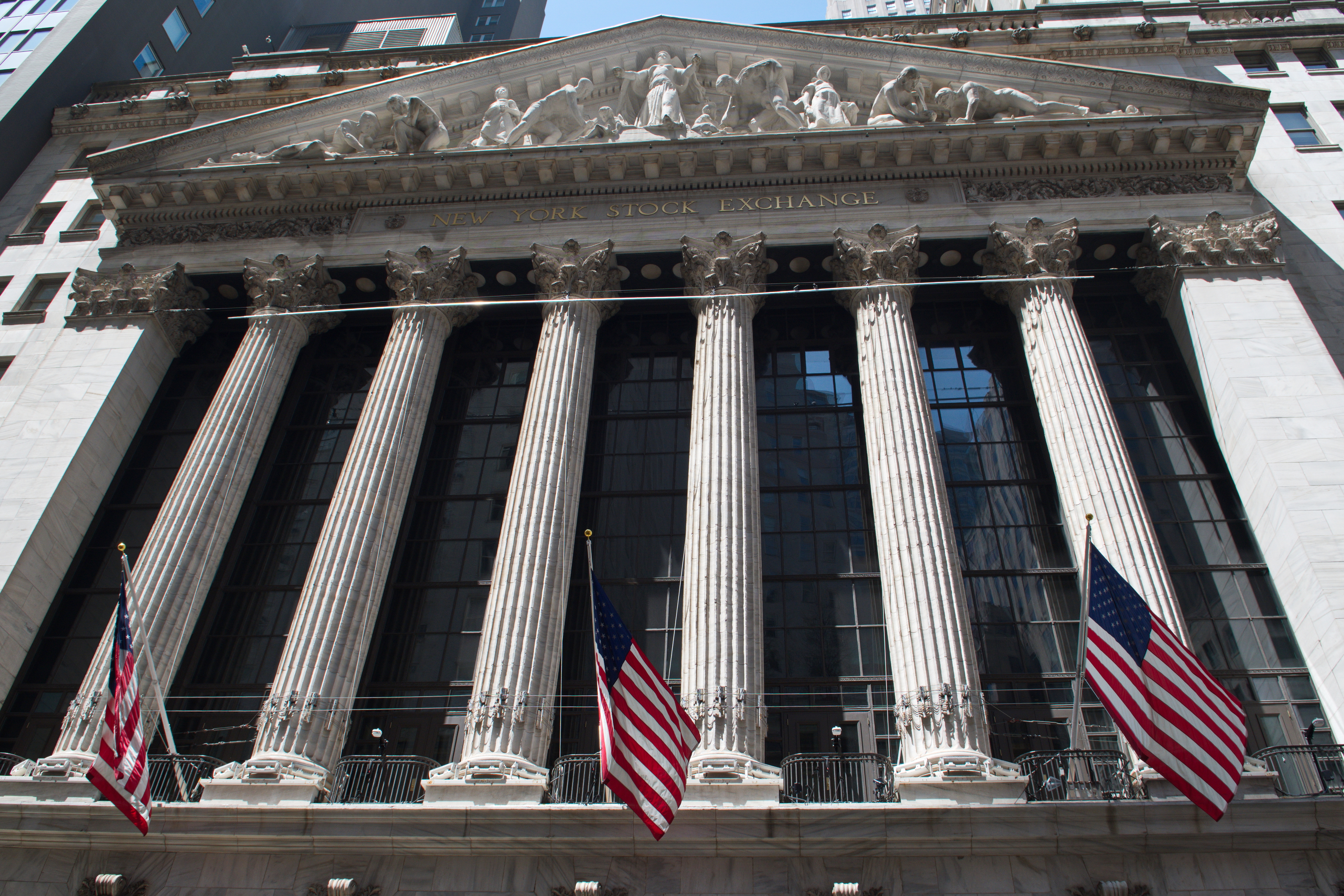
US consumer confidence jumped to 103.3 in November, its highest since January 2025, as Americans grew more optimistic about jobs and the economy.
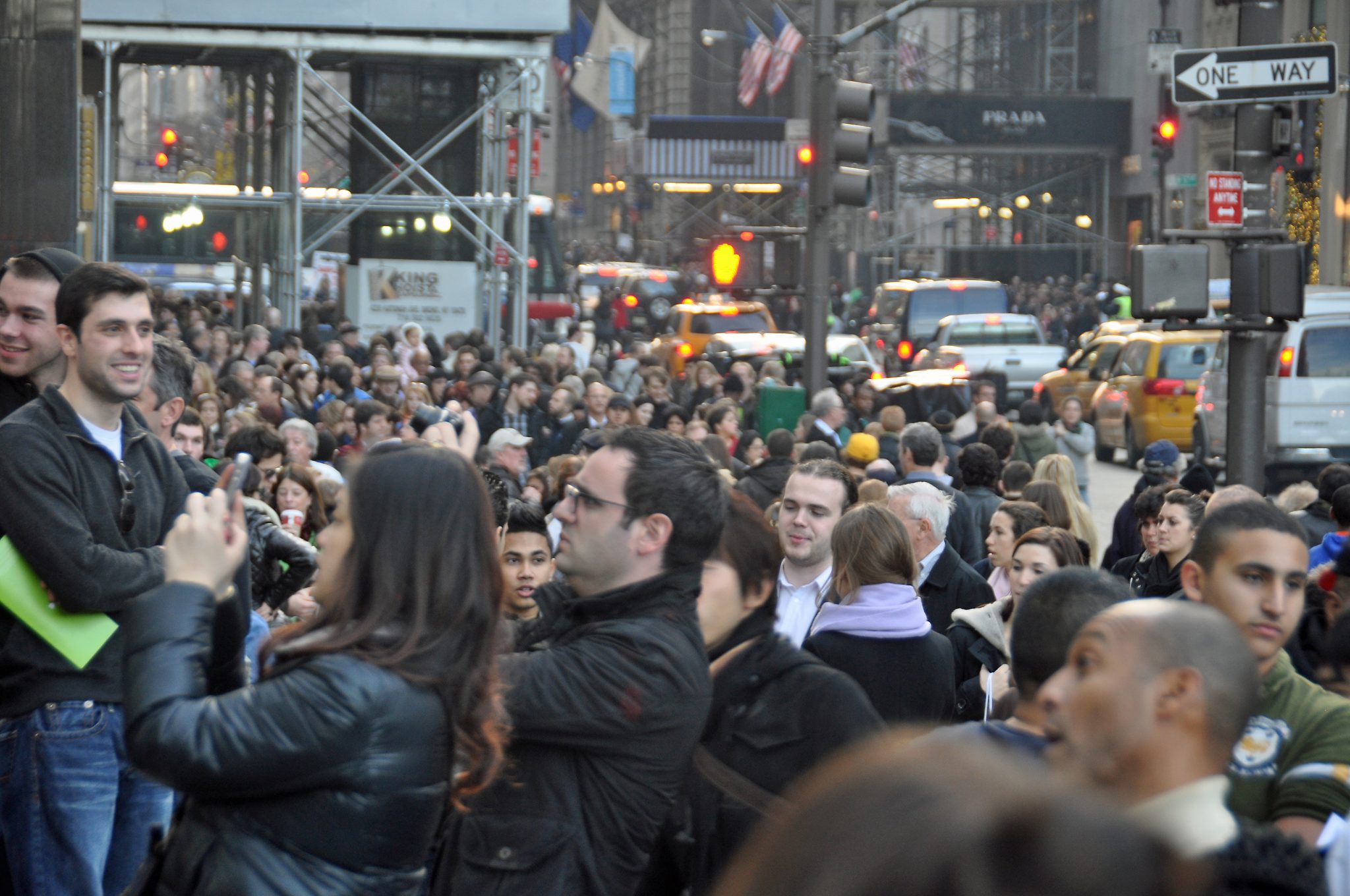
TL;DR — the direct answer: Americans are heading into Black Friday ready to spend, but warily. Holiday spending is forecast to top last year's figures by 4 to 6 percent, according to several economic forecasts, but most of that growth is inflation, not more shopping: prices are up 3.8 percent, about a percentage point higher than in each of the last two years. The National Retail Federation expects November and December retail sales to rise 4.2 percent to just above 1 trillion dollars, the first time its measure has passed the trillion-dollar mark, while the Mastercard Economics Institute and EY Parthenon each forecast growth of more than 5 percent. Underneath the healthy top line, shoppers are stressed. A National Retail Federation survey found 82 percent of consumers are taking steps to manage holiday costs, such as buying less expensive gifts, and middle and lower income shoppers are more likely than wealthy ones to spend less. Deloitte found 87 percent of the 1,200 consumers it surveyed in October plan to shop over the five days from Thanksgiving through Cyber Monday on 30 November, the highest in a decade. Toys are the sharpest example of the squeeze: prices are up 13.2 percent since the start of the year, Barbie maker Mattel has cut its annual forecast, and squishy NeeDoh toys were selling for 24.99 dollars on Amazon in October, nearly triple the price a year earlier.
| Metric / Date | Key Detail | Source |
|---|---|---|
| Holiday spending | Forecast up 4-6 percent on last year, mostly inflation at 3.8 percent | Reuters |
| NRF forecast | November-December retail sales up 4.2 percent to just above 1 trillion dollars | National Retail Federation |
| Online Black Friday | Adobe expects 12.9 billion dollars online, up 9.2 percent; Cyber Monday 15.1 billion dollars | Adobe |
| Toy prices | Up 13.2 percent since the start of the year; Mattel cut its annual forecast | Reuters |
| Shoppers | 87 percent of 1,200 consumers surveyed by Deloitte plan to shop Thanksgiving to Cyber Monday | Deloitte |
What happened: Black Friday arrives on Friday, 27 November 2026, with the biggest shopping weekend of the year already under way and the forecasts in. Neither high fuel prices nor stubborn inflation are expected to stop Americans from spending robustly as their turkey hangovers wear off, but below the healthy top-line forecasts lie signs of stress. Holiday spending, which unofficially begins on Black Friday, is seen topping last year's strong figures by 4 to 6 percent, several economic forecasts show, but most of the gains will be attributable to inflation, which at 3.8 percent is about a percentage point higher than in each of the last two years. The National Retail Federation sees November to December holiday retail sales rising 4.2 percent year over year to just above 1 trillion dollars. The Mastercard Economics Institute and EY Parthenon each forecast sales to rise more than 5 percent. Online, Adobe expects shoppers to spend 12.9 billion dollars on Black Friday itself, up 9.2 percent from last year, with Cyber Monday on 30 November still the bigger online day at 15.1 billion dollars, and the full online season forecast at 275.1 billion dollars, up 6.7 percent. The National Retail Federation expects 126 million Americans to shop on Black Friday and 182.7 million across Thanksgiving weekend. The shops themselves are ready: Walmart, Target, Costco and Best Buy all closed on Thanksgiving Day and reopen early on Friday, with Walmart, Target and Best Buy opening at 6 a.m., Kohl's running 5 a.m. to midnight and Macy's open 6 a.m. to 11 p.m., while Costco opens at 9 a.m. for executive members and 10 a.m. for everyone else.
Why it's trending: Black Friday is trending because it is the first real test of how American consumers feel after a bruising year, and the answer is complicated: they are spending, but they are not happy about it. The mood matters more than usual this year because the midterm elections, held earlier in November, turned into a verdict on the cost of living. Voters punished President Donald Trump for an Iran War that has pushed the cost of living higher, handing Democrats sweeping electoral victories, and consumer sentiment remains shaky. A November survey by the National Retail Federation found that 82 percent of consumers are taking steps to manage holiday costs, like buying less expensive gifts, and a Kearney survey found middle and lower income shoppers, who have been trading down for months, were more likely than wealthy ones to spend less. Felicia Cox, a 50-year-old sales representative from Los Angeles, told Reuters her holiday spending will be roughly stable, but inflation is changing how she thinks: she wants to get more gifts that people will actually use or need, because she feels like people are not able to afford as much stuff. The story is also trending because the forecasts mostly came before the latest market wobble. The holiday spending forecasts mostly predated the recent stock market correction that followed the midterms, turmoil at chipmaker Nvidia and mounting concerns around an AI bubble, and UBS analysts said in a note on Tuesday that the decline could dampen the wealth effect that has seen affluent shoppers splurge on gadgets and accessories. If the wealthy pull back too, the season could look very different from the forecasts.
Background / context: The squeeze shoppers feel this year has been building for months, and it shows up most clearly in the things children want. Higher input costs, particularly from petrol derivatives like plastic, are hitting some products more than others, and prices of toys, generally high in plastic, have risen 13.2 percent since the start of the year, pushing Barbie maker Mattel this month to cut its annual forecast as consumers balked at higher costs. Some unlikely products are buoying the toy category: Best Buy and Target have both flagged trading cards, including Pokemon and Magic: The Gathering products, as a key growth driver, and squishy NeeDoh toys were selling for 24.99 dollars on Amazon in October, nearly triple the price a year earlier on hot demand, according to e-commerce marketing platform Omnisend. Toy maker Learning Resources, a plaintiff in lawsuits that overturned Trump's tariffs, is seeing demand roughly flat, its chief executive Rick Woldenberg said, though he added it is hard to predict demand before Black Friday. The wider picture is that the record headline numbers flatter the season. The National Retail Federation's 1.013 trillion dollar forecast is not adjusted for inflation, and the Associated Press has reported that forecasters expect higher prices to account for about half of the anticipated growth: Visa expects 4.5 percent growth but only 1.1 percent after a roughly 3.4 percent rise in holiday goods prices, and Bain says inflation is more than half of its 4.5 percent forecast. Final results often beat pre-holiday estimates, but the real, inflation-adjusted growth this year is closer to 2 percent than to the headline 4 or 5 percent.
What we know / what's unconfirmed: Confirmed: holiday spending is forecast to rise 4 to 6 percent on last year, with inflation at 3.8 percent doing most of the lifting; the National Retail Federation forecasts November and December retail sales up 4.2 percent to just above 1 trillion dollars; the Mastercard Economics Institute and EY Parthenon each forecast growth of more than 5 percent; 82 percent of consumers are taking steps to manage holiday costs, according to a November National Retail Federation survey; 87 percent of 1,200 consumers surveyed by Deloitte in October plan to shop from Thanksgiving through Cyber Monday, the highest in a decade; toy prices have risen 13.2 percent since the start of the year and Mattel has cut its annual forecast; NeeDoh toys sold for 24.99 dollars on Amazon in October, nearly triple a year earlier, according to Omnisend; Target, Dollar Tree and Kohl's have all pointed to belt-tightening on recent earnings calls, and Kohl's chief executive Michael Bender cited an increasingly choiceful consumer looking to stretch every dollar; and Walmart, Target, Costco and Best Buy closed on Thanksgiving and reopen on Friday, with most opening at 6 a.m. One figure needs flagging: the Adobe online spending forecasts, 12.9 billion dollars on Black Friday, 15.1 billion on Cyber Monday and 275.1 billion for the season, come from secondary summaries citing Adobe Analytics directly, and Adobe's own release was not opened for this article. What remains unconfirmed is how the weekend will actually turn out. Forecasts are not results, and the season's final numbers will not be known until January. It is also unconfirmed whether the stock market correction since the forecasts were made will dent spending by wealthier shoppers, and whether the deepest discounts will land on Black Friday itself or closer to Christmas, as some consultants now expect.
What happens next: The advice from the consultants this year is patience. AI could scramble the year's shopping dynamics: as shoppers use AI to find bargains or even complete purchases, and retailers become increasingly adept at altering prices quickly through AI, the deepest discounts could come closer to Christmas, as consumers and retailers both wait out the market, according to Ryan Orabone, a consultant at Spaulding Ridge. His advice to shoppers is to be patient and not jump on the first deal they see. The calendar supports waiting for some things: Adobe's discount forecasts put peak electronics discounts at 30 percent and toy discounts at 29 percent, with television discounts averaging 23 percent on Black Friday itself, more than double the 11 percent average across November 1 to 22, so Friday is the day for a television, while health and beauty products average 33 percent off across the whole Tuesday to Monday promotional window. The five-day stretch runs through Cyber Monday on 30 November, which Adobe expects to be the biggest online day of the year at 15.1 billion dollars. After that, retailers will be watching two numbers: whether the 182.7 million people the National Retail Federation expects to shop over the weekend actually turn up, and whether the final season tally clears the trillion-dollar bar in real terms or only on paper, once inflation is stripped out.
Q: How much will Americans spend this holiday season?
A: The National Retail Federation forecasts November and December retail sales will rise 4.2 percent to just above 1 trillion dollars, the first time its measure has passed the trillion-dollar mark. Several economic forecasts put holiday spending up 4 to 6 percent on last year, while the Mastercard Economics Institute and EY Parthenon each forecast growth of more than 5 percent. But most of the growth is inflation, not more shopping: prices are up 3.8 percent, and forecasters expect higher prices to account for about half of the anticipated growth.
Q: Are shoppers actually feeling confident?
A: Not really. A November survey by the National Retail Federation found 82 percent of consumers are taking steps to manage holiday costs, such as buying less expensive gifts, and middle and lower income shoppers are more likely than wealthy ones to spend less. Consumer sentiment remains shaky after voters punished President Donald Trump in the midterms over the Iran War's effect on the cost of living. Even so, Deloitte found 87 percent of the 1,200 consumers it surveyed plan to shop from Thanksgiving through Cyber Monday, the highest in a decade.
Q: Why are toys so expensive this year?
A: Toy prices have risen 13.2 percent since the start of the year, largely because toys are high in plastic, and plastic comes from petrol derivatives whose costs have risen. Barbie maker Mattel cut its annual forecast this month as consumers balked at higher costs. Squishy NeeDoh toys were selling for 24.99 dollars on Amazon in October, nearly triple the price a year earlier, according to e-commerce marketing platform Omnisend, though trading cards such as Pokemon and Magic: The Gathering are helping to lift the category.
Q: What time do the big stores open on Black Friday?
A: Walmart, Target and Best Buy all closed on Thanksgiving Day and open at 6 a.m. on Friday. Costco opens at 9 a.m. for executive members and 10 a.m. for other members. Kohl's runs from 5 a.m. to midnight and Macy's from 6 a.m. to 11 p.m. Individual store schedules may vary, so shoppers should check their local outlet before travelling. Most banks, government offices and regular FedEx and UPS deliveries were also paused on Thanksgiving and resume on Friday.
Q: Should shoppers wait for better deals closer to Christmas?
A: Possibly. Consultant Ryan Orabone of Spaulding Ridge says the deepest discounts could come closer to Christmas this year, because shoppers are using AI to find bargains and retailers are using AI to change prices quickly, so both sides are waiting each other out. His advice is to be patient and not jump on the first deal. That said, Adobe's forecasts still put the best television discounts, averaging 23 percent, on Black Friday itself, so some categories are worth buying on Friday.
Sources: Reuters — Cautious consumers gear up for Black Friday as inflation woes bite, Times of India — Walmart and Costco will shut their doors on Thanksgiving Day before reopening on Black Friday, The World Data — Black Friday Statistics in US 2026, and Kurums — Record Holiday Sales 2026: Nominal vs Real.
US consumer confidence jumped to 103.3 in November, its highest since January 2025, as Americans grew more optimistic about jobs and the economy.
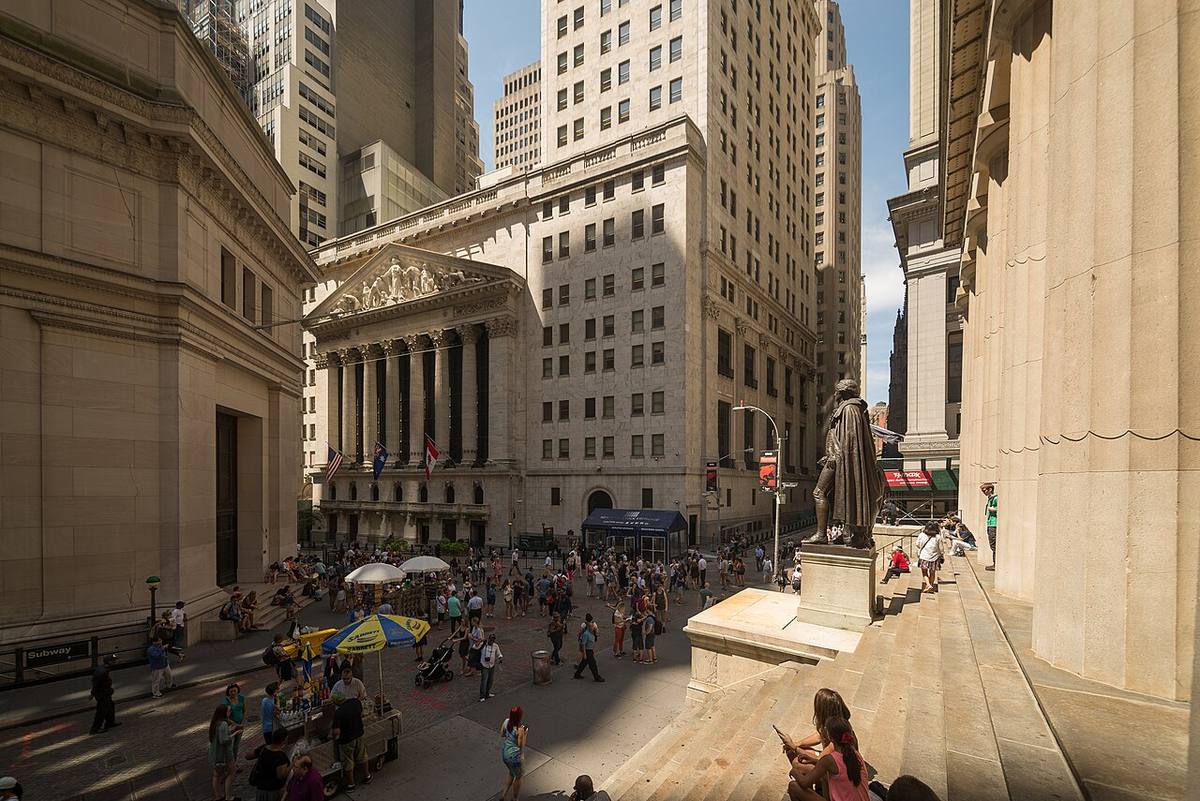
US stocks fell on 10 November after October inflation came in hotter than expected, with the Dow down 162 points and Nvidia sliding 6%.
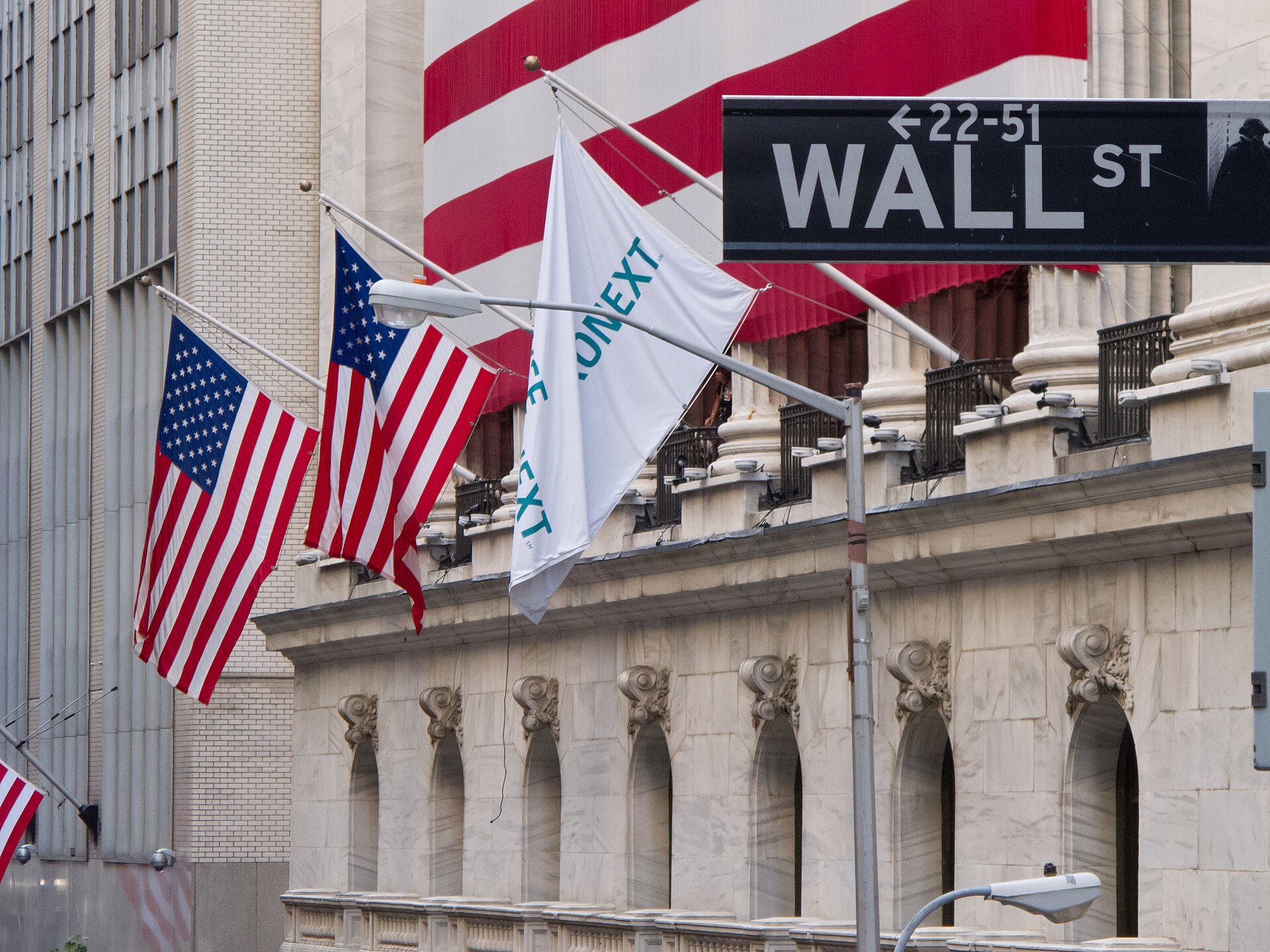
Wall Street split on Friday as Nvidia fell again and Bitcoin dropped below $70,000, but all three indexes still banked their best week since August.