Tech
Wall Street Falls as Hot October Inflation Revives Fears of a December Rate Hike
US stocks fell on 10 November after October inflation came in hotter than expected, with the Dow down 162 points and Nvidia sliding 6%.
TL;DR — the direct answer: American consumers felt markedly better about the economy in November. The Conference Board said on Tuesday, 24 November, that its consumer confidence index jumped 11.4 points to 103.3, the highest reading since January 2025 and the biggest one-month rise since May 2025. The figure beat every forecast in a Bloomberg survey of economists, which had centred on about 92, and it was the second straight monthly increase after confidence fell to a more than decade-long low in September. People were more upbeat on two fronts at once: the present situation index, which measures how consumers see current business and jobs, rose 13.7 points to 132.8, its highest since July 2025, while the expectations index, which measures the outlook for the next six months, rose 9.9 points to 83.6. The share of people who said jobs were plentiful climbed to 30.8 percent from 26.2 percent in October, and fewer expected hiring to get worse. The Conference Board's senior economist, Fergus McCormick, said confidence rallied again in November, potentially because uncertainty fell after this month's midterm elections. The improvement was driven by respondents who identify as Democrats and Independents. Expected inflation over the next 12 months fell for a second month, to 5.7 percent. A separate survey from the University of Michigan registered a much smaller improvement in November, and its headline reading remains well below historical norms — a reminder that the two surveys are telling different stories about the same economy.
What happened: The Conference Board released its November consumer confidence survey on Tuesday, 24 November, and the headline number surprised almost everyone who watches it. The index jumped 11.4 points to 103.3, from an upwardly revised 91.9 in October, reaching its highest level since January 2025, when Donald Trump began his second term as president. The rise was the largest single-month increase since May 2025, and it was far above what economists had expected — the Wall Street Journal's poll had pointed to 92.2, and the Bloomberg survey's consensus was 92.4. The details underneath the headline were strong across the board. The present situation index, which asks people how they see business conditions and the jobs market right now, climbed 13.7 points to 132.8, its best reading since July 2025. The expectations index, which asks about income, business and jobs over the next six months, rose 9.9 points to 83.6. On jobs specifically, 30.8 percent of respondents said jobs were plentiful, up from 26.2 percent in October, and fewer people said they expected hiring conditions to worsen. The survey was conducted between 1 and 17 November, so it captures the weeks around the midterm elections. The Conference Board also said consumers planned to spend more on goods and holidays, and that the write-in answers in the survey were slightly less negative than in previous months. Expected inflation over the next year fell for a second month, to 5.7 percent, although consumers still voiced frustration with high prices.
Why it's trending: Consumer confidence matters because it is one of the earliest signals of whether Americans will keep spending, and spending is what drives most of the US economy. A jump of 11.4 points in a single month is rare, and it lands at a moment when the economic picture has looked mixed: the jobs market has cooled from its post-pandemic heat, prices are still high, and households have been squeezed for years. That is why the number travelled fast on Tuesday — it suggests the mood has turned, at least for now, and it came as a genuine surprise to forecasters, topping every estimate in Bloomberg's survey. The timing is the other reason it is being read so closely. The survey was taken in the weeks around the midterm elections, and the Conference Board itself linked the rally to lower uncertainty once the voting was over. The improvement was driven by Democrats and Independents, according to Reuters, which fits the pattern of confidence surveys in recent years: people's view of the economy has increasingly tracked their politics, and a midterm result can move the numbers sharply in one direction or the other. The result also feeds directly into the debate about interest rates and the Federal Reserve's next moves, since a confident consumer who keeps spending makes it harder for inflation to fall back to target, while a gloomy one points the other way. For now, the market's reading is simple: the American consumer, who looked exhausted in September, is feeling better than at any point in nearly two years.
Background / context: The Conference Board's index is one of the two big monthly reads on how Americans feel about the economy, alongside the University of Michigan's survey, and the two have told different stories this autumn. The Conference Board's gauge is built from a survey of households that asks about current business and jobs conditions and about expectations for income, business and the jobs market over the next six months. Readings are indexed to 1985 as 100, so a reading of 103.3 means confidence is slightly above that long-run baseline. The index had been sliding for much of the year. It fell to a more than decade-long low in September, then rose 7.5 points in October, a gain the Conference Board attributed to easing petrol prices, before November's much bigger jump. That makes two consecutive monthly increases, and the headline index is now back to the levels last seen in January 2025. The backdrop is an economy that has been hard to read: the jobs market has softened, with hiring slower than in 2024 and 2025, but unemployment has stayed low by historical standards, and wages have kept growing faster than prices for much of the year. At the same time, the cost of living remains the complaint that comes up most often in the survey's write-in answers, and the Federal Reserve has been wrestling with whether to cut interest rates further or hold them steady. The Michigan survey, which leans more heavily on personal finances and inflation expectations, has stayed much gloomier, and its November reading improved only slightly — a split that economists will be watching to see which survey proves right about spending in the Christmas season.
What we know / what's unconfirmed: Confirmed: the Conference Board's consumer confidence index rose 11.4 points to 103.3 in November, the highest since January 2025, from an upwardly revised 91.9 in October; the present situation index rose 13.7 points to 132.8, the highest since July 2025; the expectations index rose 9.9 points to 83.6; the share saying jobs were plentiful rose to 30.8 percent from 26.2 percent; the survey was conducted from 1 to 17 November; the improvement was driven by respondents identifying as Democrats and Independents; Fergus McCormick, a senior economist at the Conference Board, said confidence rallied again in November, potentially due to lower uncertainty following the midterm elections; expected inflation over the next 12 months fell for a second month to 5.7 percent; and the increase was the biggest one-month rise since May 2025 and the second consecutive monthly gain after a 7.5-point rise in October. Two small points need flagging. First, the economists' consensus forecast is reported slightly differently: the Wall Street Journal put it at 92.2, while Seeking Alpha and Bloomberg put it at 92.4 — either way, the actual reading beat it by a wide margin. Second, the University of Michigan's survey, released around the same time, showed only a small November improvement and a headline reading still well below historical norms, so the two main confidence measures disagree about how much the mood has actually lifted. Unconfirmed: whether the November jump will show up in actual spending over the Christmas season, and whether the post-election lift lasts once the result fades from view — both will only become clear in the retail and jobs data for December and January.
What happens next: The next test of the November mood comes quickly. Retailers are heading into the Christmas shopping season, and the Conference Board said consumers planned to spend more on goods and holidays — if that shows up in the December sales figures, it will confirm that the confidence jump was real rather than a one-month blip. The Federal Reserve will also be reading the survey closely as it weighs interest rates: a consumer who feels secure about jobs and is willing to spend is good news for growth, but it can also keep upward pressure on prices, which is the last thing the central bank wants while inflation is still above its target. Watch the December confidence reading, due in about a month, for whether the November level holds or slips back. A second strong month would suggest the post-election lift has stuck; a sharp fall would suggest it was a reaction to the voting rather than a change in how people see their own finances. The Michigan survey will matter too: if it starts to catch up with the Conference Board's reading, the two measures will be telling the same story for the first time in months. And the jobs data will be the final check — the survey says more people think jobs are plentiful, but the official hiring numbers for November and December will show whether employers agree.
Q: What is the consumer confidence index?
A: It is a monthly survey from The Conference Board that asks American households how they see current business and jobs conditions and what they expect for income, business and the jobs market over the next six months. Readings are indexed to 1985 as 100, so November's 103.3 means confidence is slightly above that long-run baseline.
Q: How big was the November jump?
A: The index rose 11.4 points to 103.3, from an upwardly revised 91.9 in October. It was the highest reading since January 2025, the biggest one-month increase since May 2025, and the second consecutive monthly gain after a 7.5-point rise in October. It beat every forecast in a Bloomberg survey of economists, which had centred on about 92.
Q: What drove the improvement?
A: Optimism about the jobs market and the economy after the midterm elections. The Conference Board's senior economist, Fergus McCormick, said confidence rallied again in November, potentially because uncertainty fell once the voting was over. Reuters reported that the sharp improvement was driven by respondents who identify as Democrats and Independents.
Q: What do people think about jobs right now?
A: They are more upbeat than a month ago. The present situation index, which measures views of current business and jobs conditions, rose 13.7 points to 132.8, its highest since July 2025. The share of people who said jobs were plentiful climbed to 30.8 percent from 26.2 percent in October, and fewer expected hiring conditions to worsen over the next six months.
Q: Does the survey say anything about prices?
A: Yes. Expected inflation over the next 12 months fell for a second month, to 5.7 percent. Even so, consumers still voiced frustration with high prices in the survey's write-in answers, which the Conference Board said were only slightly less negative than in previous months.
Sources: Reuters — US consumer confidence surges to highest level in nearly two years, Korea Herald — US consumer confidence jumps to highest level in nearly two years, Wall Street Journal — US Consumer Confidence Came Roaring Back in November, Conference Board Says, PYMNTS — The Conference Board Says Consumer Confidence Surges to 22-Month High, and CFO Dive — Consumer sentiment surges following midterm elections: Conference Board.
US stocks fell on 10 November after October inflation came in hotter than expected, with the Dow down 162 points and Nvidia sliding 6%.
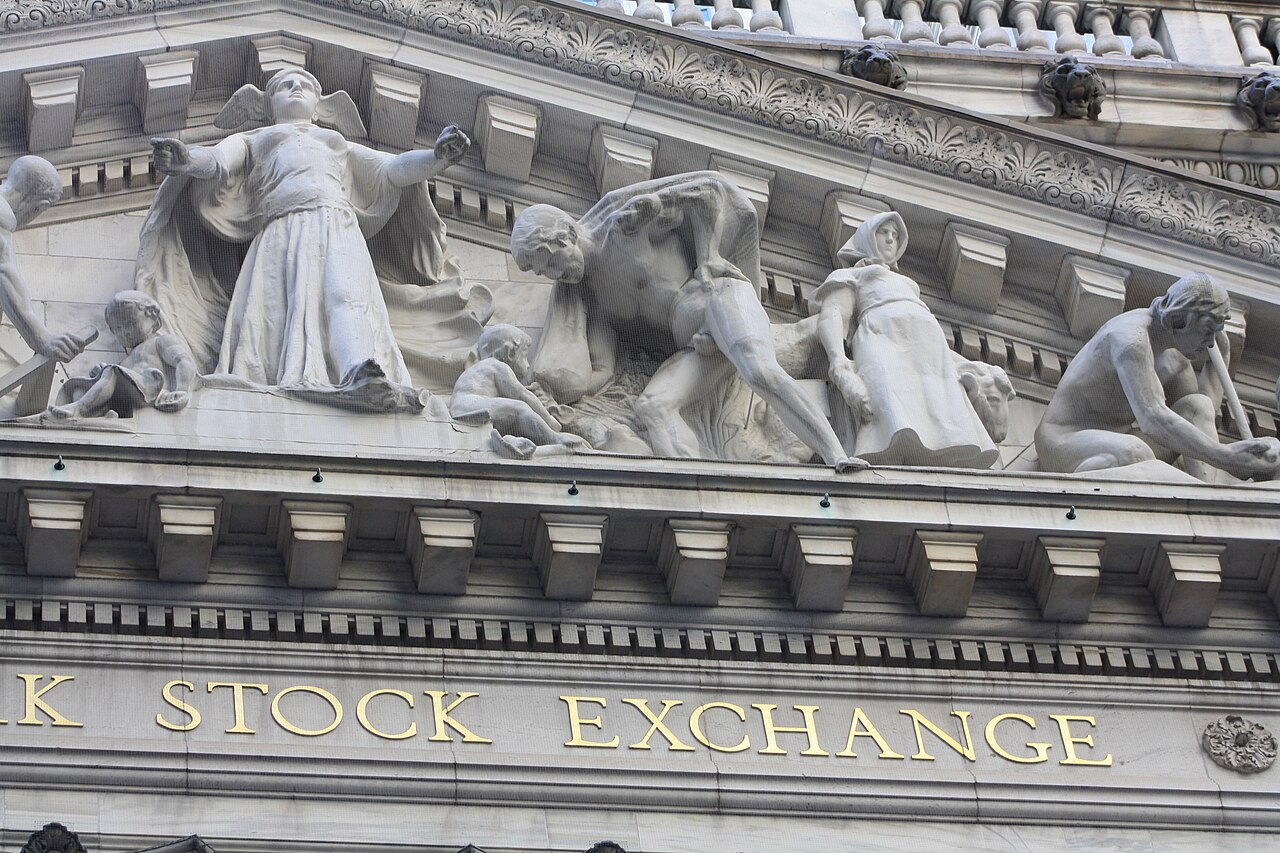
The Dow fell 561 points and the S&P 500 dropped for a fifth straight day, slipping below its 200-day moving average as Nvidia gave up its earnings gains.
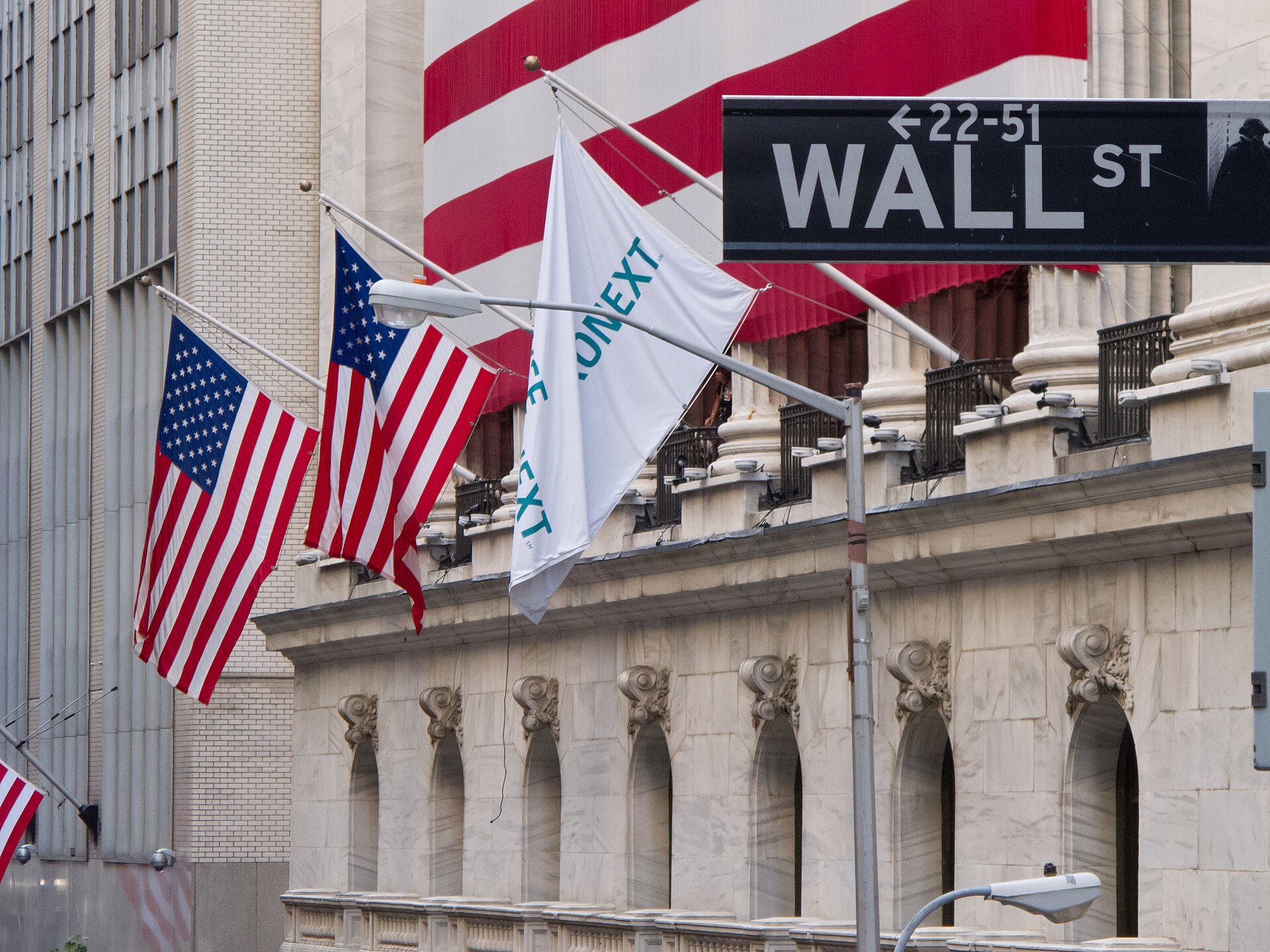
Wall Street split on Friday as Nvidia fell again and Bitcoin dropped below $70,000, but all three indexes still banked their best week since August.