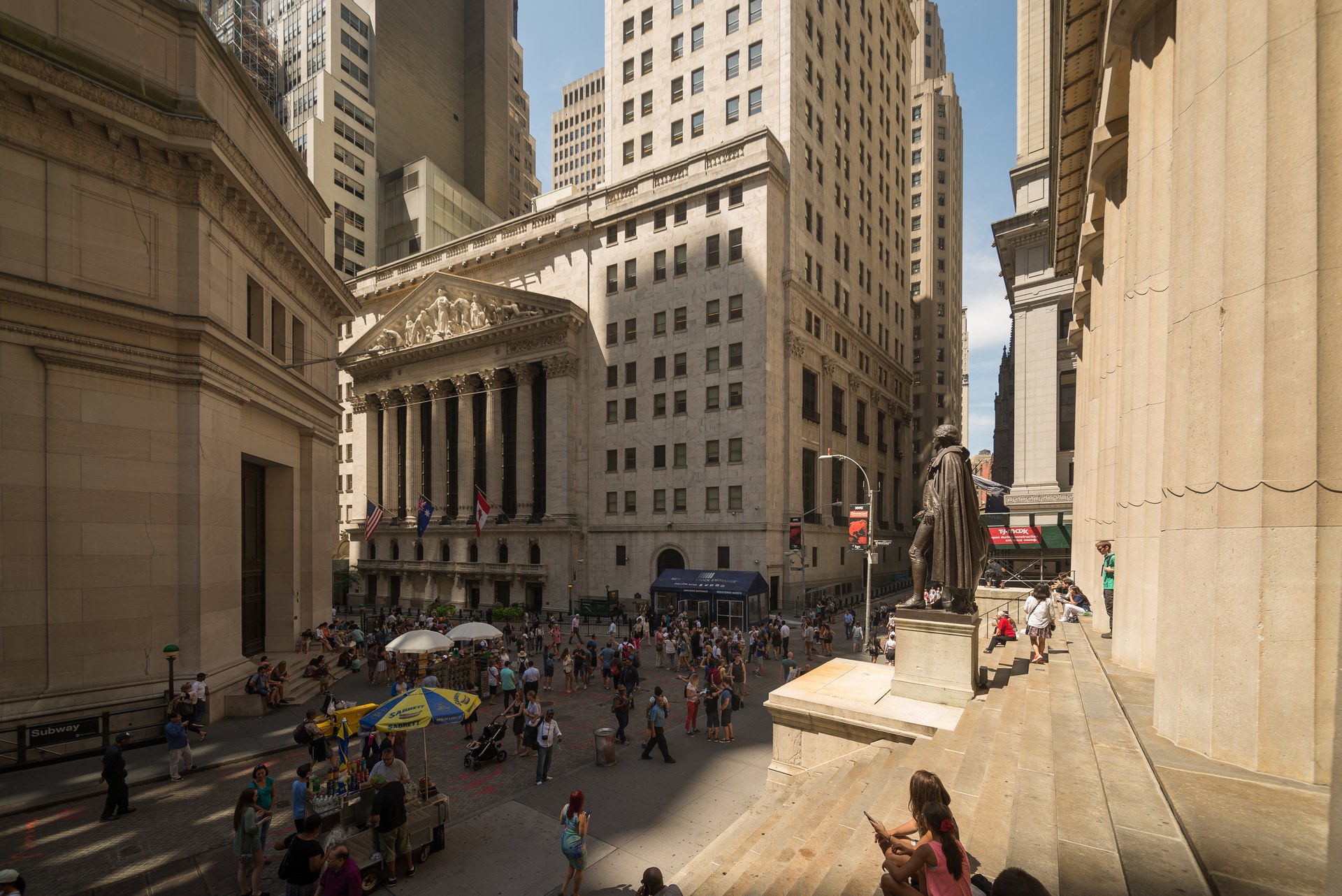
Tech
Dow Sinks 849 Points and S&P 500 Hits Lowest Since July
The Dow fell 848.75 points and the S&P 500 hit its lowest close since late July, a fourth fall, as software stocks slid and outages hit Wall Street.
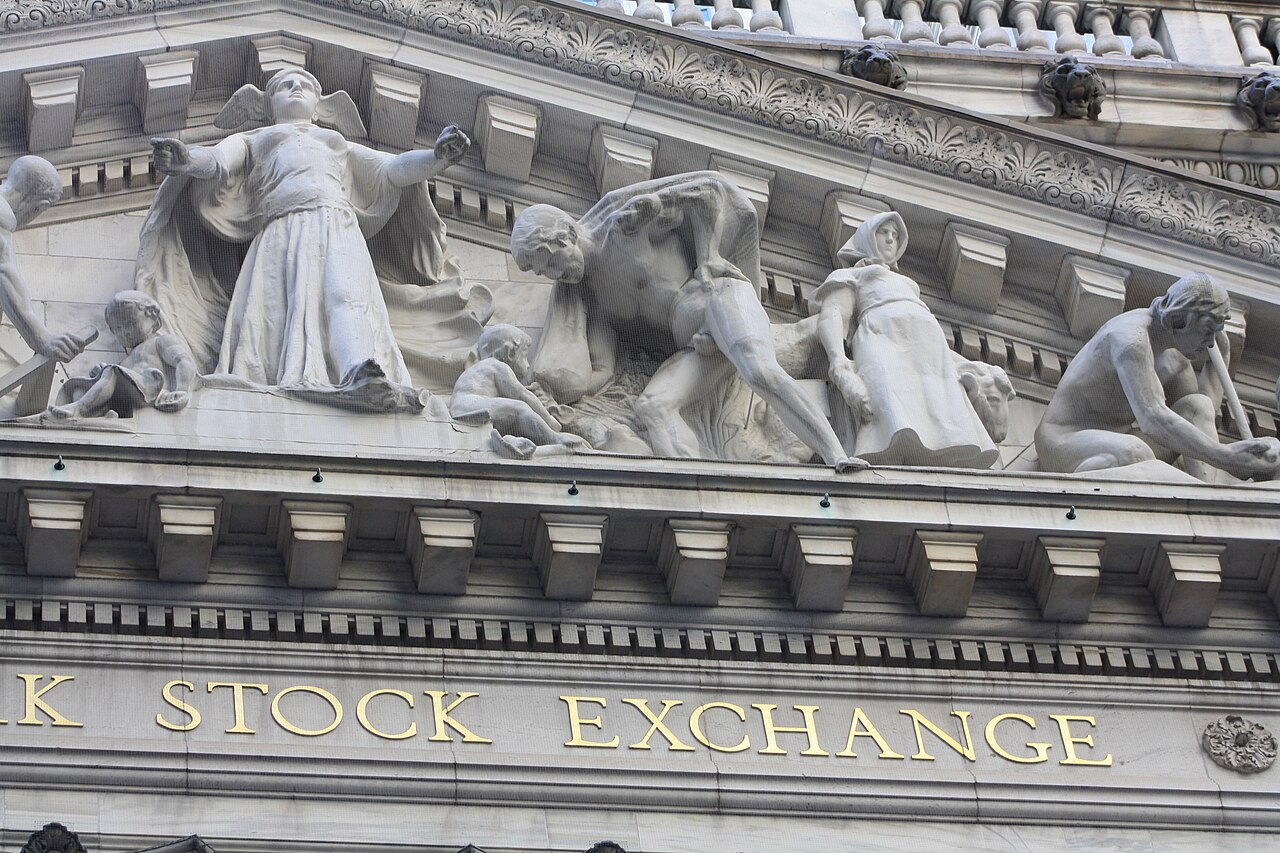
TL;DR — the direct answer: Wall Street closed split on Wednesday, 18 November, as the Dow Jones Industrial Average fell 561.25 points, or 1.11 percent, to 50,198.17, while the S&P 500 dropped 16.90 points, or 0.23 percent, to 7,323.63, its fifth straight decline and its longest losing streak since June. The S&P 500 also slipped below its closely watched 200-day moving average, a level traders treat as a marker of the market's longer-term trend. The Nasdaq Composite went the other way, rising 101.50 points, or 0.42 percent, to 24,429.88 and snapping a four-day skid. Nvidia was again at the centre of the action: its shares jumped as much as 2.7 percent early after a blowout earnings report, then gave it all back and closed down 2.89 percent at $150.96. Minutes from the Federal Reserve's latest meeting, which pointed to further interest rate hikes, and a sharp sell-off in health care stocks, with UnitedHealth down about 10 percent on new Medicare audit rules, did the most damage to the Dow.
What happened: The selling was concentrated in the Dow, which fell for a third straight session and has now dropped by more than 1 percent on three consecutive days. The S&P 500 zigzagged between gains and losses through the session before closing lower for a fifth straight day, taking its longest losing streak since June. The Nasdaq managed to finish higher, helped by gains in some technology and retail names, and the small-cap Russell 2000 rose 0.52 percent. The split close meant the Dow's heavy fall did not reflect a uniform sell-off, but the damage in the blue-chip index was real: it closed at a three-month low. Health care stocks were the biggest drag, falling for a second day after new Medicare audit proposals hit managed-care companies, with UnitedHealth plunging about 10 percent. Nvidia, the stock the whole market had been watching, reported third-quarter revenue of $115.8 billion, up 103 percent from a year earlier, with earnings per share of $2.68 and a forecast of $130 billion in revenue for the current quarter, all ahead of expectations. The shares rose sharply at the open, then reversed and finished lower, falling for a fifth straight trading day.
Why it's trending: The market is caught between two stories that point in opposite directions. On one side, corporate earnings remain strong: Nvidia more than doubled its revenue, and most big companies reporting this season have beaten expectations. On the other, the Federal Reserve is turning more hawkish, and investors are losing faith that the artificial intelligence boom can keep carrying stock prices higher on its own. The minutes from the Fed's October meeting, released on Wednesday, showed nearly all officials anticipating that further interest rate hikes may be necessary to bring inflation under control. Fed official Christopher Waller had already raised the prospect of a half-point hike in December, rather than the usual quarter-point move, arguing that inflation is drifting away from target. The hawkish turn pushed the US dollar to a 19-month high, which hurts multinational companies by making their overseas earnings worth less when converted back into dollars. The 10-year Treasury yield eased two basis points to 5.10 percent but remains near recent highs. With the S&P 500 now below its 200-day moving average, technical traders see the market's longer-term trend deteriorating, and the question on every trading desk is whether the AI trade can recover or whether the sell-off has further to run.
Background / context: Wednesday's fall follows a brutal Tuesday, when the Dow sank 849 points and the S&P 500 closed at 7,340.53, its lowest since July. The two-day slide has wiped out the market's gains from earlier in the month and left the S&P 500 down for five straight sessions. The index had already been under pressure from doubts about returns on the huge sums being spent on AI infrastructure, with investors asking when the spending will pay off. Nvidia sits at the centre of that debate: its chips power the AI buildout, and its earnings were seen as the week's biggest test of the AI trade. The company passed the earnings test comfortably, with data centre revenue of $107.6 billion and a fourth-quarter forecast well above what analysts expected, yet the shares still fell, because investors are also weighing the uncertainty over who will run the company after founder Jensen Huang resigned as chief executive last week. The board has said it will not bring Huang back. Meanwhile, Anthropic, the AI company behind the Claude chatbot, priced its initial public offering above its expected range ahead of its Nasdaq listing on Thursday, 19 November, which investors will read as another test of appetite for AI stocks.
What we know / what's unconfirmed: Confirmed: the closing levels, with the Dow at 50,198.17, the S&P 500 at 7,323.63 and the Nasdaq at 24,429.88; the S&P 500's fifth straight decline and its longest losing streak since June; the Dow's third straight fall; Nvidia's revenue of $115.8 billion, up 103 percent year on year, earnings per share of $2.68 against $2.47 expected, and a fourth-quarter revenue forecast of $130 billion; Nvidia's fall of 2.89 percent to $150.96 after rising as much as 2.7 percent early; UnitedHealth's drop of about 10 percent on the Medicare audit proposals; the Fed minutes pointing to further rate hikes; and the dollar's rise to a 19-month high. Unconfirmed: the exact level of the S&P 500's 200-day moving average, where sources disagree. One technical analysis puts it at 7,346.51, while another puts it at 7,363.42, a gap of about 17 points. Either way the index closed below it, so the break itself is not in doubt, but the precise level is. There is also a small rounding difference in the Nasdaq close, reported as 24,429.88 by the Associated Press and 24,429.89 elsewhere, and in Nvidia's fall, reported as 2.9 percent by some outlets and 2.8 percent by others. None of these differences changes the picture.
What happens next: Investors will get another reading on the health of the American consumer when Walmart reports earnings on Thursday, and the Anthropic listing on the Nasdaq will test demand for AI shares after Nvidia's fade. The Federal Reserve's next policy meeting is scheduled for 8-9 December, and futures markets still price a regular quarter-point hike as the most likely outcome, with about a 90 percent chance, against roughly a 10 percent chance of a half-point move. For the market to steady, traders will want to see the S&P 500 reclaim its 200-day moving average, Treasury yields stabilise and inflation expectations cool. If the index keeps sliding, the sell-off could feed on itself as momentum funds pull back. The Dow's three-month low and the S&P 500's five-day slide have put the market on watch, but one consolation is that the Nasdaq's gain on Wednesday showed buyers are still willing to step in for parts of the market. Whether that buying spreads or stays narrow will decide how the rest of November plays out.
Q: How far did the Dow fall on Wednesday?
A: The Dow Jones Industrial Average fell 561.25 points, or 1.11 percent, to close at 50,198.17 on Wednesday, 18 November. It was the Dow's third straight decline and its third straight drop of more than 1 percent.
Q: Why did the S&P 500 fall for a fifth straight day?
A: The S&P 500 dropped 16.90 points, or 0.23 percent, to 7,323.63, its fifth consecutive decline and its longest losing streak since June. Hawkish Federal Reserve minutes pointing to further rate hikes and worries about returns on AI spending weighed on the market.
Q: What happened to Nvidia's shares after its earnings beat?
A: Nvidia reported revenue of $115.8 billion, up 103 percent from a year earlier, beating expectations, and its shares rose as much as 2.7 percent early. The gain faded and the stock closed down 2.89 percent at $150.96, its fifth straight daily decline.
Q: Why did the S&P 500 falling below its 200-day moving average matter?
A: The 200-day moving average is a widely watched marker of the market's longer-term trend. Closing below it is seen by technical traders as a sign that the trend has deteriorated, and it can trigger further selling from momentum-driven funds.
Q: What are investors watching next?
A: Walmart's earnings on Thursday, Anthropic's Nasdaq listing on 19 November, and the Federal Reserve's next policy meeting on 8-9 December, where markets expect a quarter-point rate hike, with a smaller chance of a half-point move.
Sources: Associated Press via TV News Check — Dow Drops 561, Nasdaq Rises 102, S&P 500 Loses 17, Motley Fool — Stock Market Today, Nov. 18: S&P 500 Breaks Key Support as Fed Minutes Signal More Rate Hikes Ahead, and TickerGrove — Dow Drops 561 Points in a Third Straight Fall as Nvidia's Beat Fades.
The Dow fell 848.75 points and the S&P 500 hit its lowest close since late July, a fourth fall, as software stocks slid and outages hit Wall Street.
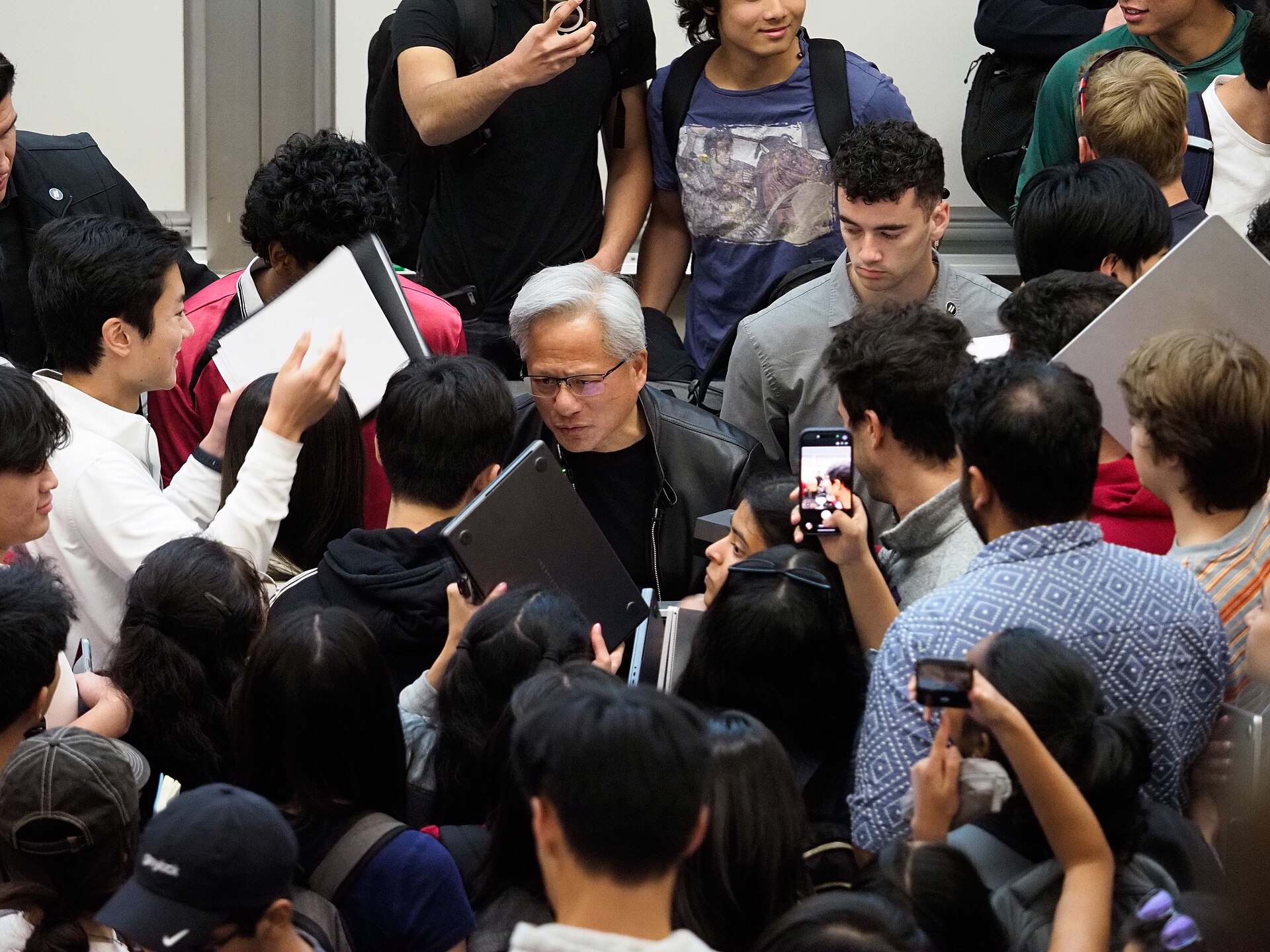
Nvidia chair Harvey Jones told investors the board will not bring back Jensen Huang as CEO, as the chipmaker posted record $115.8 billion revenue.
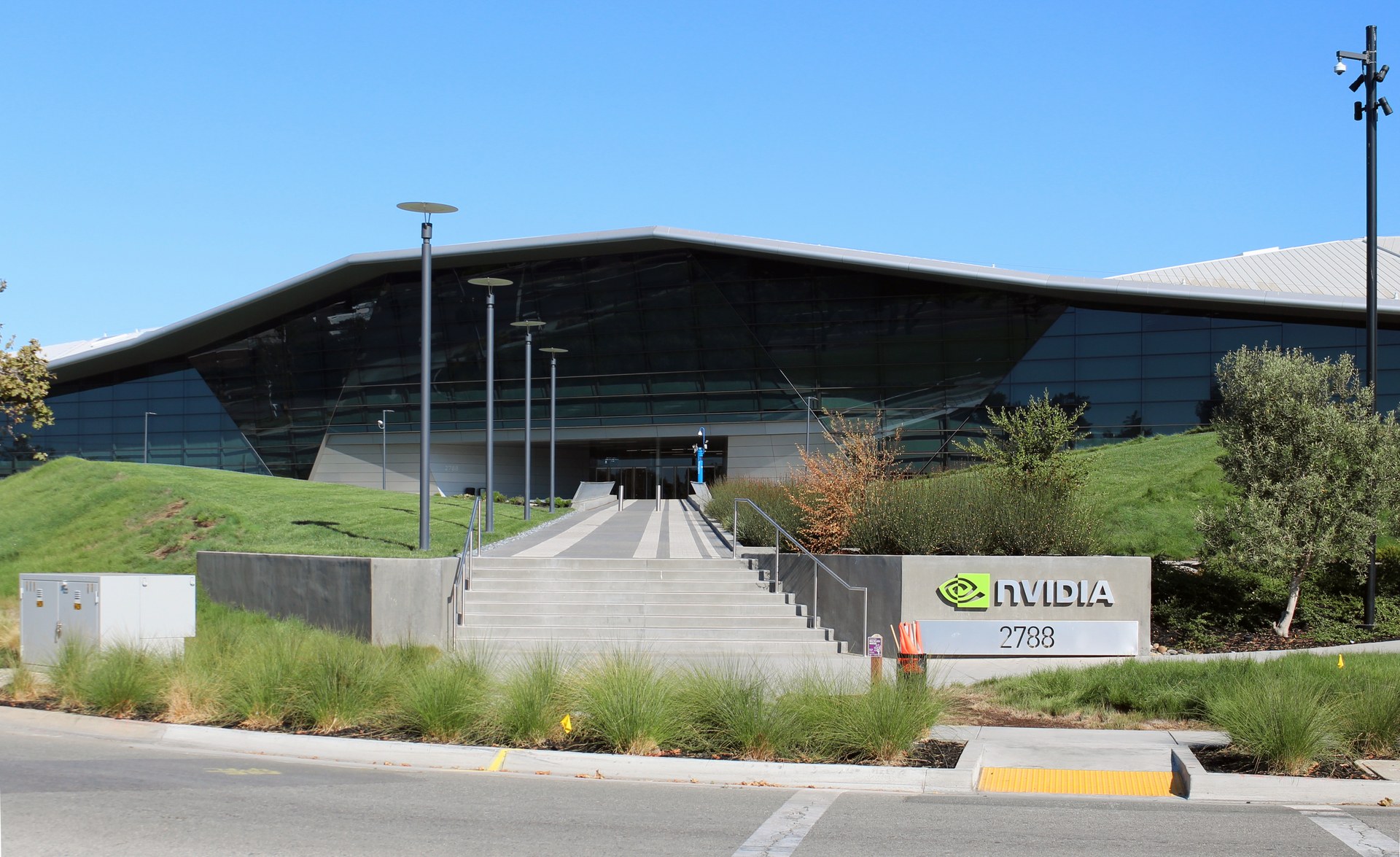
Nvidia's fiscal Q3 revenue hit $115.8 billion, up 103% from a year ago, with Q4 guided to $130 billion in its first report since Jensen Huang resigned.