
Sports
MLB Proposes Salary Cap and 50-50 Revenue Split as Lockout Looms
Baseball's owners have proposed a $258.2 million salary cap and a 50-50 revenue split, but players call the plan dead on arrival as a lockout looms.
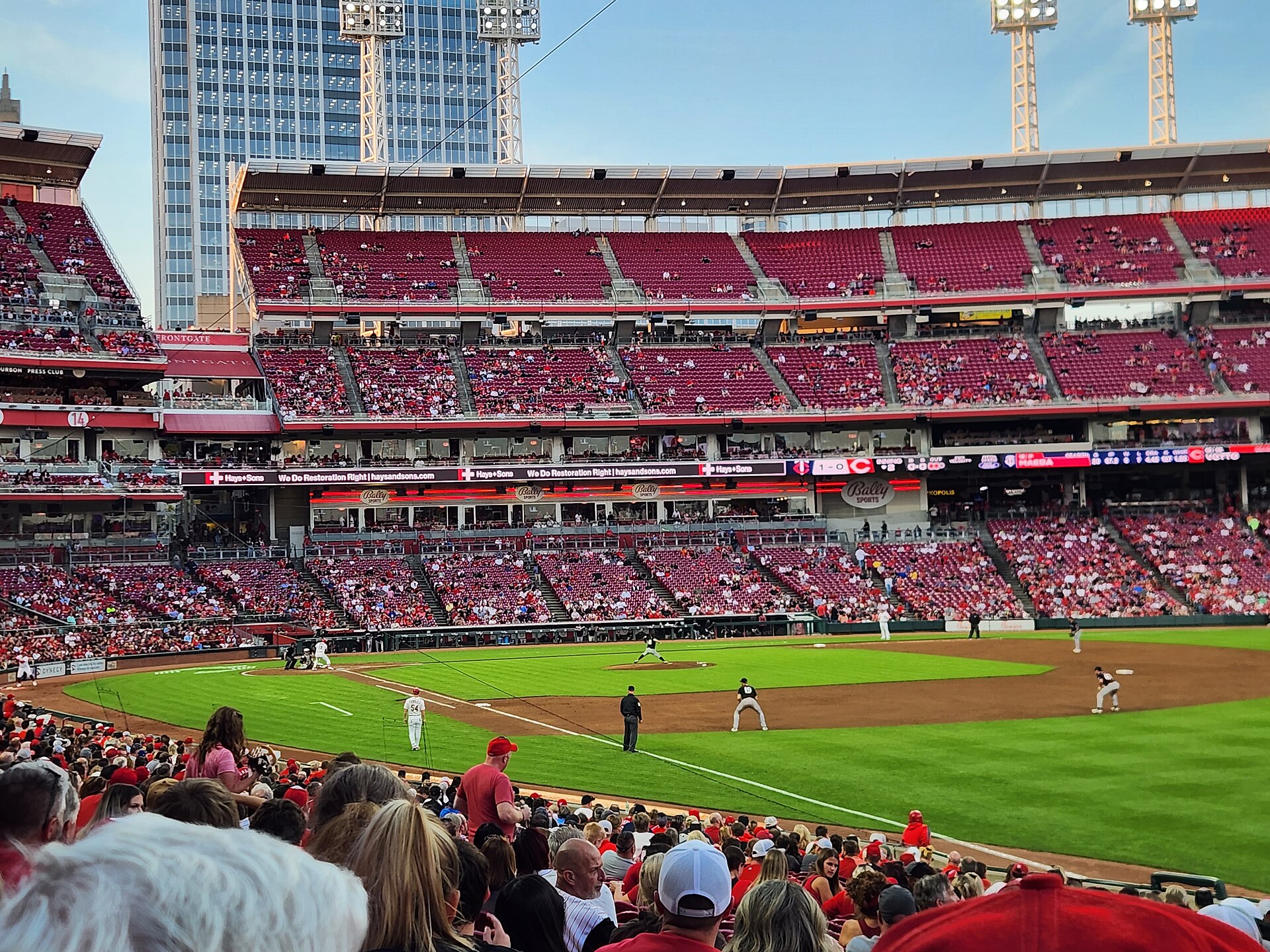
TL;DR — the direct answer: President Donald Trump announced on Thursday, 19 November, that he has given a posthumous pardon to Pete Rose, baseball's all-time hits leader, writing on social media: I have just given a Complete and Total Pardon to the Late, Great Pete Rose, a true Baseball SUPERSTAR and LEGEND. Rose died on 30 September 2024 at the age of 83, more than two years ago, and the pardon comes a year after Major League Baseball commissioner Rob Manfred removed him from the permanently ineligible list. The pardon covers Rose's 1990 convictions for filing false tax returns, for which he served five months in federal prison. It does not put him in the Hall of Fame: that is a separate decision for baseball's Classic Baseball Era Committee, which next votes in December 2027, with the earliest possible induction in July 2028.
What happened: Trump announced the pardon in a social media post on Thursday, listing Rose's records as he did so: 4,256 career hits, the most in baseball history, 3,562 career games, also the most ever, 1,314 runs batted in, 160 home runs, a .303 batting average, and 17 All-Star selections. Rose was a three-time World Series champion. The pardon is posthumous and covers the federal tax case: on 20 April 1990 Rose pleaded guilty to two counts of filing false tax returns, admitting he had failed to report $354,968 of income over four years, from memorabilia and autograph sales and gambling winnings. He was sentenced to five months in federal prison, reported to the minimum-security camp in Marion, Illinois, on 10 August 1990, and was released on 7 January 1991, followed by a three-month stay in a halfway house, a $50,000 fine and 1,000 hours of community service. He repaid $366,042 to the Internal Revenue Service. Trump has long said Rose was treated terribly, and the Cincinnati Enquirer noted that it was not immediately clear what the pardon is for in practical terms, since the sentence was served decades ago.
Why it's trending: Pete Rose is the most famous banned player in American sport, and his case has been argued about for 37 years. He agreed to a permanent ban from baseball in August 1989, after an investigation led by Major League Baseball investigator John M. Dowd concluded he had repeatedly bet on Cincinnati Reds games while playing for and managing the team between 1985 and 1987. He denied the gambling for years, then admitted it in his 2004 book, My Prison Without Bars. The ban kept him out of the Hall of Fame for his whole life, even as his hits record stood untouched. Trump had already pushed the case once: Manfred has acknowledged that Trump urging him to restore Rose's eligibility, in an April meeting at the White House, influenced his May 2025 decision to rule that lifetime bans expire when the person dies. The pardon is the second act of that campaign, and it lands in Cincinnati, where Rose is still a folk hero, and in a baseball world still split over whether a man who bet on his own team should ever be honoured.
Background / context: Rose, nicknamed Charlie Hustle, played 24 seasons in the major leagues, most of them with the Cincinnati Reds, and was the engine of the Big Red Machine teams that won the World Series in 1975 and 1976, and later won again with the Philadelphia Phillies in 1980. His 4,256 hits passed Ty Cobb's record in 1985, and the mark has never been seriously approached since. The Dowd investigation found that he bet on baseball games, including Reds games, while he was the team's player-manager, and baseball's rule against gambling is the sport's oldest and most absolute: the ban that followed was meant to be permanent. For decades Rose applied for reinstatement and was refused, and he became a fixture outside Cooperstown and at autograph shows, signing the baseballs that had helped convict him of tax evasion. Manfred's May 2025 decision removed Rose and 16 other deceased players from the permanently ineligible list, restoring his Hall of Fame eligibility for the first time since 1989.
What we know / what's unconfirmed: Confirmed: Trump's announcement on Thursday, 19 November, and his exact words, a Complete and Total Pardon to the Late, Great Pete Rose; Rose's death on 30 September 2024 at 83; the 4,256 career hits and 3,562 games; the guilty pleas on 20 April 1990 to two counts of filing false tax returns; the $354,968 of unreported income; the five-month prison sentence and release on 7 January 1991; the $366,042 repaid to the IRS; the August 1989 permanent ban after the Dowd report; and Manfred's May 2025 decision removing deceased players from the ineligible list. Two points need flagging. First, Trump's post describes Rose's record as 4,256 Hits in a Season, which is an error: 4,256 is his career total, not a single season, and no player has ever come close to that in one year. Second, the practical effect of the pardon is limited: as USA Today put it, the pardon means nothing for the Hall of Fame, because election is baseball's decision, not the president's. The Classic Baseball Era Committee next votes in December 2027, and the earliest Rose could be inducted is July 2028. Unconfirmed: nothing material remains open about the pardon itself, but whether the committee will actually elect him in 2027 is unknowable this far out.
What happens next: The next date that matters is December 2027, when the Classic Baseball Era Committee votes on Rose and the other candidates from his era, with induction to follow in July 2028 if he is elected. Between now and then, the argument will run again in full: his supporters will say 4,256 hits and three World Series titles are a Hall of Fame career by any measure, and that a pardon from the president closes the book; his opponents will say he bet on his own team, lied about it for 15 years, and that the Hall of Fame is an honour, not a record book. Until that vote, the debate will keep running in Cincinnati and in Cooperstown, between those who count 4,256 hits as the whole argument and those who count the bets on his own team as the disqualifier. Trump has now done everything a president can do for Pete Rose. The rest is up to a committee of 16 people, meeting in a room in December next year.
Q: What did Trump pardon Pete Rose for?
A: The pardon covers Rose's 1990 federal convictions for filing false tax returns. He pleaded guilty to two counts after admitting he failed to report $354,968 of income, and served five months in federal prison. The baseball ban for gambling was imposed by Major League Baseball, not by a court, so a presidential pardon cannot lift it.
Q: Does the pardon put Pete Rose in the Hall of Fame?
A: No. Hall of Fame election is baseball's decision, not the president's. Rose became eligible again when commissioner Rob Manfred removed deceased players from the permanently ineligible list in May 2025, and the Classic Baseball Era Committee next votes in December 2027, with the earliest induction in July 2028.
Q: What records did Pete Rose hold?
A: Rose is baseball's all-time hits leader with 4,256, and he played 3,562 career games, the most ever. He also had 1,314 runs batted in, 160 home runs, a .303 batting average, 17 All-Star selections and three World Series titles.
Q: Why was Pete Rose banned from baseball?
A: He agreed to a permanent ban in August 1989 after an investigation led by John M. Dowd found he had repeatedly bet on Cincinnati Reds games while playing for and managing the team between 1985 and 1987. He denied it for years, then admitted the gambling in his 2004 book, My Prison Without Bars.
Q: When did Pete Rose die?
A: Rose died on 30 September 2024 at the age of 83, in Las Vegas. Trump's pardon, announced on 19 November 2026, is posthumous, more than two years after his death.
Sources: ESPN — Pete Rose posthumously pardoned by President Donald Trump, USA Today — Trump says he pardoned Pete Rose. That means nothing for Hall of Fame, and NBC Sports — Pete Rose posthumously pardoned by Trump after baseball's career hits leader was reinstated by MLB.
Baseball's owners have proposed a $258.2 million salary cap and a 50-50 revenue split, but players call the plan dead on arrival as a lockout looms.

Lionel Messi, 39, has become the first player in MLS history to win the Golden Boot in back-to-back seasons, scoring 26 goals in 31 games for Inter Miami…

Quentin Grimes scored a career-high 47 points, including a tying three with 1.7 seconds left, as the Lakers beat the Hornets 118-114 in overtime.