LIVE
FAA Grounds All US Flights After Outage  •  Microsoft 365 Outage Enters Second Day  •  Pochettino Named Man Utd Head Coach
Sports

MLB Proposes Salary Cap and 50-50 Revenue Split as Lockout Looms

Trending Now • 14 November 2026 • 4 min read

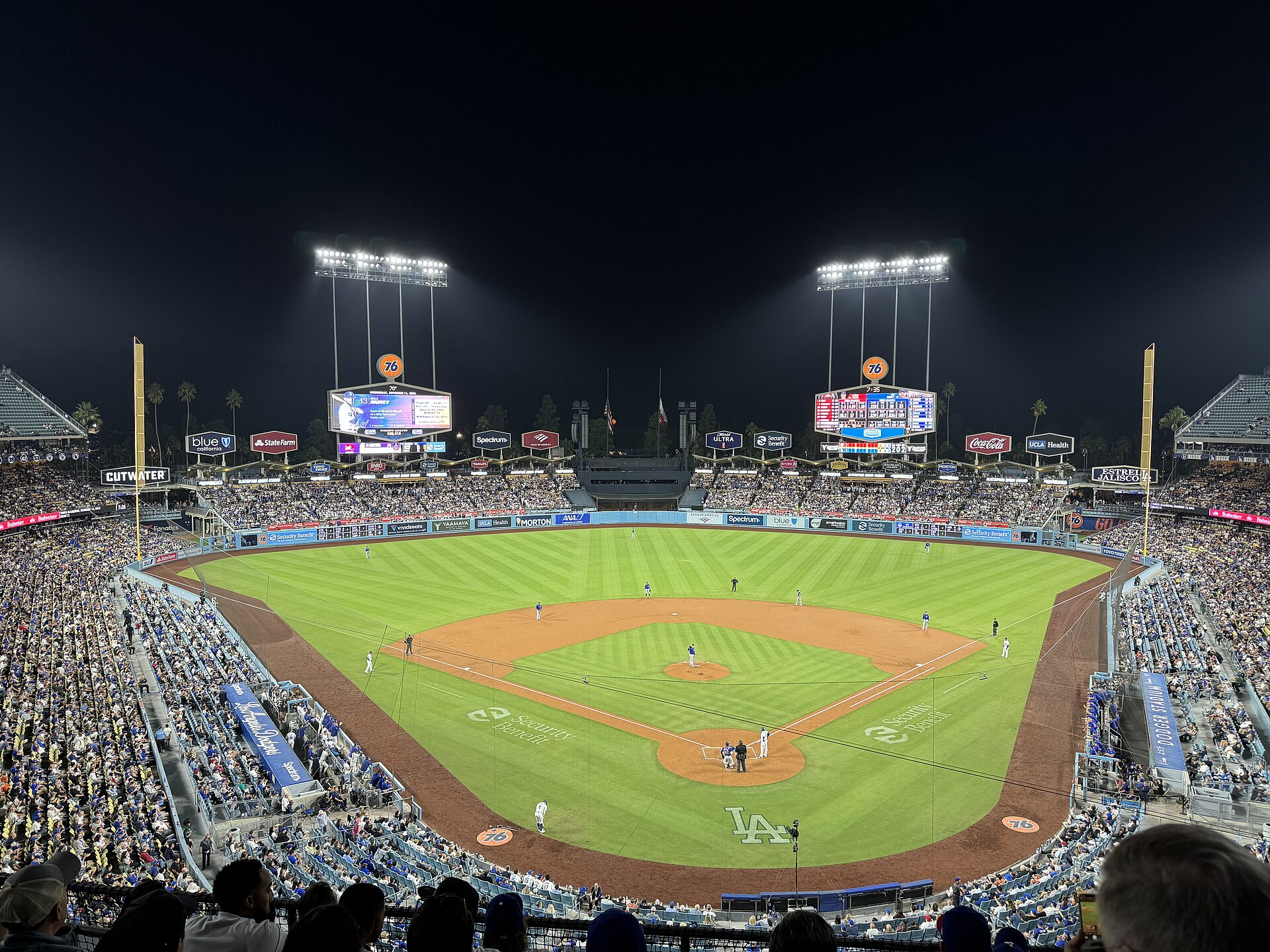
Dodger Stadium under lights during a night game

Photo: Sammythecat7, CC0, via Wikimedia Commons — Dodger Stadium during a night game on 11 September 2024.

TL;DR — the direct answer: Major League Baseball has made its latest offer: a hard salary cap of $258.2 million and a salary floor of $180.2 million, starting in 2028, tied to a 50-50 split of revenue with the players. The union called it dead on arrival. With the current labour deal expiring on 1 December and owners expected to lock the players out, baseball is heading for its second work stoppage in five years.

What happened: A day after free-agent negotiations opened for the 2026-27 offseason, owners proposed a hard cap of $258.2 million for 2028 and a floor of $180.2 million, calculated from luxury-tax payrolls using average annual values. The league said teams have too many existing commitments to cut spending fast enough for 2027, so it offered to delay the cap's start by a year. The proposal is tied to a 50-50 split of revenue with the players, and the cap and floor figures would be lower if a work stoppage cuts league revenue. Management also said it was willing to discuss phase-in timelines, and it proposed distributing the players' share of 2026 competitive balance tax money as bonuses based on service time.

Why it's trending: It is the first time baseball's owners have formally proposed a salary cap since the negotiations that led to the 1994-95 strike — the seven-and-a-half-month stoppage that wiped out the World Series for the first time in 90 years. The players' association has said for decades that it will never accept a cap, and its interim executive director, Bruce Meyer, has likened one to 'a nuclear bomb'. The union's response to the new offer was swift: it said the proposal would have cost players more than half a billion dollars had it been in place in 2026, because the players' share this season is projected at well over 50 per cent under the league's own definitions of revenue. The union also says the plan's escrow provision — which would claw back salary if the players' share tops 50 per cent — would effectively end guaranteed contracts.

Background / context: The current five-year deal, reached in March 2022 after a 99-day lockout, expires at 11:59 p.m. ET on 1 December, and management is expected to lock the players out again. The May proposal was harsher: a $245.3 million cap and a $171.2 million floor for 2027, with clubs allowed to sit at only 90 per cent of the floor. The November offer raised both numbers and pushed the start to 2028, but it kept the cap — the one thing the union says it will never accept. Players currently receive about 48 per cent of league revenue, and the union disputes the league's definitions of what counts as revenue and what counts against the players' share. Owners have also floated cutting the regular season to 154 games by 2029 to make room for a longer postseason.

What we know / what's unconfirmed: Confirmed: the November proposal's figures and 2028 start date, the 50-50 split, the escrow clawback, the union's rejection and its half-a-billion-dollar estimate, and the 1 December expiry of the current deal. Also confirmed: the May proposal's figures and the 1994 history. Unconfirmed: whether the owners will formally vote to lock out the players on 1 December — widely expected, but not yet done — and how long any stoppage would last. The last lockout took 99 days to settle; this fight, with the cap at its centre, could run longer. The union says it will respond at the bargaining table, but there is no sign of a breakthrough before the deadline.

What happens next: Little movement is expected over the next month, and a lockout is all but assured when the deal expires on 1 December. The question then becomes how long it lasts — and whether it threatens the 2027 season. Commissioner Rob Manfred has described a lockout as a way of spurring negotiations; the union calls it bad faith. The last lockout, in the winter of 2021-22, was settled after 99 days. This time the central issue is bigger: a salary cap, which the union has resisted for half a century.

Frequently asked questions

Q: What has MLB proposed?
A: A hard salary cap of $258.2 million and a salary floor of $180.2 million, starting in 2028, tied to a 50-50 split of revenue with the players. The cap and floor would be lower if a work stoppage cuts revenue.

Q: Why did the players reject it?
A: The union says the plan would have cost players more than half a billion dollars in 2026, and that its escrow provision — clawing back pay if the players' share tops 50 per cent — would effectively end guaranteed contracts. It has vowed never to accept a cap.

Q: When does the current deal expire?
A: At 11:59 p.m. ET on 1 December 2026. Owners are expected to lock out the players when it lapses.

Q: Has MLB ever had a salary cap?
A: No. Owners last formally proposed one in the negotiations that led to the 1994-95 strike, which cancelled the World Series for the first time in 90 years.

Q: How long could a lockout last?
A: Unknown. The last lockout, in the winter of 2021-22, lasted 99 days before a deal was reached. This fight centres on the salary cap, which could make it longer.

Sources: The Score (AP) — MLB proposes delaying salary cap until 2028 in latest CBA, Sportsnet — CBA negotiation watch: The latest proposals between MLB, MLBPA, and Sports Illustrated — MLB's New Proposal Does Nothing to Bridge Main Divide With Players As Lockout Looms.

← Back home