World
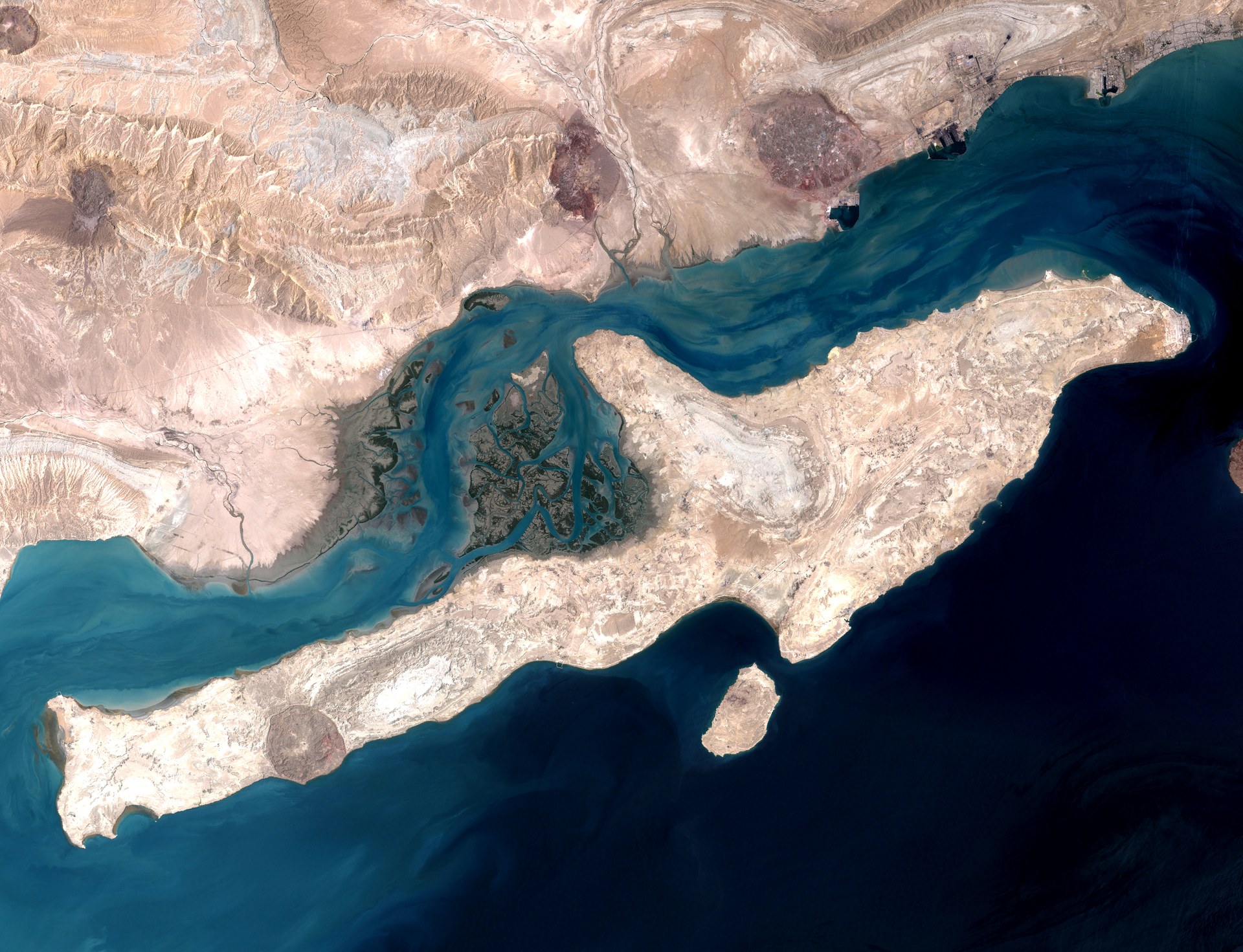
US Strikes Iran's Qeshm Island After Third Drone Attack on Bahrain Base
US jets struck an IRGC missile site on Qeshm Island after Tehran's third drone attack on US targets in Bahrain in five days, as a third US carrier arrives.
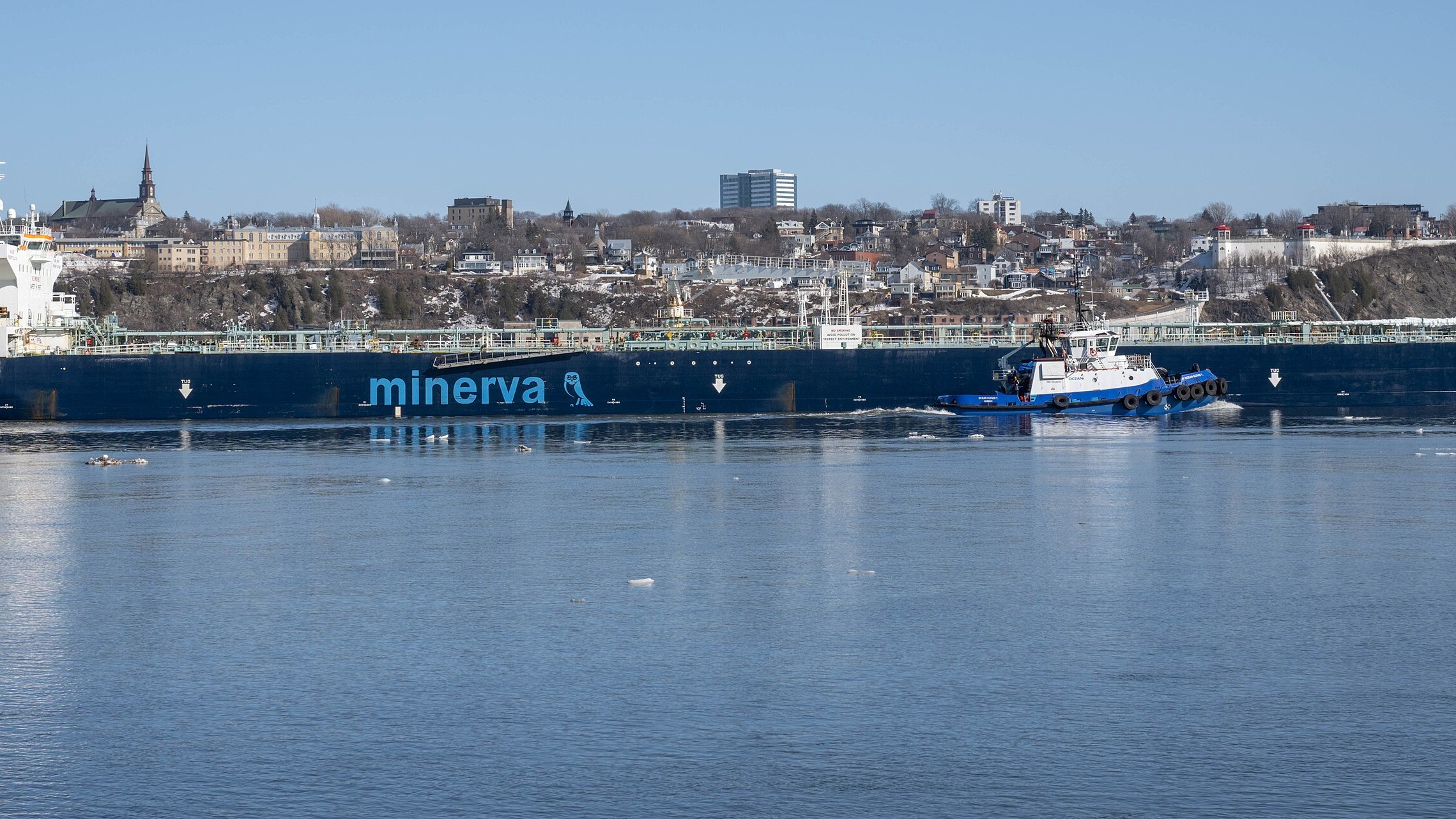
TL;DR — the direct answer: Two tankers were struck by unidentified projectiles near Oman on Saturday, 21 November, as they sailed out of the Strait of Hormuz, the United Kingdom Maritime Trade Operations centre said. The first vessel was hit on its stern about 11 nautical miles north of Khasab at around 0500 UTC, and a second was hit in its engine room about 17 nautical miles east of Khasab roughly 50 minutes later. No casualties were reported in either incident, and the environmental impact is still unknown. It is not yet clear whether the two reports involve two separate vessels or the same vessel reported twice. No one has claimed responsibility, and no vessel names or flags have been reported. Iran's navy said separately on Saturday that an oil tanker caught fire after hitting a naval mine in a restricted area east of the strait, an account that could not be independently verified. The incidents are the latest in a sharp escalation of attacks on shipping in the strait, where about 25 incidents have been reported in the past week, during a war between Iran and the United States and Israel that began in late February.
What happened: The United Kingdom Maritime Trade Operations centre, known as UKMTO, reported the two incidents in separate warnings on Saturday. The first came at around 0500 UTC, when a tanker sailing outbound through the Strait of Hormuz was hit on its stern by an unknown projectile about 11 nautical miles, or about 20 kilometres, north of Khasab, a port town on Oman's northern Musandam coast. About 50 minutes later, UKMTO reported a second incident: another tanker, also sailing outbound, was struck in its engine room by an unidentified projectile about 17 nautical miles, or about 31 kilometres, east of Khasab. UKMTO said no casualties had been reported in either incident, and that the environmental impact remained unknown. The agency did not name either vessel, give their flags, or say what cargo they were carrying. Later on Saturday, Iran's navy gave a different account of a tanker in trouble in the same waters. In a statement carried by Iranian state television, the navy said an oil tanker had caught fire after striking a naval mine in a restricted area east of the strait, and accused the vessel of ignoring warnings and travelling with its identification and navigation equipment switched off. That account could not be independently verified, and it was unclear whether the burning tanker was involved in either of the incidents UKMTO reported. A third incident was also in the background: an attack on Friday on a tanker near Khasab caused a fire on board, according to the British maritime security agency.
Why it's trending: The Strait of Hormuz is the narrow waterway between Iran and Oman that connects the Gulf with the open ocean, and before the current conflict it carried nearly a fifth of the world's crude oil supplies. Whoever controls it controls one of the most important energy routes on the planet, and for the past week it has become the most dangerous stretch of water in world shipping. Al Jazeera's correspondent in Tehran, Resul Serdar, said incidents involving tankers had increased sharply over the past week, citing statements from Iran's armed forces that about 25 incidents had been reported since the previous Saturday, an average of roughly three a day, a trend he called quite dramatic. Tehran has been open about its aim: Iranian officials say the strait is under their control, that any ship passing through it has to be in full coordination with the Iranian authorities and follow the lanes Iran has set, and that ships which do not comply will either be attacked or will hit sea mines laid by the Islamic Revolutionary Guard Corps or the Iranian forces. The message behind the escalation, Serdar said, is that if Iran cannot export its oil, other countries will not be able to either. The United States has answered by blockading Iranian ports and deploying naval vessels to escort tankers through the waterway, turning a shipping lane into a naval confrontation.
Background / context: The attacks on shipping are part of a wider war that began in late February 2026, when the United States and Israel attacked Iran. Since then Tehran has sought to tighten its grip on the strait, using the threat to shipping as leverage while its own oil exports are squeezed. The pattern fits that strategy: a steady drumbeat of small attacks, mines and warnings rather than a single large strike, each one raising the risk and cost of using the waterway. This site has already covered the earlier rounds of that confrontation, including the US strikes on Qeshm Island and Iranian drones aimed at American bases in Bahrain and Kuwait. Saturday's incidents are a new development in the same campaign, and they follow the same shape as the earlier ones: unidentified projectiles, no claim of responsibility, and a maritime agency reporting what ships tell it rather than what any government admits. The difference now is the pace. Three tankers hit in two days around the same Omani port, on top of about 25 incidents in a week, suggests the campaign is accelerating rather than settling into a routine. Commercial vessels are caught in the middle of a struggle between Washington and Tehran over who controls access to the strait, and every new incident makes shipowners and insurers recalculate whether the route is worth the risk.
What we know / what's unconfirmed: Confirmed: two incidents reported by UKMTO on Saturday, 21 November; the first at about 0500 UTC, 11 nautical miles north of Khasab, a stern hit; the second about 50 minutes later, 17 nautical miles east of Khasab, an engine room hit; both vessels outbound through the Strait of Hormuz; no casualties in either incident; environmental impact unknown; an attack on a tanker near Khasab on Friday that caused a fire on board; Iran's navy statement that a tanker hit a naval mine in a restricted area east of the strait; about 25 tanker incidents in the past week, according to statements from Iran's armed forces cited by Al Jazeera; and the wider context of the war that began in late February, the US blockade of Iranian ports and naval escorts for tankers. Three things need flagging. First, it is not settled whether two vessels were hit or one vessel was reported twice: UKMTO and Reuters say it was not immediately clear, while Le Temps and other outlets describe two tankers, and this article follows UKMTO. Second, no vessel names, flags or cargoes have been reported anywhere, so this article names no ship. Third, Iran's mine account is unverified, and it is unclear whether the tanker it describes is one of the two in the UKMTO reports. Unconfirmed: who fired the projectiles, whether the two incidents are connected, whether any oil leaked into the sea, and whether the Friday fire and Saturday's strikes are part of a single coordinated operation.
What happens next: The immediate questions are practical ones for shipping: whether the two vessels can continue under their own power, whether any oil has leaked, and whether insurers and owners start rerouting tankers away from the strait or demanding naval escorts. The longer question is whether the pace of attacks keeps rising. About 25 incidents in a week is already a sharp escalation, and if the rate holds, the strait could become effectively unusable for unescorted commercial traffic, which would force oil buyers to find other routes and push up the cost of every barrel that moves by sea. Washington and Tehran are now locked in a test of resolve: Iran is betting the threat to shipping will force the US to ease its port blockade, while the US is betting escorts and naval power can keep the strait open. Neither side has shown any sign of backing down, and the next UKMTO warning may not be far away. For now, the two tankers struck on Saturday are the latest evidence that the tanker war, which this site has been tracking since the first strikes on Qeshm Island, is still escalating.
Q: What happened to the two tankers?
A: On Saturday, 21 November, two tankers sailing out of the Strait of Hormuz were hit by unidentified projectiles near Khasab, Oman, according to the United Kingdom Maritime Trade Operations centre. The first was struck on its stern about 11 nautical miles north of Khasab at around 0500 UTC, and the second was hit in its engine room about 17 nautical miles east of Khasab roughly 50 minutes later. No casualties were reported in either incident.
Q: Were the two incidents on the same ship?
A: It is not clear. UKMTO and Reuters say it was not immediately clear whether the two reports involved the same vessel or two separate vessels. Some other outlets describe two tankers. This article follows UKMTO and flags the difference.
Q: Who attacked the tankers?
A: No one has claimed responsibility, and no government has been blamed by UKMTO. Iran's navy said separately that a tanker caught fire after hitting a naval mine in a restricted area east of the strait, but that account could not be independently verified and it is unclear whether it is the same tanker as in the UKMTO reports.
Q: Why is shipping being attacked in the Strait of Hormuz?
A: The attacks are part of the war between Iran on one side and the United States and Israel on the other, which began in late February 2026. Iran says the strait is under its control and ships must coordinate with its authorities and follow its lanes; Tehran's message, as reported by Al Jazeera, is that if Iran cannot export its oil, other countries will not be able to either. The US has responded by blockading Iranian ports and escorting tankers.
Q: How bad is the escalation?
A: About 25 incidents involving tankers have been reported in the past week, according to statements from Iran's armed forces cited by Al Jazeera, an average of roughly three a day. A tanker near Khasab also caught fire after an attack on Friday. Before the conflict, the strait carried nearly a fifth of the world's crude oil supplies.
Sources: Al Jazeera — Tankers hit in Strait of Hormuz as Iran tightens grip on shipping, Reuters via Deccan Herald — Two tanker attack incidents reported near Oman's Khasab on Saturday, UKMTO says, Xinhua — 2 tanker attack incidents reported near Oman's Khasab: UKMTO, and Haaretz — Two Oil Tankers Hit by Unidentified Projectiles Near Strait of Hormuz, U.K. Maritime Organization Says.
US jets struck an IRGC missile site on Qeshm Island after Tehran's third drone attack on US targets in Bahrain in five days, as a third US carrier arrives.
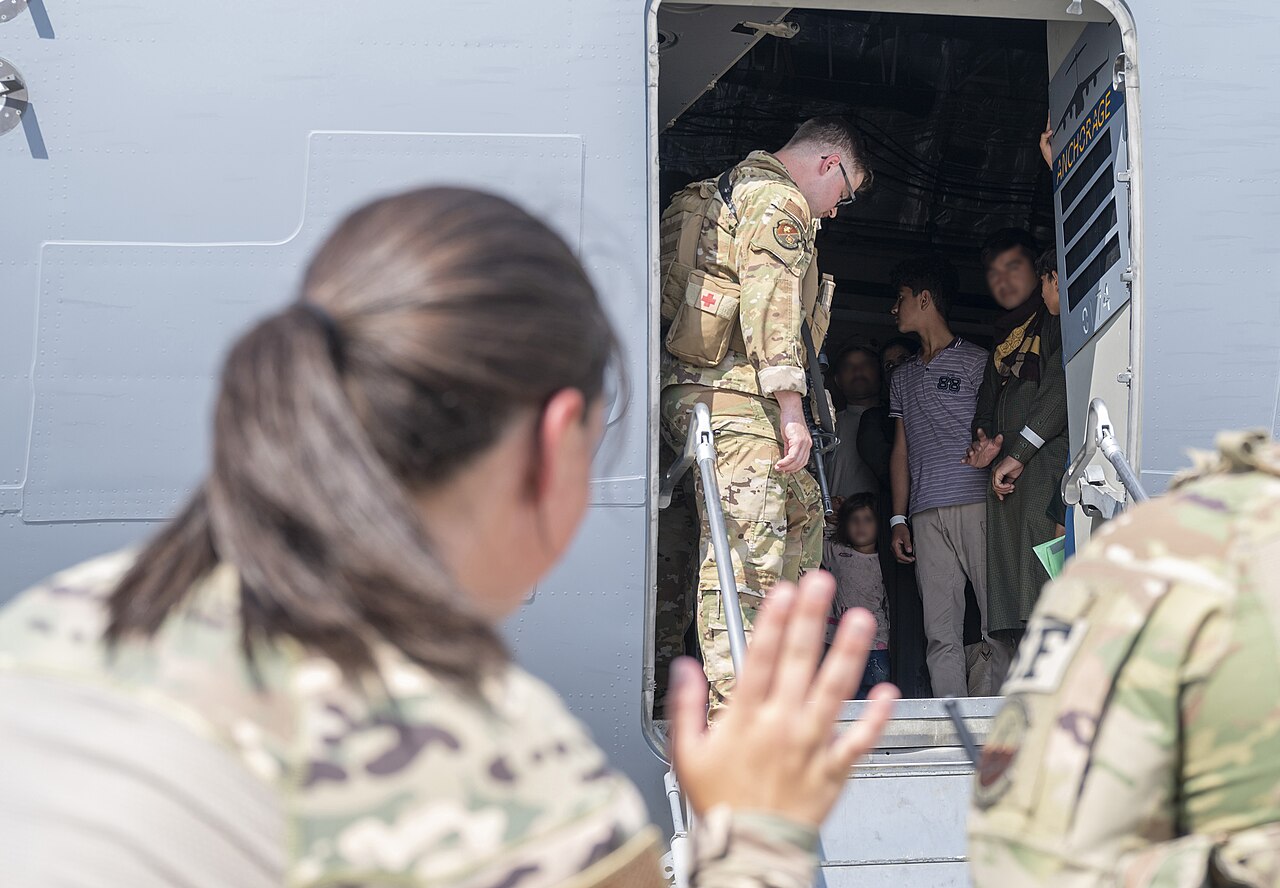
Iran widened its attacks to Kuwait on Wednesday, firing drones at Ali Al Salem Air Base and again at Bahrain, a day after US jets struck Qeshm Island.
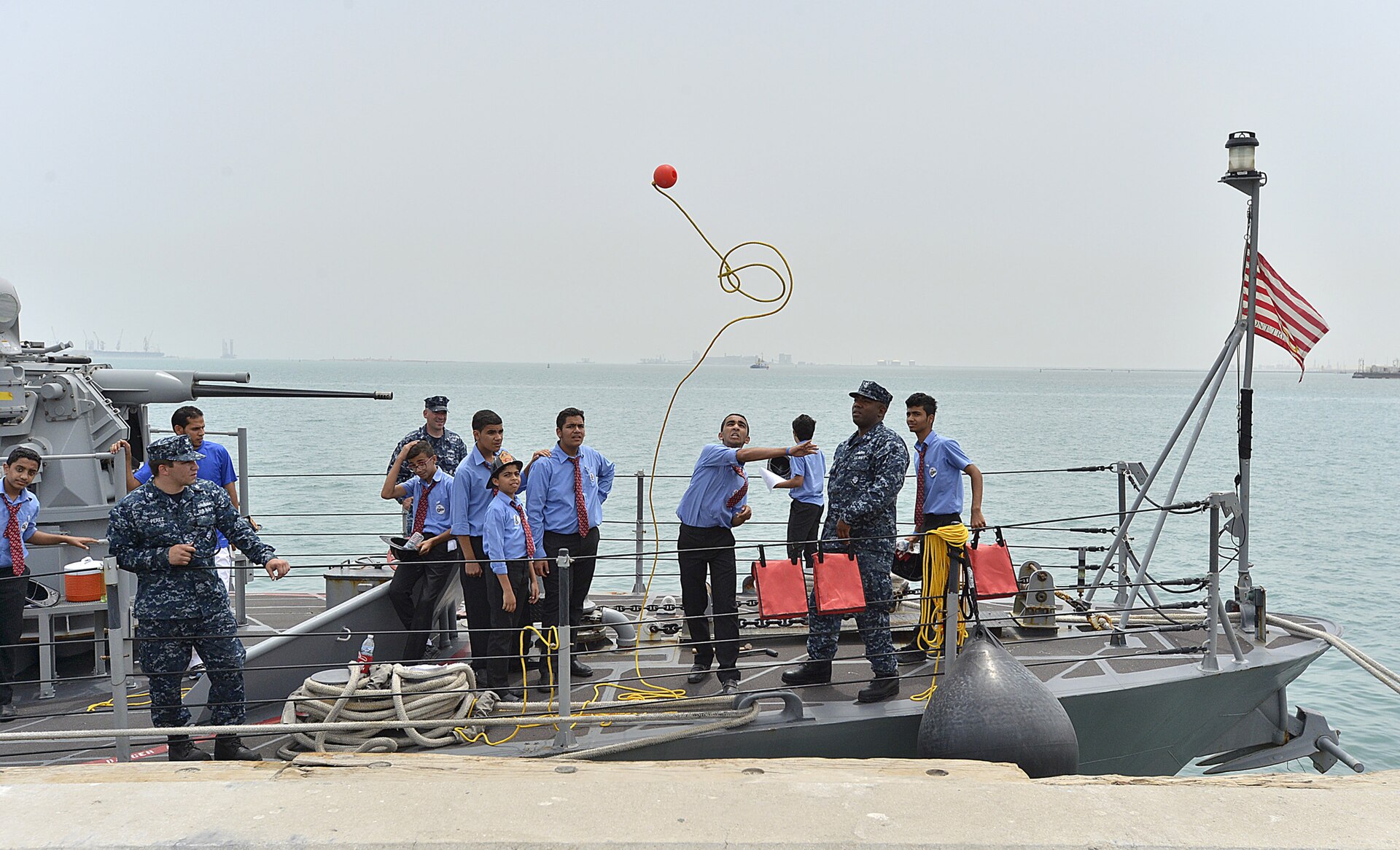
Iran says it launched six drones at a US radar at the Al-Riffa base in Bahrain, while Bahrain says its defences intercepted several attacks on Sunday.