Tech
SpaceX Catches Starship From Orbit in Historic First
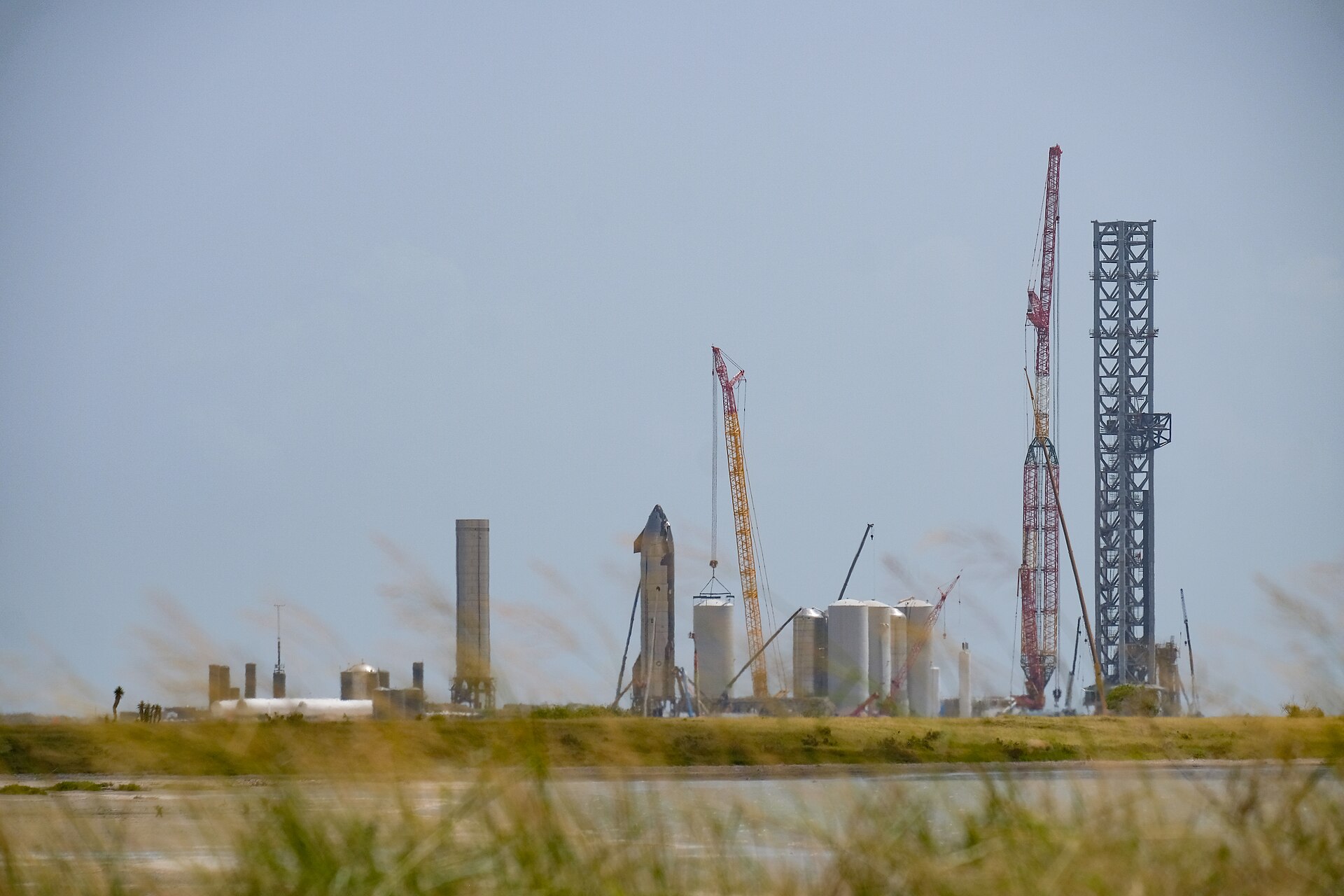
SpaceX caught its Starship spacecraft in the launch tower's arms after 14 orbits on Flight 15, a first for a vehicle returning from orbit.
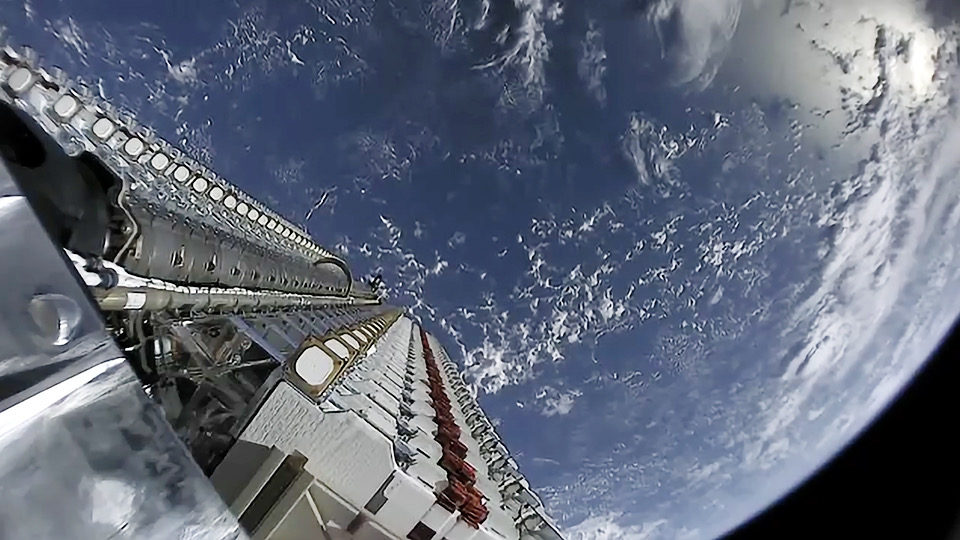
TL;DR — the direct answer: The Federal Communications Commission has authorised SpaceX to deploy up to one million satellites that will work as data centres in orbit, in the first US approval of its kind for a constellation of AI computing satellites. The FCC announced the decision on Wednesday, 25 November, clearing the company's Starmind network to help meet rapidly growing demand for AI computing. SpaceX filed its application on 30 January 2026, asking to put up to one million orbital compute modules into space that would process huge amounts of data and send the results back to Earth. The satellites would be solar-powered, linked to each other by laser beams, and fitted with Nvidia chips to run AI work above the atmosphere, where sunshine is constant and cooling is easier than in a warehouse on the ground. The approval comes with a long leash and a hard deadline. SpaceX must launch its first Starmind satellite by 25 November 2033, put 10 percent of the constellation up by 2035, half by 2038 and the whole network by 2040, or the authorisation lapses. The company says it hopes to move much faster, with its founder Elon Musk saying the first spacecraft could launch in the third quarter of 2027. The decision was not welcomed by everyone. Amazon's Kuiper unit, the satellite operator Viasat and the American Astronomical Society all asked the FCC to refuse the application, warning about orbital debris, crowded skies and the effect on astronomy. The FCC rejected their objections but attached conditions, including backup communications, regular progress reports and a detailed plan for dealing with debris.
What happened: The Federal Communications Commission said on Wednesday, 25 November, that it was authorising SpaceX to deploy a constellation of up to one million satellites for data centres in space. The agency called it the first authorisation in US history for a constellation of data centres in space, and said it was approving the SpaceX network, known as Starmind, to help meet rapidly growing demand for AI computing. FCC chairman Brendan Carr said the decision opened a bold new frontier for the computing infrastructure needed to power American leadership and growth, and the agency's release said the authorisation would let SpaceX pioneer emerging technology that advances American leadership in space and artificial intelligence. SpaceX had filed its application with the FCC on 30 January 2026, asking for permission to deploy up to one million orbital compute modules to process massive amounts of data for use back on Earth. The company's own description of Starmind is capturing solar energy in space to power low-cost, high-performance AI compute for Earth. The FCC's Space Bureau granted the application in part, denying petitions to deny filed by Kuiper Systems, Viasat and the American Astronomical Society. The authorisation covers satellites in orbital shells between 500 and 1,002 kilometres in altitude, at 30-degree and sun-synchronous inclinations, and its radio spectrum licence is limited to backup and emergency telemetry, tracking and command. The satellites would mainly communicate with each other and with the ground using laser links, including links to SpaceX's Starlink network. The FCC attached several conditions, including requirements for communications backups, regular updates and a detailed plan for orbital debris mitigation. It did not approve every part of what SpaceX asked for: the company sought a waiver to move satellites operating above 600 kilometres into so-called graveyard orbits at the end of their lives rather than bringing them down to burn up in the atmosphere, and the FCC deferred that request, along with SpaceX's request to dispose of satellites into heliocentric orbits.
Why it's trending: The sheer scale is the first reason this is travelling so fast. There are only about 17,000 satellites in orbit today, and SpaceX's Starlink network accounts for just over 11,000 of them. A constellation of one million would dwarf everything humanity has ever put into space, increasing the total number of satellites in orbit roughly fiftyfold, according to Gizmodo's estimate of the increase. The second reason is what the satellites would do. Artificial intelligence is hungry for computing power, and the data centres that provide it are running into limits on the ground: they need enormous amounts of electricity, land and cooling, and they are already reshaping power grids and planning debates in the United States. SpaceX's pitch is to move that computing off the planet, where solar power is constant and abundant, and where the heat of running chips can be radiated away into space. The third reason is the regulatory precedent. No government has ever authorised a data centre constellation before, and the FCC's decision effectively opens the door to a whole new industry, with other companies already working on their own orbital data centres. Carr made that explicit, saying that by moving compute capacity beyond Earth, SpaceX and the many competitors working on their own orbital data centres are meeting the moment. And the fourth reason is the backlash. Astronomers say a million bright satellites would damage the night sky and the science done under it, and rival satellite operators warn about collisions and debris in already crowded orbits. The American Astronomical Society said it was disheartened and dismayed by the decision and called the constellation at odds with a spirit of cooperation and goodwill.
Background / context: SpaceX already operates the largest satellite constellation ever assembled. Its Starlink network, which provides broadband internet from low Earth orbit, has just over 11,000 satellites in orbit, and the company launches new ones almost every week. Starmind is a different idea built on the same industrial base: instead of beaming internet to homes, the satellites would do the computing themselves, in orbit. Each Starmind satellite would have a wingspan of 75 metres and a deployed height of 30 metres, far larger than a Starlink satellite, and each would carry Nvidia Rubin graphics processors and Vera central processors for data-centre-class computing in space, under a partnership SpaceX announced with Nvidia in August. SpaceX said it would manufacture the Starmind satellites at its facilities in Bastrop, Texas, while its operation in Redmond, Washington, makes the satellites for the Starlink network. The technical challenge is not just getting the hardware up there. In a talk about orbital safety at the International Astronautical Congress in October, Michael Nicholls, SpaceX's senior vice president for Starlink and AI, said the satellites would need to operate in clusters in tight formation to get enough coherent compute together to run AI models efficiently. The FCC process took ten months from filing to decision, and the opposition was organised: Amazon's Kuiper satellite unit, Viasat and the American Astronomical Society all filed petitions asking the FCC to deny the application, raising concerns over orbital debris and congestion, radio-frequency interference and environmental consequences. The FCC rejected those petitions and granted the application in part, while attaching conditions that leave the hardest questions, above all what happens to dead satellites, for later.
What we know / what's unconfirmed: Confirmed: the FCC authorised SpaceX on Wednesday, 25 November, to deploy up to one million Starmind satellites as orbital data centres, the first such authorisation in US history; SpaceX filed its application on 30 January 2026; the satellites would operate in shells between 500 and 1,002 kilometres in altitude at 30-degree and sun-synchronous inclinations; the radio licence is limited to backup and emergency telemetry, tracking and command, with laser links as the primary communications; each satellite would have a wingspan of 75 metres and a deployed height of 30 metres; the satellites would carry Nvidia Rubin GPUs and Vera CPUs under a partnership announced in August; SpaceX must launch its first satellite by 25 November 2033, 10 percent of the constellation by 2035, half by 2038 and the full constellation by 2040, or the authorisation becomes void; the FCC denied petitions to deny from Kuiper Systems, Viasat and the American Astronomical Society; and the FCC deferred SpaceX's requests on graveyard orbits and heliocentric disposal. Three points need flagging. First, TechCrunch describes the decision as a conditional approval, while the FCC and Reuters describe it as an authorisation granted with conditions attached — the same decision, framed differently. Second, Gizmodo puts the increase at roughly fiftyfold, while the raw figures of one million against about 17,000 satellites in orbit today work out closer to sixty times — this article says Starmind would dwarf today's total of about 17,000. Third, the company timeline is far ahead of the regulatory deadline: Elon Musk says the first Starmind spacecraft could launch in the third quarter of 2027, and SpaceX chief financial officer Bret Johnsen said last week that the company plans to launch its first data centres into space in 2027 while expanding its presence through 2029, while the FCC only requires the first satellite by November 2033. Unconfirmed: whether SpaceX will ever actually build anything close to one million satellites; whether the economics of orbital computing beat data centres on the ground once launch and manufacturing costs are counted; whether the FCC will approve SpaceX's debris disposal plans for satellites above 600 kilometres; and how rival orbital data centre projects will be treated when they seek the same permission.
What happens next: The first test comes much sooner than the FCC's 2033 deadline. SpaceX says it wants its first Starmind spacecraft in orbit in the third quarter of 2027, and its chief financial officer has said the company plans to launch its first data centres into space in 2027 and expand through 2029. If that schedule holds, the world will get an early look at whether the hardware and the economics work. The regulatory work is not finished either. The FCC has not yet approved SpaceX's plans for handling orbital debris for satellites operating above 600 kilometres, and the company must file a detailed debris mitigation plan and regular progress updates as conditions of the authorisation. Astronomers and rival operators are unlikely to go quiet: the American Astronomical Society has already condemned the decision, and the sheer number of satellites involved means every collision-risk calculation for low Earth orbit will have to be redone. There is also a competitive race to watch. The FCC itself noted that many competitors are working on their own orbital data centres, and the precedent set by Starmind will shape how those applications are judged. If SpaceX hits its 2027 target, the debate will shift from whether orbital data centres are possible to whether they are worth it. If it slips, the long deadlines the FCC set — 2033 for the first satellite, 2040 for the full constellation — give the company years of room, and the authorisation will sit as a statement of intent rather than a network in the sky.
Q: What is Starmind?
A: Starmind is SpaceX's planned constellation of up to one million solar-powered satellites that would work as AI data centres in orbit. SpaceX describes it as capturing solar energy in space to power low-cost, high-performance AI compute for Earth. The satellites would process data in space and send the results back to the ground.
Q: What exactly did the FCC approve?
A: On 25 November, the FCC authorised SpaceX to build and operate up to one million orbital compute modules in shells between 500 and 1,002 kilometres in altitude. The radio licence is limited to backup and emergency telemetry, tracking and command, with laser links as the main communications. The FCC called it the first authorisation in US history for a constellation of data centres in space.
Q: When will the Starmind satellites launch?
A: SpaceX says the first could launch in the third quarter of 2027, and its chief financial officer has said the first data centres would go up in 2027. The FCC's own deadlines are much later: the first satellite by 25 November 2033, 10 percent of the constellation by 2035, half by 2038 and the full constellation by 2040, or the authorisation lapses.
Q: Why did Amazon, Viasat and astronomers object?
A: Kuiper Systems, Viasat and the American Astronomical Society all asked the FCC to refuse the application, warning about orbital debris, congestion in already crowded orbits, radio-frequency interference, environmental consequences and the effect of a million bright satellites on the night sky. The FCC rejected their petitions, and the astronomical society said it was disheartened and dismayed by the decision.
Q: How big is one million satellites compared with what is up there now?
A: There are only about 17,000 satellites in orbit today, and SpaceX's Starlink network accounts for just over 11,000 of them. A one-million-satellite constellation would dwarf that total — Gizmodo puts the increase at roughly fiftyfold, while the raw figures work out closer to sixty times today's total.
Sources: Reuters — US authorizes SpaceX to deploy 1 million satellites for data centers in space, Gizmodo — FCC Approves SpaceX's Plan to Deploy 1 Million Satellites to Orbit, TechCrunch — FCC approves SpaceX plan to put AI data centers in space, GeekWire — FCC clears SpaceX to put a million data center satellites in orbit, and Spaceflight Now — FCC green lights SpaceX's plan to launch 1 million Starmind data center satellites.
SpaceX caught its Starship spacecraft in the launch tower's arms after 14 orbits on Flight 15, a first for a vehicle returning from orbit.
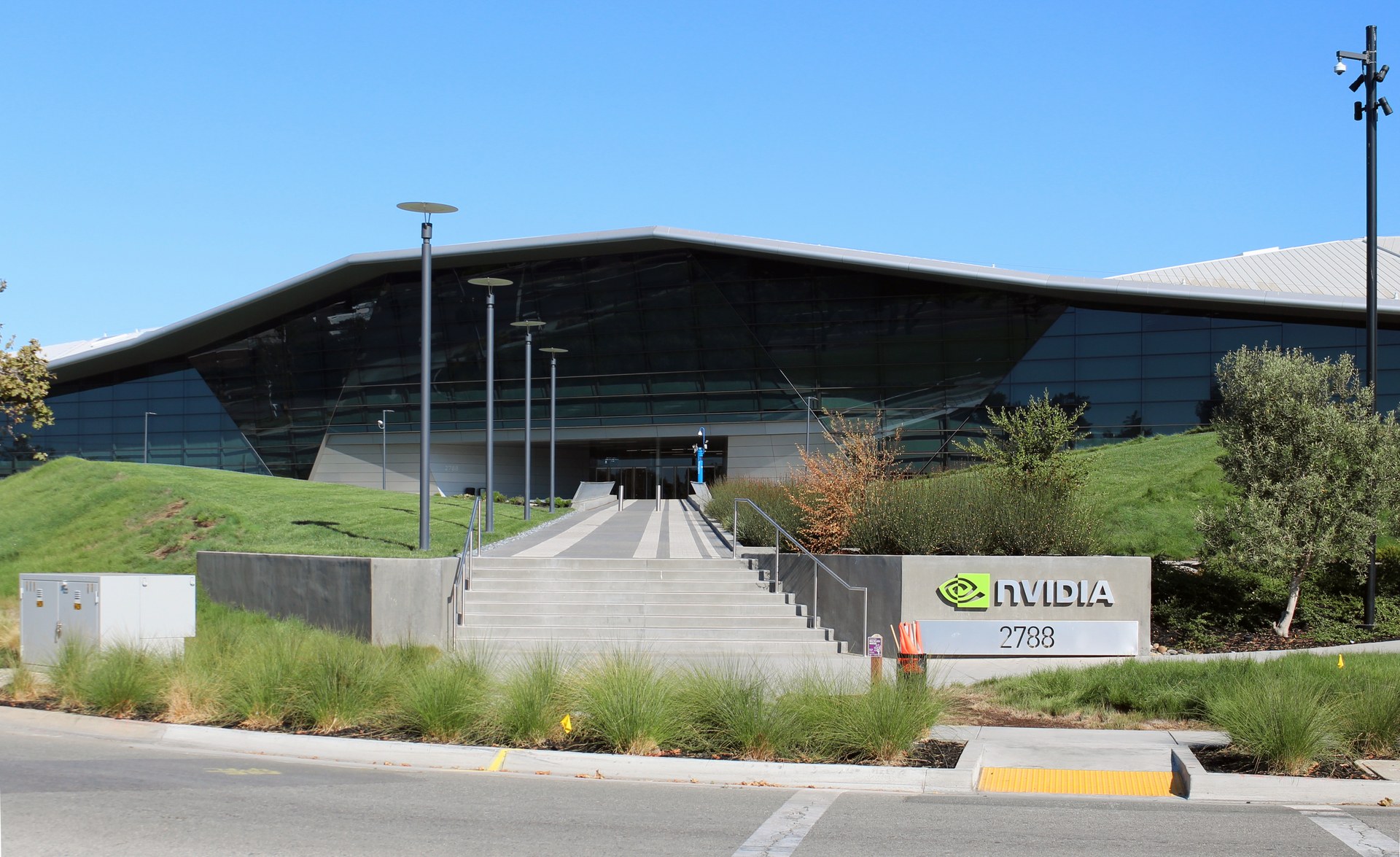
Nvidia's fiscal Q3 revenue hit $115.8 billion, up 103% from a year ago, with Q4 guided to $130 billion in its first report since Jensen Huang resigned.

Anthropic priced its IPO at $83 a share, above its $70-$78 range, raising a record $81.3 billion at a $1.5 trillion valuation ahead of Nasdaq trading.