World
ATC Warning Minutes Before Learjet Crash Killed Nine
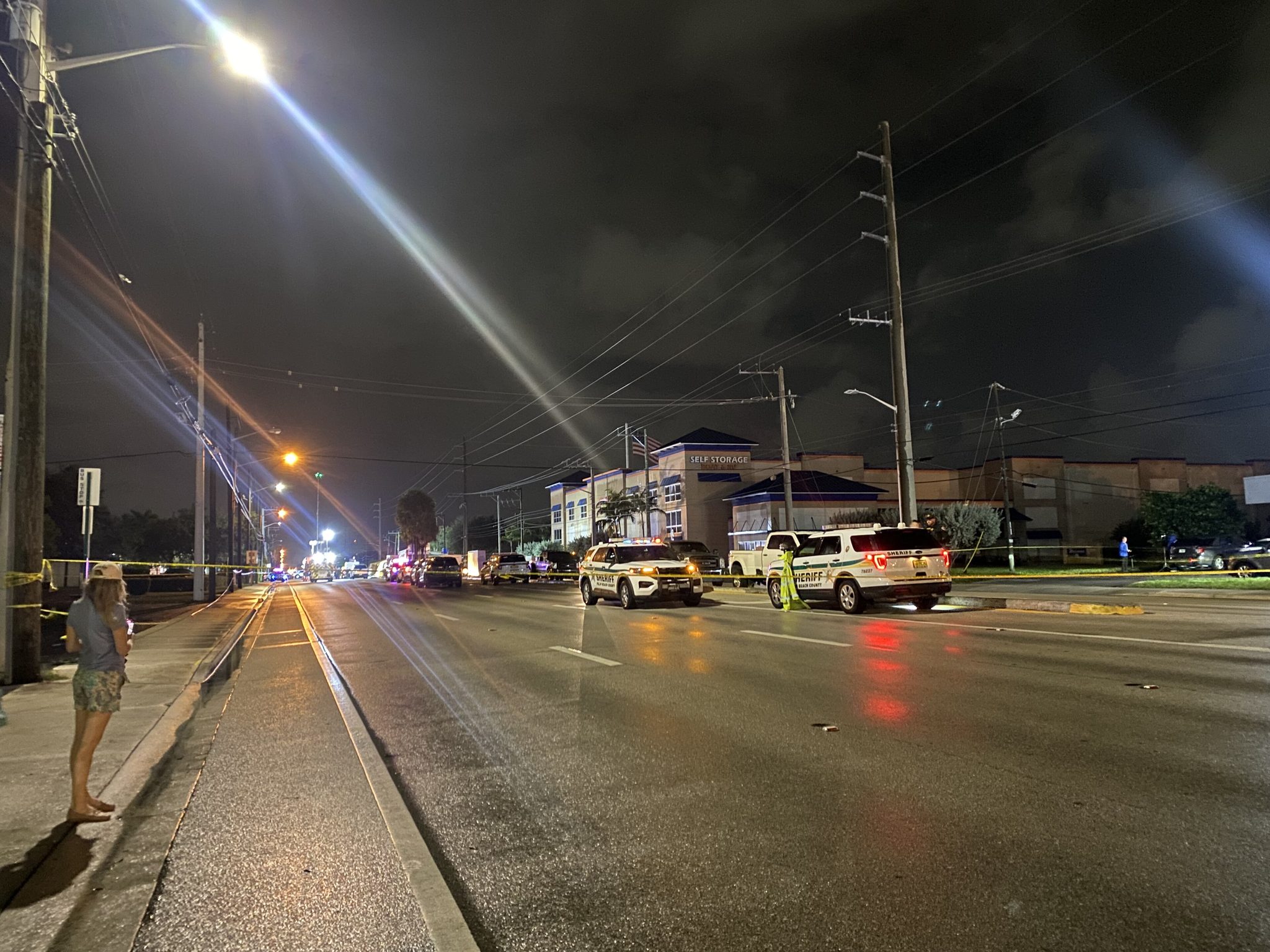
Newly reported air traffic control audio reveals the warning Learjet pilots received before their jet crashed in Florida, killing all nine people aboard.
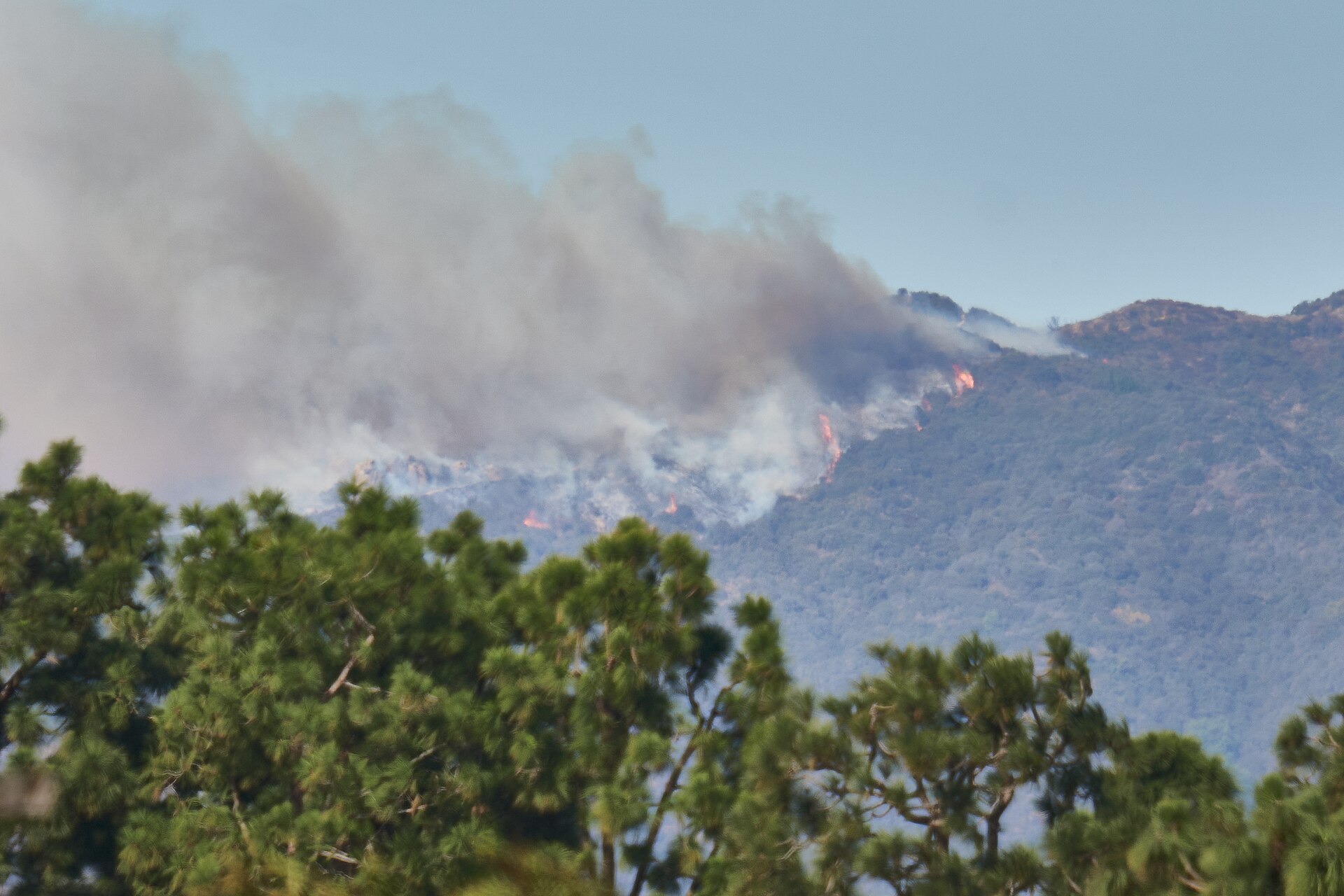
TL;DR — the direct answer: A federal jury in Los Angeles found Jonathan Rinderknecht, 30, guilty on Friday, 20 November, of starting the fire that became the Palisades fire. He was convicted on both federal counts against him: destruction of property by means of fire, and arson affecting property used in interstate commerce. Prosecutors said Rinderknecht lit a small blaze on the morning of 1 January 2025, known as the Lachman fire, which burned undetected in root systems for six days before Santa Ana winds fanned it back to life on 7 January. The Palisades fire killed 12 people, scorched 23,448 acres and destroyed more than 6,800 structures across Pacific Palisades, Topanga and Malibu, forcing about 30,000 people to flee. It was his second trial: the first, in June, ended in a mistrial after jurors deadlocked 10 to 2 in favour of acquittal. Rinderknecht, a former Uber driver, will be sentenced on 17 March 2027 and faces a minimum of five years and a maximum of 40 years in federal prison.
What happened: The verdict came on the third day of deliberations, after a 14-day retrial in Los Angeles. Jury selection had begun on 2 November, and the jury heard a tighter, more focused case than the first time around. Prosecutors dropped a third charge from the original indictment, timber set afire, and filed a superseding indictment with only the two counts on which Rinderknecht was convicted. The first charge was narrowed to cover only the 1 January blaze, the Lachman fire, while the second addresses the Palisades fire itself. Rinderknecht had pleaded not guilty to both counts. The jury convicted him on both. The case turned on a chain of evidence that prosecutors built step by step. They placed Rinderknecht at the fire's origin area with photographs showing his car parked at the base of a trail leading up to where the fire started, and cellphone tower data pointing to his movement on the hill. Fire detection camera images fixed the time window in which the blaze ignited, and fire experts testified that they had eliminated every other possible source of ignition that night, including fireworks. Prosecutors also showed that Rinderknecht was acting erratic and angry in the hours before the fire, through the testimony of Uber passengers and text messages he sent to his girlfriend at the time. Assistant US Attorney Mark Williams told the court: He was mad at everything, and frustrated.
Why it's trending: The Palisades fire was one of the defining disasters of early 2025, and the question of how it started has hung over Los Angeles ever since. Twelve people died, whole neighbourhoods in Pacific Palisades and Malibu were incinerated, and about 30,000 residents were forced to flee as the fire burned for 24 days. For months the official account was that the fire was a holdover, a blaze that had smouldered underground since New Year's Day and reignited in the wind. The trial put a name and a face to that account, and the first attempt to prove it ended in failure when the June jury deadlocked 10 to 2 in favour of acquittal. A second failure would have left the deadliest question of the fire unanswered in court. The retrial also became a test of how prosecutors handle a case built on forensic reconstruction rather than an eyewitness: no one saw Rinderknecht light the fire, so the government had to prove it from phone data, cameras, expert testimony and his own behaviour afterwards. The conviction closes the criminal case against the man accused of starting the fire, but it has not closed the argument about the fire itself. Some survivors told the New York Post the verdict brought them no closure, saying they still want city and state leaders held accountable for the response to the blaze.
Background / context: The story of the fire begins on the morning of 1 January 2025, when prosecutors say Rinderknecht used a lighter to start a small fire on a hillside above Pacific Palisades. That blaze, the Lachman fire, was put out on the surface but kept burning deep in root systems, out of sight. Six days later, on 7 January, powerful Santa Ana winds swept through the Santa Monica Mountains and the hidden fire flared back up, becoming the Palisades fire. It burned for 24 days across Pacific Palisades, Topanga and Malibu, scorching 23,448 acres, killing 12 people, destroying more than 6,800 structures and damaging nearly a thousand more. The first federal case against Rinderknecht went to trial in June and lasted two weeks. Prosecutors then presented the crime as arson motivated by societal revenge, leaning heavily on Rinderknecht's alleged resentment of the rich and powerful. That jury deadlocked 10 to 2 in favour of acquittal and the judge declared a mistrial. For the retrial, prosecutors changed their approach. According to CNN, they relied less on the resentment theme and instead focused on expert testimony, digital forensic evidence and Rinderknecht's state of mind in the hours leading up to the fire. The defence, led by attorney Steve Haney, argued the government's evidence proved nothing, and said the fire scene could have been compromised because the area stayed open to the public until the Palisades fire started on 7 January.
What we know / what's unconfirmed: Confirmed: the guilty verdict on both counts on Friday, 20 November; Rinderknecht's age, 30, and his former job as an Uber driver; the two charges, destruction of property by means of fire and arson affecting property used in interstate commerce; the 1 January 2025 ignition date and the 7 January flare-up; the June mistrial after a 10 to 2 deadlock in favour of acquittal; the dropped timber charge; the sentencing date of 17 March 2027, before US District Judge Anne Hwang; the five-year minimum and 40-year maximum sentence; the prosecution evidence on the car, phone data, camera images and expert elimination of other ignition sources; Rinderknecht's more than a dozen 911 calls as he walked down the hill, and the screen-recorded video of one of those calls; his question to ChatGPT, Are you at fault if a fire is lit because of your cigarettes, which prosecutors said was part of an alibi he was building for himself; and the defence's fireworks theory, backed by witnesses who said they heard a loud bang or explosion from the direction of the hill. Three figures need flagging. First, reports differ on how long the jury deliberated: AP and CNN say the verdict came on the third day, while USA Today says two days. Second, the number of structures destroyed is reported as 6,845 by USA Today and 6,837 by the Los Angeles Fire Department via The Times, so this article says more than 6,800. Third, one report dates the ignition to New Year's Eve rather than the morning of 1 January; CNN and USA Today both say 1 January. Unconfirmed: nothing about the verdict itself is in doubt, but the wider questions survivors are raising about the fire department's response were kept out of the trial, with jurors instructed not to consider the Los Angeles Fire Department's role in putting out the fire.
What happens next: Rinderknecht will be sentenced on 17 March 2027 by US District Judge Anne Hwang. He faces a minimum of five years and a maximum of 40 years in federal prison, so the sentencing hearing, not the verdict, will decide how much of his life the fire costs him. Prosecutors said after the verdict that they had been determined to hold him accountable and that the guilty verdict delivers a measure of justice for the families who lost loved ones and the thousands whose lives were upended. For the survivors, the criminal case is only one part of the reckoning. Civil claims and the public argument over the city's handling of the fire, including why the original 1 January blaze was believed to be fully out, are still open, and some survivors have said plainly that a conviction does not settle them. The verdict also sets a marker for holdover-fire cases: prosecutors proved an arson that no one witnessed, from phone records, camera images and expert testimony about how a fire can hide underground for six days. That reconstruction is now the official account of how one of California's most destructive wildfires began.
Q: Who is Jonathan Rinderknecht?
A: Jonathan Rinderknecht, 30, is a former Uber driver from Los Angeles. A federal jury convicted him on 20 November 2026 of starting the fire that became the Palisades fire. Prosecutors said he lit a small blaze on the morning of 1 January 2025 that smouldered underground for six days before flaring up on 7 January.
Q: What was he convicted of?
A: Two federal counts: destruction of property by means of fire, and arson affecting property used in interstate commerce. The first charge covers the 1 January blaze, known as the Lachman fire, and the second covers the Palisades fire itself. A third charge from the first trial, timber set afire, was dropped before the retrial.
Q: What sentence does he face?
A: He will be sentenced on 17 March 2027 by US District Judge Anne Hwang. He faces a minimum of five years and a maximum of 40 years in federal prison.
Q: Why was there a second trial?
A: The first trial, in June 2026, ended in a mistrial after the jury deadlocked 10 to 2 in favour of acquittal. Prosecutors filed a new indictment with only two charges and retried the case, with jury selection starting on 2 November. The retrial lasted 14 days and the jury convicted on both counts.
Q: How did prosecutors prove he started the fire?
A: No one saw him light it, so the case was built on reconstruction: photographs of his car at the base of a trail to the ignition point, cellphone tower data showing his movement on the hill, fire detection camera images fixing the ignition window, and experts who ruled out every other source of ignition, including fireworks. Prosecutors also pointed to his behaviour afterwards, including more than a dozen 911 calls and a question he asked ChatGPT about whether a person is at fault if a fire is lit because of their cigarettes.
Sources: CNN — Federal jury convicts man of starting the deadly 2025 Palisades Fire in Los Angeles, AP via WCMU — Federal jury convicts man of starting the deadly 2025 Palisades Fire in Los Angeles, USA Today — Jury finds man guilty of arson in LA fires retrial, and The Wrap — Palisades Fire Suspect Found Guilty of Starting Deadly Blaze After Retrial.
Newly reported air traffic control audio reveals the warning Learjet pilots received before their jet crashed in Florida, killing all nine people aboard.
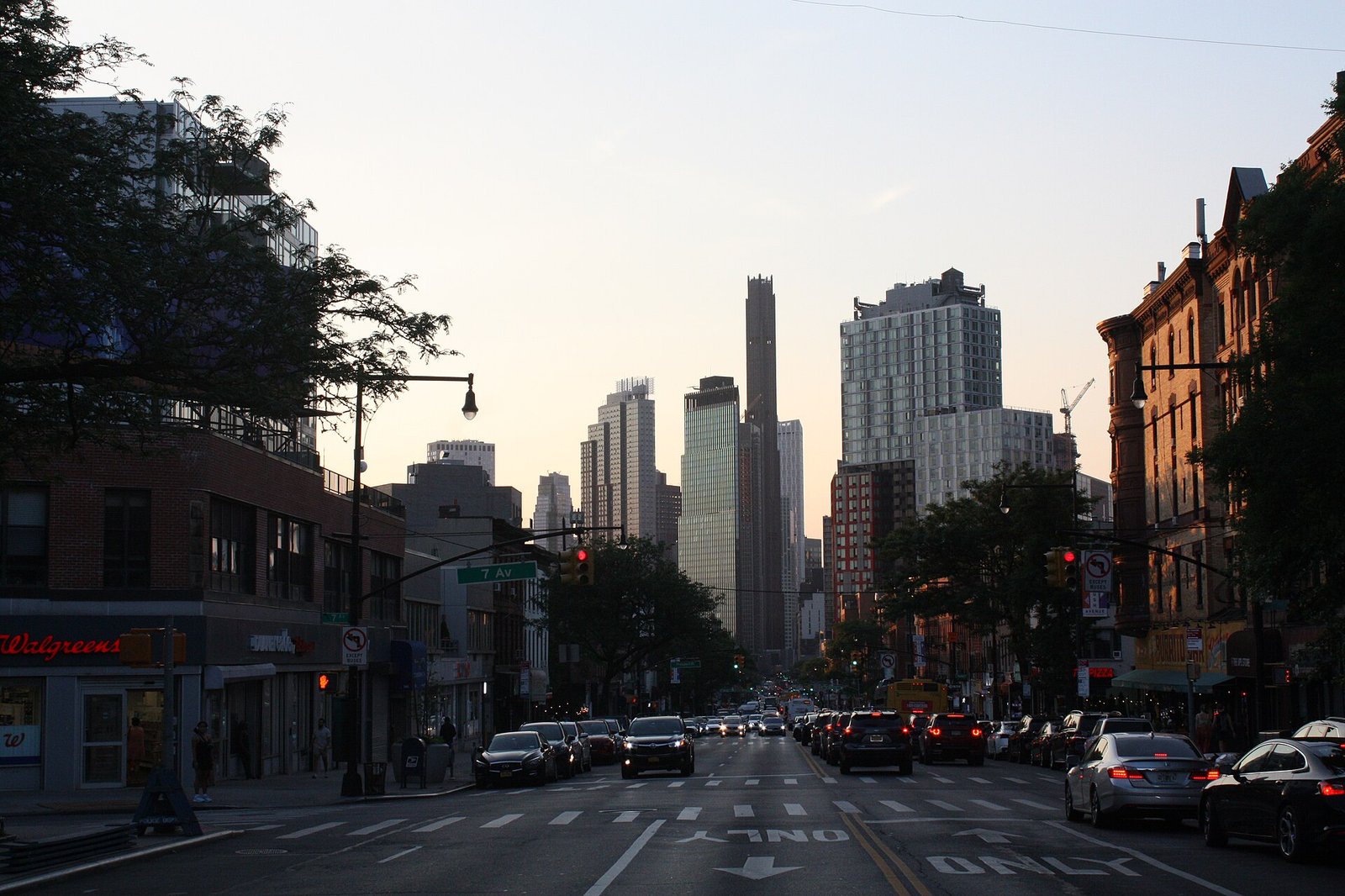
At least eight people, including two children, died when a three-storey Brooklyn apartment building collapsed into an excavation pit.
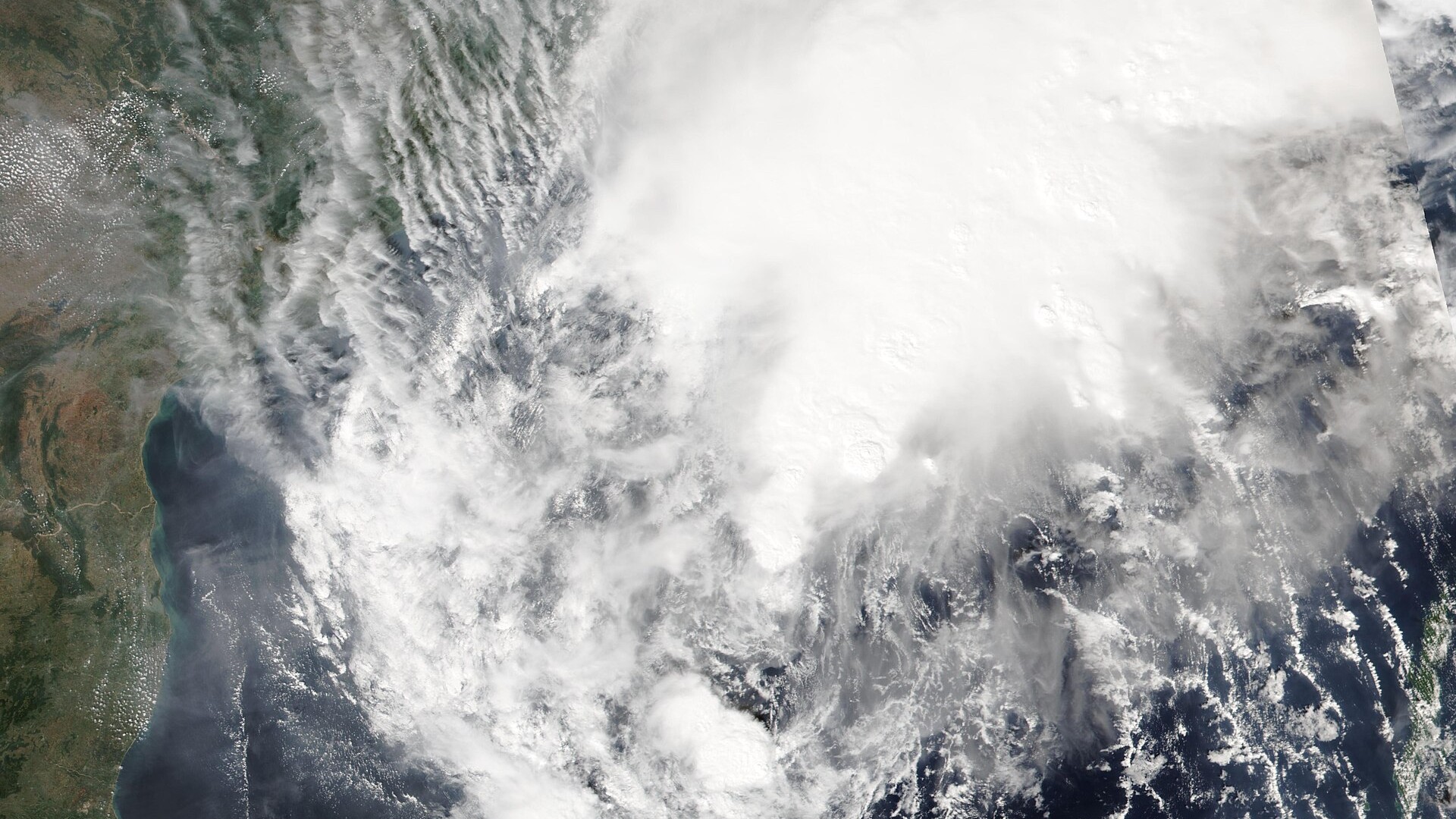
Cyclone Akvan crossed the Odisha coast near Gopalpur on Friday with winds of 70-80 kmph, bringing heavy rain but no major damage or loss of life.