
World
6.6-Magnitude Earthquake Strikes Near Tual in Eastern Indonesia
A magnitude 6.6 earthquake struck 151 km west-southwest of Tual, Indonesia, in the Banda Sea.
Drafted with the help of AI tools and reviewed by our editor. Read our editorial policy.
TL;DR — the direct answer: A magnitude 5.0 earthquake struck off the Southern California coast on Saturday morning, 28 November 2026, rattling Los Angeles, halting a Delta Air Lines plane as it came in to land at Los Angeles International Airport, and setting off a swarm of aftershocks. The quake hit at 9:30 a.m. Pacific Time, about 3.7 miles west-southwest of Manhattan Beach, at a depth of about 7.6 miles, according to the US Geological Survey. Windows shattered in one terminal at LAX, an aftershock knocked a ceiling panel loose, and a Chevron refinery activated safety flaring that sent intermittent flames and smoke into the sky. There were no immediate reports of injuries or major damage, and the Los Angeles Fire Department said after checking more than 100 fire stations that no significant infrastructure damage had been found inside the city. The strongest aftershock, magnitude 4.5, followed at 11:41 a.m. Seismologists said more aftershocks were likely over the coming days and warned residents to be ready for them.
| Metric / Date | Key Detail | Source |
|---|---|---|
| 28 Nov 2026, 9:30 a.m. PT | Magnitude 5.0 quake, epicentre 3.7 miles west-southwest of Manhattan Beach, depth about 7.6 miles | CNN |
| LAX | Delta flight aborted landing just before touchdown; windows shattered in one terminal; ceiling panel dislodged by an aftershock | The Straits Times |
| Aftershocks | At least 40 aftershocks, including a magnitude 4.5 at 11:41 a.m.; USGS put the chance of a magnitude 4.0 or greater aftershock at 30% | CNN |
| Chevron refinery | Safety flaring activated; intermittent flames and smoke controlled, no safety risk to the community, the company said | The Straits Times |
| Damage | No significant infrastructure damage or injuries within the city of Los Angeles, the fire department said after its checks | The Straits Times |
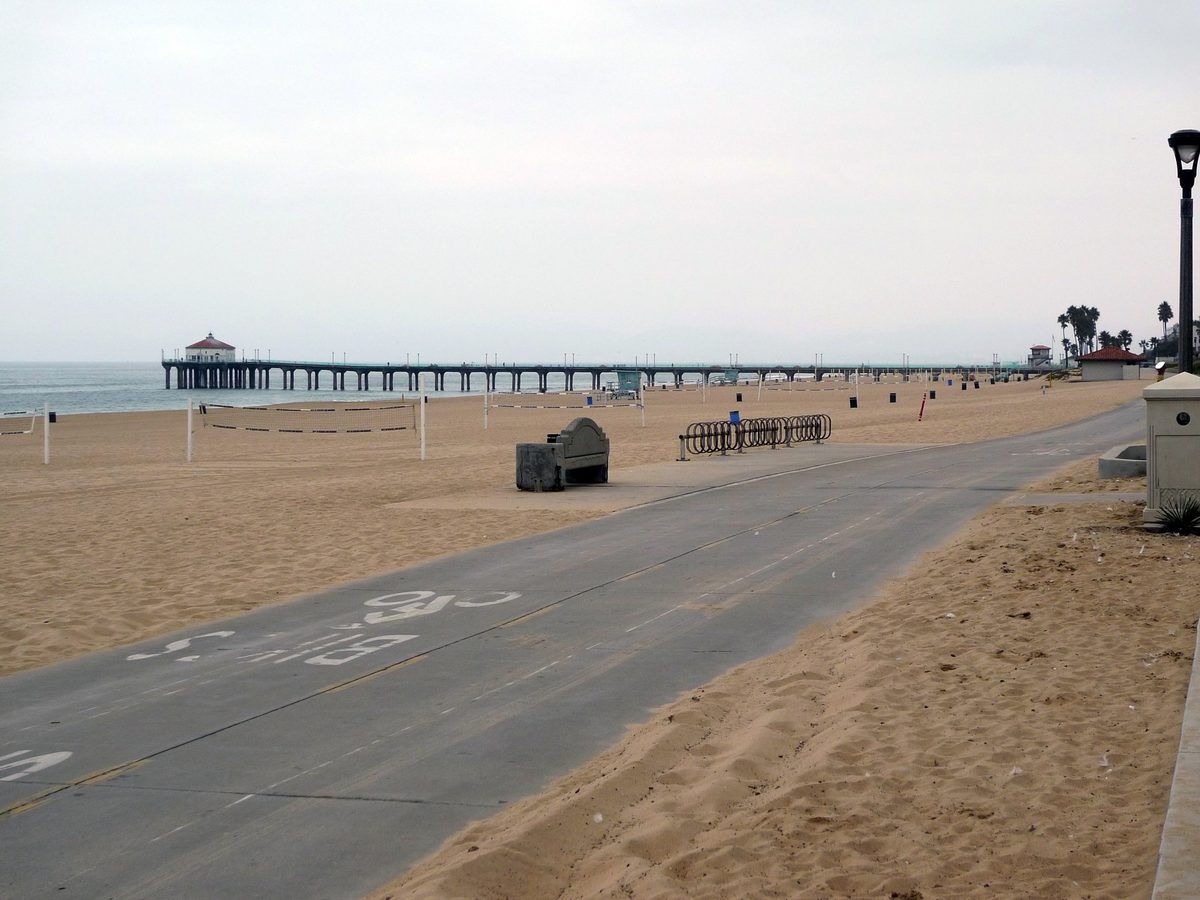
A magnitude 5.0 earthquake struck off the Southern California coast at 9:30 a.m. Pacific Time on Saturday, 28 November 2026, and it was felt across the Los Angeles area. The US Geological Survey put the epicentre about 3.7 miles west-southwest of Manhattan Beach, a coastal city of about 35,000 people in Los Angeles County, at a depth of about 7.6 miles, roughly 20 miles southwest of downtown Los Angeles. The shaking set off car alarms, sent people running out of beach town shops, and shattered bottles on the floor of a grocery store in Hermosa Beach. The shaking was felt as far away as Pasadena and Ventura County, according to the USGS, and one comment under the California governor's post summed up the scene at the airport: some people acted as if nothing happened, others were in tears, others were lying on the floor. At Los Angeles International Airport, a Delta Air Lines plane that was on the point of touching down was ordered to abort its landing, in case a crack had appeared in the runway. Windows in one of the terminals were shattered, and an aftershock later knocked a white ceiling panel loose. After the first tremor, a Chevron refinery in Southern California activated safety flaring to guard against potential dangers in its system, producing intermittent shoots of fire and smoke that the company said were controlled. The Los Angeles Fire Department went into earthquake mode, with personnel from more than 100 fire stations assessing critical infrastructure by land, air and sea. The city of Manhattan Beach closed its pier out of an abundance of caution. A collapsed chimney was photographed in Manhattan Beach. The Manhattan Beach earthquake was followed within minutes by smaller quakes: a magnitude 3.0 struck about 4.3 miles west-southwest of Hermosa Beach at 9:34 a.m., followed seconds later by a magnitude 2.5 about 6.2 miles west-southwest of Manhattan Beach, and a magnitude 3.7 struck about 3.1 miles southwest of Manhattan Beach at 10:01 a.m.
The quake is trending because it was the biggest the Los Angeles area has felt in a while, it hit on a holiday weekend when millions of people were out shopping and travelling, and it produced the kind of dramatic scenes that spread fast: an airliner pulling out of its landing at the last moment, glass breaking at the airport, and flames rising from a refinery. Seismologist Lucy Jones, a research associate at Caltech, told local media the first jolt was one of the larger ones we have had in the Los Angeles area in quite a while. The timing added to the drama. The quake struck on the Saturday of the Thanksgiving weekend, a day after Black Friday, when the roads and malls were full. It also struck on a morning of big sport: about 30 miles away, tailgating fans at the Rose Bowl in Pasadena felt the ground move before the USC-UCLA college football game. The aftershock sequence kept the story alive all day. The USGS estimated that around 15.84 million people felt the initial quake, with 5.87 million of them feeling light to strong shaking, and the most severe shaking came in the Manhattan Beach and El Segundo areas. By the afternoon, at least 40 aftershocks had been counted, and the USGS put the chance of an aftershock of magnitude 4.0 or greater at 30 percent, which is why the story stayed at the top of the news through the day.
California is no stranger to earthquakes, but a 5.0 close to a big city still gets attention. The US West Coast sits at the meeting point of several of the Earth's tectonic plates, and tremors are common, though most are small and barely noticed by the 40 million people who live in the state. The area has been struck by major quakes before, including the 1994 Northridge earthquake in the Los Angeles area, which killed dozens of people, injured thousands and caused billions of dollars of damage, and the 1906 San Francisco earthquake, thought to have killed upwards of 3,000 people, some in fires that erupted after the tremor. The fault that caused Saturday's quake was not immediately known, though the USGS fault database put the epicentre 2.1 miles southwest of the Compton thrust fault. One reason the damage was limited is that the quake happened offshore: Lucy Jones told reporters the shaking was mitigated because the epicentre was under the ocean rather than under the city, though it was close enough to the coast that the South Bay felt it hard. The Manhattan Beach Pier, which the city closed as a precaution, is a landmark of the beach town where the quake was centred, and the pier's closure was a reminder that officials treat even a moderate quake seriously when it strikes near a crowded shoreline on a holiday weekend. The same Thanksgiving weekend had already brought King tides to the California coast, flooding parts of the shoreline, so the quake was the second natural drama of the holiday.
Confirmed: a magnitude 5.0 earthquake struck at 9:30 a.m. Pacific Time on Saturday, 28 November, with an epicentre about 3.7 miles west-southwest of Manhattan Beach at a depth of about 7.6 miles; a Delta Air Lines plane aborted its landing at LAX just before touchdown because the crew could not know whether the runway had cracked until it was checked, and Los Angeles Mayor Karen Bass said that was absolutely the right thing to do; windows in one terminal at LAX were shattered and an aftershock knocked out a white ceiling panel; a Chevron refinery activated safety flaring, with intermittent flames and smoke that the company said were controlled and did not pose a safety risk to the community; the Los Angeles Fire Department went into earthquake mode with personnel from more than 100 fire stations, then said no significant infrastructure damage or injuries had been noted within the city of Los Angeles; the Manhattan Beach Pier was closed out of caution; and at least 40 aftershocks followed, including a magnitude 4.5 at 11:41 a.m. that sent the fire department back into earthquake mode. Three details need flagging. First, the magnitude was revised twice: the USGS first reported 5.2, then 4.7, then reassessed the quake at 5.0, and this article uses the final figure. Second, the New York Post puts the 11:41 a.m. aftershock at magnitude 4.6, while CNN and Caltech say 4.5, and this article uses 4.5. Third, KTLA puts the 10:01 a.m. aftershock at magnitude 3.7, while TheWrap says 3.5, and this article uses 3.7. What remains unconfirmed is whether a larger quake follows: the USGS put the chance of an aftershock of magnitude 4.0 or greater at 30 percent, and one seismologist put the chance of a larger tremor at about 5 percent, but neither figure is a prediction. The full damage picture is also still open, with assessments continuing beyond the city limits.
The aftershocks are expected to continue. Caltech's Seismological Laboratory said the sequence near Manhattan Beach was continuing, with numerous aftershocks after the initial magnitude 5.0 quake, and warned that the magnitudes of the events may change as they are reviewed and more data becomes available. The California governor's Office of Emergency Services said it was actively working with local officials to assess any impacts, and told residents that earthquakes are unpredictable, so be prepared for aftershocks. The official advice is the standard one: drop, cover and hold on until the shaking stops, protect your head and neck, and take cover under sturdy furniture, near a sturdy interior wall, and away from windows and doorways. At LAX, the runway checks that forced the Delta abort will be repeated if further strong aftershocks hit, and the Manhattan Beach Pier will stay closed until the city is satisfied it is safe. The fire department, which declared its first earthquake mode complete at 10:40 a.m. and then went back into earthquake mode after the 11:41 a.m. aftershock, will keep assessing infrastructure. For residents, the Manhattan Beach earthquake is a reminder that the ground under Los Angeles never truly settles, and the next few days will show whether the sequence is fading or building. For residents, the practical question is the next few days: seismologists expect smaller aftershocks in the same offshore zone, gradually fading if no larger rupture occurs, but the 30 percent chance of a magnitude 4.0 or greater aftershock means the weekend is not over yet.
Q: When and where did the Los Angeles earthquake strike?
A: The magnitude 5.0 earthquake struck at 9:30 a.m. Pacific Time on Saturday, 28 November 2026, with its epicentre about 3.7 miles west-southwest of Manhattan Beach, off the Southern California coast, at a depth of about 7.6 miles. It was felt across the Los Angeles area, about 20 miles southwest of downtown Los Angeles, and the USGS estimated around 15.84 million people felt it.
Q: How strong was the quake and how many aftershocks followed?
A: The main quake was magnitude 5.0, after the USGS first reported 5.2 and then 4.7 before reassessing it at 5.0. At least 40 aftershocks followed, according to Caltech seismologists, including a magnitude 4.5 at 11:41 a.m. The USGS put the chance of an aftershock of magnitude 4.0 or greater at 30 percent, and more aftershocks are expected over the coming days.
Q: What happened at Los Angeles International Airport?
A: A Delta Air Lines plane that was about to touch down was ordered to abort its landing, in case the shaking had cracked the runway. Windows in one of the terminals were shattered, and an aftershock later knocked a white ceiling panel loose. Los Angeles Mayor Karen Bass said aborting the landing was absolutely the right thing to do, because the crew could not know whether the runway was safe until it was checked.
Q: Was the Chevron refinery on fire after the earthquake?
A: No. The Chevron refinery in Southern California activated safety flaring, a controlled procedure that guards against potential dangers in the system after a quake. It produced intermittent shoots of fire and smoke, but the company said the flaring was controlled and did not pose a safety risk to the community. It was not a fire and there was no uncontrolled blaze at the refinery.
Q: Was anyone hurt or was there major damage?
A: There were no immediate reports of injuries or major damage. The Los Angeles Fire Department went into earthquake mode, with personnel from more than 100 fire stations assessing critical infrastructure by land, air and sea, and said afterwards that no significant infrastructure damage or injuries had been noted within the city of Los Angeles. The Manhattan Beach Pier was closed as a precaution, and a collapsed chimney was seen in Manhattan Beach.
Sources: CNN - Numerous aftershocks felt after preliminary 5.0 earthquake strikes off the coast near Los Angeles, The Straits Times - Los Angeles earthquake rattles city with aftershocks, USA Today - Multiple aftershocks strike LA in wake of magnitude 5.0 earthquake, New Indian Express - Magnitude 5.0 earthquake, multiple aftershocks rattle Los Angeles, and ABP Live - 5.0 Magnitude Earthquake Rattles Los Angeles; Windows Shattered At Airport, Flight Aborts Landing.
A magnitude 6.6 earthquake struck 151 km west-southwest of Tual, Indonesia, in the Banda Sea.

Record king tides flooded California's coast on Tuesday, breaking a 44-year November record in San Francisco, with even higher water due Wednesday.
Vibe coding means describing software in plain words and letting AI write the code.
The day’s biggest stories in your inbox every morning — free, no spam, unsubscribe anytime.