World
Israel Stuck in Election Deadlock as Bennett Backs Eisenkot — and No Bloc Reaches 61 Seats
Israel's 27 October election left no bloc with a Knesset majority: Netanyahu's bloc won 53 seats, the opposition 48, and Arab-led parties a record 19.
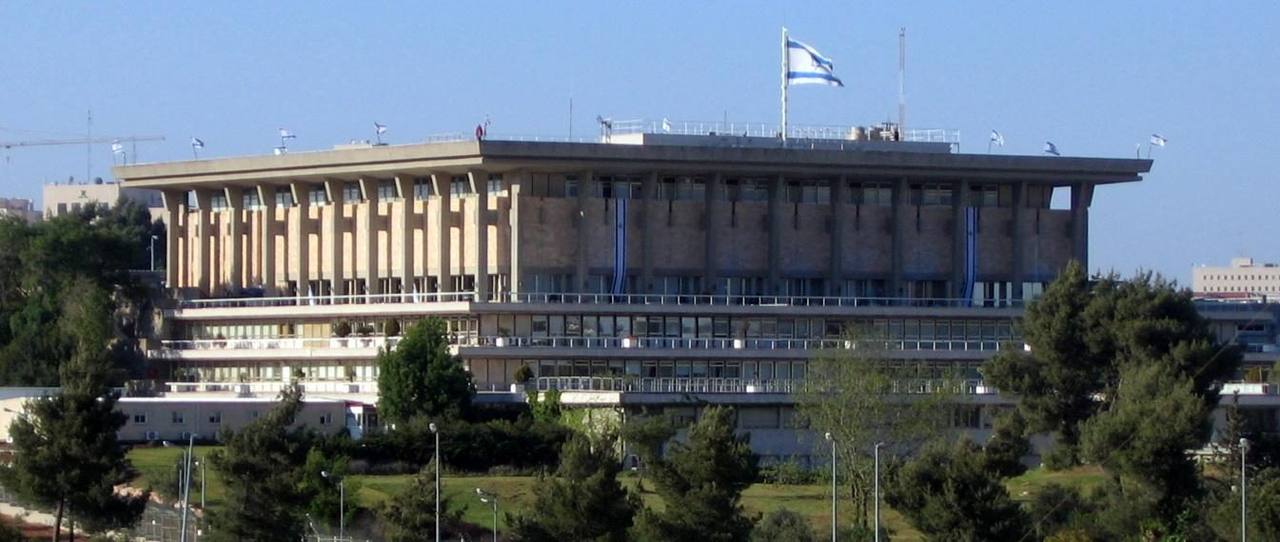
TL;DR — the direct answer: Israel's new parliament was sworn in on Tuesday, 10 November, without a new government, after a deadlocked election stripped Benjamin Netanyahu of his majority but left his rivals with no clear path to power either.
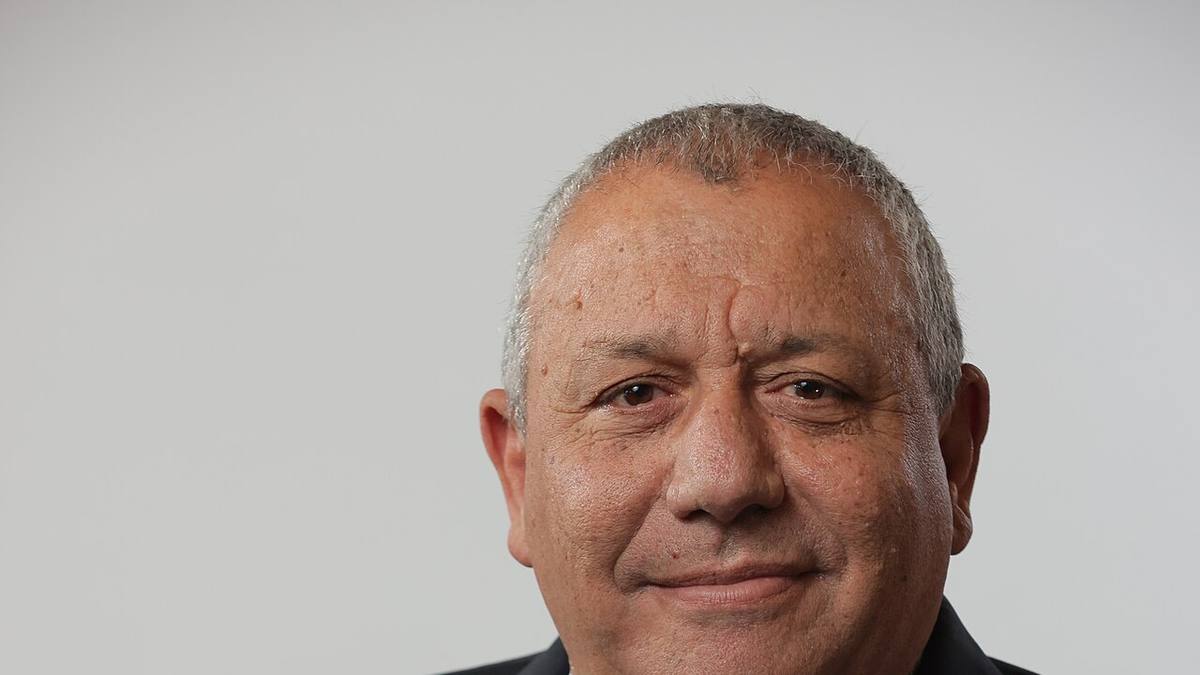
What happened: Lawmakers elected in the 27 October vote took their oaths of office as the 26th Knesset convened in Jerusalem. Gadi Eisenkot, a former general who leads the centre-right Yashar party, is trying to forge a coalition after President Isaac Herzog tasked him on Sunday, 8 November, with forming a government. Eisenkot initially has until 6 December, and can seek a two-week extension to 20 December. Presiding over the ceremony, Herzog told lawmakers: 'You must do everything to avoid a repeat election.' Netanyahu remains caretaker prime minister until a new candidate manages to form a coalition.
Why it's trending: The numbers explain the deadlock. Netanyahu's right-wing Likud alliance with far-right and ultra-Orthodox parties outperformed expectations but still lost its majority, holding 53 of the Knesset's 120 seats. Eisenkot's bloc holds just 48 seats, and the Arab-led parties hold the remaining 19 — a government needs 61. Eisenkot's options are all difficult: try to form a minority government with Arab party support, bring ultra-Orthodox parties into his camp despite years of mutual hostility, or forge a unity government with Netanyahu. The ultra-Orthodox parties have so far said they would not join an Eisenkot-led government. On the day itself, Netanyahu proposed a unity government, tied it to Iran, and told ultra-Orthodox lawmakers that 'a narrow government [led by Eisenkot] must not be formed'. Eisenkot rejected the offer the same afternoon, saying 'we must act urgently to establish a national emergency government.'
Background / context: The final count, published on 4 November, gave Likud 27 seats as the largest single party, Yashar 21, and the anti-Netanyahu bloc 48 in total. Sixty-seven lawmakers recommended Eisenkot to the president, against 46 for Netanyahu and seven for no one. Turnout was 78% of Israel's 7,331,981 eligible voters. The opposition bloc moved fast on its first day: it filed bills to establish a state commission of inquiry into the 7 October 2023 attacks, to impose term limits on the prime minister, and to repeal the judicial overhaul. It also filed a request, signed by 67 lawmakers, to replace Speaker Amir Ohana with Matan Kahana, with the vote scheduled for Tuesday, 17 November. A speaker from the anti-Netanyahu bloc could force consideration of the inquiry legislation.
What we know / what's unconfirmed: Confirmed: the swearing-in, the seat counts, the mandate and its deadline, and the first-day bills. Unconfirmed: whether Eisenkot can actually assemble 61 votes. His 48 seats reach 61 only with Ra'am, the Joint List, or defectors from Netanyahu's bloc — and the Joint List has rejected joining an Eisenkot coalition, though it has said it would consider supporting one from outside. Mansour Abbas, leader of Ra'am, has said he could accept Eisenkot's four conditions for joining a coalition. If both Eisenkot and Netanyahu fail, another election could follow — the outcome Herzog warned the new Knesset to avoid.
What happens next: Eisenkot's 28 days run to about 6 December, with a possible 14-day extension. The speaker vote on 17 November is the first test of whether his bloc can command a majority in the chamber. A new government takes office only when the Knesset approves it; until then, Netanyahu stays on as caretaker prime minister.
Q: Who won Israel's election?
A: Nobody won outright. Netanyahu's bloc took 53 of 120 seats, Eisenkot's bloc 48, and the Arab-led parties 19. A government needs 61 seats.
Q: Who is trying to form a government?
A: Gadi Eisenkot, a former general who leads the Yashar party. President Isaac Herzog gave him the mandate on 8 November after 67 lawmakers recommended him.
Q: How long does Eisenkot have?
A: 28 days, until about 6 December, with a possible 14-day extension to 20 December.
Q: Is Netanyahu still prime minister?
A: Yes, as caretaker prime minister, until a new candidate manages to form a coalition and the Knesset approves it.
Q: Could there be another election?
A: Yes. If both Eisenkot and Netanyahu fail to form coalitions, another election could follow — which President Herzog warned the new Knesset to avoid.
Sources: Reuters via Duke FM — Israel's parliament sworn in as Eisenkot tries to forge a government, Silent Dossier — Knesset sworn in: can Netanyahu stop Eisenkot's coalition?, and Israeled — Israeli election watch: choosing a Knesset speaker before a prime minister.
Israel's 27 October election left no bloc with a Knesset majority: Netanyahu's bloc won 53 seats, the opposition 48, and Arab-led parties a record 19.
President Donald Trump said on 9 November that US military action against Iran is not necessary and the war is effectively over, as the House prepares…
A US official said on 9 November that Russia and Ukraine are privately showing some flexibility on territory ahead of two days of US-mediated peace…