Tech
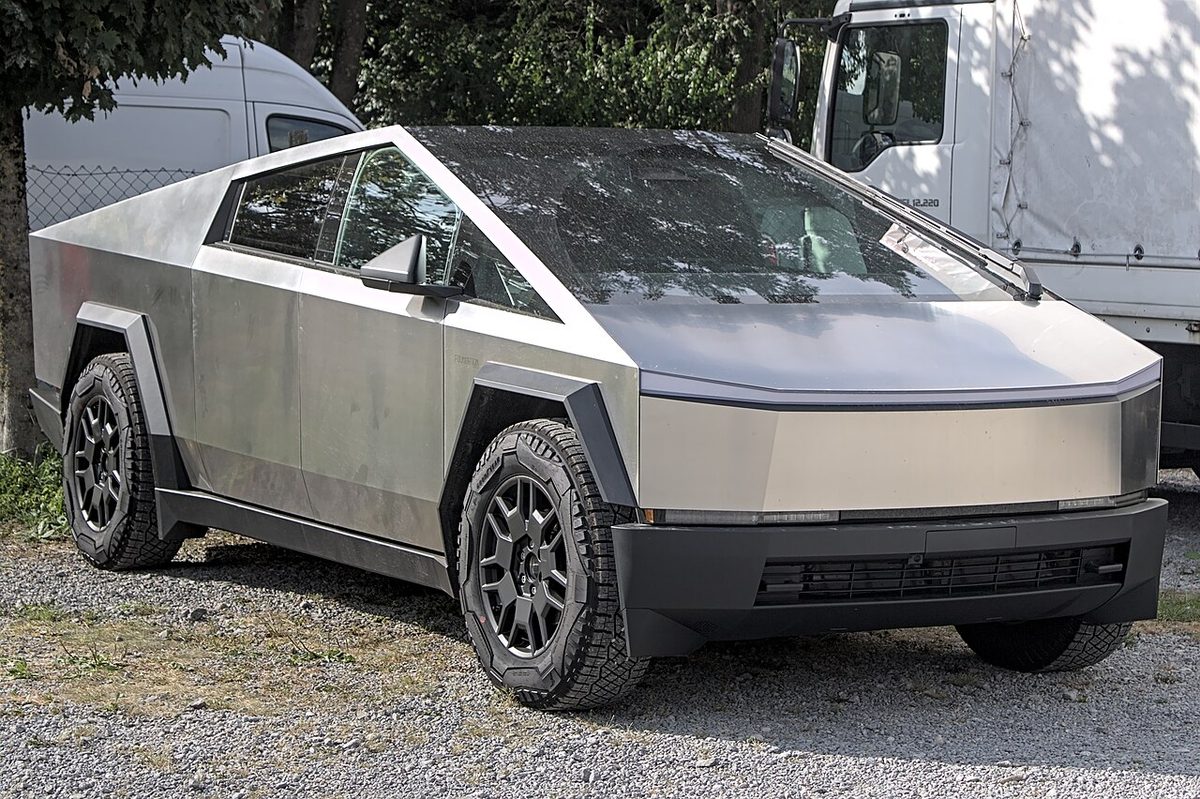
Tesla Is Killing the Cybertruck — Its Factory Line Will Make Way for the Cybercab in 2027
Elon Musk says Tesla will wind down Cybertruck production at Gigafactory Texas around mid-2027 to make room for Cybercab robotaxis.
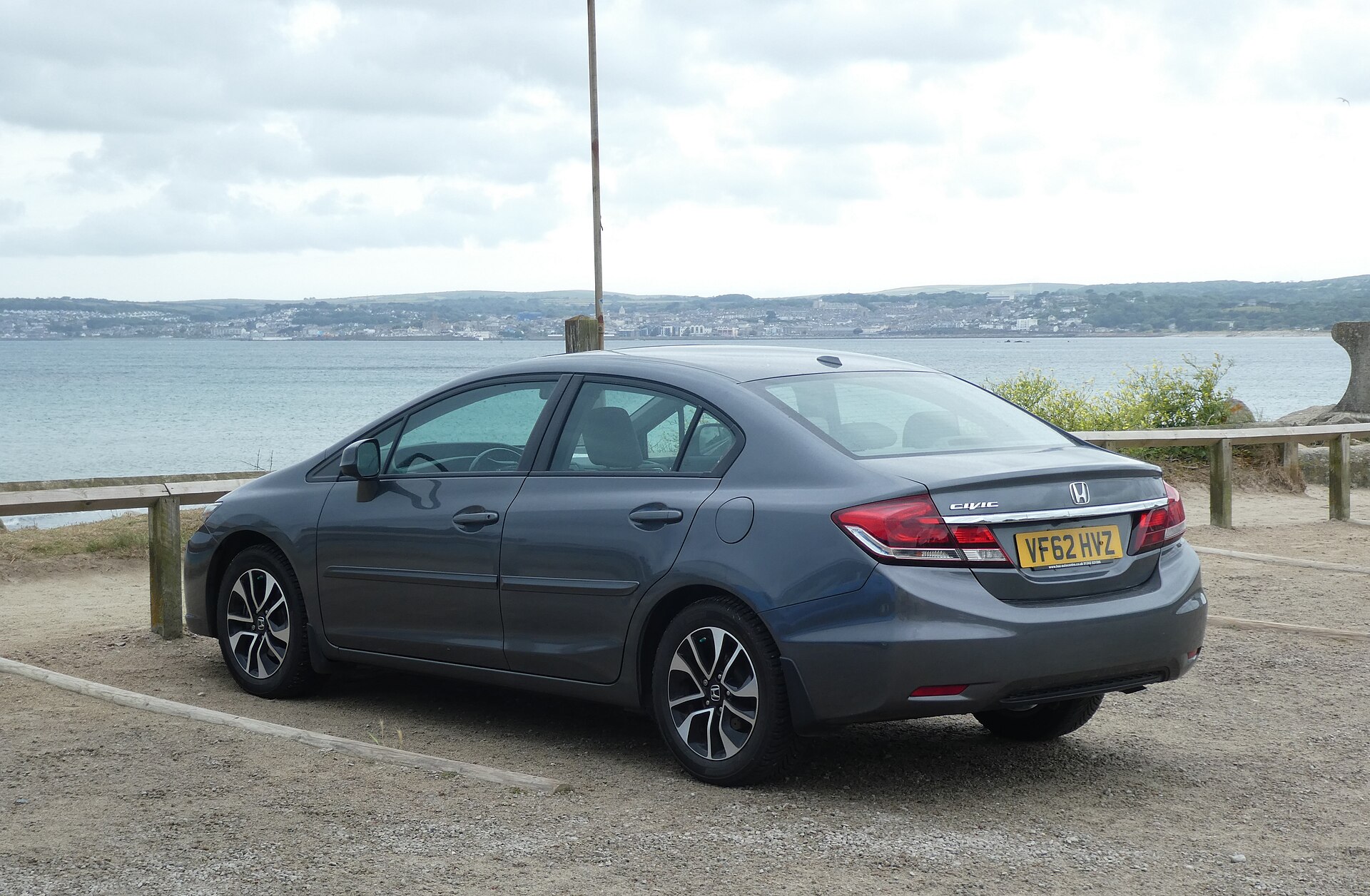
TL;DR — the direct answer: Honda said on Friday, 20 November, that it is recalling 810,592 older cars and SUVs in the United States because their Takata airbag inflators could rupture. The recall covers some 2013 Honda Accord, 2012 to 2013 Honda Civic, 2012 to 2013 Honda CR-V, 2013 Acura ILX and 2013 Acura RDX vehicles that were originally sold or registered in 14 states and territories known for high temperature, humidity and large temperature swings. Honda said there have been no injuries or crashes tied to the vehicles being recalled, and no airbag inflator ruptures — the recall is precautionary, based on long-term monitoring that found potential propellant degradation in certain inflators in those regions. If an inflator with degraded propellant ruptures when the airbag deploys, it can send metal fragments into the cabin and cause serious injury. Dealers will replace the front driver or passenger airbag inflator free of charge, and interim letters telling owners about the safety risk are expected to be mailed on 18 December. Toyota announced a parallel recall the same day, covering 790,000 vehicles worldwide including 314,000 in the United States, bringing the combined total to about 1.6 million vehicles.
What happened: Honda and Toyota both announced recalls on Friday, 20 November, after their own long-term monitoring and independent testing pointed to the same problem in a new set of vehicles. The vehicles in these recalls have Takata airbag inflators that contain a moisture-absorbing material — unlike the millions of vehicles recalled in earlier rounds of the Takata scandal — and the concern is that the propellant inside them can degrade after years of exposure to high absolute humidity and large temperature swings. Degraded propellant burns too forcefully when the airbag deploys, and in the worst case the metal inflator housing can rupture and throw fragments at the driver or passenger. Honda's recall covers 810,592 vehicles in the United States: some 2013 Honda Accord, 2012 to 2013 Honda Civic, 2012 to 2013 Honda CR-V, 2013 Acura ILX and 2013 Acura RDX models. The key limit is geography rather than model year alone. The recall applies only to vehicles originally sold or registered in 14 states and territories: Alabama, California, Florida, Georgia, Hawaii, Louisiana, Mississippi, South Carolina, Texas, Puerto Rico, the US Virgin Islands, the Northern Mariana Islands (Saipan), Guam and American Samoa. Those are the places where heat, humidity and temperature swings are most likely to have degraded the propellant. Honda stressed that no injuries or crashes have been tied to the vehicles being recalled and that there have been no inflator ruptures in them. The company said its long-term monitoring and analysis revealed the potential degradation, and it is acting before any failure occurs. Dealers will replace the front driver or passenger airbag inflator free of charge. Interim letters notifying owners of the safety risk are expected to be mailed on 18 December, and owners can contact Honda customer service on 1-888-234-2138 for more information.
Why it's trending: The Takata airbag scandal is one of the largest product recalls in history, with tens of millions of airbags recalled across almost every major carmaker, so any new chapter in it draws attention — especially one that reaches back to cars sold more than a decade ago and tells owners their airbags may still not be safe. The timing also matters. This recall is different from the earlier waves in an important way: it is precautionary. No one has been hurt by these particular inflators, and none has ruptured. Honda and Toyota are recalling the cars because testing showed the propellant could degrade, not because it already has in a crash. That is the system working as it is supposed to — the US National Highway Traffic Safety Administration (NHTSA) said analysis and inflator degradation simulation models from independent testing groups allowed the automakers to act ahead of potential risks — but it is also a reminder of how long the Takata problem keeps unfolding. Inflators that were thought to be safe because they contained a moisture-absorbing material are now being pulled too, which raises the obvious question for owners of other older cars: is mine next? The recall also lands alongside Toyota's parallel announcement, which makes the combined figure — about 1.6 million vehicles in a single day — hard to ignore. For owners, the story is practical rather than abstract: a 2013 Civic or CR-V is still a common car on American roads, and many of them are now on their second or third owner, who may never have heard from Honda at all.
Background / context: The Takata airbag crisis began with a simple-sounding defect that turned out to be enormous. Takata, once one of the world's largest airbag suppliers, used ammonium nitrate as the propellant that inflates an airbag in a crash. In hot, humid conditions the propellant can degrade over time, burn too violently and rupture the metal inflator, spraying fragments into the car. The defect led to the largest automotive recall in US history, tens of millions of vehicles across dozens of brands, and Takata itself collapsed under the cost. The recalls have rolled on for more than a decade because the risk depends on age, climate and the specific inflator design, so new groups of vehicles keep being identified as testing improves. The inflators in this latest recall were long thought to be on the safe side of the line because they contain a desiccant — a moisture-absorbing material meant to protect the propellant. That is what makes this round notable: the desiccant did not end the story. Long-term monitoring and simulation modelling by independent testing groups showed degradation risk in certain of these inflators too, in the hottest and most humid regions. NHTSA's statement put it plainly: Honda and Toyota saw early evidence of degradation risk in certain of their vehicles and are currently conducting proactive recalls, and other automakers continue to conduct inflator analysis and testing — a hint that more recalls of this kind may follow from other brands.
What we know / what's unconfirmed: Confirmed: Honda is recalling 810,592 vehicles in the United States — some 2013 Honda Accord, 2012 to 2013 Honda Civic, 2012 to 2013 Honda CR-V, 2013 Acura ILX and 2013 Acura RDX — originally sold or registered in Alabama, California, Florida, Georgia, Hawaii, Louisiana, Mississippi, South Carolina, Texas, Puerto Rico, the US Virgin Islands, the Northern Mariana Islands (Saipan), Guam and American Samoa; the risk is that Takata front driver or passenger airbag inflators could rupture because of propellant degradation after long-term exposure to high absolute humidity and temperature variation; the inflators in this recall contain a moisture-absorbing material, unlike those in earlier recalls; Honda said there have been no injuries or crashes tied to the recalled vehicles and no inflator ruptures; dealers will replace the front driver or passenger airbag inflator free of charge; interim letters are expected to be mailed on 18 December; owners can contact Honda customer service on 1-888-234-2138; Toyota is recalling 790,000 vehicles worldwide including 314,000 in the United States, covering the 2002 to 2010 Lexus SC430, 2011 IS250, 2017 GX460, 2003 to 2008 Toyota Corolla, 2005 to 2006 Tundra, 2005 to 2007 Sequoia and 2016 to 2017 4Runner, and expects replacement inflators to be ready by early 2027; and NHTSA said independent analysis and simulation models allowed the automakers to act ahead of potential risks. NHTSA's own words were that Honda and Toyota saw early evidence of degradation risk in certain of their vehicles and are currently conducting proactive recalls. Toyota, unlike Honda, did not specify in which US states its recall applies. One small point to flag: the recall was announced on Friday 20 November in the US, but some outlets carry it dated 21 or 22 November because of time zones. Unconfirmed: whether other automakers will announce similar recalls for desiccant inflators — NHTSA says testing continues, but no further recalls have been announced — and exactly when Honda's replacement inflators will be available, which the company has not yet said.
What happens next: The next step belongs to owners. Interim letters telling owners about the safety risk are expected to be mailed on 18 December, and dealers will then replace the affected front driver or passenger airbag inflator free of charge. Owners who think their car may be covered should not wait for the letter: they can check their vehicle identification number on the NHTSA recall lookup or call Honda customer service on 1-888-234-2138. The geographic limit matters here — a 2013 Civic that spent its life in one of the 14 listed states or territories is covered, while the same car registered elsewhere is not, so owners should check the registration history rather than assuming from the model year alone. Toyota's owners face a slightly longer wait: the company expects its replacement inflators to be ready by early 2027. The wider question is whether this is the last Takata round or the start of another one. NHTSA said other automakers continue to conduct inflator analysis and testing, which means more desiccant-equipped vehicles could be recalled if the same degradation shows up elsewhere. For now, the message from the regulators and the carmakers is the same: no one has been hurt by these inflators, the recall is precautionary, and the fix is free — but owners of older cars in hot, humid states should check.
Q: Which vehicles are covered by the Honda recall?
A: The recall covers 810,592 vehicles in the United States: some 2013 Honda Accord, 2012 to 2013 Honda Civic, 2012 to 2013 Honda CR-V, 2013 Acura ILX and 2013 Acura RDX models. It applies only to vehicles originally sold or registered in 14 states and territories known for high temperature, humidity and large temperature swings.
Q: Which states and territories are affected?
A: Alabama, California, Florida, Georgia, Hawaii, Louisiana, Mississippi, South Carolina, Texas, Puerto Rico, the US Virgin Islands, the Northern Mariana Islands (Saipan), Guam and American Samoa. The recall is limited to those places because heat and humidity are what degrade the airbag propellant.
Q: What is the actual risk?
A: The Takata front driver or passenger airbag inflators could rupture if the airbag deploys, because the propellant inside them can degrade after long-term exposure to high humidity and temperature variation. A rupture can send metal fragments into the cabin and cause serious injury. Honda says no injuries, crashes or ruptures have been tied to the vehicles in this recall.
Q: What should owners do?
A: Dealers will replace the front driver or passenger airbag inflator free of charge, and interim letters are expected to be mailed on 18 December. Owners can check their vehicle identification number on the NHTSA recall lookup or call Honda customer service on 1-888-234-2138.
Q: Is Toyota affected too?
A: Yes. Toyota announced a parallel recall the same day covering 790,000 vehicles worldwide, including 314,000 in the United States — among them the 2002 to 2010 Lexus SC430, 2003 to 2008 Toyota Corolla, 2005 to 2006 Tundra, 2005 to 2007 Sequoia and 2016 to 2017 4Runner. Toyota expects its replacement inflators to be ready by early 2027. Together the two recalls cover about 1.6 million vehicles.
Sources: Reuters via Channel News Asia — Honda, Toyota recall 1.6 million vehicles over Takata airbag rupture risk, Business Standard — Honda to recall 810,000 US vehicles over Takata air bag rupture risk, Nikkei Asia — Honda, Toyota recall 1.6m vehicles over Takata airbag rupture risk, TMJ4 — Honda recalling more than 810,000 vehicles due to airbag inflator issue, and The Japan Times — Honda and Toyota recall 1.6 million vehicles over Takata airbag rupture risk.
Elon Musk says Tesla will wind down Cybertruck production at Gigafactory Texas around mid-2027 to make room for Cybercab robotaxis.
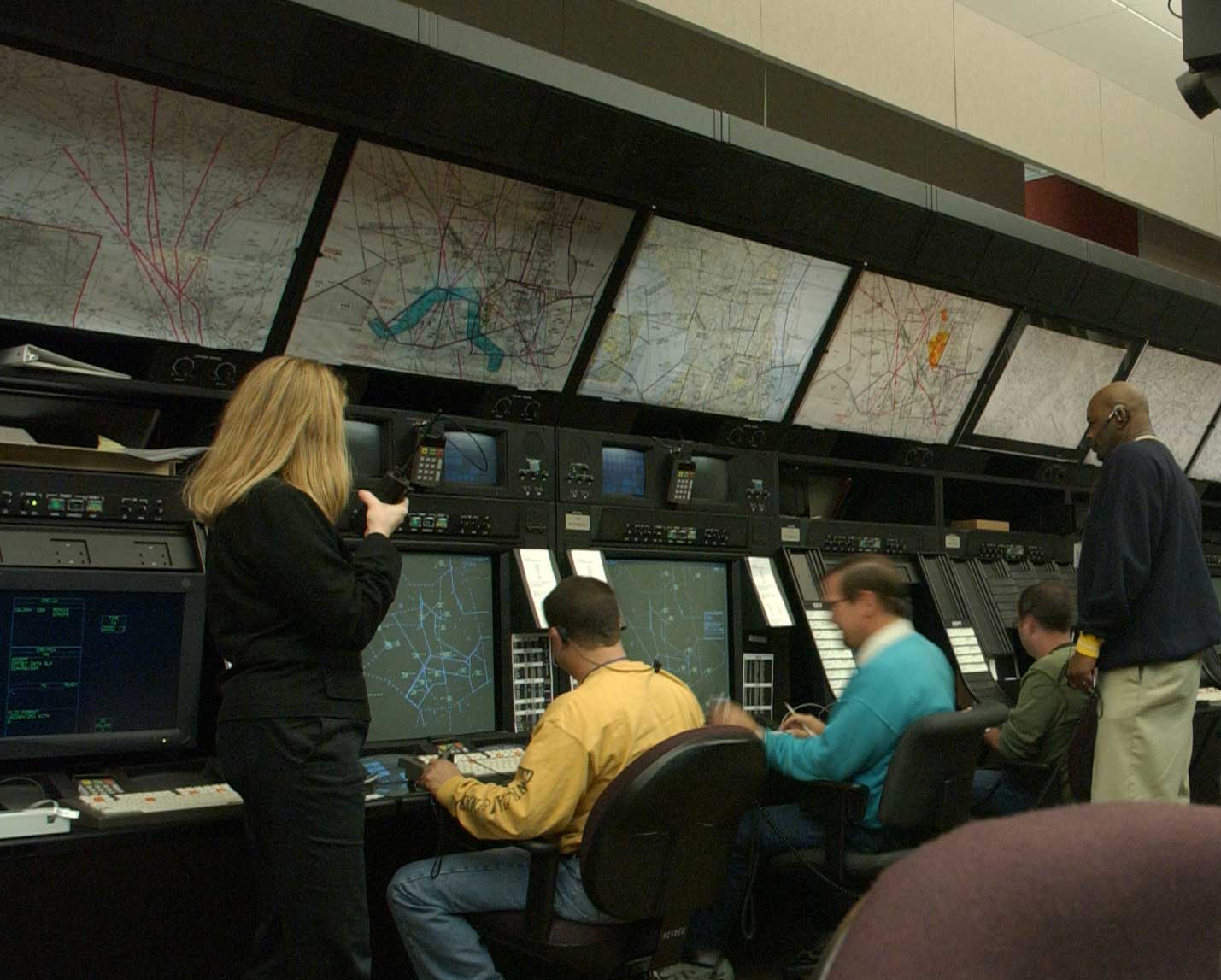
The FAA halted every US departure for over four hours on Friday after a telecom outage hit air traffic control, delaying 9,000 flights.
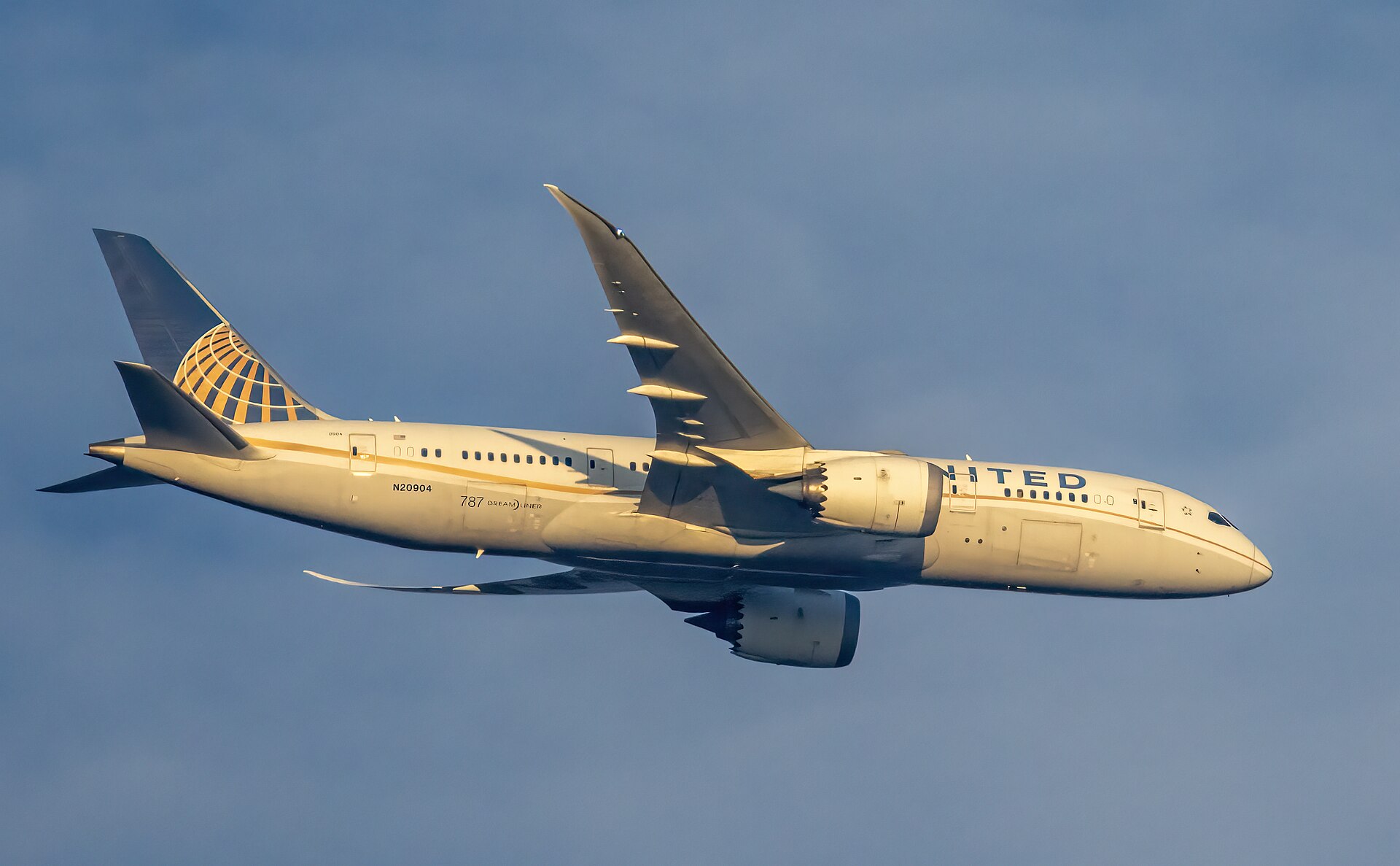
United Airlines resolved a systemwide outage that delayed departures on Monday, days after the FAA ground stop snarled US air travel.