World
US Midterms 2026: Final Days, Tight Races, and a Last-Minute Rally Rush
with the US midterm elections on Tuesday, 3 November, both parties are in their final campaign push. President Donald Trump, after a long rally blitz…
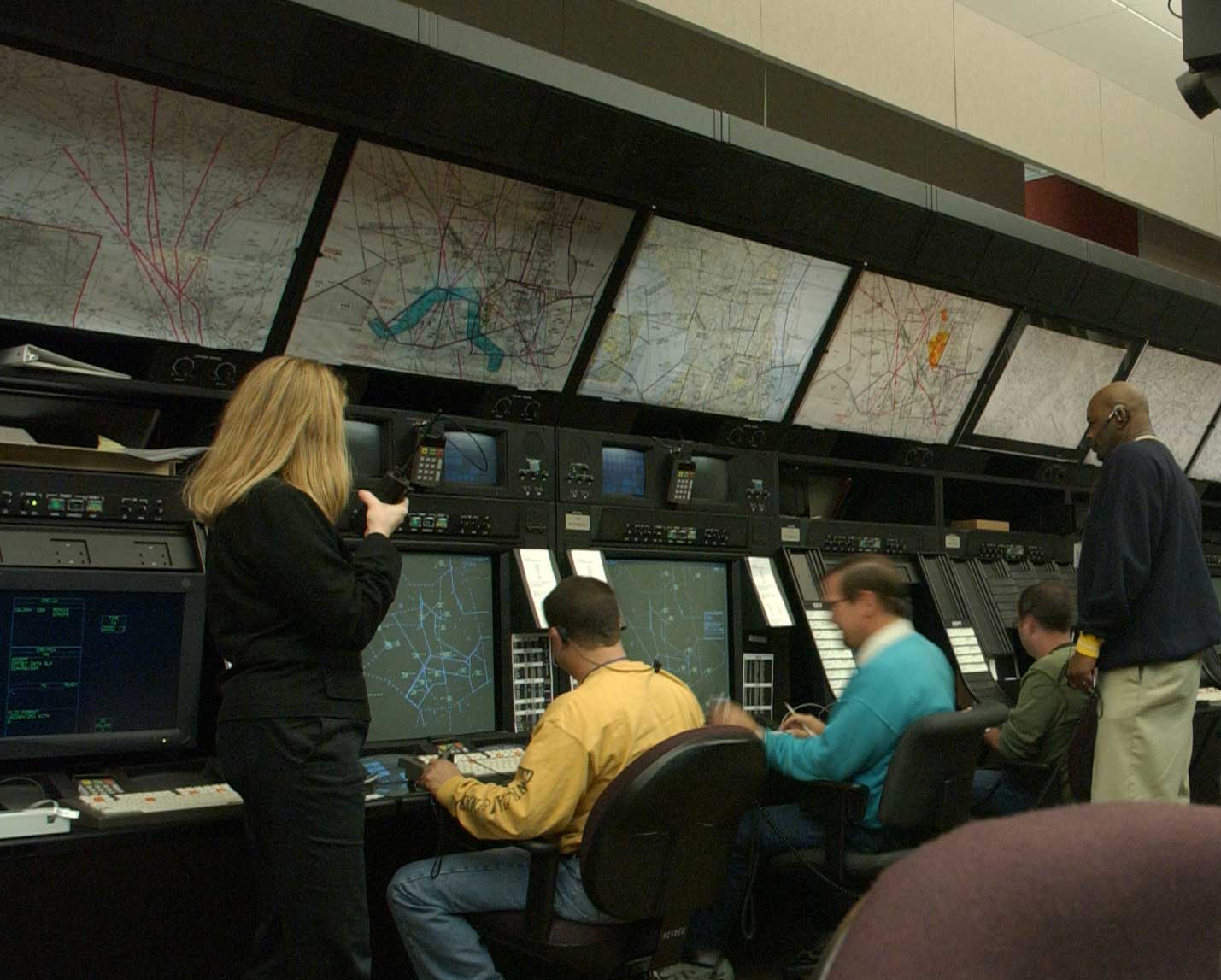
TL;DR — the direct answer: Every commercial flight in the United States was grounded for more than four hours on Friday, 13 November, after a telecommunications outage knocked out communications across the country's air traffic control system. The Federal Aviation Administration ordered the nationwide ground stop at about 4 p.m. Eastern time and lifted it at about 8:15 p.m., but the disruption delayed more than 9,000 flights, cancelled more than 6,000 and diverted hundreds more. Officials say there is no evidence of a cyberattack, blaming instead ageing equipment that was overwhelmed by data.
What happened: The FAA began seeing instability in radar and communications at air traffic control centres at 3:36 p.m. Eastern time on Friday, and soon after issued a nationwide ground stop, halting all departures across the country. At the time the order went out, about 3,500 aeroplanes were in the air; by 8 p.m., fewer than 400 were still flying. Planes already airborne were allowed to land, and exceptions were made for medical evacuation flights, life-saving cargo and law enforcement aircraft. Flights within Alaska and Hawaii were not affected. The FAA began gradually lifting the order before officially ending it at about 8:19 p.m. Eastern time, and confirmed the cancellation on its website at about 8:30 p.m. The stoppage lasted roughly four and a half hours.
Why it's trending: A nationwide ground stop is one of the rarest events in American aviation. This was only the third in US history: the first came on 11 September 2001, and the second on 11 January 2023, when a pilot alert system failure halted flights for about 90 minutes. The scale of Friday's disruption is what made it a national story — more than 15,000 flights were affected in total, with over 9,000 delayed, more than 6,000 cancelled and over 600 diverted, leaving thousands of travellers stranded at airports or scrambling for rental cars, trains and buses. Both the transportation secretary and the homeland security secretary briefed reporters at the White House as the crisis unfolded, and the story dominated the evening news across the country.
Background / context: The outage has been tied to an update on a network operated by the defence contractor L3Harris, which carries air traffic control communications, and to routers and circuits in the FAA's ageing system becoming overloaded with data. Transportation Secretary Sean Duffy said the switches and routers in the system's analogue technology, some of it in place since the 1980s, started giving inconsistent data, and the agency shut the system down rather than risk flying blind. Duffy called it 'an incredibly old air traffic control system' and used the moment to press Congress for $50 billion to modernise it. The White House said there was no indication of a terrorist threat, and Homeland Security Secretary Markwayne Mullin said there was no evidence of a cyberattack or an artificial intelligence attack.
What we know / what's unconfirmed: Confirmed: the timing of the stop and its lifting, the scale of delays and cancellations, the exceptions for emergency flights, the fact that Alaska and Hawaii were unaffected, and that officials found no sign of an attack. President Donald Trump has declared the air traffic control failures 'a national emergency', according to Mullin. Unconfirmed: the precise trigger of the outage. The disruption has been attributed to old technology and overloaded routers, but the exact sequence — what the L3Harris network update changed and why the system could not cope — is still being investigated by FAA technicians, and no final root cause has been published.
What happens next: Flights have resumed, but both Duffy and Mullin warned that schedules will stay disrupted through the weekend as airlines work through the backlog of stranded aircraft, crews and passengers. The FAA's investigation into the outage continues, and the political argument over modernisation is now back at the top of the agenda, with Duffy's $50 billion funding request likely to be debated in Congress in the coming days. For travellers, the advice is to check flight status before heading to the airport, as cancellations and delays from Friday's stoppage are expected to ripple into Saturday and Sunday.
Q: How long did the nationwide ground stop last?
A: About four and a half hours. It began at about 4 p.m. Eastern time on Friday, 13 November, and was lifted at about 8:15 p.m. Eastern time, with the FAA confirming the cancellation on its website at about 8:30 p.m.
Q: How many flights were affected?
A: More than 15,000 flights in total — over 9,000 delayed, more than 6,000 cancelled and over 600 diverted, according to the latest reported figures.
Q: What caused the outage?
A: A temporary telecommunications outage in the air traffic control system. It has been tied to an update on an L3Harris-operated network and to ageing routers becoming overloaded with data, but the precise trigger is still under investigation.
Q: Was it a cyberattack?
A: No. Homeland Security Secretary Markwayne Mullin said there was no evidence of a cyberattack or an artificial intelligence attack, and the White House said there was no indication of a terrorist threat.
Q: Has this happened before?
A: Only twice before. The FAA halted all US flights on 11 September 2001 and again on 11 January 2023, when a pilot alert system failure stopped flights for about 90 minutes.
Sources: USA Today — FAA says it has lifted nationwide ground stop that snarled airports, The Weather Channel — FAA lifts nationwide ground stop; 15,000+ flights impacted, and The Indian Express — US flights resume after communications outage grounds planes for hours.
with the US midterm elections on Tuesday, 3 November, both parties are in their final campaign push. President Donald Trump, after a long rally blitz…
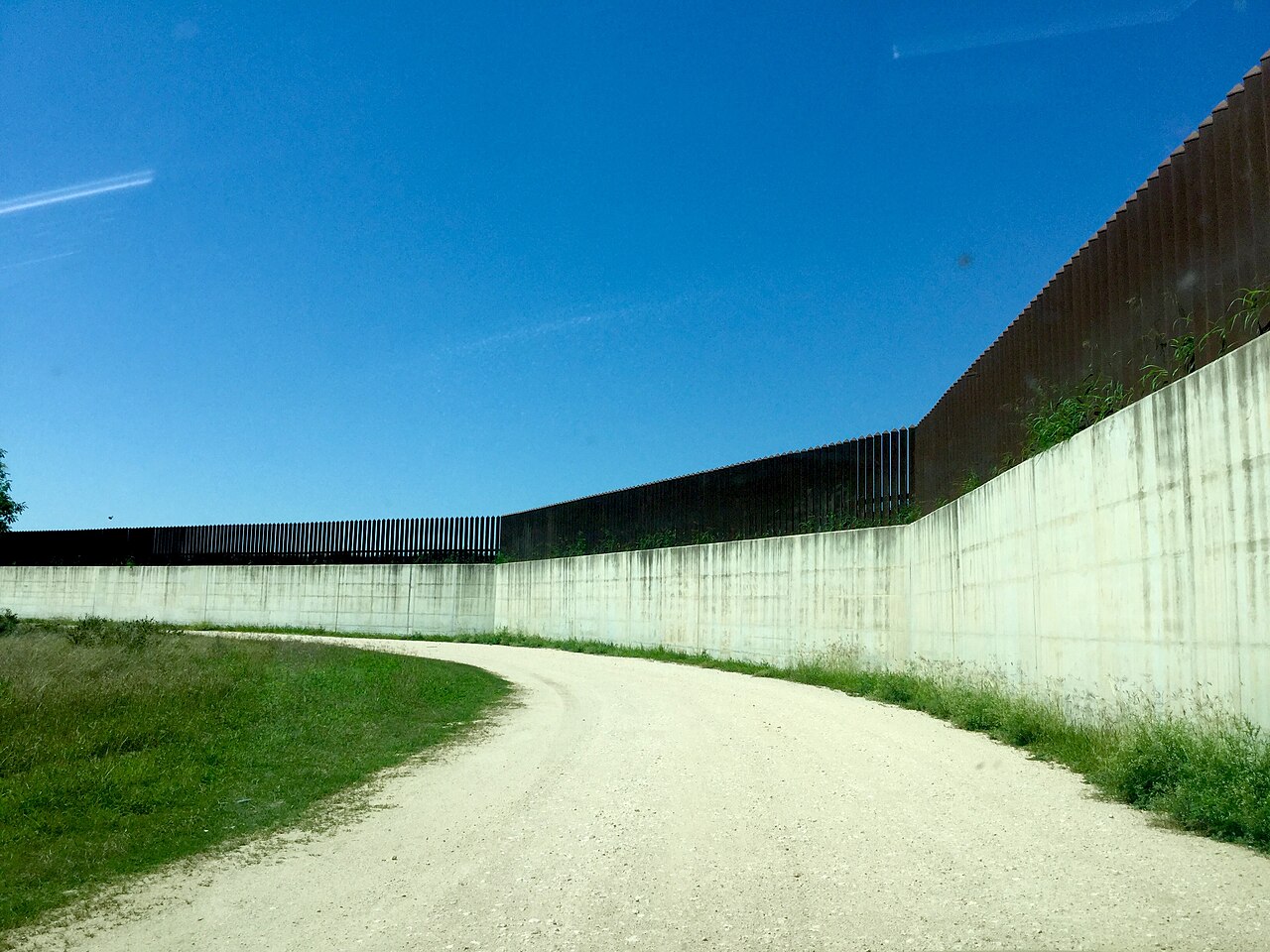
The US Supreme Court on 9 November lifted the order halting border barrier construction in Texas's Big Bend region, allowing work to resume — including…
President Donald Trump said on 9 November that US military action against Iran is not necessary and the war is effectively over, as the House prepares…