
LIVE
Nvidia Reinstates Jensen Huang After White House Push  •  Wellington Test Ends in Draw as Mitchell and Phillips Hold Firm  •  Skubal Agrees Record $450 Million Mets Deal  • 
Sports

US, Mexico, Costa Rica and Jamaica to Host 2031 Women's World Cup; UK Gets 2035

By Toijam Bimoljit Singh • 24 November 2026 • 9 min read

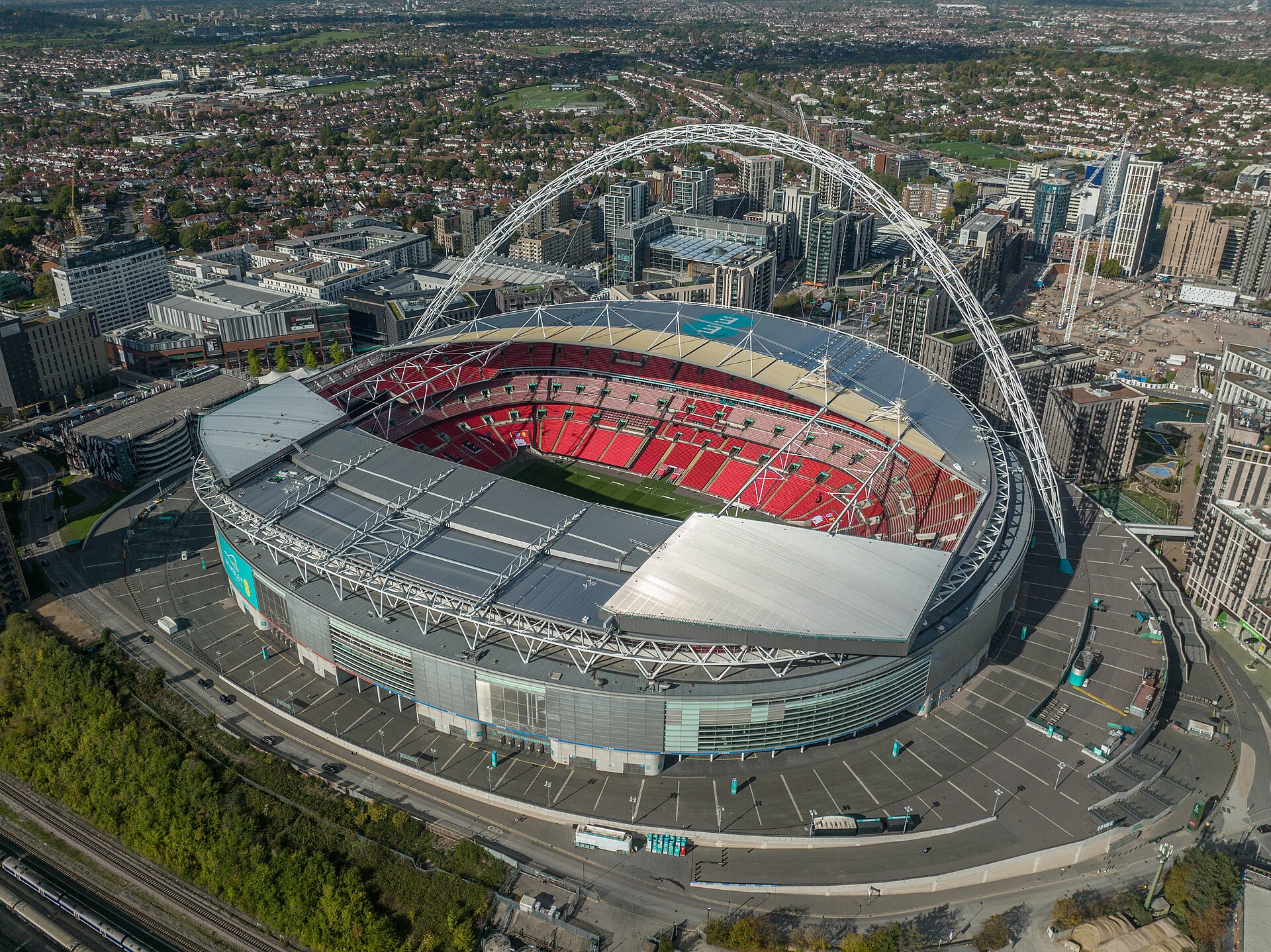
Wembley Stadium in London seen from the air, with its white arch rising over the bowl and the streets around it

Photo: Arne Mueseler, CC BY-SA 3.0 de, via Wikimedia Commons — Wembley Stadium, London, 11 October 2022. Wembley is one of the venues in the UK bid for 2035. The photo is from an earlier date, not the announcement.

TL;DR — the direct answer: FIFA has confirmed the hosts of the next two Women's World Cups. The United States, Mexico, Costa Rica and Jamaica will stage the 2031 tournament — the first Women's World Cup with 48 teams, and the first to be co-hosted by four nations — while England, Northern Ireland, Scotland and Wales will host the 2035 edition, the first Women's World Cup ever staged in the United Kingdom. Both decisions were taken by acclamation at an Extraordinary FIFA Congress held virtually on Monday, 23 November, and both bids had been unopposed for months, so the vote was a formality rather than a contest. The 2031 bid offers a choice of stadiums in 20 cities — 14 in the United States, four in Mexico, plus San Jose in Costa Rica and Kingston in Jamaica — and FIFA's evaluation report, published on 11 November, scored it 4.4 out of 5, praising its existing stadiums, infrastructure and commercial strength. The UK bid offers a choice of venues including Wembley Stadium in London. The next Women's World Cup, in Brazil in 2027, will still have 32 teams; the expansion to 48 teams, with 104 matches, begins in 2031.

What happened: FIFA's 211 member associations met virtually on Monday, 23 November, at an Extraordinary Congress in Zurich, and appointed the hosts of the 2031 and 2035 Women's World Cups by acclamation — that is, by unanimous agreement without a counted vote. The 2031 tournament goes to a four-nation bid led by the United States, together with Mexico, Costa Rica and Jamaica. It will be the first Women's World Cup to feature 48 teams, up from 32, and the first edition to be staged across four member associations, and the first to be co-hosted by four nations. The 2035 tournament goes to the United Kingdom — England, Northern Ireland, Scotland and Wales — which will stage the Women's World Cup for the first time. FIFA President Gianni Infantino opened the meeting by saying the objective was making women's football truly global and building the future together with all member associations and stakeholders, and the two appointments followed without opposition. Neither result was a surprise. Both bids had been the only candidacies for their editions for around 20 months, FIFA had already declared each the sole valid bid back in April 2025, and Infantino had said last year that they were unchallenged and would be awarded the tournaments. The evaluation reports published on 11 November, twelve days before the vote, were the last formal step: the 2031 bid was deemed to have a strong portfolio of existing stadiums, extensive infrastructure and strong commercial potential, and scored 4.4 out of 5. The vote came almost exactly 35 years after the opening match of the inaugural Women's World Cup in 1991, which was contested by just 12 teams — a measure of how far the tournament has travelled, from a dozen teams in China to 48 across four nations in 2031.

Why it's trending: The announcement settles the future of the women's game for the next decade in a single morning, and it does so with two firsts that matter. The first is scale: 48 teams and 104 matches from 2031, matching the expansion the men's tournament has already made, which turns the Women's World Cup from a 32-team event into the biggest women's sporting tournament ever staged. The second is geography: four host nations in 2031, spanning North and Central America and the Caribbean, and then a four-nation UK hosting in 2035, which spreads the tournament across more countries than any Women's World Cup before it. For the United States it is a return to a familiar role — the US hosted in 1999 and 2003, the two tournaments that defined the modern women's game, including the 1999 final at the Rose Bowl — and for England it is a homecoming of a different kind: England's women have won the last two European Championships, but England has not hosted a World Cup of either kind since the men won at Wembley in 1966, and it has never hosted the women's tournament. The announcement also matters commercially. The winning candidates and Infantino promised commercially successful tournaments and pledged to reinvest all the money in women's football, and the 2031 bid's evaluation score — 4.4 out of 5 — reflects FIFA's confidence that the stadiums, infrastructure and audiences are already in place. With the men's World Cup also coming to North America in 2026, the region is about to host the sport's biggest events back to back.

Background / context: The road to Monday's vote began with the bidding rules the FIFA Council approved on 5 March 2025, which restricted the 2031 hosting to member associations from Africa and CONCACAF, and the 2035 hosting to Africa and Europe. The United States and Mexico had originally bid for the 2027 tournament, then withdrew in April 2024 to aim for 2031 instead; Costa Rica and Jamaica joined them on 20 October 2025, completing the four-nation bid. The United Kingdom's home nations had first aimed at 2031, then shifted to 2035 once the hosting restrictions were set, building on the same partnership that won the men's Euro 2028, which the UK is co-hosting with the Republic of Ireland. The expansion to 48 teams is the biggest structural change in the women's tournament's history. The first Women's World Cup, in China in 1991, had 12 teams; it grew to 16, then 24, then 32 for the 2023 tournament in Australia and New Zealand. The 2027 edition in Brazil — the tenth, running from 24 June to 25 July with the final at the Maracana in Rio de Janeiro — will be the last at 32 teams and the first Women's World Cup held in South America. From 2031, the tournament will have 48 teams and 104 matches, the same shape as the expanded men's event. The 2031 edition will also be only the third Women's World Cup staged in North America, after the United States in 1999 and 2003 and Canada in 2015, while 2035 will be the first in the United Kingdom.

What we know / what's unconfirmed: Confirmed: FIFA's Extraordinary Congress, meeting virtually on Monday, 23 November, appointed the United States, Mexico, Costa Rica and Jamaica as hosts of the 2031 Women's World Cup and England, Northern Ireland, Scotland and Wales as hosts of the 2035 edition, both by acclamation; the 2031 tournament will be the first with 48 teams and the first co-hosted by four nations, and the first edition across four member associations; the 2031 bid offers a choice of stadiums in 20 cities — 14 in the United States, four in Mexico, plus San Jose in Costa Rica and Kingston in Jamaica — and scored 4.4 out of 5 in FIFA's evaluation report published on 11 November; the UK bid offers a choice of venues including Wembley Stadium in London; both bids were unopposed and had been declared the sole valid bids in April 2025; the 2027 Women's World Cup will be held in Brazil from 24 June to 25 July, with 32 teams and the final at the Maracana; and the 2031 edition will feature 104 matches. One point needs flagging: the number of venues in the UK bid is reported differently — the Associated Press and CNN put it at 19 venues including Wembley, while Flashscore puts it at 22 stadiums, 16 in England, three in Wales, two in Scotland and one in Northern Ireland. This article uses 19 and flags the 22 figure. Unconfirmed: which cities and stadiums will actually host matches at either tournament — the bids offer a choice of venues, and the final selection has not been made — and the exact match schedule and dates for 2031 and 2035, which FIFA has not yet announced.

What happens next: The next step is the venue selection, which will decide how the tournaments actually look. The 2031 bid offers FIFA a choice of stadiums in 20 cities, and most matches are expected to take place in the United States, with Mexico, Costa Rica and Jamaica hosting a smaller share; the UK bid offers a choice of venues across its four nations, with England expected to take the lion's share, including the final at Wembley. Those decisions will come over the next year or two, along with the match schedules and the draw for the expanded 48-team format, which will need a new structure to fit 104 matches. The nearer milestone is Brazil 2027, the last 32-team edition, which will show how the women's game is growing before the expansion arrives. For the host nations, the work starts now: stadium upgrades, transport, accommodation and the commercial deals that FIFA says will be reinvested in women's football. For the United States, Mexico, Costa Rica and Jamaica, there is also a shorter horizon to mind — the men's World Cup arrives in North America in 2026, and the lessons of that tournament will feed directly into planning for 2031. The UK, meanwhile, hosts the men's Euro 2028 first, with the Republic of Ireland, before turning to its own Women's World Cup seven years later.

Frequently asked questions

Q: Who will host the 2031 Women's World Cup?
A: The United States, Mexico, Costa Rica and Jamaica, in a joint bid led by the United States. FIFA confirmed them as hosts at an Extraordinary Congress on Monday, 23 November 2026. It will be the first Women's World Cup co-hosted by four nations and the first to feature 48 teams.

Q: Who will host the 2035 Women's World Cup?
A: England, Northern Ireland, Scotland and Wales — the four home nations of the United Kingdom. It will be the first Women's World Cup ever staged in the UK, and England's first time hosting the women's tournament, having last hosted a World Cup of either kind when the men won at Wembley in 1966.

Q: How many teams will play in 2031?
A: 48 teams, up from 32, with 104 matches. The 2027 Women's World Cup in Brazil will still have 32 teams; the expansion to 48 begins in 2031, matching the expanded format of the men's tournament.

Q: Which stadiums will be used?
A: That has not been decided yet. The 2031 bid offers a choice of stadiums in 20 cities — 14 in the United States, four in Mexico, plus San Jose in Costa Rica and Kingston in Jamaica. The UK bid offers a choice of venues including Wembley Stadium in London. FIFA will select the final venues later.

Q: When is the next Women's World Cup?
A: The next one is in Brazil in 2027, from 24 June to 25 July, with 32 teams and the final at the Maracana Stadium in Rio de Janeiro. It will be the tenth Women's World Cup and the first held in South America.

Sources: FIFA — 2031 and 2035 FIFA Women's World Cup hosts appointed, CNN — FIFA picks US-led bid as 2031 Women's World Cup host and UK project for 2035 edition, Channel News Asia — US, Mexico, Costa Rica, Jamaica awarded 2031 Women's World Cup, UK to host 2035 edition, Flashscore — FIFA confirm USA to co-host 2031 Women's World Cup, UK hosting 2035 edition, and theScore — U.S. to co-host 2031 Women's World Cup; UK wins 2035 bid.

← Back home