
Tech
Wall Street Roars Back as CoreWeave Soars 25% and Chip Stocks Jump — Nvidia Rebounds Too
US stocks rebounded on 11 November as CoreWeave surged 25% on strong results: the S&P 500 rose 1.3% and the Nasdaq 1.6%.
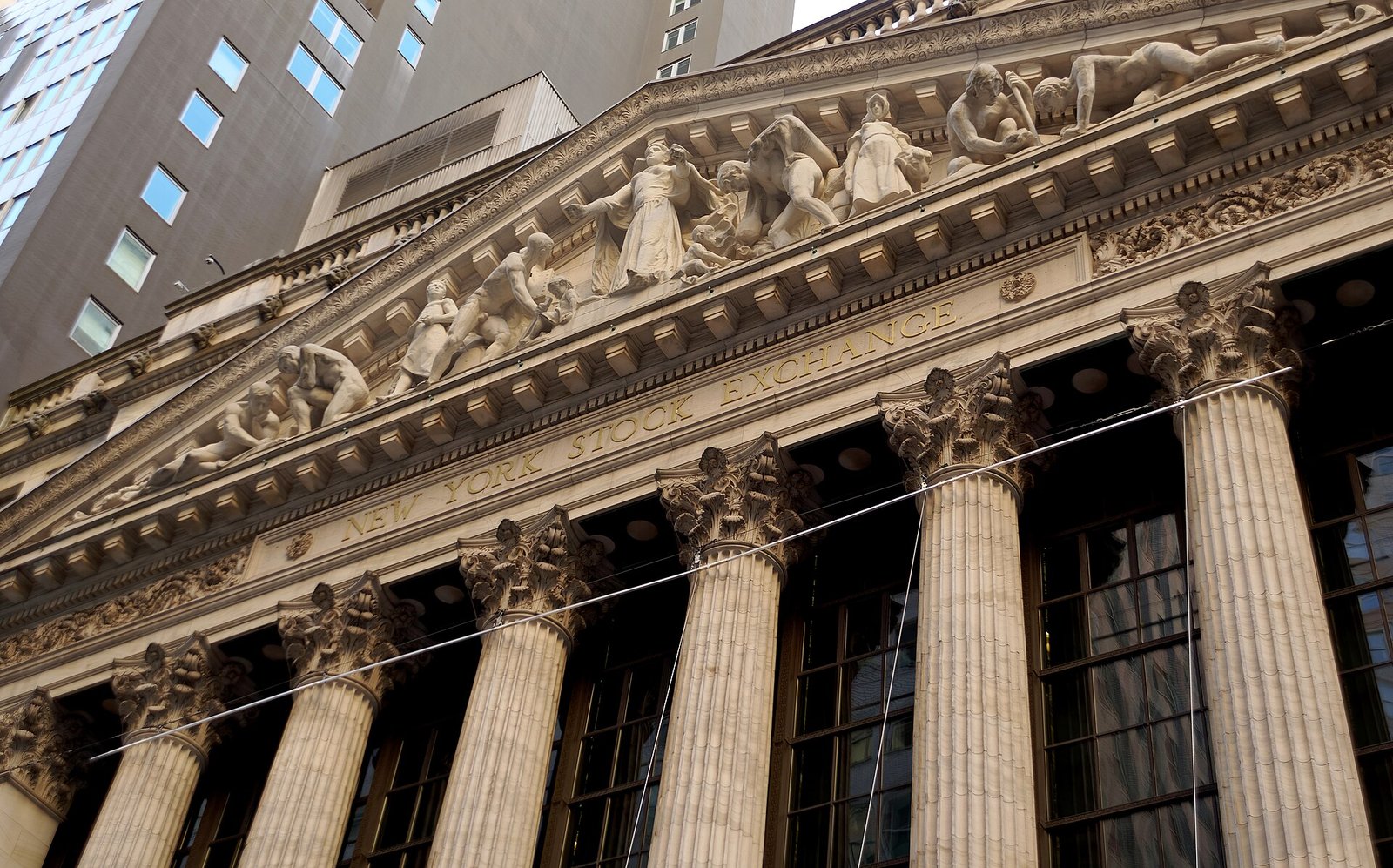
TL;DR — the direct answer: Wall Street fell on Thursday, 12 November, in a volatile session dominated by Nvidia's leadership crisis and by gold sliding below $4,000 an ounce. The Dow, the S&P 500 and the Nasdaq each lost about 0.4%, while the small-cap Russell 2000 fell 1.7%. Gold extended its decline to about $3,876 an ounce as rising Treasury yields and firmer-than-expected inflation data strengthened bets on another Federal Reserve rate rise.
What happened: Nvidia was the story of the day. Hours after the chipmaker announced that co-founder Jensen Huang had resigned as chief executive, its shares plunged as much as 14% in early trading before recovering to close down 4.34% at $166.19. The Dow Jones Industrial Average fell about 0.4% to close at 52,297.09, the S&P 500 also fell about 0.4% to 7,592.40, and the Nasdaq Composite slipped about 0.4% to 25,366.09. The Russell 2000, which tracks smaller US companies, underperformed, losing 1.7% to finish at 2,799.06. Gold was hit just as hard: spot gold traded near $3,876 an ounce, down $110.60, or 2.77%, while silver fell 3.13% to about $49.93 an ounce.
Why it's trending: Two forces hit markets at once. The first was Nvidia: the company sits at the heart of the artificial-intelligence trade, and uncertainty about its leadership pulled down not only its own shares but the AI-infrastructure stocks around it — losses at Nebius, one of the sector's recent high-flyers, extended the negative backdrop. The second was the macro picture. October's consumer price data came in firmer than expected, with a 0.4% monthly rise, and the yield on the US 10-year Treasury note hovered near 5.00% as traders priced in a December rate rise. Rising yields and a firm dollar are the classic headwind for gold, which pays no interest — and gold has now fallen about 13% from its recent highs, after touching a 52-week high of $5,602 an ounce in January.
Background / context: The sell-off ends a week in which Wall Street had been recovering: the S&P 500 finished Wednesday 1.31% higher at 7,619.38, and the market had rallied on Tuesday after a sharp AI-led sell-off the week before. European shares, by contrast, finished modestly higher on Thursday, as investors there rotated away from AI stocks into industrials and stronger earnings stories — a reminder that the Nvidia shock is, for now, a US tech story rather than a global one. Nvidia said it would still report third-quarter results on Tuesday, 17 November, and the company has retained outside investigators to examine the allegations that Huang was the target of a foreign intelligence effort.
What we know / what's unconfirmed: Confirmed: the closing levels for the four main US indices, the size of Nvidia's intraday fall and its close, the gold and silver prices, the 10-year yield near 5.00%, and the October CPI print of 0.4% for the month. Unconfirmed: whether the December rate rise that traders are now betting on actually happens — the Federal Reserve has not signalled it — and how far the Nvidia fallout spreads. The chipmaker's earnings on 17 November, delivered by its new interim leadership, will be the next hard data point, and the market will be watching whether the AI spending boom that powered this year's rally survives a change at the top of its most important company.
What happens next: Traders now look to Friday's session for signs of stabilisation, and to next Tuesday's Nvidia results for the first read on the company under Colette Kress. Gold's next test is technical: analysts say bulls need to push prices back above the $3,896 to $3,944 resistance zone, with a sustained recovery targeting $3,992 and then $4,022. If yields keep rising and the Fed does move in December, both gold and the high-growth tech names that led this year's rally could stay under pressure into year-end.
Q: How far did US stocks fall on Thursday?
A: The Dow fell about 0.4% to 52,297.09, the S&P 500 fell about 0.4% to 7,592.40, and the Nasdaq slipped about 0.4% to 25,366.09. The small-cap Russell 2000 fell further, losing 1.7% to 2,799.06.
Q: Why did Nvidia shares fall?
A: Co-founder Jensen Huang resigned as chief executive on Thursday, 12 November, days after the board opened an independent investigation. The shares fell as much as 14% in early trading before closing down 4.34% at $166.19.
Q: Why is gold below $4,000?
A: Spot gold fell to about $3,876 an ounce, down 2.77% on the day, as Treasury yields rose towards 5.00% and firmer-than-expected October inflation data strengthened bets on a December Federal Reserve rate rise. Higher yields and a firm dollar weigh on gold, which pays no interest.
Q: Did European markets fall too?
A: No — European shares finished modestly higher on Thursday, as investors rotated away from AI stocks into industrials and companies reporting stronger earnings.
Q: What should investors watch next?
A: Nvidia's third-quarter results on Tuesday, 17 November, under its new interim leadership, and any further signals from the Federal Reserve about a December rate rise.
Sources: Kitco — Gold, silver slide as Treasury yields surge, Fed hike concerns intensify, Investopedia — 5 Things Investors Need to Know About Thursday's Markets, and Morningstar — Nvidia Leadership Crisis Drags on U.S. Stock Futures, Pressures AI Trade.
US stocks rebounded on 11 November as CoreWeave surged 25% on strong results: the S&P 500 rose 1.3% and the Nasdaq 1.6%.

US stocks fell on 10 November after October inflation came in hotter than expected, with the Dow down 162 points and Nvidia sliding 6%.

Nvidia co-founder Jensen Huang has resigned as CEO, president and director with immediate effect, and chief financial officer Colette Kress is interim CEO.