Today
Magnitude 5.0 Quake Rattles Los Angeles  •  Iran Used Starlink in Attacks on US Troops  •  Real Madrid Stunned 2-1 by Alaves at Home  •  USC Routs UCLA 45-10, Ends Playoff Hopes  •  42 States Block Character.AI Chat Sale  •  DeepMind's New Test for AI Reliability  • 
World

US Drops Business Deals for Russia Peace

By Toijam Bimoljit Singh · Sun, 29 Nov 2026 · 11 min read

Drafted with the help of AI tools and reviewed by our editor. Read our editorial policy.

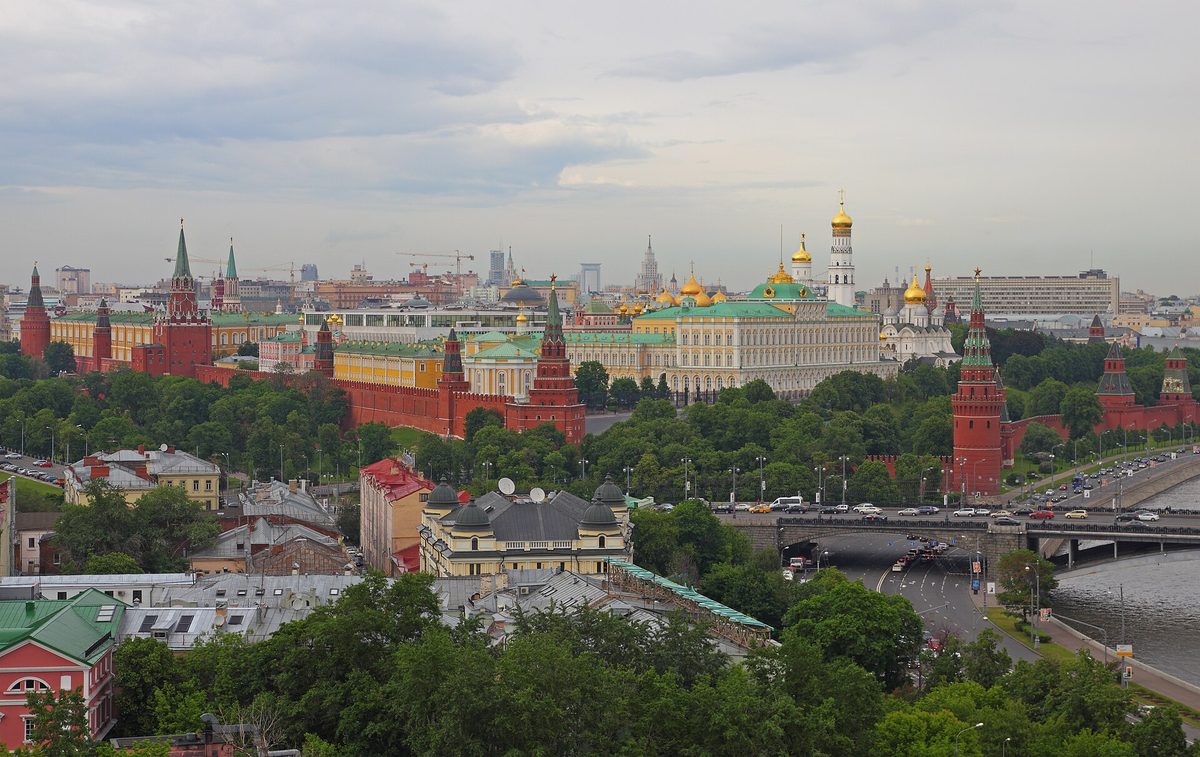
A general view of the Moscow Kremlin, with its red walls, towers and golden domes above the Moskva River

Photo: A. Savin, CC BY-SA 3.0, via Wikimedia Commons - general view of the Moscow Kremlin, 28 May 2012. The photo is from an earlier date, not the peace talks.

TL;DR — the direct answer: The Trump administration has quietly shelved its plan to use business deals as an incentive for Russia to end the war in Ukraine, after the Kremlin showed little interest in the proposed energy and aviation ventures, the Financial Times reported on Wednesday, 25 November 2026. Special envoy Steve Witkoff and Jared Kushner, the president's son-in-law, told European officials that corporate tie-ups were no longer a core part of the American pitch to Moscow, five officials briefed on the change told the FT. The focus has shifted to territory and security guarantees instead. The ideas floated in recent months included American investment in Russian oil projects and titanium production, restarting pipeline gas sales to Europe and reopening Russian airspace to US airlines. At talks in Abu Dhabi on 10 and 11 November, the Russian delegation showed almost no interest in the commercial projects and hardened its position. A US official disputed the FT's account, calling it not accurate and saying economic incentives remained an element of the talks.

Key Facts at a Glance
Metric / DateKey DetailSource
25 Nov 2026Financial Times reports the US has shelved plans to use business deals as an incentive for Russia to end the Ukraine warInternational Affairs
The messageWitkoff and Kushner told European officials corporate tie-ups are no longer a core part of the US pitch, five officials saidUkraNews
The offersUS investment in Russian oil and titanium, restarting pipeline gas sales to Europe, reopening Russian airspace to US airlinesInternational Affairs
10-11 Nov 2026At Abu Dhabi talks the Russian delegation showed almost no interest in commercial projects and hardened its positionPrismaNews
US responseA US official called the FT reporting not accurate, saying economic incentives remain one element of the discussionsPrismaNews

What happened

The Trump administration has quietly shelved proposals to use business deals as an incentive for Russia to end the war in Ukraine, after the Kremlin showed little interest in the proposed energy and aviation ventures, the Financial Times reported on Wednesday, 25 November 2026. Jared Kushner, the US president's son-in-law, and special envoy Steve Witkoff told European officials that corporate tie-ups were no longer a core aspect of the US pitch to Russia, five officials briefed on the change in tactic told the FT. The focus was now instead on territorial and security matters. Kushner and Witkoff in recent months floated postwar ideas such as US companies investing in Russian oil projects and titanium production ventures and restarting pipeline gas sales to Europe as a financial incentive for President Vladimir Putin to put an end to his full-scale invasion of Ukraine. Ideas such as involving American oil majors in a plan to restart sales of Russian crude to Europe via pipelines and resuming access for US airlines to Russian airspace for transit and overflights were pitched in September as an incentive to restart moribund peace talks. US officials have repeatedly stated the ventures would not happen until the war was over. The shift follows months of shuttle diplomacy in which Kushner and Witkoff meet Putin in Moscow, then carry proposals back to Kyiv and European capitals. One official described the economic-track strategy as having been put on the back burner, with Washington turning to a more traditional approach built on the principle of territory in exchange for peace. The message was delivered by Steve Witkoff and Jared Kushner themselves, and the FT's account rests on five officials who were briefed on the change.

Why it's trending

The story is trending because it marks the end of President Donald Trump's signature approach to the war: the idea that a businessman president could buy peace with deals. Trump has spent his second term arguing that commerce could succeed where diplomacy had failed, and he chose two businessmen, Witkoff and Kushner, as his envoys to Moscow precisely because they think in deals. Kushner, a real estate developer, sees commerce as central to restoring peace, and he floated US investment in Russian oil and titanium as the sweetener. The FT's report says the Kremlin was not buying. Russia initially welcomed the ideas but later cooled on them, as it insists that Ukraine give up territory and make other concessions that Kyiv rejects. One official told the paper it was made pretty clear that the Russians were not in the market for this kind of thing. The lesson, as one analysis put it, is that money cannot substitute for a settlement of what Moscow regards as an existential question, as though Ukraine were a mere transaction. The story is also trending because it comes with a public dispute: a US official called the FT's reporting not accurate, while the FT stands on five officials briefed on the change, so readers are left to judge which account to believe. The shift is easy to summarise: business deals no longer central, territory and security guarantees instead. And it matters for the war itself, because the shift to territory and security means the hardest questions, land and guarantees, are now the only questions on the table.

Background / context

The business-for-peace idea was floated in September, as an incentive to restart peace talks that had gone quiet. The proposals were specific: American oil majors would invest in Russian oil projects, American firms would join titanium production ventures, pipeline gas sales to Europe would restart, and US airlines would regain access to Russian airspace for transit and overflights. The logic was that Putin, who has spent years courting foreign investment, would trade an end to the war for a share of the profits. The Russian side played along at first. Officials in Moscow initially responded positively to the proposals, viewing them as a way of keeping Trump engaged, and the choice of Kirill Dmitriev as Witkoff's counterpart reflected that: Dmitriev studied at Stanford and Harvard Business School and worked at Goldman Sachs, and he speaks the language of American business. But the mood changed at the negotiating round in Abu Dhabi on 10 and 11 November, where the Russian delegation showed almost no interest in commercial projects and hardened its position, making clear that Putin would not moderate his demands in exchange for side agreements. Kushner on Sunday evening, 22 November, put out a lengthy statement about the negotiations in which he no longer mentioned economic incentives for Russia from any peace deal and instead focused on a possible postwar security architecture. In Berlin on 19 November, Kushner had floated an Article Five-like security guarantee for Ukraine, but later said Trump would approve it only if wider arrangements made it highly unlikely ever to be invoked. Russia's deputy foreign minister, Sergei Ryabkov, said any formula amounting to Ukraine's quasi-membership of NATO was unacceptable. The war, which began with Russia's full-scale invasion in February 2022, is approaching its sixth year. The shift fits a wider reset: on 17 November, Elbridge Colby, the US Under Secretary of War for Policy, gave two speeches in Brussels signalling that America would put the defence burden more on Europe and prioritise the Indo-Pacific.

What we know / what's unconfirmed

Confirmed: the Trump administration has quietly shelved proposals to use business deals as an incentive for Russia to end the war in Ukraine, after Moscow showed little interest in the proposed energy and aviation ventures, according to the Financial Times, citing five officials briefed on the change in tactic; Witkoff and Kushner told European officials that corporate tie-ups were no longer a core aspect of the US pitch, and that the focus was now on territorial and security matters; the proposals floated in recent months included US investment in Russian oil projects and titanium production, restarting pipeline gas sales to Europe and reopening Russian airspace to US airlines; the ideas were pitched in September as an incentive to restart peace talks; at the Abu Dhabi talks on 10 and 11 November the Russian delegation showed almost no interest in the commercial projects and hardened its position; Kushner published a statement on the evening of Sunday, 22 November, that made no mention of economic incentives and focused instead on a possible postwar security architecture; and the European Commission proposed the EU's 22nd sanctions package on 23 November, aiming for agreement in December. One point needs flagging: a US official described the FT's reporting as not accurate when contacted for comment, saying, we are organising our negotiating tracks and will announce them when we are ready and this continues to be an element. The White House did not respond to a Reuters request for comment, and Reuters said it could not immediately verify the account. What remains unconfirmed is whether the business track is truly dead or merely paused: the US official's wording leaves room for it to return, and the FT's sources say it has been put on the back burner rather than abandoned outright. It is also unconfirmed what the new territory-focused approach will actually demand of Kyiv, and whether Ukraine will accept any deal built on land concessions it has so far rejected.

What happens next

Kushner has said that in the coming weeks Washington will work with Ukraine, European partners and Russia to try to reach a common position on the security architecture for a postwar Ukraine. For now, the file stays with Steve Witkoff and Jared Kushner, the two men who have carried the talks for months, and their next move will show whether the territory track can do what the business track could not. Trump, who has two years and two months of his presidency left, genuinely wants the war to end, and the clock on that ambition is now ticking on the hardest questions of all. That is now the centre of the talks, and it is the hardest part. A security guarantee that looks like NATO membership by another name has already been rejected by Moscow, with Ryabkov calling any formula amounting to Ukraine's quasi-membership of NATO unacceptable, while Kyiv has rejected giving up territory, which is what Moscow insists on. The economic track is not formally closed: the US official who disputed the FT's account said economic incentives continue to be an element of the discussions, so the deals could return if the territory talks stall. But the direction of travel is clear. The administration is moving from dealmaking diplomacy to a more traditional negotiation about land and guarantees, and the European allies, who were told the change by Witkoff and Kushner, will be watching to see whether Washington holds the line on Kyiv's behalf or presses Ukraine to concede. The war, meanwhile, goes on through the winter, and the European Commission's 22nd sanctions package, proposed on 23 November, is aimed for agreement in December, The peace effort also runs alongside the trilateral talks in Shenzhen, where it remained unresolved whether Trump will meet North Korean leader Kim Jong-un during his visit to China.

Frequently asked questions

Q: What did the US propose to Russia to end the Ukraine war?
A: The Trump administration floated business deals as an incentive: American companies investing in Russian oil projects and titanium production, restarting pipeline gas sales to Europe, and reopening Russian airspace to US airlines for transit and overflights. The ideas were pitched in September as a way to restart peace talks. US officials repeatedly said the ventures would not happen until the war was over.

Q: Why did the business-for-peace plan fall apart?
A: Russia showed little interest. Moscow initially welcomed the proposals, but at talks in Abu Dhabi on 10 and 11 November the Russian delegation showed almost no interest in the commercial projects and hardened its position. One official told the Financial Times it was made pretty clear that the Russians were not in the market for this kind of thing, because Moscow insists on territory and other concessions from Ukraine that Kyiv rejects.

Q: What did Witkoff and Kushner tell European officials?
A: Special envoy Steve Witkoff and Jared Kushner, the president's son-in-law, told European officials that corporate tie-ups were no longer a core part of the American pitch to Russia, according to five officials briefed on the change. The focus of the talks has shifted to territorial and security matters instead, and business deals are no longer central to the offer.

Q: Did the White House confirm the Financial Times report?
A: No, and one US official disputed it. The official called the FT's reporting not accurate and said Washington was organising its negotiating tracks and would announce them when ready, adding that economic incentives continue to be an element of the discussions. The White House did not respond to a Reuters request for comment, and Reuters said it could not immediately verify the account.

Q: What happens to the Ukraine peace talks now?
A: Kushner has said Washington will work with Ukraine, European partners and Russia in the coming weeks to try to reach a common position on a postwar security architecture for Ukraine. The talks now centre on territory and security guarantees, which are the hardest questions: Moscow insists on land concessions Kyiv rejects, and has ruled out any guarantee amounting to Ukraine's quasi-membership of NATO. The European Commission's 22nd sanctions package, proposed on 23 November, is aimed for agreement in December.

Sources: International Affairs - FT: Donald Trump shelves plans for business deals with Russia, UkraNews - U.S. rejects idea of trading end to war in Ukraine for major business deals with Russia - FT, PrismaNews - Washington Sets Aside Business Incentives as Kremlin Hardens Position on Ukraine, ByteEU - U.S. Shelves Plans for Business Deals With Russia to End Ukraine War - FT, and Savage Minds - Money Won't Buy Peace in Ukraine.

← Back home