World
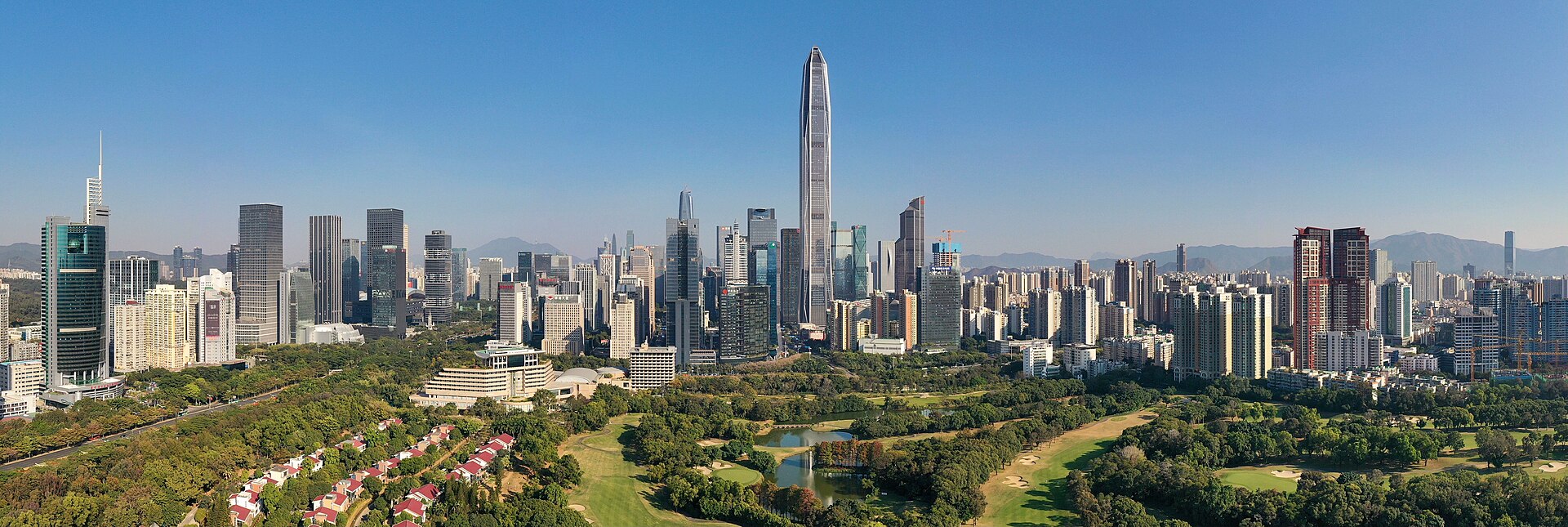
Trump, Xi and Putin Plan First-Ever Trilateral Summit in Shenzhen
Trump, Xi Jinping and Vladimir Putin meet in Shenzhen on 19 November for the first US-China-Russia trilateral, with nuclear arms and Iran on the agenda.
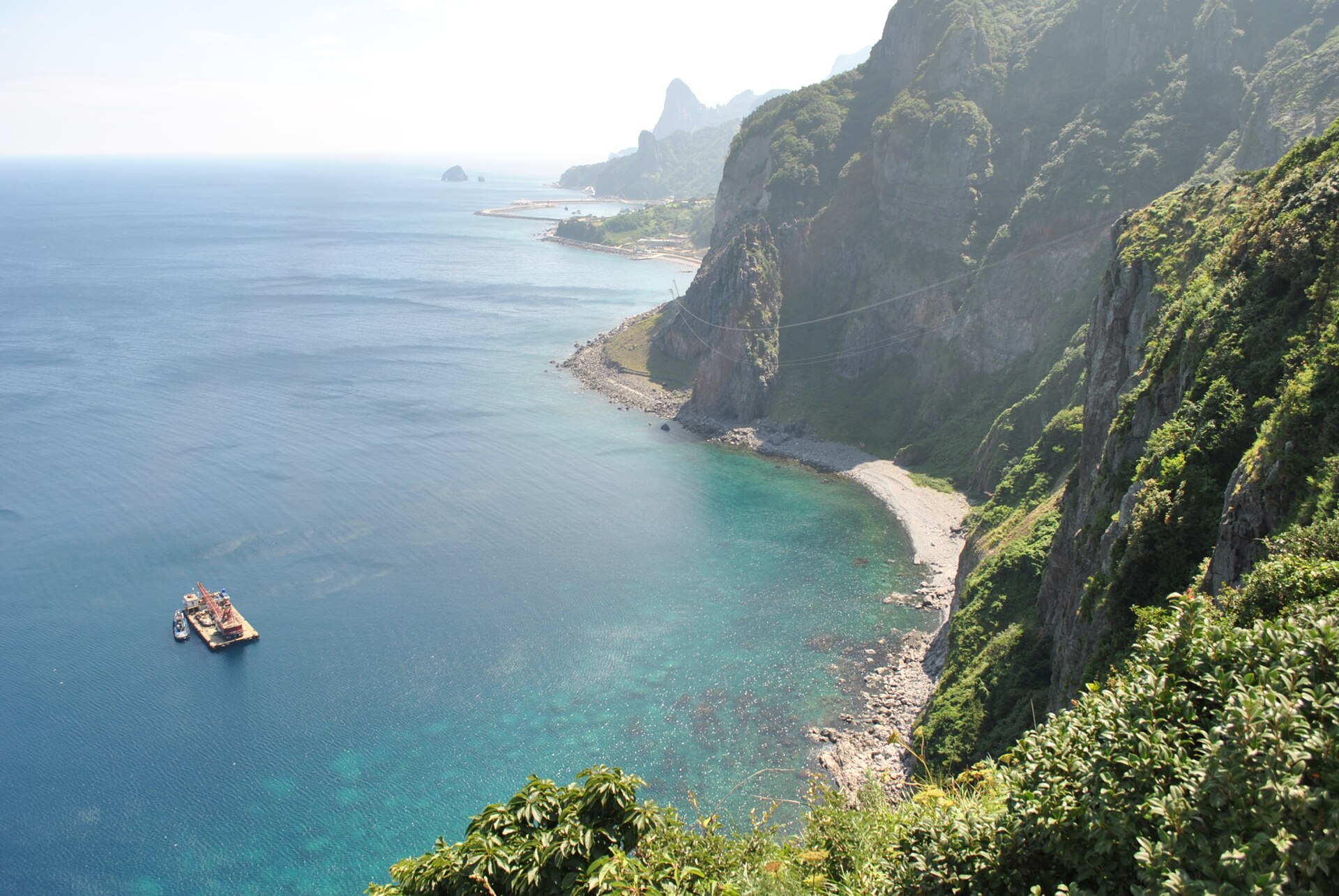
TL;DR — the direct answer: South Korea ordered residents of Ulleung Island to take shelter on Tuesday morning, 24 November, after an aircraft alert that was first described as a Russian plane breaching the country's airspace, and then revised to a suspected North Korean aircraft. The civil defence warning went out at 7:52 a.m. local time, telling people on the small eastern island to move to underground facilities or inside buildings, and the sirens sounded — the first time in four years a real civil defence siren has gone off on a weekday morning there outside a training day. The warning was lifted within minutes. Hours later the picture changed again: South Korea's military said the aircraft were in fact several Russian military planes that had entered the country's air defence identification zone over the East Sea, that fighter jets had been scrambled in response, and that there had been no violation of South Korean airspace at all. The sequence — a breach reported, then revised, then effectively withdrawn — left the morning's alarm looking like a false start built on a misidentification, and it is the military's final account that this article follows.
What happened: At 7:52 a.m. local time on Tuesday, 24 November — 2252 GMT on Monday — a civil defence warning was issued across Ulleung County, the island county off South Korea's east coast in the sea between the Korean Peninsula and Japan. The Ministry of the Interior and Safety sent an emergency disaster text to residents saying an unidentified aircraft had entered South Korean airspace, and told them to take shelter in underground facilities or inside buildings. Sirens sounded across the island. Residents preparing for work and fishing were caught by surprise: a resident in his 50s said he was startled to hear a loud siren while getting ready for work, and fishermen in their 70s said they learned from the disaster text, along with the siren, that an unidentified plane had entered the country's waters. The warning did not last long. It was lifted within minutes — Reuters put the lift three minutes after the alert, while Yonhap's account puts it at about 7:57 a.m., roughly five minutes after it was issued — and a later all-clear message said an aircraft suspected to be North Korean had left what the authorities called a danger zone, and that residents could resume normal activities. But that was not the end of the revisions. South Korea's Joint Chiefs of Staff then said the aircraft were Russian military planes, not North Korean ones, and that several of them had entered South Korea's air defence identification zone over the East Sea on Tuesday morning. The military said the planes approached Ulleung Island and flew away toward the East Sea as South Korean forces responded, fighter jets were scrambled, and — the key sentence — there was no airspace violation. The initial report of a breach, in other words, was wrong.
Why it's trending: A civil defence siren on a South Korean island, telling people to take shelter from an unidentified aircraft, is the kind of alert that travels fast — and it travelled faster than the correction. The first reports, including from Yonhap and the Associated Press, said a suspected North Korean aircraft had breached South Korean airspace near a small eastern island, which is about as alarming a sentence as can be written about the Korean Peninsula. An airspace breach by a North Korean aircraft would be a serious incident in its own right, and it would have come against a background of years of tension, missile tests and military posturing. That is why the story led news bulletins across Asia and beyond within the hour. What makes it trend for a second reason is the correction. The military's later account — Russian planes, an air defence identification zone, no violation — turns the morning from a confrontation into a misidentification, and the gap between the two versions is now the story. How does a government send an island's residents to shelters over an aircraft it then says never entered its airspace? Part of the answer is speed: the alert system is designed to warn first and verify after, because a real intrusion would leave no time to wait. Part of it is the fog that surrounds aircraft identification over the sea, where a radar track can be ambiguous and the first assessment can be wrong. And part of it is the political sensitivity of the names involved: Russian military aircraft entering South Korea's air defence identification zone is a known pattern, while a North Korean aircraft breaching airspace would be something else entirely — and the first version of events named the more alarming of the two.
Background / context: Ulleung Island sits in the East Sea, roughly 120 kilometres off South Korea's east coast, and its roughly 9,000 residents live with the Korean Peninsula's tensions at a remove — until an alert like Tuesday's brings them close. The island last heard a real civil defence siren on a weekday morning four years ago, when North Korea launched a missile into the East Sea in 2022, and the comparison was on residents' minds as they headed for shelter. The distinction at the heart of Tuesday's confusion matters, and it is worth stating plainly. An air defence identification zone is a stretch of airspace beyond a country's sovereign territory where aircraft are asked to identify themselves; entering it is not the same as violating a country's airspace, and foreign military aircraft pass through such zones regularly without it counting as an intrusion. South Korea's zone, known as KADIZ, covers a wide area over the East Sea, and Russian and Chinese military aircraft have entered it before, usually prompting South Korea to scramble fighter jets in response. A genuine breach of sovereign airspace — crossing into the skies directly above a country's land or territorial waters without permission — is rarer and far more serious. Tuesday's alert treated the two as the same thing in its first minutes, and the correction restored the difference. The episode also shows how the alert system itself works: the warning is issued by the safety ministry on the basis of the military's first assessment, the sirens are triggered automatically when the alert equipment is activated, and the all-clear follows once the assessment is refined — a chain built for speed, which is also why it can be wrong.
What we know / what's unconfirmed: Confirmed: a civil defence warning was issued for Ulleung County at 7:52 a.m. local time on Tuesday, 24 November, telling residents to take shelter in underground facilities or inside buildings; the Ministry of the Interior and Safety first said a Russian aircraft had breached South Korean airspace; the warning was lifted within minutes and residents were told they could resume normal activities; a later message described the aircraft as suspected to be North Korean and said it had left a danger zone; South Korea's Joint Chiefs of Staff then said the aircraft were several Russian military planes, not North Korean, that they had entered the air defence identification zone over the East Sea, approached Ulleung Island and flown away toward the East Sea as the military responded, that fighter jets were scrambled, and that there was no airspace violation. Two points need flagging. First, the alert's duration is reported differently: Reuters says the evacuation warning was lifted three minutes after it was issued, while Yonhap's account puts the lift at about 7:57 a.m., roughly five minutes after the 7:52 a.m. alert. Second, and more importantly, the identity of the aircraft changed three times in the official account — Russian, then suspected North Korean, then Russian again — and the claim of an airspace breach was withdrawn by the military's final statement. This article follows the military's final position: Russian aircraft entered the identification zone, and South Korean airspace was not violated. Unconfirmed: how many Russian aircraft were involved — the military said only 'several' — what type they were, how close they came to the island, and why the first assessment identified the aircraft as North Korean when the later one said Russian.
What happens next: The immediate aftermath is administrative: South Korea's military and safety ministry will have to explain how the first assessment went wrong, and whether the alert system needs a check that stops a misidentified radar track from sending an island's residents to shelters. The sirens did what they were designed to do — they warned people fast — but a false alarm of this kind has a cost of its own, in public trust and in the confusion it caused among residents starting their working day. Diplomatically, the incident is likely to stay small. Russian military aircraft entering South Korea's air defence identification zone is a recurring event that usually draws a scrambled response and a statement, not a crisis, and the military's own account now puts Tuesday in that category. What would have made it a crisis — a North Korean aircraft crossing into South Korean airspace — is, on the final account, something that did not happen. The longer question is about the identification systems themselves: as air activity around the peninsula grows, with more drones, more patrols and more exercises, the risk of another misread track rises with it. For Ulleung's residents, Tuesday was a reminder that they live on the edge of one of the world's most heavily armed borders, and that the siren can sound for a mistake as well as for a threat.
Q: What happened on Ulleung Island on Tuesday?
A: At 7:52 a.m. local time on Tuesday, 24 November, South Korea issued a civil defence warning for Ulleung County, telling residents to take shelter in underground facilities or inside buildings after an aircraft alert. Sirens sounded, and the warning was lifted within minutes. It was the first time in four years a real civil defence siren had sounded on a weekday morning there outside a training day.
Q: Did a North Korean aircraft breach South Korean airspace?
A: On the military's final account, no. The first alerts described a Russian aircraft breaching airspace, then a suspected North Korean aircraft. South Korea's Joint Chiefs of Staff later said the aircraft were several Russian military planes that had entered the air defence identification zone, and that there was no airspace violation. An air defence identification zone is not sovereign airspace, so entering it is not a breach.
Q: How long did the warning last?
A: Only a few minutes. Reuters says the evacuation warning was lifted three minutes after it was issued, while Yonhap's account puts the lift at about 7:57 a.m., roughly five minutes after the 7:52 a.m. alert. Residents were then told they could resume normal activities.
Q: What did South Korea's military do in response?
A: The military said it scrambled fighter jets as the Russian aircraft approached Ulleung Island, and that the planes flew away toward the East Sea as South Korean forces responded. No shots were fired and no violation of airspace was recorded.
Q: Why did the first reports say North Korean?
A: The official account changed three times: the safety ministry first said a Russian aircraft had breached airspace, a later message described the aircraft as suspected to be North Korean, and the military then said the aircraft were Russian military planes. The reasons for the changing identification have not been explained, and it is not clear how many aircraft were involved — the military said only 'several'.
Sources: Associated Press via NDTV — South Korea says suspected North Korean aircraft breached island's airspace, Reuters — South Korea briefly issues evacuation warning after Russia aircraft enters airspace, The Sun — South Korea issues alert after Russian aircraft enter air defence zone, Yonhap via WFB News — South Korea scrambles jets, issues alert as Russian military aircraft approach island, and Maeil Business Newspaper — Civil defense warning issued throughout Ulleung-gun.
Trump, Xi Jinping and Vladimir Putin meet in Shenzhen on 19 November for the first US-China-Russia trilateral, with nuclear arms and Iran on the agenda.
A US official said on 9 November that Russia and Ukraine are privately showing some flexibility on territory ahead of two days of US-mediated peace…
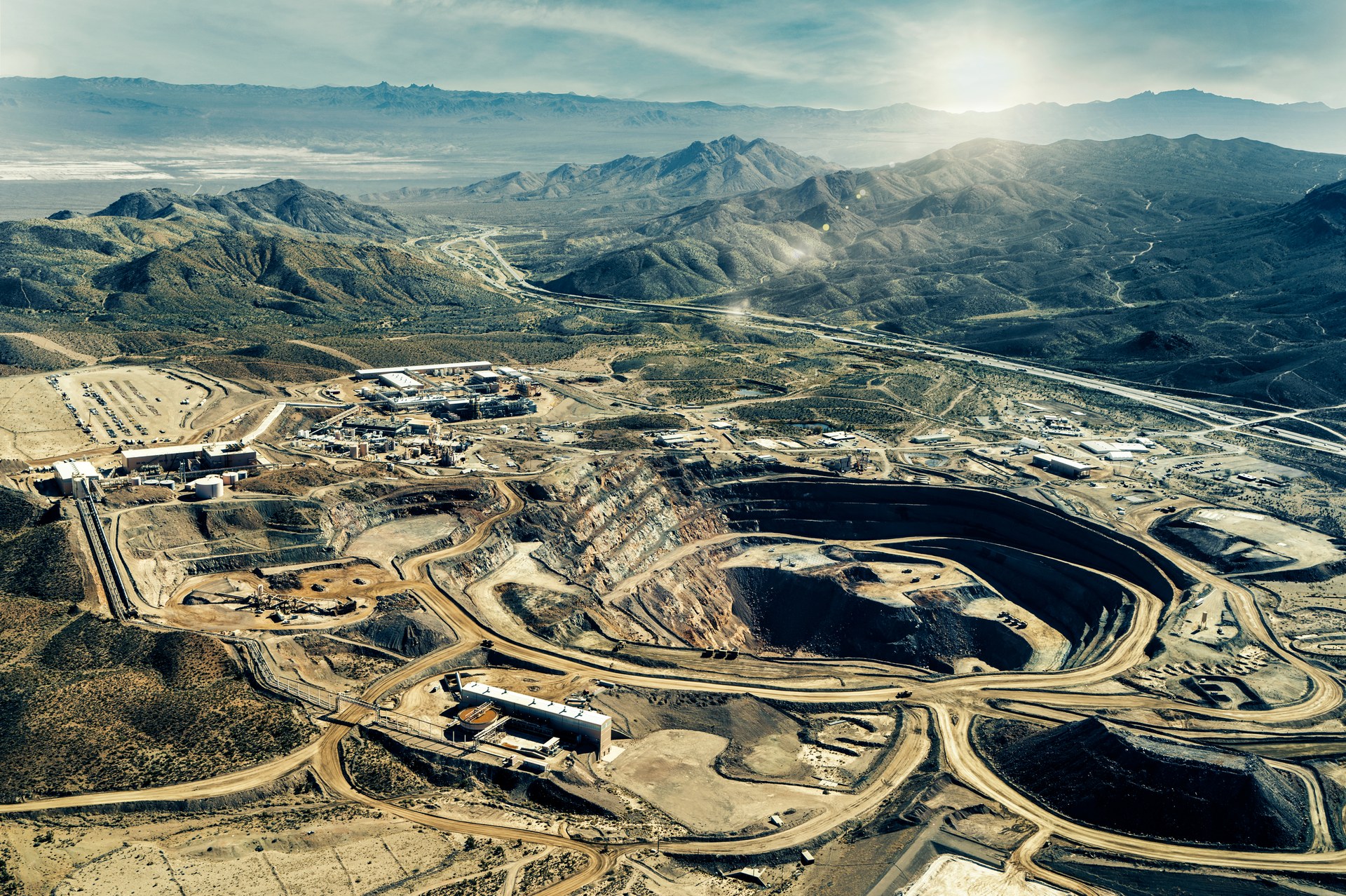
Quad leaders met in Manila for the first time in two years, announcing critical-minerals deals, a maritime patrol exercise and a business forum for 2027.