World
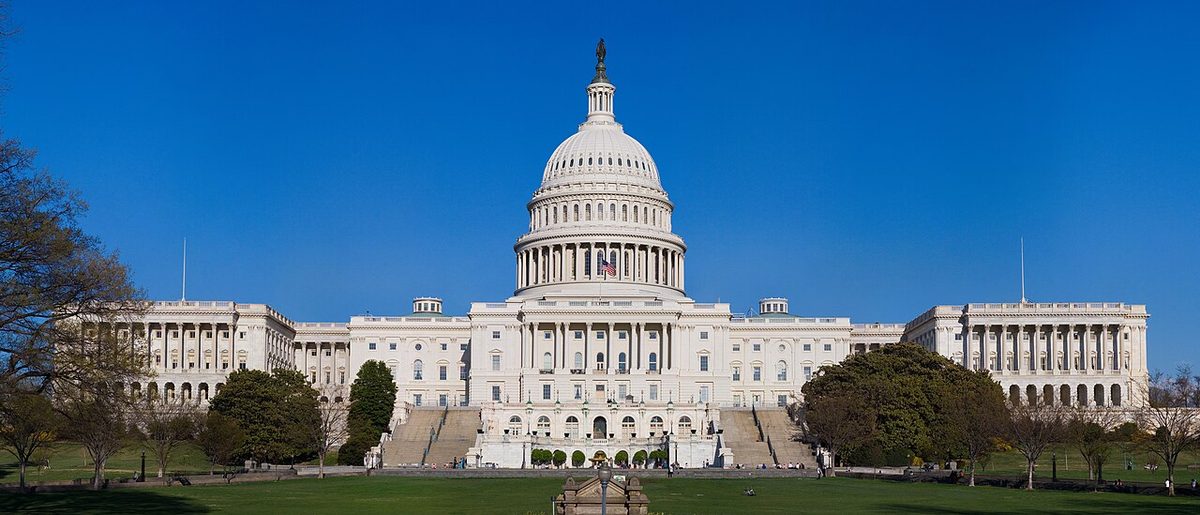
House Blocks the Hegseth Impeachment 211-204 — After 11 Democrats Missed the Vote
The House voted 211-204 to shelve the impeachment of Defence Secretary Pete Hegseth, after 11 absent Democrats left Republicans with a seven-vote edge.
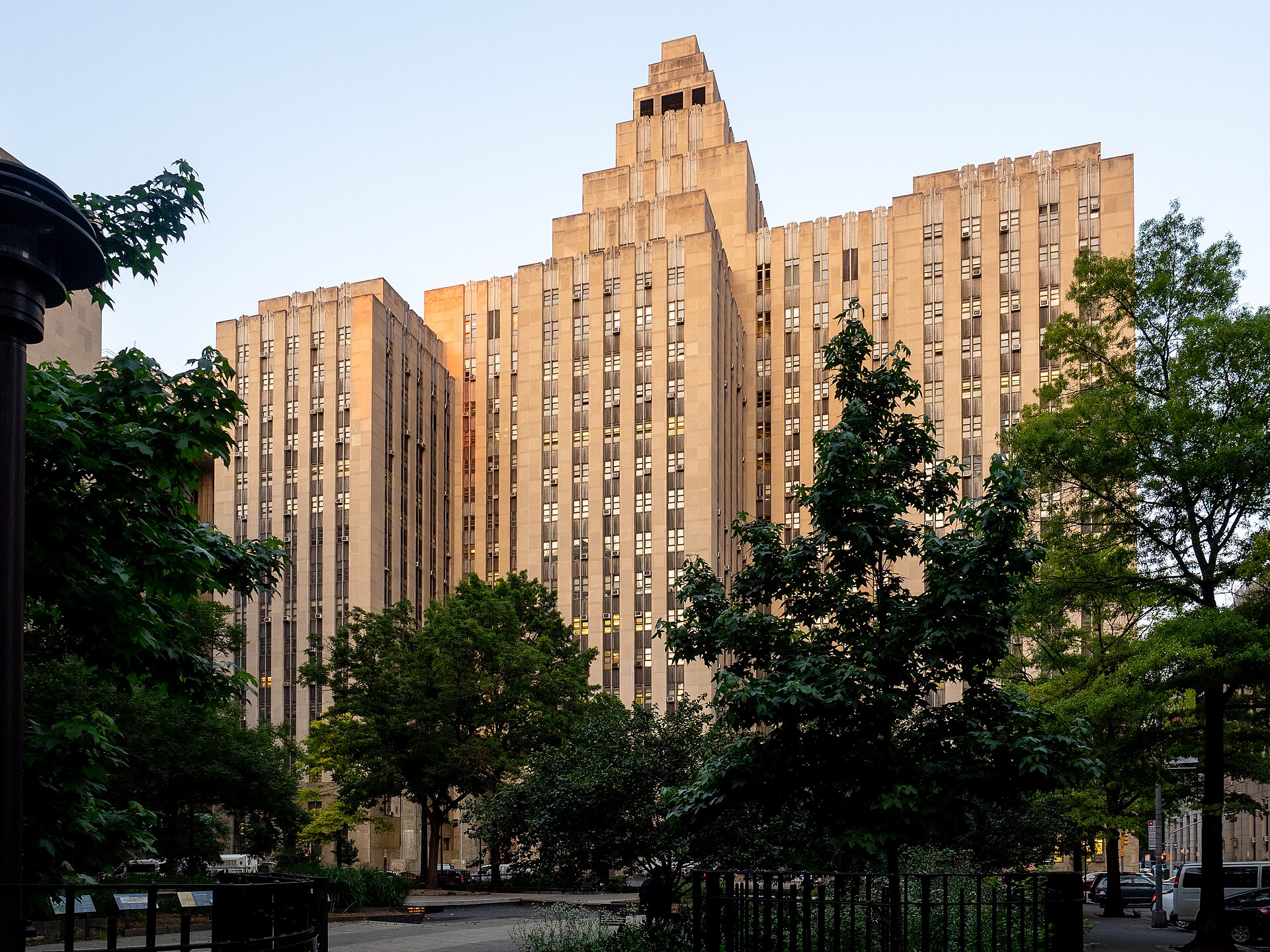
TL;DR — the direct answer: A federal appeals court gave President Donald Trump a new pathway to erasing his hush money conviction on Monday, 23 November, reviving his bid to move the case from New York state court to federal court, where he could seek to have the verdict dismissed on presidential immunity grounds. A three-judge panel of the 2nd US Circuit Court of Appeals ruled that the late District Judge Alvin Hellerstein had erred in holding that moving a state criminal case to federal court was categorically unavailable after a conviction, and ordered a federal judge in Manhattan to rule promptly on Trump's request. The ruling also halted Trump's simultaneous appeal in New York's state courts, where the Appellate Division heard arguments on 5 November but has yet to rule. The conviction itself stands for now: a Manhattan jury found Trump guilty in May 2024 on 34 felony counts of falsifying business records to conceal a $130,000 payment to adult film performer Stormy Daniels, making him the first United States president convicted of a crime, and he was given no punishment.
What happened: The ruling came in a two-page order from a three-judge panel of the 2nd US Circuit Court of Appeals, and its language was blunt. The panel said it disagreed with the late US District Judge Alvin Hellerstein's denial of Trump's request to move his case from state court to federal court, a process known as removal, and held that Hellerstein had 'erred in holding that removal is categorically unavailable in a state criminal case' after a conviction. It also found he had erred in denying that Trump had good cause to make two attempts at moving the case, once after his indictment and again after his trial. The panel ordered a federal judge in Manhattan to rule promptly on whether the case should be transferred to federal jurisdiction, although it set no deadline. The decision is the second time the 2nd Circuit has sided with Trump in his quest for federal court intervention: after Hellerstein's second denial, an earlier panel ordered him to reconsider, saying he had failed to weigh 'important issues relevant' to the request. The ruling arrived a week after the panel spent more than an hour questioning Trump's lawyer and a state prosecutor. The three judges are Raymond J. Lohier Jr., appointed by President Barack Obama, John M. Walker Jr., appointed by President George H.W. Bush, and Jose A. Cabranes, appointed by President Bill Clinton. Hellerstein, who had denied Trump's removal requests three times, most recently in August, died in October at the age of 92, and his death is part of why the case reached the appeals court in the form it did.
Why it's trending: This is the first criminal conviction of a president in American history, and Monday's ruling is the closest Trump has come to a legal route for erasing it. The stakes are not abstract. If the case moves to federal court, Trump's lawyers can argue that the verdict should be discarded because prosecutors relied on evidence protected by presidential immunity, under the Supreme Court's July 2024 ruling that presidents and former presidents cannot be prosecuted for official acts and that prosecutors cannot use official acts as evidence that unofficial actions were illegal. His lawyer, Robert Giuffra Jr., told the panel last week that prosecutors at the trial had used exactly that kind of evidence, including testimony about Trump's Oval Office conversations, his workflow and his social media posts. Giuffra also argued that the prosecution's description of the hush money payment as an illegal campaign contribution under the Federal Election Campaign Act raised questions that belong in federal court, not state court. He urged the judges to rule swiftly, warning that without federal intervention Trump 'will likely have to wait years' for state appellate courts to rule before he can take the matter to the Supreme Court. The ruling also has an immediate procedural consequence that may matter more than the headlines: it set in motion a halt to Trump's simultaneous appeal in New York's state courts. The mid-level Appellate Division heard arguments on 5 November and has yet to rule, and under Monday's decision it could be prevented from ruling indefinitely. Steven Wu, chief of the appeals division at the Manhattan District Attorney's office, had urged the panel to uphold Hellerstein's ruling and leave the case in state court; the office declined to comment after the decision. Trump's legal team, by contrast, was quick to claim victory, with a spokesperson saying the president 'appreciates the 2nd Circuit's prompt and correct ruling, as he continues to win against Democrat weaponization of our Justice System.'
Background / context: The case is the one that made legal history before any other Trump prosecution reached a courtroom. It stems from a $130,000 payment made shortly before the 2016 presidential election to adult film performer Stormy Daniels, who said she had an affair with Trump that he denies. The payment was made through Trump's then-lawyer Michael Cohen, and prosecutors said Trump falsified business records to conceal it, recording the reimbursements as legal expenses, in order to keep the story from voters. Trump was indicted in March 2023, and within weeks he first sought to move the case to federal court. Hellerstein denied that request, and Trump tried again after his conviction and after the Supreme Court's immunity ruling in July 2024. The trial itself ran from April to May 2024, and on 30 May a Manhattan jury found him guilty on all 34 felony counts of falsifying business records, making him the first United States president ever convicted of a crime. He was sentenced in January 2025 to an unconditional discharge, meaning no punishment: no prison time, no fine, no probation. The conviction stood as a fact of his record even as he returned to the White House, and his lawyers have pursued two tracks ever since to remove it. One is the traditional state appeal, arguing the trial itself was flawed, which reached the Appellate Division in November. The other is the federal removal bid, which would let him argue in a friendlier forum that the whole prosecution touched on his official duties and therefore cannot stand. Monday's ruling revives the second track, which Hellerstein had repeatedly blocked, and it does so at a moment when the state track has stalled.
What we know / what's unconfirmed: Confirmed: on Monday, 23 November 2026, a three-judge panel of the 2nd US Circuit Court of Appeals reversed the late Judge Alvin Hellerstein's denial of Trump's request to move his hush money case to federal court; the panel held in a two-page order that Hellerstein had erred in ruling removal categorically unavailable after a conviction and in denying Trump had good cause for two removal attempts; the panel ordered a federal judge in Manhattan to rule promptly on the transfer, with no deadline set; the ruling halted proceedings in Trump's state court appeal, where the Appellate Division heard arguments on 5 November and has yet to rule; Trump was convicted on 30 May 2024 on 34 felony counts of falsifying business records to conceal a $130,000 payment to Stormy Daniels; he was given no punishment; he denies Daniels' account of an affair and denies wrongdoing; the panel consisted of Judges Raymond J. Lohier Jr., John M. Walker Jr. and Jose A. Cabranes; Trump's lawyer Robert Giuffra Jr. argued prosecutors used official-acts evidence barred by the Supreme Court's July 2024 immunity ruling; and the Manhattan District Attorney's Office declined comment. What is unconfirmed, and what the ruling does not decide, is everything that matters next. The panel did not rule that the case belongs in federal court, only that a federal judge must decide the question promptly; it did not rule on immunity, and it did not touch the verdict, which remains in force. Whether the federal judge keeps the case, and whether Trump can then persuade the 2nd Circuit that the verdict should be discarded, are open questions, and legal analysts quoted in coverage described the bid as a long shot even as they noted this is the second time the appeals court has sided with Trump on the procedural question. It is also worth being precise about what 'erase' means here: even a successful immunity argument would discard the verdict, not rewrite the history of the trial, and the state appeal remains suspended rather than resolved.
What happens next: The next step belongs to a federal judge in Manhattan, who must now decide, promptly but with no deadline imposed, whether the case should be transferred to federal court. If the judge keeps it in federal court, Trump can argue that the verdict should be discarded on immunity grounds, and the case would return to the 2nd Circuit, which has now sided with him twice on the procedural question. If the judge sends it back to state court, Trump can appeal that decision, and the legal merry-go-round described by the Associated Press would continue. Either way, the state appeal is effectively frozen: the Appellate Division may be prevented from ruling indefinitely, which means the traditional challenge to the conviction could sit untouched while the federal fight plays out. That was part of Giuffra's argument for urgency, and it is also why the ruling matters beyond Trump himself: it tests how far the Supreme Court's immunity decision reaches into state prosecutions of a sitting president, and whether a defendant can use federal removal to escape a state conviction after the fact. The Manhattan District Attorney's office has not said what it will do next, and the White House has said nothing beyond the legal team's statement. For Trump, who has now won two procedural rounds in the 2nd Circuit without yet winning the underlying question, the path to erasing the conviction is open but far from travelled. The verdict stands, the sentence stands, and the next ruling will come from a trial judge who has not yet been assigned the question.
Q: What did the appeals court actually decide?
A: A three-judge panel of the 2nd US Circuit Court of Appeals ruled on Monday, 23 November 2026, that the late Judge Alvin Hellerstein had erred in holding that moving a state criminal case to federal court was categorically unavailable after a conviction. It ordered a federal judge in Manhattan to rule promptly on Donald Trump's request to transfer his hush money case to federal court. The ruling does not erase the conviction, which remains in force.
Q: Why does Trump want the case in federal court?
A: In federal court, Trump can argue the verdict should be discarded on presidential immunity grounds, under the Supreme Court's July 2024 ruling that presidents cannot be prosecuted for official acts and prosecutors cannot use official acts as evidence. His lawyers say prosecutors at his trial used official-acts evidence, including testimony about his Oval Office conversations, workflow and social media posts, and that the campaign-finance theory behind the case belongs in federal court.
Q: What was Trump convicted of?
A: On 30 May 2024, a Manhattan jury found Trump guilty on 34 felony counts of falsifying business records, for concealing a $130,000 payment to adult film performer Stormy Daniels before the 2016 election. He became the first United States president convicted of a crime. He was sentenced in January 2025 to an unconditional discharge, meaning no punishment. Trump denies Daniels' account of an affair and denies wrongdoing.
Q: What happens to Trump's state court appeal?
A: It is effectively halted. The Appellate Division, New York's mid-level appeals court, heard arguments on 5 November 2026 but has yet to rule, and Monday's decision set in motion a halt to those proceedings, which could be prevented from ruling indefinitely while the federal question is decided.
Q: Who were the judges on the panel?
A: The panel was Judges Raymond J. Lohier Jr., appointed by President Barack Obama; John M. Walker Jr., appointed by President George H.W. Bush; and Jose A. Cabranes, appointed by President Bill Clinton. They spent more than an hour questioning Trump's lawyer Robert Giuffra Jr. and Steven Wu of the Manhattan District Attorney's office a week before ruling.
Sources: Associated Press via FL Times — Federal appeals court gives President Donald Trump a path to erasing hush money conviction, Al Jazeera — Appeals court renews Trump bid for federal jurisdiction in hush-money case, The Hindu — Federal appeals court gives President Donald Trump path to erasing hush money conviction, Mathrubhumi — Trump gets fresh chance to overturn hush money conviction after appeals court ruling, and Election Law Blog — Appeals court opens door to moving Trump's criminal case to federal court.
The House voted 211-204 to shelve the impeachment of Defence Secretary Pete Hegseth, after 11 absent Democrats left Republicans with a seven-vote edge.
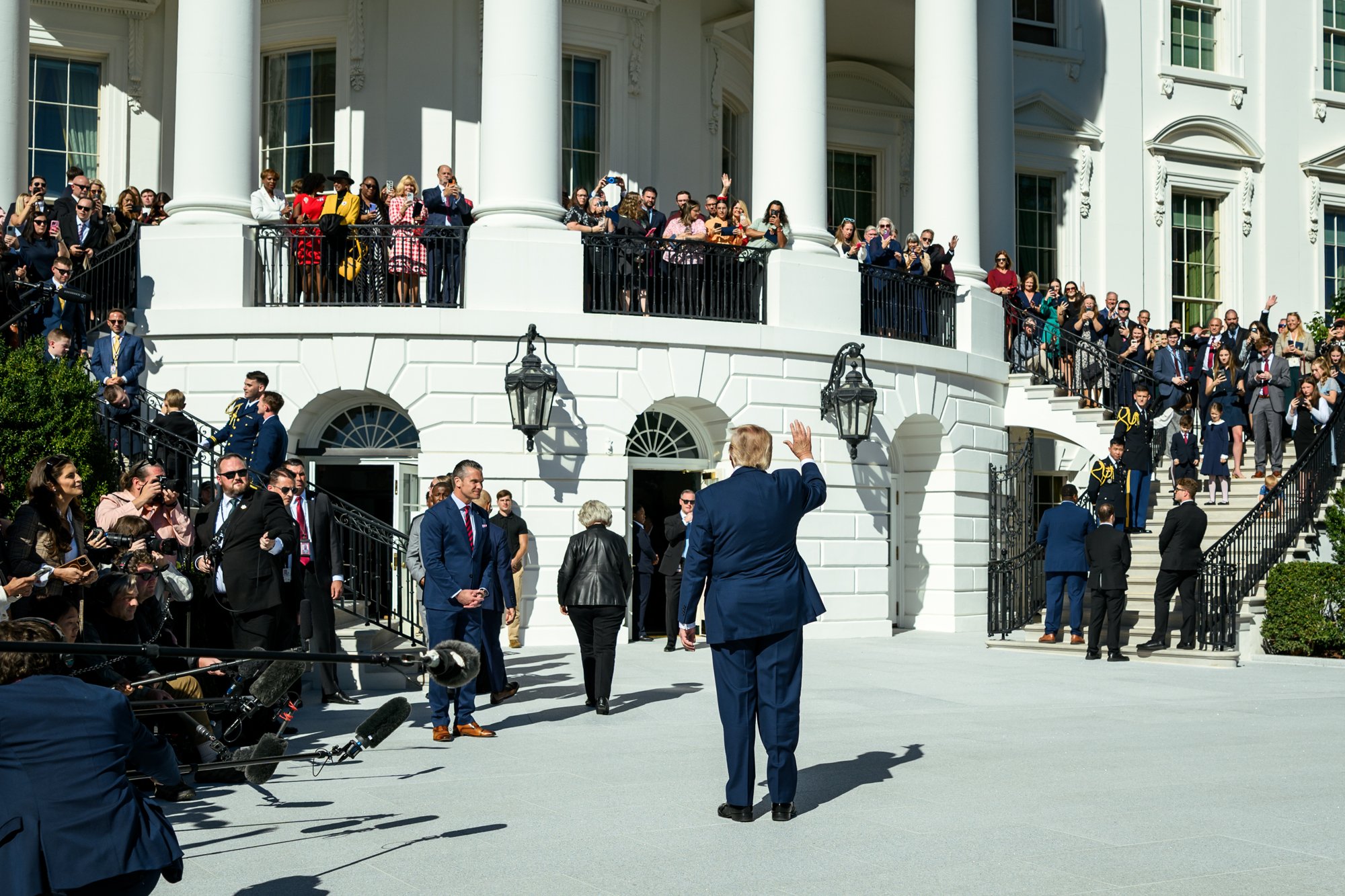
Donald Trump's approval rating has fallen to 32% in the latest Economist/YouGov poll, a new second-term low taken in the first survey since the midterms.
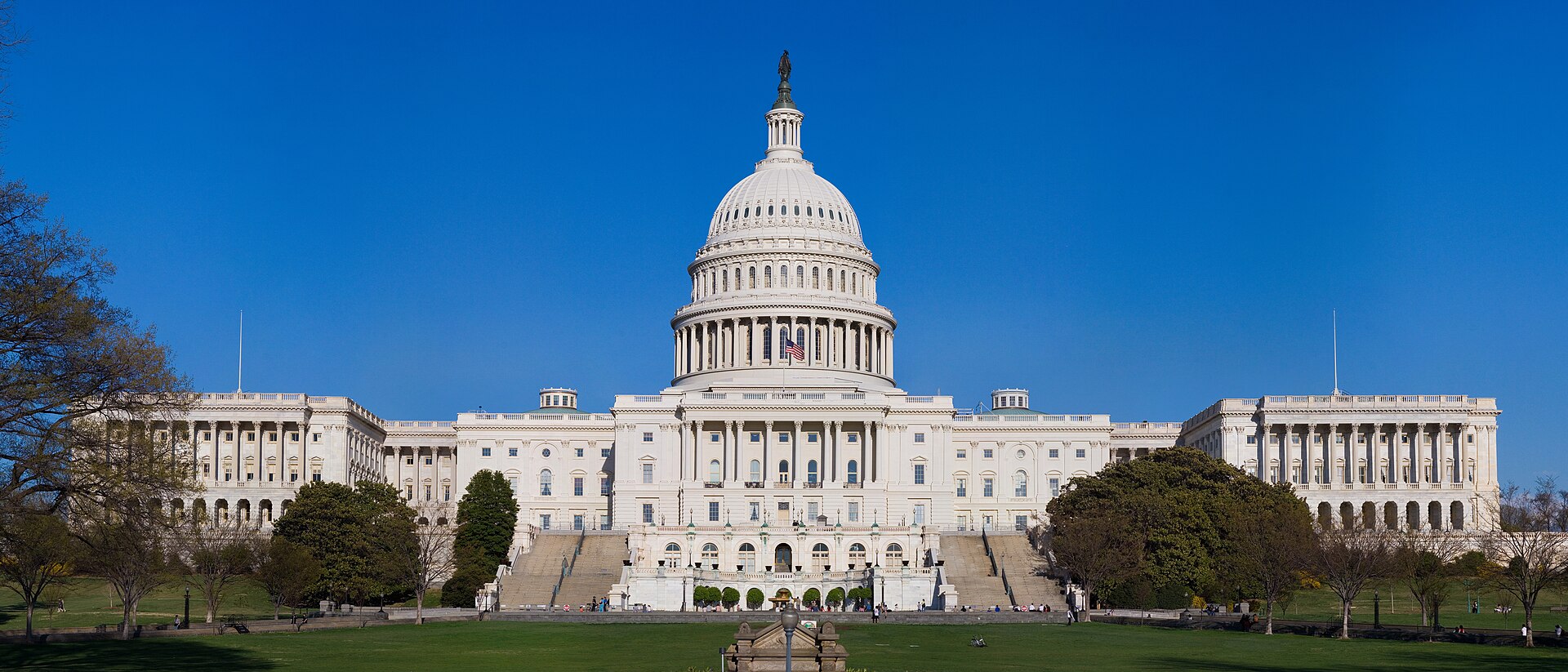
Democrats won 56 percent of the House vote, their biggest win in 50 years, flipping 46 seats and taking both chambers of Congress in the 2026 midterms.