
Entertainment
Macy's Thanksgiving Parade Postponed for First Time Ever
Macy's postponed its 100th Thanksgiving Day Parade to Saturday, 28 November, because of a nor'easter bringing high winds and heavy rain to New York.
Drafted with the help of AI tools and reviewed by our editor. Read our editorial policy.
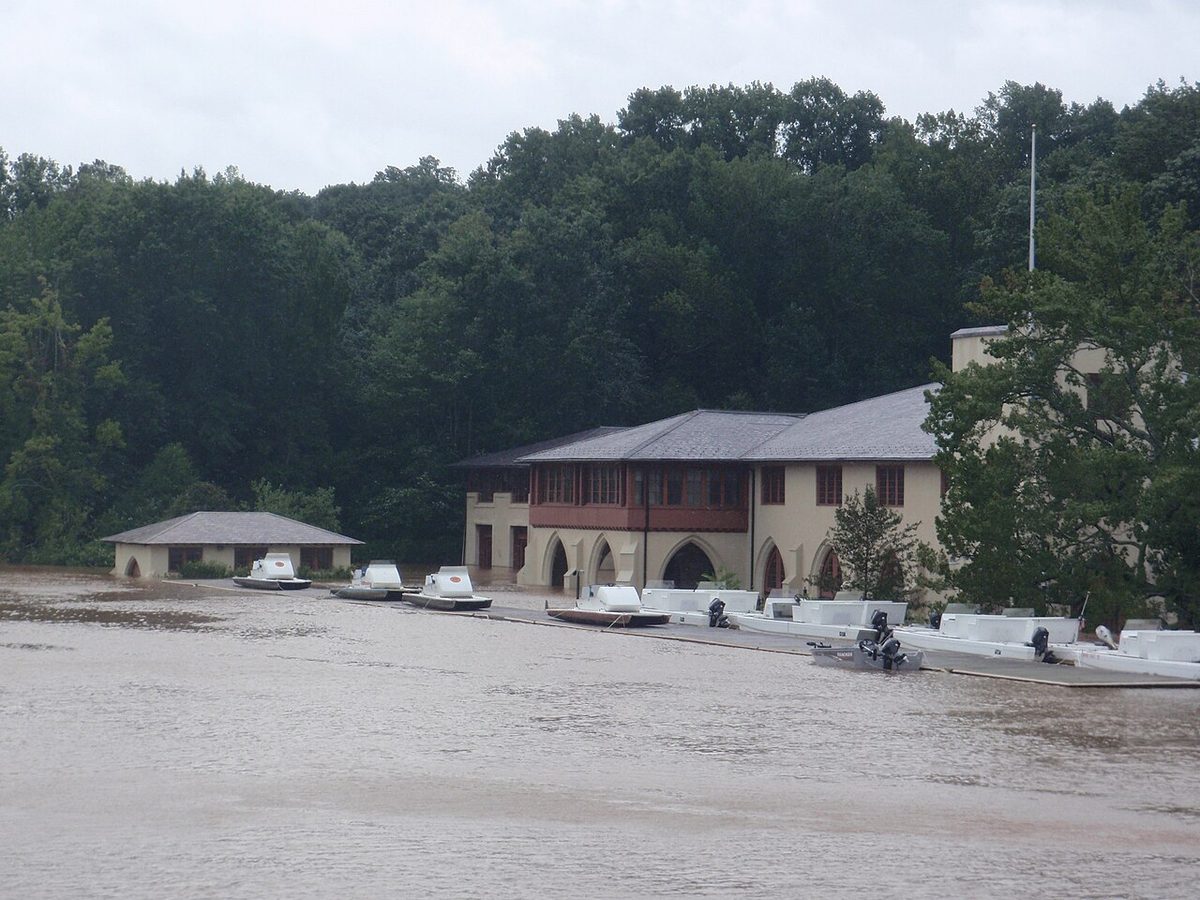
TL;DR — the direct answer: A powerful Thanksgiving storm battered the United States on Thursday, 26 November, knocking out power to more than 900,000 homes and businesses at its peak, flooding coastal towns from North Carolina to New Jersey, and forcing the first postponement in the 100-year history of the Macy's Thanksgiving Day Parade. The nor'easter stretched from Missouri to Massachusetts, with wind gusts over 70 mph in the Northeast, torrential rain, and coastal flooding that in some places rose higher than during Superstorm Sandy in 2012. New Jersey and parts of New York were placed under a state of emergency. Flights were disrupted across the country, with 462 cancellations and more than 2,500 delays on Thursday, according to FlightAware. By late Friday afternoon close to 400,000 customers were still without power, mostly in Pennsylvania and New Jersey. The storm also brought heavy snow to the Midwest, with St. Louis recording its largest November snowstorm in 46 years, and record king tides flooded parts of the California coast, where a section of the Pacifica Pier collapsed on Wednesday. Outage figures are moving numbers: this article dates each count as reported.
| Metric / Date | Key Detail | Source |
|---|---|---|
| Thu 26 Nov 2026 | More than 900,000 homes and businesses without power at the peak on Thanksgiving evening, most in East Coast states | Al Jazeera |
| Fri 27 Nov 2026 | Close to 400,000 customers still without power late Friday afternoon, most in Pennsylvania and New Jersey | CNN |
| 462 cancelled | 462 flights cancelled and more than 2,500 delayed across the US on Thursday, according to FlightAware | CNN |
| 70 mph gusts | Wind gusts topped 70 mph in the Northeast; at least 30 locations saw major flooding, some beating Sandy levels by 1.5 feet | CNN |
| 1.82 inches | Central Park recorded 1.82 inches of rain, making it the wettest Thanksgiving on record in New York City | CNN |
The storm arrived on Thanksgiving Day, Thursday, 26 November, as tens of millions of Americans were travelling to family gatherings. AAA had expected 81.5 million people to travel for the holiday between Thursday and Monday, and the weather hit at the worst possible moment. A sprawling system stretched from Missouri to Massachusetts, combining a nor'easter on the East Coast with heavy snow in the Midwest and record king tides on the West Coast. On the East Coast, wind gusts reached over 70 mph in the Northeast, toppling trees and power lines, while heavy rain fell at rates of up to an inch an hour in places. More than 900,000 homes and businesses were without electricity on Thursday evening, with the majority in East Coast states, according to the outage tracking website poweroutage.us. Firstpost reports the peak figure as more than 980,000, and this article uses the lower, more widely reported figure while flagging the higher one. New Jersey was placed under a state of emergency by Governor Mikie Sherrill, with all of the state covered, and parts of New York were placed under a state of emergency by Governor Kathy Hochul. In New Jersey alone more than 165,000 homes and businesses lacked power on Thursday night, including more than 109,000 customers in Monmouth and Ocean counties by late evening. In Maryland, nearly two million water customers in Montgomery and Prince George's counties were asked to conserve water after outages hit two water treatment plants, though the restriction was lifted early on Friday. In New York City, Central Park recorded 1.82 inches of rain, the wettest Thanksgiving on record there, and two people had to be rescued from their cars because of flooding, according to Mayor Zohran Mamdani, who warned: 'There is no destination worth your safety.' The most visible casualty of the day was the 100th Macy's Thanksgiving Day Parade in New York City, which was postponed to Saturday, the first time the parade has ever been rescheduled because of severe weather. Organisers were concerned about how the parade's massive balloons would fare in the wind-swept canyons between Manhattan's skyscrapers. Air travel was disrupted across the country. FlightAware counted 462 cancellations and more than 2,500 delays on Thursday, with Baltimore/Washington International Airport recording the most cancellations. An earlier count, reported by Firstpost, put the figures at nearly 400 cancellations and another 2,000 delays. Wind damage also closed the Commodore Barry Bridge between Pennsylvania and New Jersey, which was expected to stay shut until at least Saturday.
The storm is trending because it hit the biggest travel holiday in the American calendar, and because it produced a first that nobody expected: the postponement of the Macy's parade. The parade has run for a century, through wars, recessions and previous storms, and its deferral to Saturday became the symbol of a holiday knocked off course. Families ate Thanksgiving dinner by candlelight in hundreds of thousands of homes, and the pictures of idle parade floats behind chain-link fences in Manhattan travelled as widely as any storm image. The flooding was historic in its own right. Strong winds shoved ocean water ashore on top of the already exceptional King tides, and at least 30 locations across Virginia, Maryland, Delaware and New Jersey experienced major flooding, with some reaching all-time highs and surpassing the level set during Superstorm Sandy by 1.5 feet or more. In Atlantic City, New Jersey, some low-lying areas had close to two to three feet of water, according to city authorities, and in Old Town Alexandria, Virginia, streets flooded as the high tide rolled in. Roads were closed from North Carolina to New Jersey, and emergency workers rescued people from cars stranded in water. In Ocean City, Maryland, strong winds tore the roof off a building, though no injuries were reported. The storm also made history away from the coast. It dropped 8 to 12 inches of snow on a widespread swath of eastern Missouri and western Illinois, and St. Louis had its largest November snowstorm in 46 years. The weight of the snow brought down branches and power lines, pushing peak Missouri outages past 150,000 customers. Memphis saw snow on Thanksgiving for the first time in at least 70 years, and Nashville had its first Thanksgiving snowfall since 1950. On the West Coast, waves driven by high tides caused flooding along the Pacific coast, record tides forced evacuations from Humboldt County in the far north to southern Ventura County near Los Angeles, and part of the Pacifica Pier south of San Francisco collapsed on Wednesday. By Friday morning, shoppers heading out for Black Friday found the clean-up under way and hundreds of thousands of homes still dark.
A nor'easter is a storm along the East Coast of the United States, so called because the winds over the coastal area are typically from the northeast. These storms may occur at any time of year but are most frequent and most violent between September and April. They form when cold Arctic air moving south and east meets warm, moist air over the Atlantic, with the warm waters of the Gulf Stream helping to feed the system, and they nearly always bring heavy rain or snow to the densely populated corridor between Washington DC, Philadelphia, New York and Boston, known as the I-95 Corridor. According to AccuWeather meteorologist Brian Edwards, around three nor'easters affect the US each year. They are often compared to hurricanes, but the difference is the size of the wind field: hurricanes have a narrow field of strong winds concentrated around the centre, while a nor'easter's winds are spread out over a much wider area. The worst nor'easters in American history set the scale for this one. The Great Blizzard of 1888 brought up to 50 inches of snow and 400 deaths, and the 1993 Storm of the Century killed 310 people and left millions without power. The most recent devastating nor'easter, in 2016, brought a state of emergency across 12 states and Washington DC. This week's storm arrived on top of an already exceptional tide cycle. King tides, the highest tides of the year, were running along both coasts, and the National Weather Service had issued wind advisories for northern Georgia, most of the mid-Atlantic and southern New England, plus a coastal flood warning for the San Francisco Bay Area, warning that flooding could reach 2.7 feet in some low-lying areas. The storm also prompted a rare tornado warning southeast of Seattle, Washington, one of several brief tornado warnings issued during the day.
Confirmed, as of late Friday afternoon: the storm knocked out power to more than 900,000 homes and businesses at its peak on Thursday evening, according to poweroutage.us, with the majority in East Coast states; close to 400,000 customers were still without power late Friday afternoon, with Pennsylvania and New Jersey holding the most, about 245,000 combined as of late Friday morning; New Jersey and parts of New York were placed under states of emergency; the 100th Macy's Thanksgiving Day Parade was postponed to Saturday, the first time it has been rescheduled for severe weather; FlightAware counted 462 cancellations and more than 2,500 delays on Thursday; wind gusts topped 70 mph in the Northeast and 60 mph in Maryland, Virginia, Delaware and North Carolina; at least 30 locations across Virginia, Maryland, Delaware and New Jersey saw major flooding, some beating Sandy levels by 1.5 feet or more; Central Park recorded 1.82 inches of rain, its wettest Thanksgiving on record; St. Louis had its largest November snowstorm in 46 years; Memphis saw Thanksgiving snow for the first time in at least 70 years and Nashville for the first time since 1950; the Commodore Barry Bridge was closed by wind damage until at least Saturday; and part of the Pacifica Pier collapsed on Wednesday amid record king tides. Two figures need flagging. First, the peak outage count: Al Jazeera and CNN report more than 900,000, while Firstpost reports more than 980,000, and this article uses the lower figure. Second, the flight figures: CNN's count of 462 cancellations and more than 2,500 delays is the later, fuller tally, while Firstpost's nearly 400 cancellations and 2,000 delays was an earlier count. What remains unconfirmed is how long the remaining outages will last. Energy companies in Virginia warned it may take some time, even days, for power to return, as crews had to wait until it was safe to access damaged areas. The full cost of the damage is also not yet known, and no deaths have been reported in the sources checked for this article.
The clean-up continues into the weekend, with utility crews working through the remaining outages in Pennsylvania, New Jersey and Missouri, and the Commodore Barry Bridge expected to stay shut until at least Saturday. The postponed Macy's parade takes place on Saturday, two days late, and the National Weather Service says light rain, snow showers and winds up to 30 mph will linger across the Great Lakes, the Ohio River Valley and the Northeast through early Saturday before the holiday storm finally moves out. But the break is short. A new round of storms ramps up on Saturday and carries into Sunday, typically the busiest travel day of the year, when the TSA expects more than three million people to pass through checkpoints. The first storm brings snow and strong winds to the Rockies on Friday night before spreading soaking rain across the Plains on Saturday, with heavy rain and gusty winds from the Louisiana Gulf Coast to southern Michigan on Sunday morning, reaching the Northeast by Sunday evening. Forecasters do not expect the weekend storms to pack the same punch as the Thanksgiving system, but gusts of 40 to 60 mph across western Kansas, northern Texas and Oklahoma overnight could cause more power outages. Separately, President Donald Trump said on Thursday that he had approved about 100 million dollars in federal aid to Florida following severe storms and flooding there, including funding previously approved in connection with Hurricane Isaias.
Q: How many people lost power in the Thanksgiving storm?
A: More than 900,000 homes and businesses were without power at the peak on Thursday evening, according to the outage tracking website poweroutage.us, with the majority in East Coast states. Firstpost reports the peak as more than 980,000. By late Friday afternoon close to 400,000 customers were still without power, most of them in Pennsylvania and New Jersey. Outage figures change hourly as crews restore service.
Q: Why was the Macy's Thanksgiving Day Parade postponed?
A: The 100th Macy's Thanksgiving Day Parade in New York City was postponed to Saturday because of concerns about how the parade's massive balloons would fare in winds gusting over 70 mph through the canyons between Manhattan's skyscrapers. It is the first time in the parade's 100-year history that it has been rescheduled because of severe weather.
Q: Which areas were hit hardest by flooding?
A: Coastal areas from North Carolina to New Jersey flooded as high tide rolled in on top of the storm surge. At least 30 locations across Virginia, Maryland, Delaware and New Jersey saw major flooding, with some reaching all-time highs and beating the level set during Superstorm Sandy by 1.5 feet or more. Atlantic City had close to two to three feet of water in low-lying areas, and streets flooded in Old Town Alexandria, Virginia.
Q: How bad were the flight disruptions?
A: FlightAware counted 462 cancellations and more than 2,500 delays across the United States on Thursday, one of the busiest travel days of the year. Baltimore/Washington International Airport had the most cancellations, with New York's JFK, Boston Logan and Miami also suffering significant delays. An earlier count put the figures at nearly 400 cancellations and 2,000 delays.
Q: What is a nor'easter?
A: A nor'easter is a storm along the East Coast of the United States, named because the winds over the coastal area come from the northeast. They form when cold Arctic air meets warm, moist air over the Atlantic, and they are most frequent and most violent between September and April. Around three affect the US each year, and they nearly always bring heavy rain or snow to the corridor between Washington DC and Boston.
Sources: Al Jazeera — Thanksgiving storms leave nearly a million without power across the US, CNN — When and where storms could slow your post-Thanksgiving travel, Firstpost — Thanksgiving storm pounds US: How nor'easter caused flooding, power outages, and flight disruptions, and Reuters — Thanksgiving disruptions as storm hits US East Coast.
Macy's postponed its 100th Thanksgiving Day Parade to Saturday, 28 November, because of a nor'easter bringing high winds and heavy rain to New York.

Record king tides flooded California's coast on Tuesday, breaking a 44-year November record in San Francisco, with even higher water due Wednesday.

A section of the Pacifica Pier collapsed into the Pacific on Wednesday as 20 to 30 foot waves and record king tides battered the California coast.
The day’s biggest stories in your inbox every morning — free, no spam, unsubscribe anytime.