
LIVE
Huawei Found Guilty on 10 of 12 Counts  •  US Blacklists Megaspeed Over Nvidia Chip Diversion  •  California King Tides Smash Records Before Thanksgiving  • 
Sports

Senegal Win Back Africa Cup of Nations Title After CAS Overturns Morocco Award

By Toijam Bimoljit Singh • 25 November 2026 • 11 min read

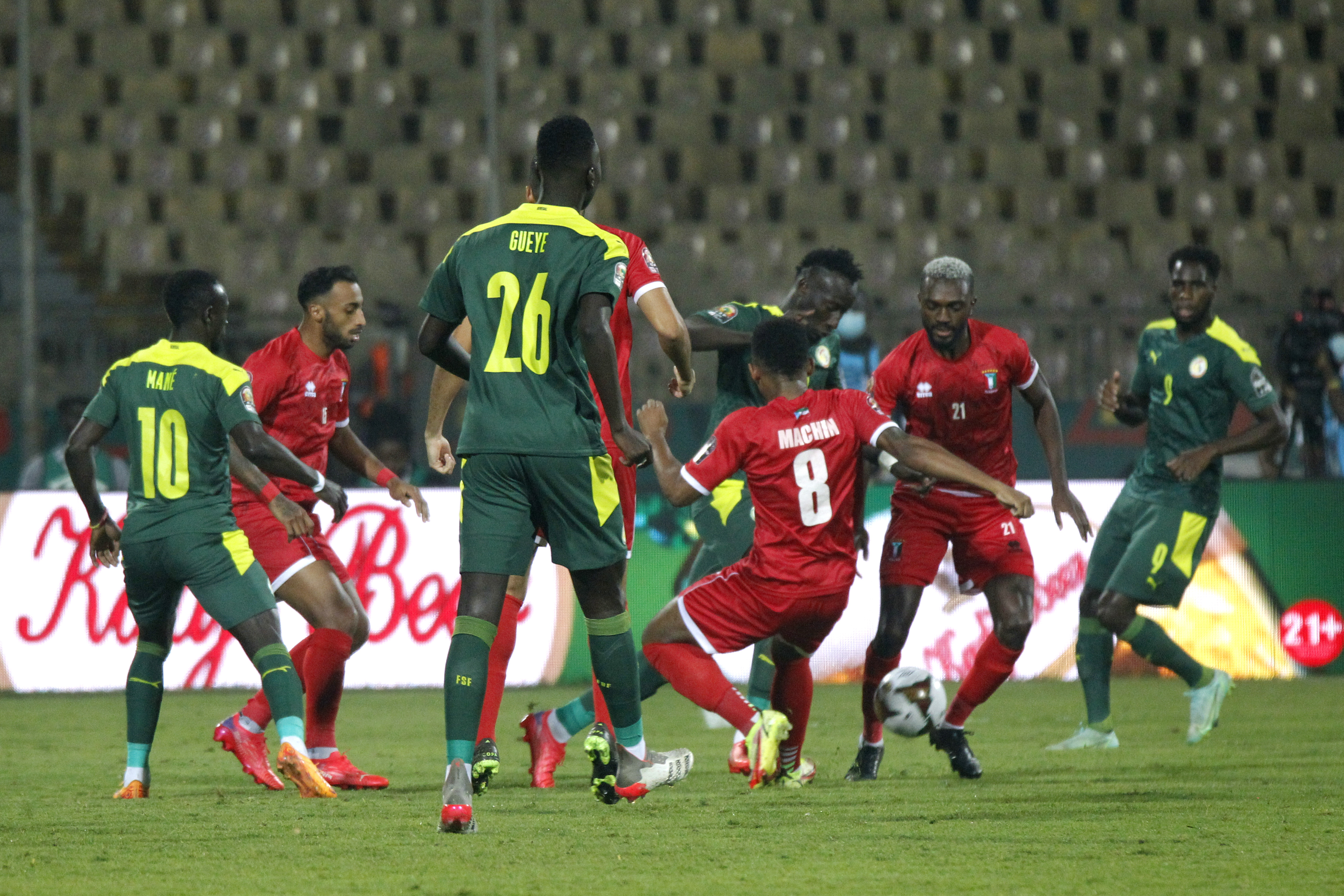
Senegal players in green, including Sadio Mane on the left and Pape Gueye in the centre, contesting the ball with Equatorial Guinea players in red at the Africa Cup of Nations

Photo: Happiraphael, CC BY-SA 4.0, via Wikimedia Commons — Senegal in action against Equatorial Guinea at the Africa Cup of Nations, 30 January 2022. The photo is from an earlier tournament, not the January final.

TL;DR — the direct answer: Senegal are Africa Cup of Nations champions again. The Court of Arbitration for Sport, sport's highest court, ruled on Tuesday, 24 November, that Senegal's appeal against being stripped of the 2025 title should succeed, and reinstated the result of the final: a 1-0 win over Morocco after extra time in Rabat on 18 January. The ruling ends a legal fight that has lasted more than ten months and overturns one of the most controversial decisions in African football history. The final itself was chaotic. With the game goalless late in normal time, the referee awarded Morocco a penalty after a video review, and Senegal's players walked off the pitch in protest, staying away for 14 minutes. They eventually returned, Morocco missed the penalty, and Pape Gueye scored the winner in extra time. Senegal lifted the trophy that night. Two months later, in March, the Confederation of African Football's Appeal Board ruled that Senegal had forfeited the match by walking off, overturned the result, and awarded Morocco a 3-0 win and the title. Senegal appealed to CAS on 25 March, the case was heard on 8 October, and the three-person panel ruled unanimously in Senegal's favour. The panel found that the referee had not committed any error of law, that his decision to resume the match was covered by the field of play doctrine — the principle that a referee's decisions during a game are final — and that the tournament rules Morocco relied on apply only when a referee calls a match off permanently, which did not happen here. Senegal are now confirmed as African champions for the second time, after their first title in 2022.

What happened: The Court of Arbitration for Sport announced its ruling on Tuesday, 24 November, from its base in Lausanne, Switzerland. In a short statement, the court said it had upheld the appeal by the Senegalese Football Federation against the Confederation of African Football and the Royal Moroccan Football Federation over the final of the Africa Cup of Nations Morocco 2025. The decision by the CAF Appeal Board was set aside, the decision by the CAF Disciplinary Board was reinstated, and the result obtained at the end of the final was confirmed — Senegal 1-0 Morocco after extra time. The panel was chaired by the French sports law expert Gerald Simon, with the Italian international law professor Luigi Fumagalli and Ulrich Haas, a Hamburg-based lawyer and professor of law at the University of Zurich, and the ruling was unanimous. The court's secretary general, Matthieu Reeb, said the panel found that the referee did not commit any error of law. The full grounds of the decision were issued to the parties on Tuesday, and the award will be published in due course unless confidentiality is requested. The ruling is the end of a case that began on the night of 18 January, when the final in Rabat descended into chaos. With the game still goalless late in the second half, the Congolese referee Jean-Jacques Ndala awarded Morocco a penalty after a video review of a challenge on the Morocco forward Brahim Diaz by El Hadji Malick Diouf. Senegal's players, led by their coach Pape Thiaw, left the pitch in protest, several of them returning to the dressing room, and stayed away for 14 minutes. They eventually came back, Diaz missed the penalty, the game went to extra time, and Pape Gueye scored the only goal. Senegal lifted the trophy — and then, two months later, lost it in a meeting room.

Why it's trending: This is a story about a trophy that changed hands twice without a ball being kicked, and it has gripped African football for ten months. The first reason it trends is the sheer strangeness of it: Senegal won the final on the pitch, celebrated with the trophy, and then had the title taken away by an appeals board and handed to the team they had beaten. No major international tournament had ever been decided that way, and the decision in March was described by the Senegalese federation as sensational and unjust. The second reason is what happened in the final itself, which was one of the most controversial matches in the tournament's history. A walk-off in a major final, a 14-minute stoppage, a missed penalty, an extra-time winner — the night had everything, and the images of Senegal's players leaving the field travelled around the world. The third reason is what the ruling means for the game. The court's decision reasserts one of football's oldest principles: that the referee's decision is final. The panel held that the referee's choice to wait for Senegal to return and then resume the match fell within his sole authority, and that the effects of that decision were limited to the pitch. That is the field of play doctrine, and the ruling is now likely to be cited whenever a team tries to overturn a result in a courtroom rather than on the field. And there is a human thread too: for Senegal's players, including Sadio Mane, who spoke of his joy at the ruling, it restores a title they believed they had already won in January, while for Morocco, the hosts who thought they had been crowned champions in March, it takes the trophy away a second time.

Background / context: The Africa Cup of Nations is the biggest football tournament on the continent, and the 2025 edition was staged in Morocco, with the final at the Prince Moulay Abdellah Stadium in Rabat on 18 January 2026. Senegal arrived as one of the favourites, having won their first title in 2022, and Morocco arrived as hosts with a squad full of stars and a nation behind them. The final was goalless deep into the second half when the incident that changed everything happened. Brahim Diaz, Morocco's forward, went down under a challenge from El Hadji Malick Diouf, and after a video review the referee pointed to the spot. Senegal's players were furious. Led by coach Pape Thiaw, they walked off the pitch, and several went back to the dressing room. The match stopped for 14 minutes. When the players returned, Diaz took the penalty and missed it, the game went to extra time goalless, and Gueye scored the winner. Senegal celebrated as champions. The legal fight began almost immediately. Morocco's initial appeal against the outcome was rejected, but the Confederation of African Football's Appeal Board then overturned the result, ruling that Senegal had forfeited the match by walking off and awarding Morocco a 3-0 win. The board based its decision on Articles 82 and 84 of the tournament regulations. Senegal lodged an appeal with the Court of Arbitration for Sport on 25 March, and the case was heard on 8 October. Meanwhile, the Senegalese federation, coach Thiaw and players Iliman Ndiaye and Ismailia Sarr had already been sanctioned by CAF in separate disciplinary proceedings over the walk-off — punishments the CAS ruling does not undo.

What we know / what's unconfirmed: Confirmed: the Court of Arbitration for Sport upheld Senegal's appeal on Tuesday, 24 November, set aside the CAF Appeal Board's decision, reinstated the CAF Disciplinary Board's decision, and confirmed the final result as Senegal 1-0 Morocco after extra time; the final was played on 18 January in Rabat; Senegal walked off the pitch for 14 minutes after a penalty was awarded to Morocco late in regulation time, following a video review of a challenge on Brahim Diaz by El Hadji Malick Diouf, with Jean-Jacques Ndala of the Democratic Republic of Congo as referee; Morocco missed the penalty and Pape Gueye scored the winner in extra time; in March, CAF's Appeal Board ruled that Senegal had forfeited the match and awarded Morocco a 3-0 win and the title; Senegal lodged its CAS appeal on 25 March and the case was heard on 8 October; the panel was chaired by Gerald Simon, with Luigi Fumagalli and Ulrich Haas, and the ruling was unanimous; the panel found that the referee did not commit any error of law, that his decision to resume play fell within his sole authority under the field of play doctrine, and that Articles 82 and 84 of the tournament regulations apply only when a referee calls off a match permanently, so they did not apply here; and the Senegalese federation, coach Pape Thiaw, Iliman Ndiaye and Ismailia Sarr had already been sanctioned by CAF in separate disciplinary proceedings. One point needs flagging: some reports, including Mathrubhumi, describe the CAS panel as finding procedural irregularities in CAF's ruling, but the court's own statement and the Reuters account rest the decision on the referee's authority and the scope of Articles 82 and 84, and this article follows those accounts. Unconfirmed: whether Morocco will take the case further — the Daily Star reported that Morocco intends to contest the ruling, but no formal step has been announced — and when, or whether, the trophy itself will be handed back to Senegal in a ceremony.

What happens next: For Senegal, the ruling means the record books are corrected: they are the 2025 Africa Cup of Nations champions, for the second time after 2022, and the ten months in which Morocco held the title are now a footnote. The practical questions are smaller than the symbolic ones. The trophy, the medals and the prize money will need to be sorted out between the federations and CAF, and there may be a ceremony of some kind, although nothing has been announced. Morocco's federation is expected to contest the ruling, according to the Daily Star, but the Court of Arbitration for Sport is the final court of appeal in sport, and there is no higher body to turn to within football — any further challenge would have to go to the Swiss Federal Tribunal, which only hears cases on narrow procedural grounds and very rarely overturns CAS awards. The wider effect may be the most lasting part of the ruling. By holding that a referee's decision to resume a match after a walk-off is a field of play decision, and that the forfeiture rules apply only when a referee abandons a match for good, the panel has drawn a clear line: teams cannot win in a hearing room what they lost — or failed to win — on the pitch. And the calendar moves on quickly. The next Africa Cup of Nations takes place this summer in Kenya, Uganda and Tanzania, so Senegal will have only a few months to enjoy being champions before they have to defend the title.

Frequently asked questions

Q: What did the Court of Arbitration for Sport decide?
A: On Tuesday, 24 November, CAS upheld Senegal's appeal, set aside the CAF Appeal Board's decision, reinstated the CAF Disciplinary Board's decision, and confirmed the result of the final: Senegal 1-0 Morocco after extra time. The panel ruled unanimously that the referee had not committed any error of law and that his decision to resume the match was covered by the field of play doctrine.

Q: Why was Senegal stripped of the title in the first place?
A: In March, two months after the final, CAF's Appeal Board ruled that Senegal had forfeited the match by walking off the pitch in protest at a late penalty awarded to Morocco. The board overturned the 1-0 result and awarded Morocco a 3-0 win and the title, relying on Articles 82 and 84 of the tournament regulations.

Q: What happened in the final?
A: The final in Rabat on 18 January was goalless late in normal time when the referee awarded Morocco a penalty after a video review of a challenge on Brahim Diaz. Senegal's players, led by coach Pape Thiaw, walked off the pitch in protest and stayed away for 14 minutes. They returned, Morocco missed the penalty, and Pape Gueye scored the winner in extra time.

Q: Why did CAS side with Senegal?
A: The panel found that the referee, Jean-Jacques Ndala, did not commit any error of law when he waited for Senegal to return and resumed the match, and that this was a decision within his sole authority — the field of play doctrine, which holds that a referee's decisions during a game are final. It also found that Articles 82 and 84 apply only when a referee calls off a match permanently, which did not happen here, so they did not apply.

Q: What happens to Morocco now?
A: Morocco loses the title it was awarded in March. The Daily Star reported that Morocco intends to contest the ruling, but CAS is sport's highest court and there is no higher football body to appeal to. Senegal are confirmed as African champions for the second time, after their first title in 2022, and the next Africa Cup of Nations takes place this summer in Kenya, Uganda and Tanzania.

Sources: Reuters — Senegal reinstated as 2025 Africa Cup of Nations winners, Reuters — CAS ruling in favour of Senegal reasserts that referee's decision is final, Al Jazeera — Senegal reinstated as 2025 Africa Cup of Nations winners over Morocco, NBC Sports — Senegal named Africa Cup of Nations 2025 Champions, again, after CAS ruling, and Daily Star — Senegal regain AFCON title after appeal to sports court.

← Back home