
LIVE
Anthropic Prices IPO at $70 to $78 a Share — $1.4 Trillion Valuation  •  Wall Street Falls on Hot October Inflation Data  •  US Charges Three Iran-Backed Operatives Over RAF Fairford Plot
Tech

Norway Hits Pause on New Data Centres — Its Power Grid Can't Keep Up With the AI Boom

Trending Now • 11 November 2026 • 4 min read

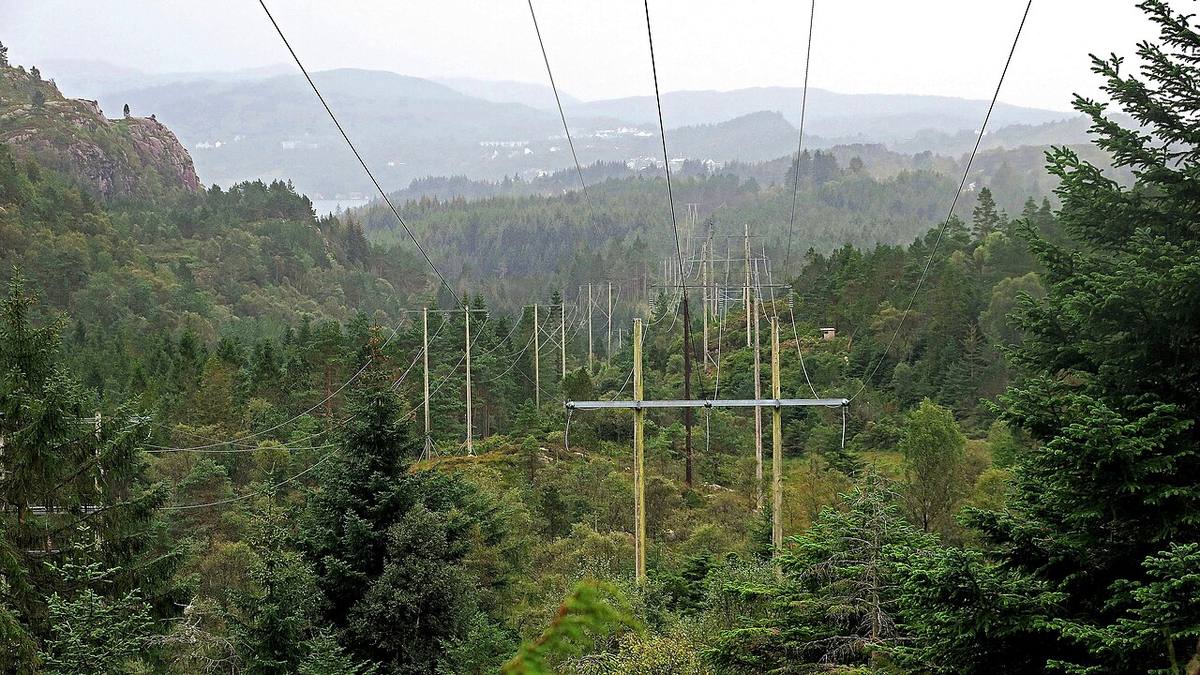
High-voltage power lines on Sotra, Norway

Photo: Odd Roar Aalborg, CC BY-SA 4.0, via Wikimedia Commons — high-voltage lines on Sotra, Vestland, Norway.

TL;DR — the direct answer: Norway has hit pause on new data centres. Its grid operator, Statnett, stopped accepting new grid capacity reservations on 9 November, saying the power system needs new rules before it can absorb the AI boom's enormous appetite for electricity.

What happened: Statnett, Norway's transmission system operator, announced on Monday, 9 November, that it has temporarily stopped accepting new grid capacity reservations from data centres, and paused work on some of the technical approvals projects need before they can connect. The pause also covers pending applications for facilities that would connect directly to the 420-kilovolt grid. Statnett expects to lift the pause by 1 August 2027 at the latest, once it has set functional requirements for data centres and the Norwegian Energy Regulatory Authority has approved them. The same day, the government announced plans for a licensing scheme that will decide which data centres the country wants — expected to be ready in autumn 2027, and applying to existing data centres as well as new ones.

Why it's trending: The numbers behind the pause show a grid being swamped by demand. Statnett reports that 800 megawatts of data-centre load is already connected, 4,200 megawatts has been reserved, 9,100 megawatts is in the connection queue, and there are inquiries for another 18,000 megawatts — a total that approaches Norway's entire peak demand of about 25,000 megawatts. Energy Minister Terje Aasland argued that Norway cannot build enough generation and grid infrastructure to meet every proposed data centre's demand. The licensing scheme makes the choice explicit: it will favour facilities that provide essential services — including defence, emergency preparedness, healthcare, telecommunications and financial systems — and cryptocurrency mining will not qualify. Digitalisation Minister Torgeir Micaelsen said the scheme should be ready in autumn 2027, with transition terms for existing sites to be worked out with industry.

Background / context: Norway has long been a favourite location for data centres, thanks to cheap hydropower, a cool climate and political stability. But data centres are unusual customers: their demand is enormous, it can ramp up and down very quickly, and it behaves differently on the grid from a factory or a town. Statnett says it needs new rules covering fault response, demand ramping and grid stability before it can safely connect more of them, and it wants those rules aligned with Nordic and European standards. The pause is narrower than a general ban: existing connections are unaffected, facilities that have already had their functional requirements approved can still connect, and Statnett will keep processing some applications for smaller facilities planned before August 2027. Capacity freed by the pause will not be given to other customers ahead of data centres already in line.

What we know / what's unconfirmed: Confirmed: the pause, its scope, the 1 August 2027 date, the capacity figures, and the licensing plan including the crypto-mining exclusion. Unconfirmed: the final shape of the licensing scheme, which has not yet been adopted, and how much of the 4,200 megawatts already reserved actually holds approved functional requirements — Statnett has not said. Also unconfirmed: whether the pause will end on schedule, or whether the licensing regime will slow the AI build-out in Norway for longer.

What happens next: Statnett will put its new functional requirements out for consultation and seek approval from the energy regulator. The government's licensing details are expected in autumn 2027. Until then, the queue for Norwegian grid capacity is frozen — and the AI industry's hunger for power is not.

Frequently asked questions

Q: What did Norway pause?
A: New grid capacity reservations and some technical approvals for data centres, announced by grid operator Statnett on 9 November 2026.

Q: How long will the pause last?
A: Until 1 August 2027 at the latest, while Statnett sets new technical requirements for data-centre connections.

Q: Why is Norway doing this?
A: Demand is overwhelming the grid: 800 MW is connected, 4,200 MW reserved, 9,100 MW in the queue and 18,000 MW more in inquiries — close to Norway's entire peak demand.

Q: Does the pause affect existing data centres?
A: No. Existing connections are unaffected, and facilities that already have their functional requirements approved can still connect.

Q: What about crypto mining?
A: The government's planned licensing scheme explicitly excludes cryptocurrency mining from the facilities it will favour. Priority goes to defence, healthcare, telecoms, emergency preparedness and financial systems.

Sources: Environment Energy Leader — Norway halts new grid reservations for server facilities, The Circuitry — Statnett pauses new data-center grid reservations until 2027, and Nordisk Post — Norway pauses new grid reservations for data centres.

← Back home