
Entertainment
Johnny Depp's Ebenezer Tops Box Office With $19 Million in Comeback Weekend
Johnny Depp's Ebenezer opened at No. 1 with $19 million in North America, his first chart-topping debut in eight years, for a $42 million global start.
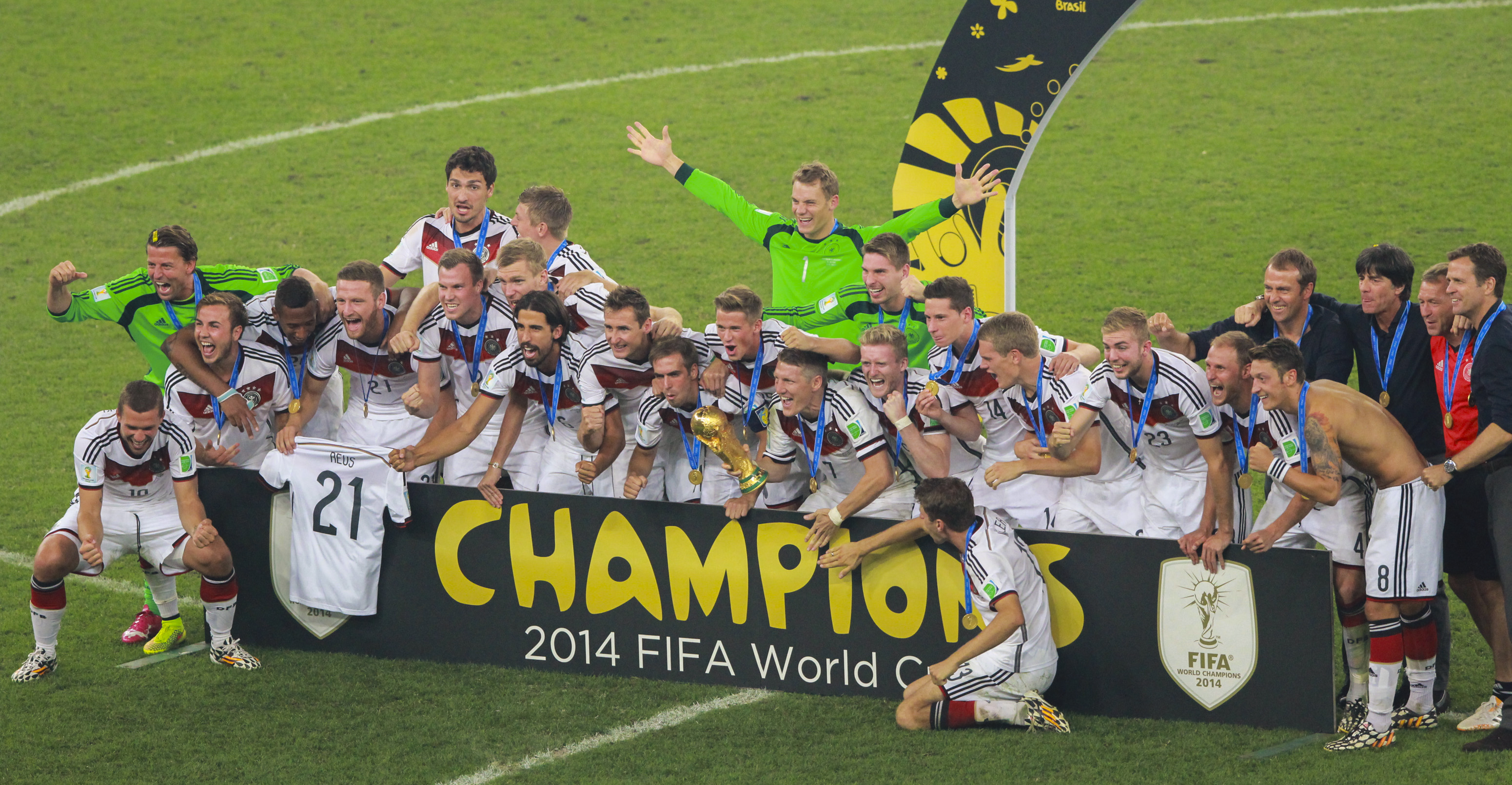
TL;DR — the direct answer: Netflix is the frontrunner to show the 2030 FIFA World Cup to American viewers. The Guardian's Matt Hughes reported on Monday, 23 November, that Netflix submitted the largest bid among the media companies competing for the United States broadcast rights to the tournament, ahead of Amazon's Prime Video and a joint bid from Fox and Univision. Initial offers were due last week, and FIFA has now opened a second round of bidding in an attempt to drive up the price and start a bidding war, with a decision expected in December. FIFA is seeking between 1.5 billion and 2 billion dollars for the package — a huge increase on what it received for the last tournament. For the 2026 World Cup, Fox paid 485 million dollars for the English-language rights and Telemundo paid 600 million dollars for the Spanish-language rights, a combined 1.1 billion dollars that was widely seen as below the market rate. This time, for the first time, FIFA has bundled the English and Spanish-language rights together into a single package, which is why Fox and Univision joined forces. Netflix wants both languages for itself. Several companies that had been expected to bid, including Disney and Google-owned YouTube, sat out the process. Netflix already owns the US rights to the Women's World Cups in 2027 and 2031, and it has already won the rights to the 2030 men's tournament in Spain, one of the three host nations. The deal would be the biggest step yet in Netflix's move into live sport, and the most expensive sports rights deal the company has ever pursued outside American football.
What happened: The first round of bidding for the United States media rights to the 2030 men's World Cup closed last Thursday, and the result, reported by The Guardian on Monday, surprised no one who has watched Netflix's ambitions in live sport — but it still changed the race. Netflix submitted the largest bid before the deadline, and sources with knowledge of the process told the Guardian that the streaming company is now regarded as the frontrunner. Only three bids were submitted by the deadline: Netflix, Amazon's Prime Video, and a joint bid from Fox Sports and the Spanish-language broadcaster Univision. Disney and YouTube, both of which had been expected to take part, stayed out. FIFA's response was to open a second round, inviting fresh bids in an attempt to drive up the price and create what the Guardian called a bidding war between Netflix and Fox-Univision. The governing body is seeking between 1.5 billion and 2 billion dollars for the combined English and Spanish-language rights, a figure that would be a record for a World Cup in the United States. The tournament itself will be played in Spain, Morocco and Portugal in 2030, and the decision on who shows it in America is expected in December. The key detail is the bundling. For the first time, FIFA has chosen to sell the English and Spanish-language rights together as one package, rather than separately. That forced Fox, which held the English-language rights for 2026, and Univision, which is chasing the Spanish-language audience, to bid together — and it is what makes Netflix's position so strong, because the streamer wants both languages for itself and has the money to pay for them.
Why it's trending: The World Cup is the biggest sporting event on the planet, and the question of who shows it in the United States has become a proxy war for the future of television. For decades, the tournament belonged to broadcast networks — Fox has shown the men's World Cups in America since 2018, and before that it was ESPN and ABC. A win for Netflix would move the crown jewel of world football behind a streaming paywall for the first time, and that is why the story has travelled far beyond the sports business pages. It is also trending because of the money. FIFA is asking for between 1.5 and 2 billion dollars, roughly double the combined 1.1 billion dollars it received for 2026 from Fox and Telemundo, and the size of the jump says something about how FIFA values its product now that the tournament has expanded to 48 teams and 104 matches. The story also matters for Netflix itself. The company has spent the last two years moving into live events — Christmas Day NFL games, big boxing cards, and the Women's World Cups in 2027 and 2031, for which it already holds the US rights — but the men's World Cup would be on a different scale entirely: a month of matches, watched by hundreds of millions of people, and a subscription driver like nothing else in sport. Fox, meanwhile, has told investors it will take a disciplined approach to the bidding, which is corporate language for saying it will not pay any price to keep the tournament. The second round will test whether that discipline holds when the prize is at stake.
Background / context: The American market for World Cup rights has been underpriced for years, and FIFA knows it. For the 2026 tournament — the first World Cup in the United States since 1994, and the first with 48 teams — Fox paid 485 million dollars for the English-language rights and Telemundo paid 600 million dollars for the Spanish-language rights. The combined 1.1 billion dollars was widely understood to be below the market rate, partly because the deals were struck long before the tournament's value became clear, and partly because the rights were sold separately, splitting the bidding. This time FIFA has changed the structure. By bundling English and Spanish rights together for the first time, it has created a single, much larger prize, and it has set its asking price accordingly: between 1.5 and 2 billion dollars. The bundling also changed who could bid. Fox, which has shown the men's tournament since 2018 and would normally bid for the English rights alone, had to join forces with Univision to cover the Spanish-language half. Telemundo, which held the Spanish rights in 2026, is not in the race this time. Netflix, by contrast, is built for a bundled deal: it already operates in both languages in the US, it already holds the American rights to the 2027 and 2031 Women's World Cups, and it has already won the rights to the 2030 men's tournament in Spain, one of the three host nations. The company has also shown it will spend heavily on live sport when it sees a strategic prize, and the World Cup is the biggest strategic prize in the game.
What we know / what's unconfirmed: Confirmed: Netflix submitted the largest bid before last week's deadline for the United States broadcast rights to the 2030 World Cup, according to sources cited by The Guardian's Matt Hughes, and is regarded as the frontrunner; the only other bids submitted by the deadline were from Amazon's Prime Video and a joint bid from Fox and Univision; Disney and Google-owned YouTube sat out the process; FIFA has invited second bids in an attempt to drive up the price, with a decision expected in December; FIFA is seeking between 1.5 billion and 2 billion dollars for the combined English and Spanish-language rights, which are being sold together for the first time; Netflix wants both English and Spanish broadcasts for itself; for the 2026 World Cup, Fox paid 485 million dollars for the English-language rights and Telemundo paid 600 million dollars for the Spanish-language rights, a combined 1.1 billion dollars; the 2030 tournament will be played in Spain, Morocco and Portugal; Netflix already holds the US rights to the 2027 and 2031 Women's World Cups and has already won the 2030 rights in Spain; and Fox has told investors it will adopt a disciplined approach to the bidding. One point needs flagging. The Guardian and Sports Media Watch list Amazon as one of the three first-round bidders, while USA Today's For The Win and BritBrief say FIFA has narrowed the race to two final bids — Netflix and Fox/Univision — and that Amazon withdrew after the opening round. This article says Amazon bid in the first round and appears to have dropped out, and flags the difference. Unconfirmed: how much any of the bidders actually offered — no figures have been reported — whether Fox and Univision can outbid Netflix in the second round, and whether Netflix would show every match on its main service or put some games on a separate tier.
What happens next: The second round of bidding is now under way, and the decision is expected in December, so the wait will not be long. The key question is whether Fox and Univision can find the money to beat Netflix. Their joint bid exists because neither could cover the bundled package alone, and Fox has already told investors it will be disciplined — a signal that it has a ceiling. If that ceiling is below what Netflix is willing to pay, the tournament will move to streaming, and American viewers will need a Netflix subscription to watch the biggest matches of 2030. If Fox and Univision do outbid Netflix, the tournament stays on free-to-air television in the United States, which is the argument the two broadcasters have been making to FIFA. Either way, the price FIFA gets will set the benchmark for every World Cup that follows, and the other bidders will be watching closely: a 2 billion dollar deal would confirm that the World Cup is now a streaming-era property, priced accordingly. For Netflix, the stakes go beyond one tournament. Winning the men's World Cup would complete a set that already includes the 2027 and 2031 Women's World Cups and the 2030 rights in Spain, and it would give the company a month of appointment viewing in the summer of 2030 — the kind of event that brings in subscribers who stay. For viewers, the practical question is simpler: how much will it cost to watch, and on what service. That answer comes in December.
Q: Who is leading the bidding for the 2030 World Cup US rights?
A: Netflix. The Guardian reported that Netflix submitted the largest bid before last week's deadline and is now regarded as the frontrunner, ahead of Amazon's Prime Video and a joint bid from Fox and Univision. FIFA has opened a second round of bidding in an attempt to drive up the price, with a decision expected in December.
Q: How much is FIFA asking for?
A: Between 1.5 billion and 2 billion dollars for the combined English and Spanish-language rights. That is roughly double the combined 1.1 billion dollars FIFA received for the 2026 tournament, when Fox paid 485 million dollars for the English-language rights and Telemundo paid 600 million dollars for the Spanish-language rights.
Q: Why are the English and Spanish rights being sold together?
A: For the first time, FIFA has chosen to bundle the two languages into a single package. That forced Fox and Univision to submit a joint bid, since neither could cover the whole package alone, and it suits Netflix, which wants both languages for itself and already operates in both in the United States.
Q: Who else bid, and who stayed out?
A: Three bids were submitted by the deadline: Netflix, Amazon's Prime Video, and the joint Fox-Univision bid. Disney and Google-owned YouTube, both of which had been expected to take part, sat out the process. Reports differ on whether Amazon is still in the race: some say FIFA has narrowed it to two final bids, Netflix and Fox/Univision, with Amazon having withdrawn after the opening round.
Q: What World Cup rights does Netflix already hold?
A: Netflix already owns the United States rights to the Women's World Cups in 2027 and 2031, and it has already won the rights to the 2030 men's tournament in Spain, one of the three host nations alongside Morocco and Portugal. Winning the US rights to the 2030 men's tournament would be its biggest step yet into live sport.
Sources: Awful Announcing — Netflix submits highest opening offer for 2030 FIFA World Cup as bidding enters second round, Sports Media Watch — Netflix reportedly top World Cup bidder as FIFA solicits second round, Barrett Media — Netflix reportedly leading bidding for FIFA World Cup media rights, For The Win, USA Today — FIFA has reportedly narrowed down the US media rights for 2030 World Cup to 2 final bids, and Sports Business Journal — FIFA advances 2030 US World Cup media rights bidding, Netflix in driver's seat.
Johnny Depp's Ebenezer opened at No. 1 with $19 million in North America, his first chart-topping debut in eight years, for a $42 million global start.

Grand Theft Auto 6 leads The Game Awards 2026 with eight nominations, including Game of the Year, days after its 19 November launch.
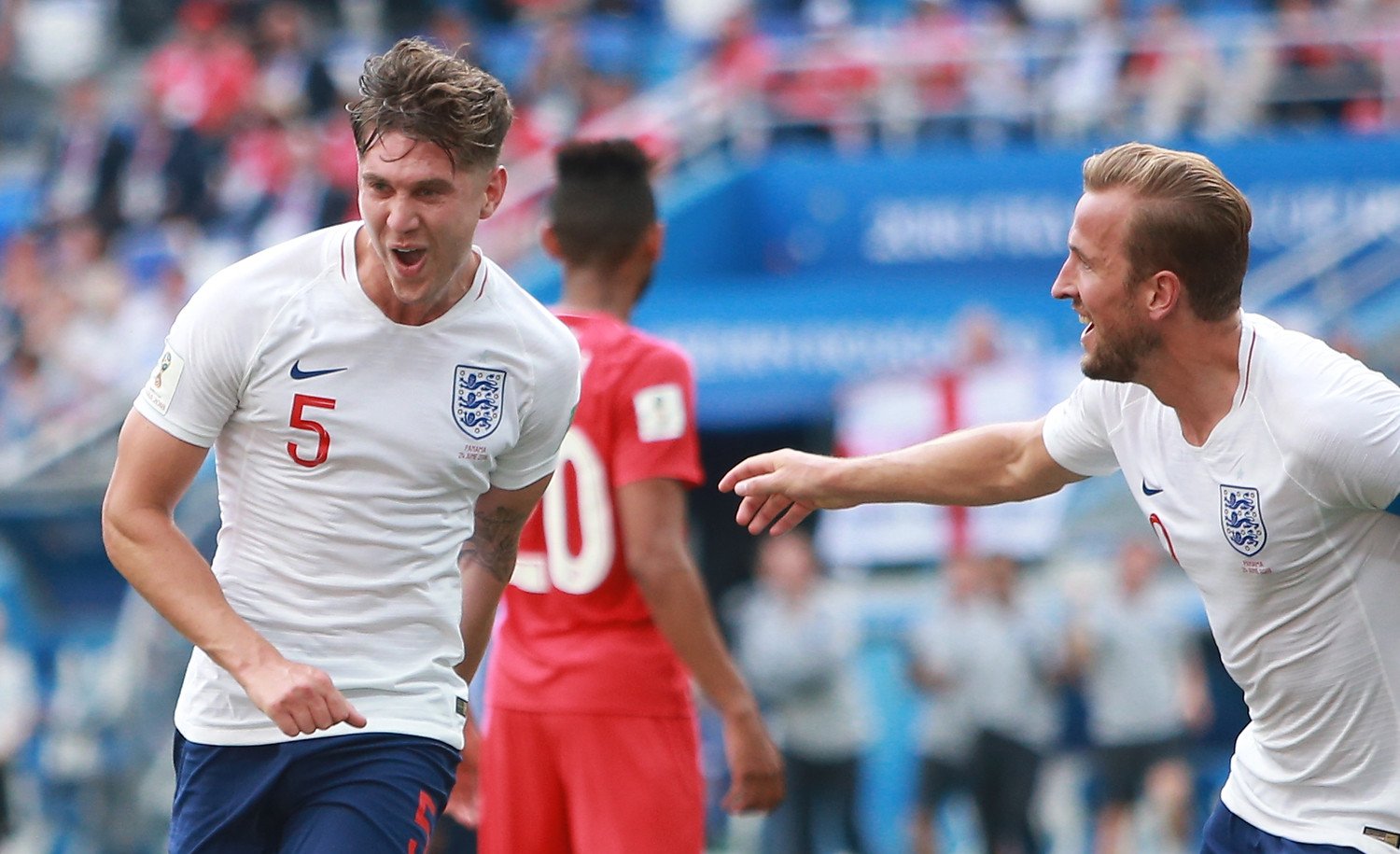
Harry Kane became England's most-capped men's player with his 126th cap and scored the winner as England beat Croatia 2-1 in the Nations League.