World
Israel Stuck in Election Deadlock as Bennett Backs Eisenkot — and No Bloc Reaches 61 Seats
Israel's 27 October election left no bloc with a Knesset majority: Netanyahu's bloc won 53 seats, the opposition 48, and Arab-led parties a record 19.
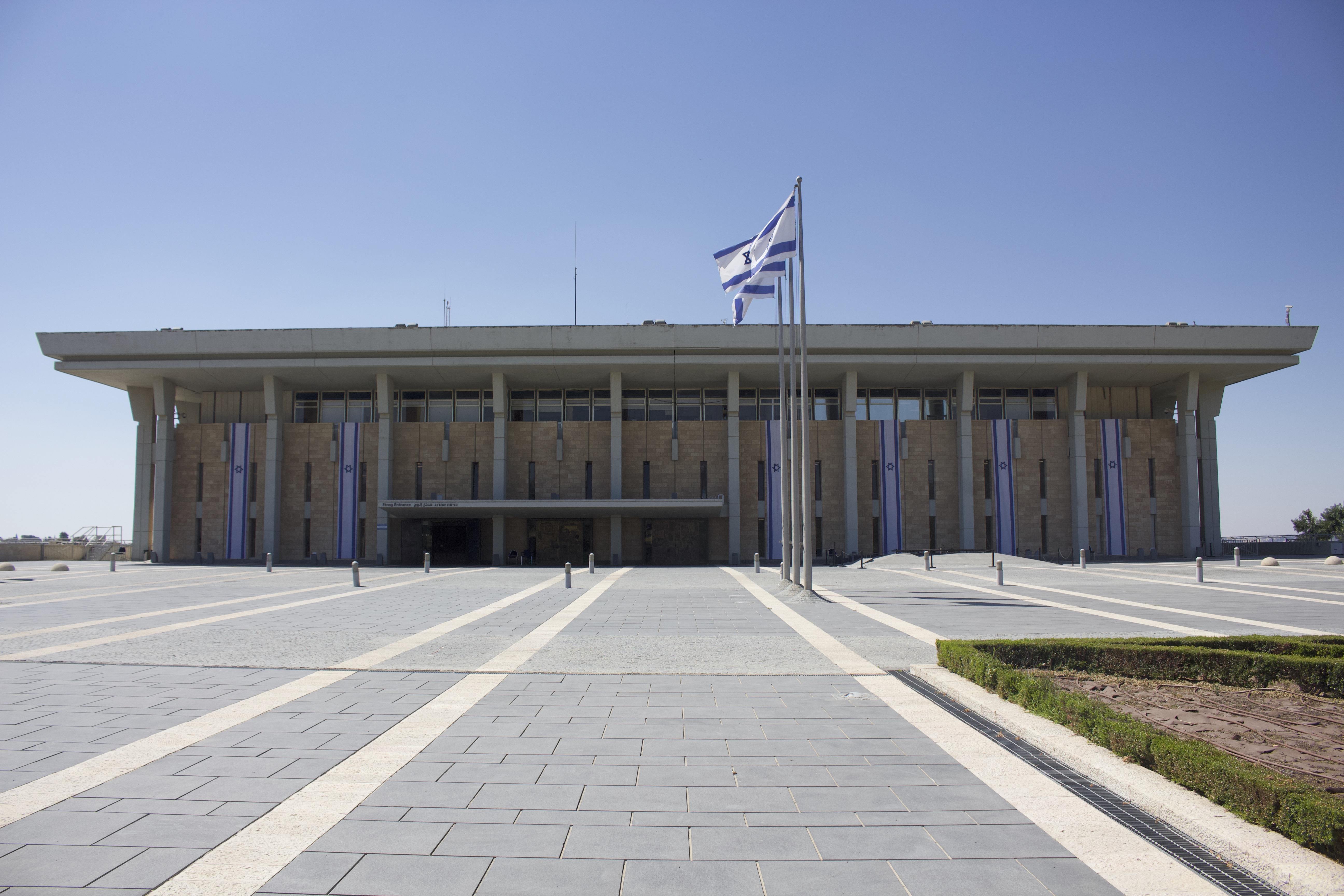
TL;DR — the direct answer: Talks between the parties of caretaker Prime Minister Benjamin Netanyahu and opposition leader Gadi Eisenkot to form a unity government ended without a deal on Sunday, 22 November. Delegations from Netanyahu's Likud and Eisenkot's Yashar party met for four hours at a hotel in Herzliya, near Tel Aviv, in a second round of discussions following a first meeting the previous Sunday. In a joint statement, the two parties said they had outlined their positions on a range of substantive issues and discussed them in detail, and that a follow-up meeting would be held, without giving a date or any further details. The two sides remain split on who would lead the next government and whether far-right National Security Minister Itamar Ben-Gvir would be part of it, according to Israel's Channel 12 broadcaster. Eisenkot, a former army chief of staff, has until 6 December to form a government, with the possibility of a 14-day extension, after October elections gave his bloc 48 seats, 13 short of a majority in the 120-seat Knesset.
What happened: The meeting ran for four hours on Sunday at a hotel in Herzliya, near Tel Aviv, and was the second round of talks between the two camps after an initial round the previous Sunday. It ended the way the first one did: with a joint statement and no agreement. The two parties said they had outlined their positions on a range of substantive issues and discussed them in detail, and that a follow-up meeting would be held, but they gave no date and no further details. What divided them was reported rather than stated by either side. Channel 12 reported that the delegations remained split on who would lead the next government and whether Ben-Gvir would be part of it. The Yedioth Ahronoth newspaper reported that Likud wanted Ben-Gvir in government, while Yashar insisted on his exclusion. The disagreement over the premiership is the deeper one. Channel 12 reported that former Prime Minister Naftali Bennett, who leads the Together list, had proposed a coalition of Together, Yashar, Likud and Avigdor Lieberman's Yisrael Beiteinu, with Eisenkot serving first and Netanyahu succeeding him. But Eisenkot has opposed a rotation, and Netanyahu has reportedly insisted on taking the premiership first, while Lieberman has ruled out joining any government that includes Netanyahu at all.
Why it's trending: The clock is now the story. Eisenkot has until 6 December to form a government, with a possible 14-day extension, and the October elections failed to give either camp an absolute majority. His bloc holds 48 seats and needs 61 to govern, and it is divided over how to get there: whether to build a coalition through an alliance with ultra-Orthodox parties, a rapprochement with Arab parties, or a national unity government with Likud. Netanyahu has called for a unity government, saying it was the only way Israel's security could be guaranteed, and such an arrangement would let a government be formed without the inclusion of parties led by Palestinian citizens of Israel, which won a record 19 seats. Arab News reported that Netanyahu also seeks a unity government that could provide him with political protection amid his legal challenges. The failure of the second round matters because it leaves the most obvious route to a government — a deal between the two largest camps — still blocked, with less than two weeks left on Eisenkot's mandate. Every day without a deal pushes Israel closer to a minority government, a further extension, or another election.
Background / context: The October elections produced a Knesset in which no camp commands a majority, and the deadlock has now lasted for weeks. Eisenkot, a former chief of staff of the Israel Defense Forces, leads the Yashar party and heads a bloc of 48 seats, 13 short of the 61 needed for a majority. Netanyahu, the caretaker prime minister, leads Likud, and his camp also fell short. The two men have been circling each other since the vote: a first round of talks last Sunday, a second round this Sunday, and a joint statement each time that says the positions were outlined and a follow-up will be held. The shape of a deal is clear enough in outline — a unity government, possibly with a rotation of the premiership — but the two obstacles have not moved. The first is the order of any rotation: Eisenkot has opposed rotating at all, and Netanyahu has reportedly insisted on going first. The second is Ben-Gvir, the far-right National Security Minister, whose inclusion Likud wants and Yashar refuses. Bennett's proposal, reported by Channel 12, tried to square the rotation by putting Eisenkot first, but it still needs Lieberman, who has ruled out sitting with Netanyahu, and it needs Eisenkot to accept a rotation he has opposed.
What we know / what's unconfirmed: Confirmed: delegations from Likud and Yashar met for four hours on Sunday, 22 November, at a hotel in Herzliya, following a first round last Sunday; the two parties said in a joint statement that they outlined their positions on a range of substantive issues and discussed them in detail, and that a follow-up meeting would be held, with no date given; Eisenkot has until 6 December to form a government, with a possible 14-day extension; the October elections gave his bloc 48 seats, 13 short of a majority in the 120-seat Knesset; parties led by Palestinian citizens of Israel won a record 19 seats; and Yashar plans, if unity talks fail, to seek a confidence vote in the Knesset for a minority government relying on outside support from the Arab Joint List, led by Yousef Jabareen, and the United Arab List, led by Mansour Abbas. Two points need flagging. First, the details of what divided the two sides — the leadership question and Ben-Gvir's role — come from Channel 12 and Yedioth Ahronoth, not from the parties' joint statement, which gave no specifics. Second, Bennett's coalition proposal and Lieberman's refusal to join any government with Netanyahu are also reported, not confirmed by the parties themselves. Unconfirmed: whether a follow-up meeting will actually happen and when; whether Eisenkot will accept a rotation; and whether the minority-government fallback can win a confidence vote.
What happens next: The next step is the follow-up meeting the joint statement promised, but no date was given, so the first test is whether one is scheduled at all. Eisenkot's mandate runs until 6 December, with a possible 14-day extension that would carry it to about 20 December, and if the unity talks stay stuck, Yashar's fallback is to seek a confidence vote for a minority government before the mandate expires, relying on outside support from the Joint List and the United Arab List rather than bringing them into the coalition. The arithmetic shows why that fallback is fragile: Eisenkot's bloc holds 48 seats and needs 61 to win a confidence vote, and the Arab-led parties hold 19 between them, so even with their outside support the numbers only work if his own bloc holds together and nobody in it balks at relying on Arab votes. Some in the bloc have already argued for a coalition with ultra-Orthodox parties instead, and others for a rapprochement with Arab parties, so the bloc itself is divided over which route to take. The alternative, if no government can be formed within the deadline and any extension, is a return to the president to hand the mandate to someone else, or another election — an outcome neither camp wants but which remains on the table while the two largest parties cannot agree on who leads and who sits at the table. Netanyahu, for his part, continues to argue that only a unity government can guarantee Israel's security, and the coming days will show whether that argument, or the arithmetic of 48 seats against 61, forces a compromise.
Q: What happened at the Netanyahu-Eisenkot talks?
A: Delegations from Netanyahu's Likud and Eisenkot's Yashar party met for four hours on Sunday, 22 November, at a hotel in Herzliya, near Tel Aviv, in a second round of coalition talks. They ended without an agreement, saying in a joint statement that they had outlined their positions and that a follow-up meeting would be held, without giving a date.
Q: What are the two sides split over?
A: According to Channel 12, they remain split on who would lead the next government and whether far-right National Security Minister Itamar Ben-Gvir would be part of it. Yedioth Ahronoth reported that Likud wanted Ben-Gvir in government, while Yashar insisted on his exclusion.
Q: How long does Eisenkot have to form a government?
A: Eisenkot has until 6 December, with the possibility of a 14-day extension. The October elections gave his bloc 48 seats, 13 short of the 61 needed for a majority in the 120-seat Knesset.
Q: What was Bennett's proposal?
A: Former Prime Minister Naftali Bennett, who leads the Together list, proposed a coalition of Together, Yashar, Likud and Avigdor Lieberman's Yisrael Beiteinu, with Eisenkot serving as prime minister first and Netanyahu succeeding him. Eisenkot has opposed a rotation, Netanyahu has reportedly insisted on going first, and Lieberman has ruled out joining any government that includes Netanyahu.
Q: What happens if the unity talks fail?
A: Yashar plans to seek a confidence vote in the Knesset for a minority government before Eisenkot's mandate expires, relying on outside support from the Arab Joint List, led by Yousef Jabareen, and the United Arab List, led by Mansour Abbas. If no government can be formed, the mandate could pass to someone else or Israel could face another election.
Sources: Al Jazeera — Netanyahu's Likud, Eisenkot's Yashar end coalition talks without deal, Arab News — Netanyahu, Eisenkot parties end talks without deal on forming Israel govt, The Hindu — Netanyahu, Eisenkot parties end talks without deal on forming Israel government, and Channel News Asia — Netanyahu, Eisenkot parties end talks without deal on forming Israel government.
Israel's 27 October election left no bloc with a Knesset majority: Netanyahu's bloc won 53 seats, the opposition 48, and Arab-led parties a record 19.
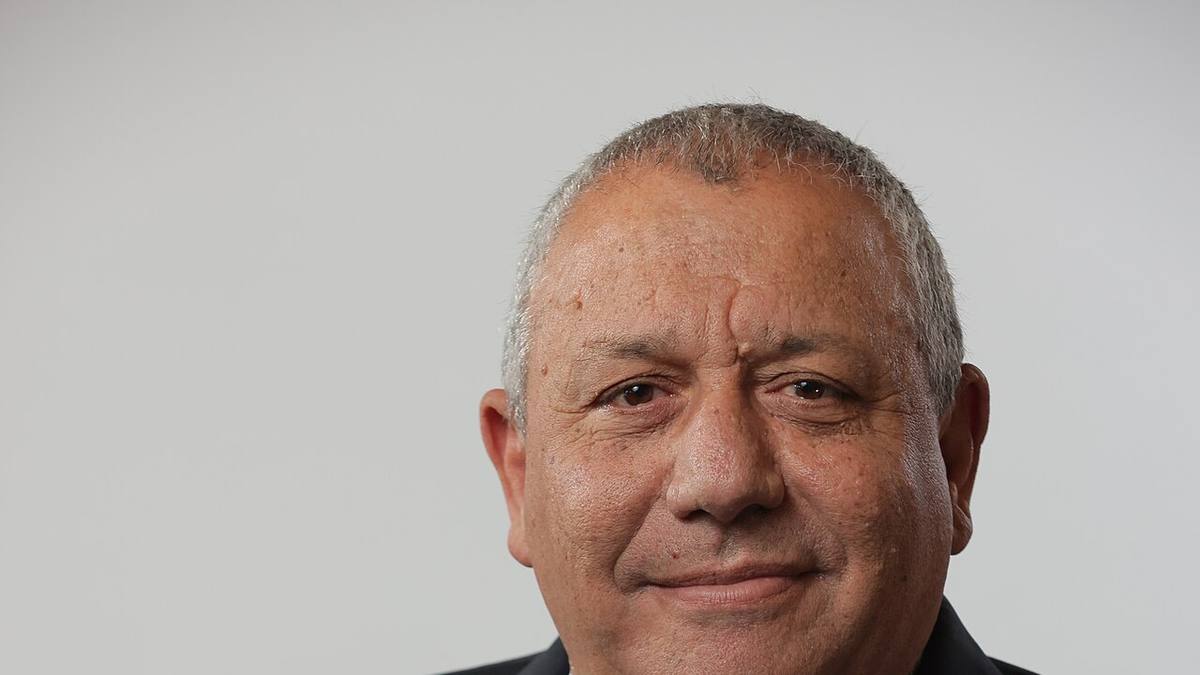
Israel's 26th Knesset was sworn in on 10 November after a deadlocked election, with Gadi Eisenkot tasked with forming a government.
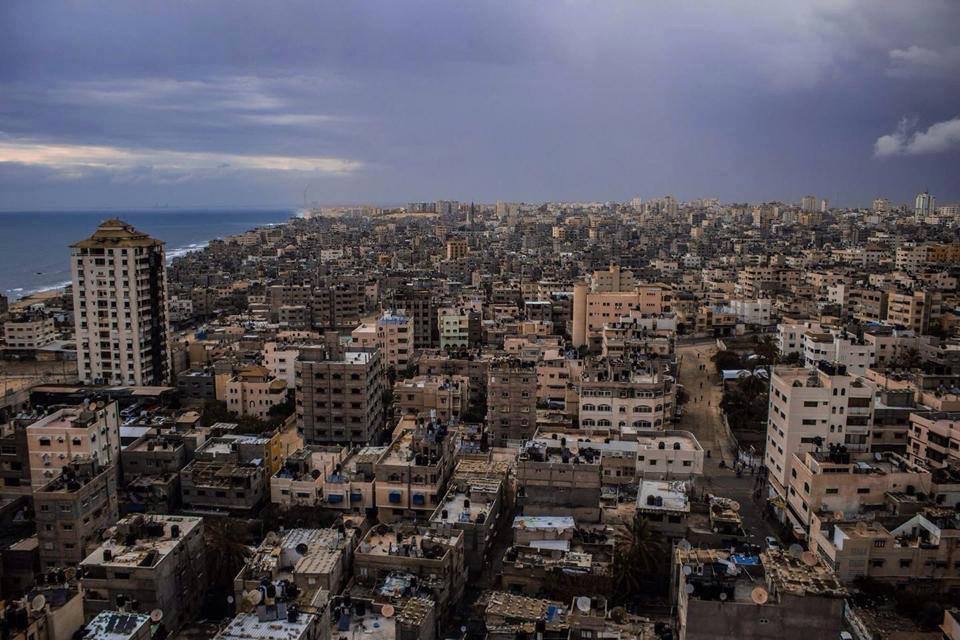
Israel has killed Samir Abu Younis, commander of Hamas' Rafah Brigade, in southern Gaza. Hamas says he helped plan the October 7, 2023 attack.