Viral
No, the Power Is Not Going Out Today: Nationwide Alert Test Explained
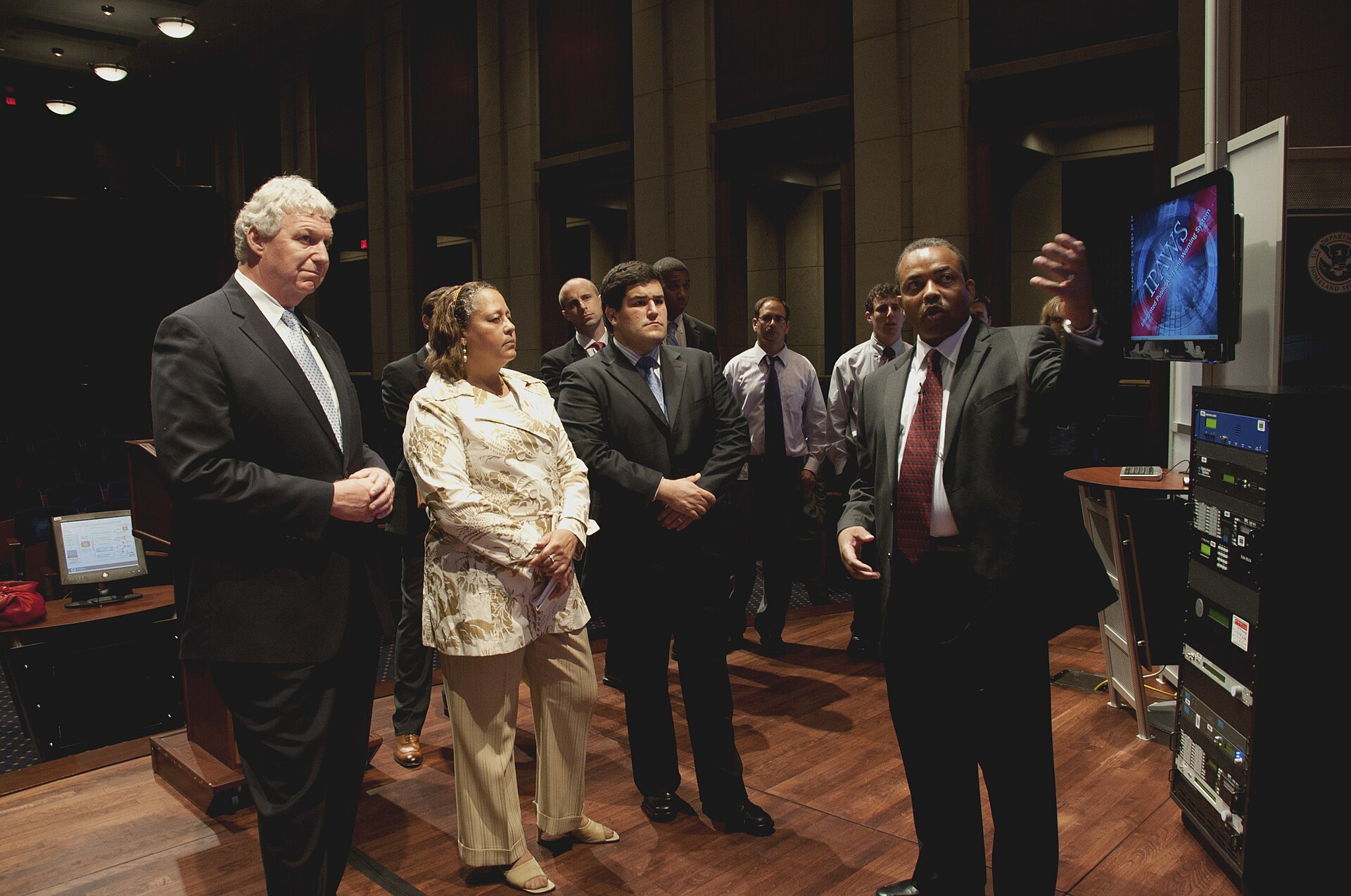
A nationwide Emergency Alert System test runs on TV and radio today at 2:20 p.m. ET. The power is not going out — the 90-day blackout claims are false.
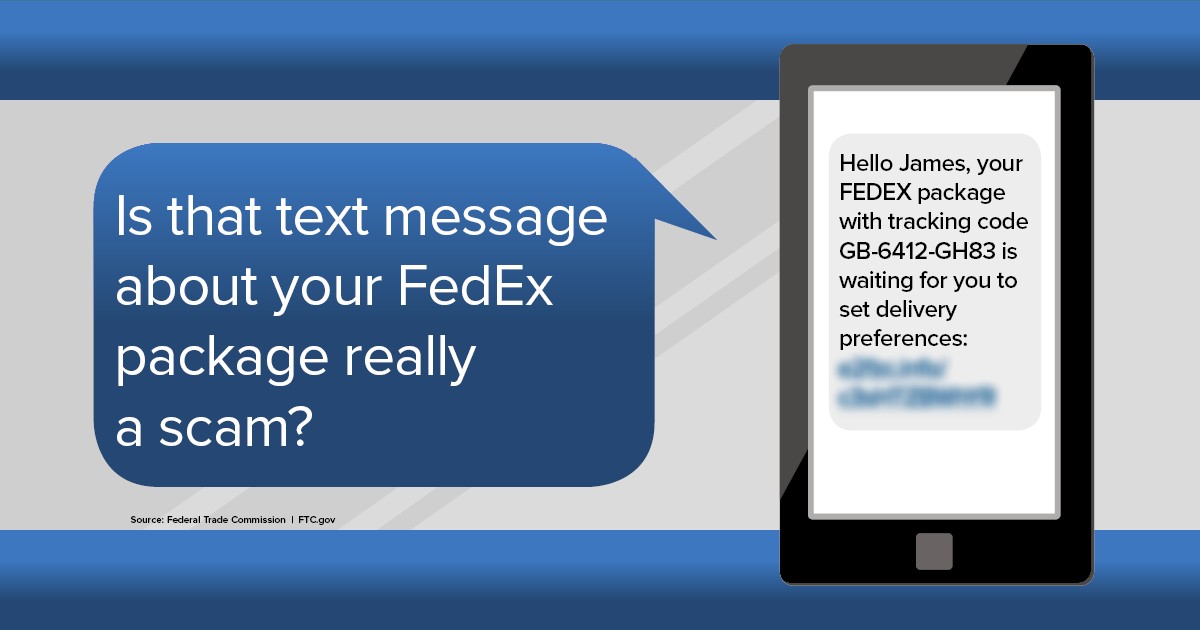
TL;DR — the direct answer: Stop at three things together: a text you did not expect, telling you to act now, with a link, a code, or a payment. Any one of those alone can be real. All three together is almost always a scam. Don't tap the link, don't reply, and don't call the number in the text — look the company up yourself instead. In 2025, Americans told the FTC that a text message was the most common way a scam first reached them.
What happened: The scam text has become the most common way a fraud starts. In 2025, Americans filed 3 million fraud reports with the Federal Trade Commission and reported $15.9 billion in losses — and when people said how the scam first reached them, a text message was the most common answer. Text scam reports nearly doubled in a single year, from about 247,000 in 2024 to about 411,000 in 2025. The texts themselves got better too. They no longer read like a stranger's bad English. They copy the exact wording of a parcel courier, a toll agency, a bank fraud alert — and they arrive with a link that looks right at a glance. The damage happens in seconds: one tap can hand over a password, install malware, or send money that cannot be pulled back. The good news is that almost every scam text fails the same short check, and it takes about 30 seconds.
The 7 signs: Run them in this order — the first three together are the giveaway. 1. You weren't expecting it. A parcel you never ordered, a toll on a road you never drove, a bank you don't use, a delivery that needs a fee. A real company contacts you about something you already know about. 2. It rushes you. 'Pay within 24 hours', 'your account will be closed today', 'act now or lose access'. Urgency is the scammer's favourite tool because it stops you thinking — real companies give you time. 3. There's a link, and the link is wrong. Read it slowly: apple.com.report-website.com is not apple.com — the real domain is the last part before the first slash, and anything before it is just decoration. Shortened links hide the destination entirely, which is itself a reason to stop. 4. It asks for a code, a password, or payment. A bank will never text you asking for your full password or a one-time code, and no real company takes payment by gift card or cryptocurrency. 'Verify your account' means hand over the keys. 5. It pretends to be someone you trust. The 'Hi Mum, I've lost my phone, can you send money?' text from a new number. The bank, the delivery firm, the tax office, the police — all of them are impersonated daily, because a familiar name makes you drop your guard. 6. The sender looks wrong. A random long number instead of a short code, a message that arrived by email-to-text, a sender name that doesn't match the brand, or a reply-to number different from the one that sent it. 7. The story falls apart when you check it yourself. Open the real app or type the real website address yourself — never through the link in the text — and check: no unpaid toll, no parcel, no alert. If the company has nothing to say about it, the text was lying.
Why it matters: A scam text is not an annoyance — it is the front door to the most reported fraud in America. Imposter scams alone drew more than a million FTC reports in 2025, with over $3.5 billion in losses. The money moves fast and rarely comes back: bank transfers and gift cards are the scammers' favourites precisely because they are hard to reverse, and a password handed over in a fake login page can empty more than one account, because people reuse passwords. The cost is not only money. Victims report the shame of being fooled, and the worst cases — the 'Hi Mum' texts that empty a parent's savings — hit the people least able to absorb the loss. Thirty seconds of checking is cheap insurance against all of that.
Background / context: The system behind these texts is industrial. Bulk texting costs almost nothing, phone numbers leak in data breaches by the million, and ready-made phishing kits — sold as 'phishing as a service' — let a beginner spin up a fake bank login page in an afternoon. The FTC's own list of top text scams is short and stable: fake delivery notices, unpaid tolls, bank fraud alerts, and government impersonation. Texts work because people read them within minutes and trust them more than email — a message on your phone feels personal in a way an email never does. Carriers do filter some of them, and the 7726 reporting system exists so the filters learn, but the scammers rotate numbers faster than the blocks can keep up. That is why the check has to happen in your head, not in the network.
What we know / what's unconfirmed: Confirmed: the seven signs above, and the reporting steps — forward to 7726, report it in your messaging app, file at ReportFraud.ftc.gov. The FTC's numbers are confirmed too: texts were the top reported first contact in 2025, and reports nearly doubled in a year. Unconfirmed: whether any single text is a scam often cannot be settled from the message alone — that is when you check with the company directly, through a channel you find yourself. Also unconfirmed: blocking one number does nothing to stop the next one, because scammers cycle through numbers constantly. And a text with no link can still be a scam — the 'Hi Mum' texts often start with a plain message and only ask for money once you reply.
What happens next: If a text fails the check, don't tap it, don't reply, and don't call the number in it. Screenshot it, then forward it to 7726 (SPAM) — that helps your carrier spot and block similar messages — report it as junk in your messaging app, and file a report at ReportFraud.ftc.gov. If you already tapped the link, act fast: call your bank or card issuer, change any password you typed in, and watch your statements for days afterwards. If you sent money, report it to your bank, to the FTC, and to the FBI's Internet Crime Complaint Center at ic3.gov — recovery is rare, but reports are how these operations get shut down. Then tell the people around you, especially older relatives: the best defence against a scam text is having heard about it before it arrives.
Q: How can I tell if a text message is a scam?
A: Run the 30-second check: was it unexpected, does it rush you, and does it carry a link, a code, or a payment request? All three together is almost always a scam. Check the link carefully — the real domain is the last part before the first slash — and verify through the company's real app or website, never through the link in the text.
Q: What should I do with a scam text?
A: Don't tap the link and don't reply. Forward the message to 7726 (SPAM) so your carrier can spot and block similar texts, report it as junk in your messaging app, and file a report at ReportFraud.ftc.gov. Then delete it.
Q: What is 7726?
A: It's the short code — it spells SPAM on a phone keypad — that US wireless carriers use for reporting spam texts. Forwarding a scam text to 7726 is free and helps your carrier block similar messages in the future.
Q: I already tapped the link in a scam text — what now?
A: Act fast: call your bank or card issuer, change any password you typed into the linked page, and watch your statements closely. If you sent money, report it to your bank, to the FTC at ReportFraud.ftc.gov, and to the FBI's Internet Crime Complaint Center at ic3.gov.
Sources: Federal Trade Commission — Prepared Statement to the Joint Economic Committee, 25 March 2026, Federal Trade Commission — ReportFraud.ftc.gov FAQ, Federal Trade Commission — Top Text Scams of 2024 (Data Spotlight, April 2025), and Surfshark — Scams and tech: $5.75 billion lost in a year (analysis of FTC data).
A nationwide Emergency Alert System test runs on TV and radio today at 2:20 p.m. ET. The power is not going out — the 90-day blackout claims are false.
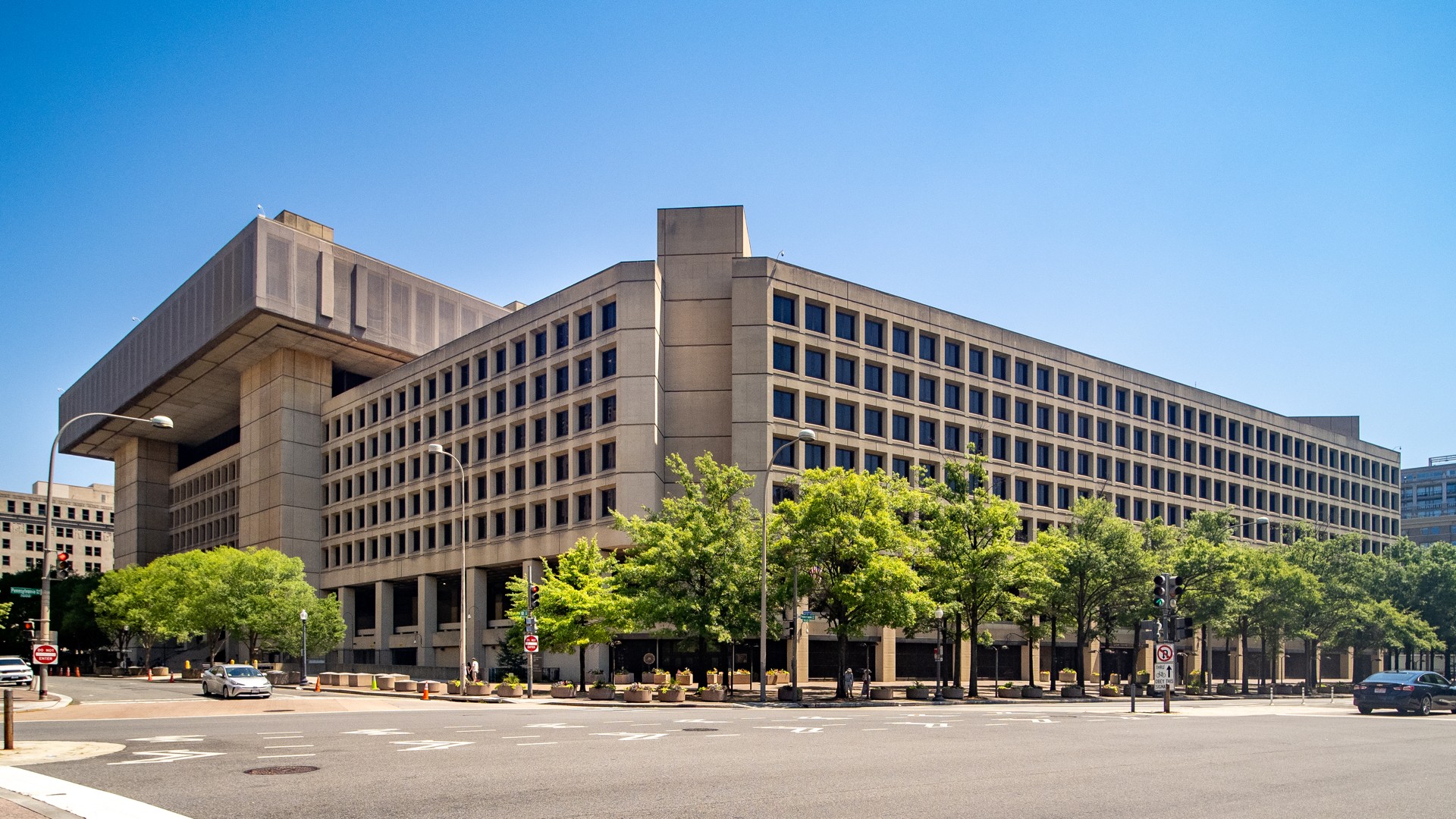
The FBI is investigating a suspected hack of the National Crime Information Center, the database police use to check warrants, CNN reported.

Chase says a software bug slowed transactions at big US banks on Monday, with customers reporting problems at Chase, Wells Fargo and Bank of America.