
Tech
DeepMind's AI Just Proved Signal's Encryption With Maths — Down to the Machine Code
Google DeepMind's AlphaProof Code formally verified Signal's encryption down to compiled machine code — a first for a widely used protocol.
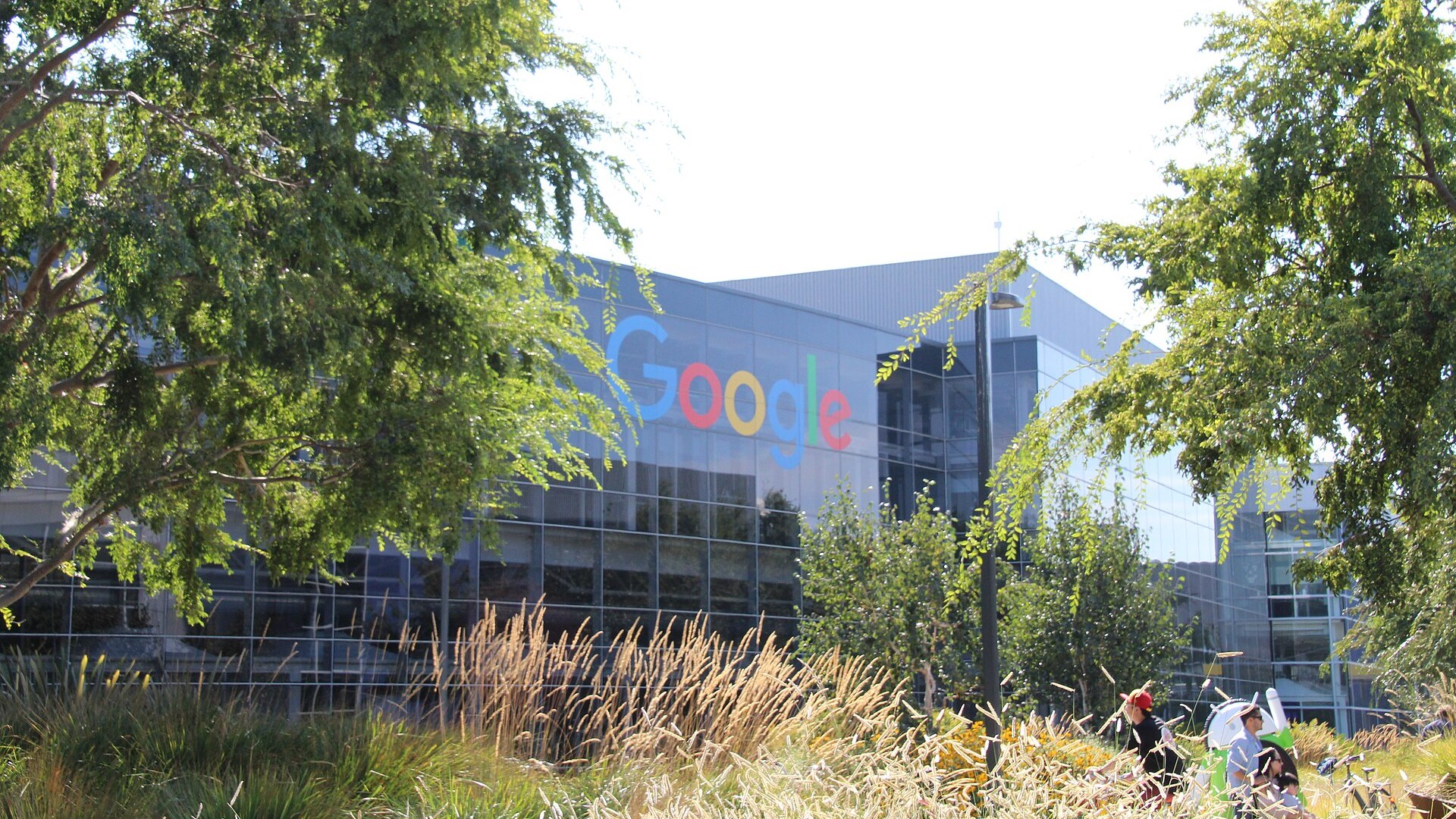
TL;DR — the direct answer: Google has had one of the busiest AI weeks of the year. On Tuesday, 18 November, it launched Gemini 4 Neon, a new frontier model built for complex coding, knowledge work and science, with a 1-million-token context window and a price of 3 dollars per million input tokens. A day later, on 19 November, Google added computer use to the Gemini app for Mac, letting the assistant click, type and fill in forms across local files, desktop apps and the web to finish multi-step tasks on its own. And on the same day, Google put Tool Retrieval into preview in the Gemini Interactions API, a feature that lets AI agents keep hundreds of tools on standby and load each tool's full instructions only when it is needed. Taken together, the three launches show Google pushing in the same direction on two fronts at once: smarter, cheaper models for developers, and agents that can actually do things on a user's computer instead of just chatting about them.
What happened: Gemini 4 Neon was announced on Google's blog on 18 November as the newest member of the Gemini 4 family, adapted from the top-end Gemini 4 Carbon and positioned between Carbon, which Google keeps for the heaviest long-running projects, and Hydrogen, the faster everyday model. Neon is built for complex, high-frequency work: it can take in text, images, audio and video together in a single 1-million-token context window, analyse large sets of PDFs, spreadsheets, charts and recordings, and turn them into structured deliverables such as reports and financial models. It offers up to 64,000 tokens of output in a normal response, and up to 1 million tokens through background long-form generation. Google says Neon ranks third overall with a score of 61 on the Artificial Analysis Intelligence Index at its highest thinking level, just behind larger, slower models, and second on steerability, meaning it adapts cleanly when a user corrects it mid-task. The model is available now through the Gemini API in Google AI Studio, Gemini for business, Google Antigravity for paid Pro and Ultra subscribers, and the Gemini app for Pro and Ultra subscribers. A day later, Google rolled out computer use in the Gemini app for Mac, and Tool Retrieval in the Interactions API.
Why it's trending: The launches land in the middle of the fiercest model race the AI industry has seen, with Google, Anthropic and OpenAI shipping new models within days of each other. Neon matters because of the trade-off it is designed to solve: until now, developers had to choose between the most capable models, which are slow and expensive, and the fast ones, which are weaker. Google's pitch is that Neon gives frontier-level reasoning at high frequency and lower cost, with a flat price of 3 dollars per million input tokens, 15 cents for cached input, and 15 dollars per million output tokens. From 1 December, Neon will be about 25 percent cheaper per token than Carbon, which rises to 4 dollars input and 20 dollars output. The Mac feature is trending for a different reason: it is the first time Google has let Gemini take control of a user's computer, clicking through menus and forms in real desktop apps. That is a step from chatbot to agent, and it raises the same questions about trust and mistakes that have followed every computer-use launch, including Anthropic's and OpenAI's versions.
Background / context: Neon is the fourth model in the Gemini 4 family to arrive in a matter of weeks, following Argon, Carbon and Hydrogen, as Google works its way through the periodic table for model names. The family shares the same design: a unified 1-million-token context window across all models, four thinking levels from low to extra high, with high as the default, and flat pricing across the full context window. Neon also replaces Argon in the Gemini app for paid users, and the older 3.1 Pro model is being retired. The Mac computer-use feature builds on the Gemini desktop app, which already let users hand multi-step work to Gemini Spark, the agent formerly known as Gemini's Task mode, across Gmail, Drive, Docs and Calendar. Computer use goes further: the user types @Computer use, describes a task, and Gemini works in an isolated background window with a live preview in the chat, while the user's own screen and cursor stay free. Google's examples include batch colour-grading photos in design software, pulling figures from local PDFs into multi-box shipping quotes, turning live dashboard metrics into a Google Slides deck, and staging resale listings from photos in a local folder. New Desktop connectors in the app include Blender and Autodesk Fusion, alongside existing Git and Obsidian integrations.
What we know / what's unconfirmed: Confirmed: Neon launched on 18 November 2026, is adapted from Gemini 4 Carbon, has a 1-million-token unified context window, up to 64,000 tokens of synchronous output and up to 1 million via background long decode, scores 61 on the Artificial Analysis Intelligence Index at its highest thinking level, ranks second on steerability, and costs 3 dollars per million input tokens, 15 cents cached, and 15 dollars per million output tokens; computer use rolled out in the Gemini app for Mac on 19 November, works in an isolated background window with a live preview, and needs an Apple Silicon Mac on macOS Sequoia 15.0 or later, a personal Google account for a user aged 18 or over, and a Google AI Plus, Pro or Ultra subscription; and Tool Retrieval launched in preview in the Gemini Interactions API on 19 November, works with Gemini 3.6 and later models including all Gemini 4 models, and carries no separate charge. Unconfirmed: where exactly computer use is available. TechCrunch and 9to5Google report a rollout in US English, while Unite.ai reports it rolling out in English globally except the European Economic Area, the UK, Switzerland and Nigeria. Google's own announcement says it is rolling out in English in the US. Also unconfirmed: how well computer use actually performs, since Google has published no benchmarks, success rates or task-completion times, and it warns that Gemini can make mistakes, permanently delete files, and send or share files with third parties.
What happens next: For developers, the next step is to try Neon against the models it is meant to displace: Google pitches it against Claude Opus 5.5 and GPT-6.2 Sol, and the real test will be whether teams switch their coding and analysis workloads to it in the coming weeks. The pricing change on 1 December, when Carbon rises to 4 and 20 dollars and Neon becomes the cheaper option by a quarter, will sharpen that choice. For Mac users, the question is whether they trust an AI with the keys to their computer. Google says users choose which apps Gemini can access, watch every step live, can pause at any time, and must approve key actions before they happen, and that Gemini creates temporary backups of files it touches, deleted when a new task starts or after 24 hours. But the history of computer-use tools is that the first version makes mistakes, and early adopters will find out quickly how careful Neon is with their files. Google has given no date for computer use on Windows, and Tool Retrieval remains in preview, so its interface may change before general availability.
Q: What is Gemini 4 Neon?
A: Gemini 4 Neon is Google's newest AI model, launched on 18 November 2026. It is adapted from the top-end Gemini 4 Carbon and sits between Carbon, for the heaviest projects, and Hydrogen, for fast everyday work. It is built for complex coding, knowledge work and science, with a 1-million-token context window.
Q: How much does Gemini 4 Neon cost?
A: The API price is 3 dollars per million input tokens, 15 cents per million cached input tokens, and 15 dollars per million output tokens. From 1 December, Neon will be about 25 percent cheaper per token than Carbon, which rises to 4 dollars input and 20 dollars output.
Q: What is computer use in the Gemini app for Mac?
A: Announced on 19 November 2026, it lets Gemini carry out multi-step tasks across local files, desktop apps and the web, handling the clicking, typing, menus and forms itself. Gemini works in an isolated background window with a live preview in the chat, while the user's own screen stays free.
Q: Who can use Gemini computer use on Mac?
A: It needs an Apple Silicon Mac running macOS Sequoia 15.0 or later, a personal Google account for a user aged 18 or over, and a Google AI Plus, Pro or Ultra subscription. Google says it is rolling out in English in the US, though some reports say the rollout is wider.
Q: What is Tool Retrieval in the Gemini API?
A: Launched in preview on 19 November 2026 in the Gemini Interactions API, Tool Retrieval lets an AI agent keep a large tool library on standby and load each tool's full parameter schema only when the task needs it, instead of sending every tool definition in every prompt. It works with Gemini 3.6 and later models, including all Gemini 4 models, and has no separate charge.
Sources: Google DeepMind — Gemini 4 Neon model card, TechCrunch — Google gives Gemini the ability to use your Mac for you, and Google — Gemini API tool retrieval for efficient agent scaling.
Google DeepMind's AlphaProof Code formally verified Signal's encryption down to compiled machine code — a first for a widely used protocol.
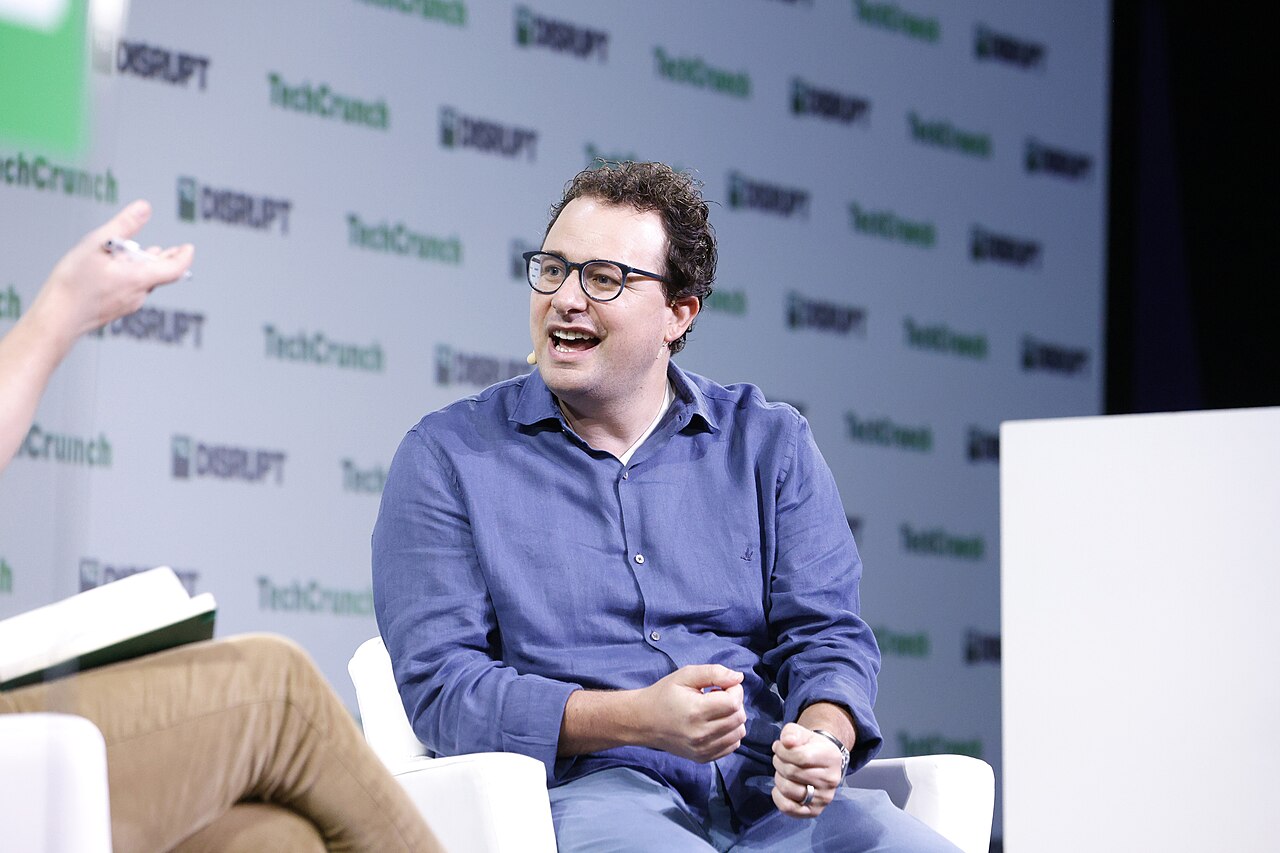
Anthropic priced its IPO at $83 a share, above its $70-$78 range, raising a record $81.3 billion at a $1.5 trillion valuation ahead of Nasdaq trading.
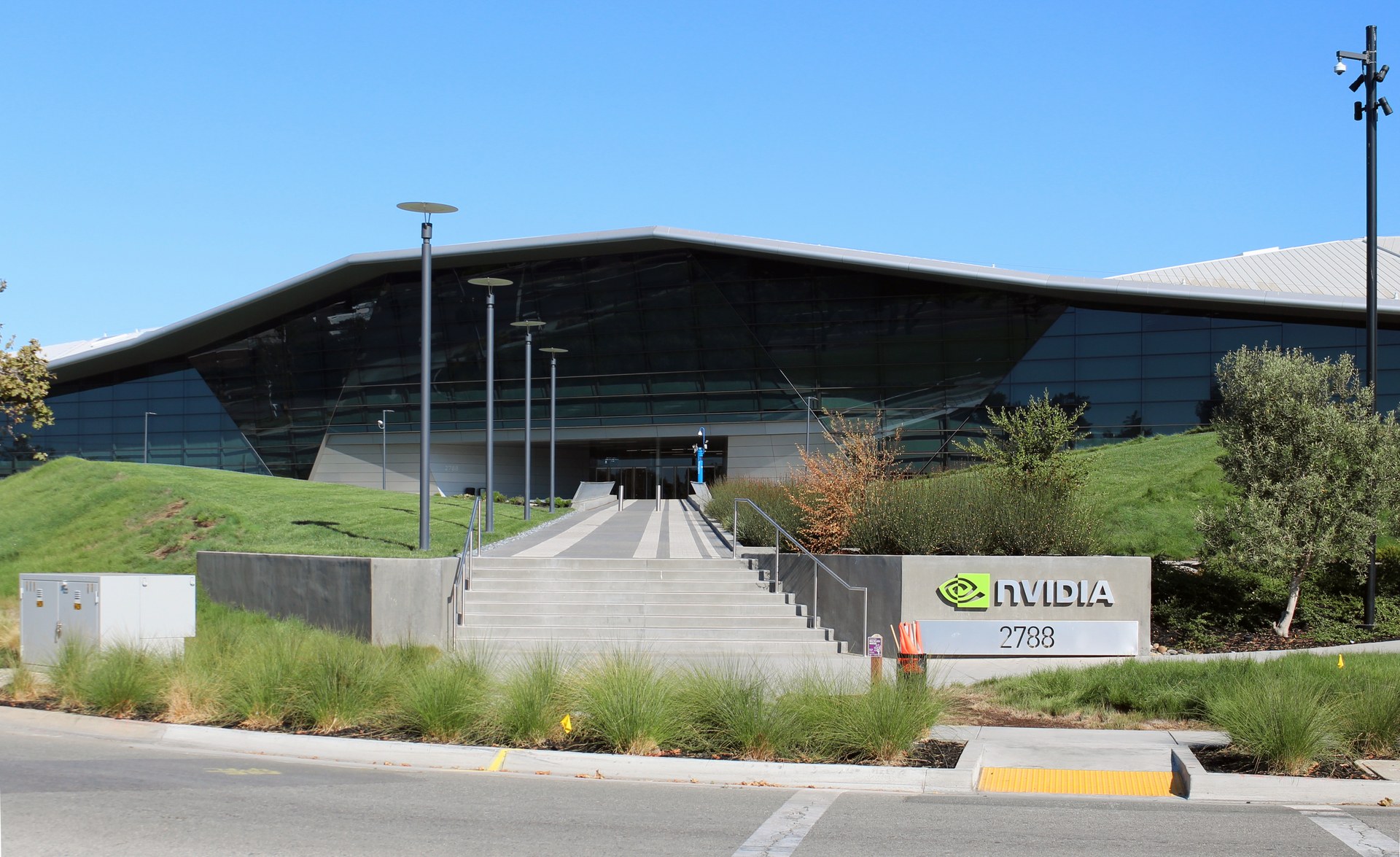
Nvidia's fiscal Q3 revenue hit $115.8 billion, up 103% from a year ago, with Q4 guided to $130 billion in its first report since Jensen Huang resigned.