LIVE
GTA 6 Launches Today to Rave Reviews  •  Anthropic Prices IPO at $83 a Share, Above Range  •  Iran Fires Drones at US Base in Kuwait and Bahrain  • 
Viral

Elon Musk Says He Feels Pretty Foolish After Half a Billion in Midterm Spending

By Toijam Bimoljit Singh • 19 November 2026 • 7 min read

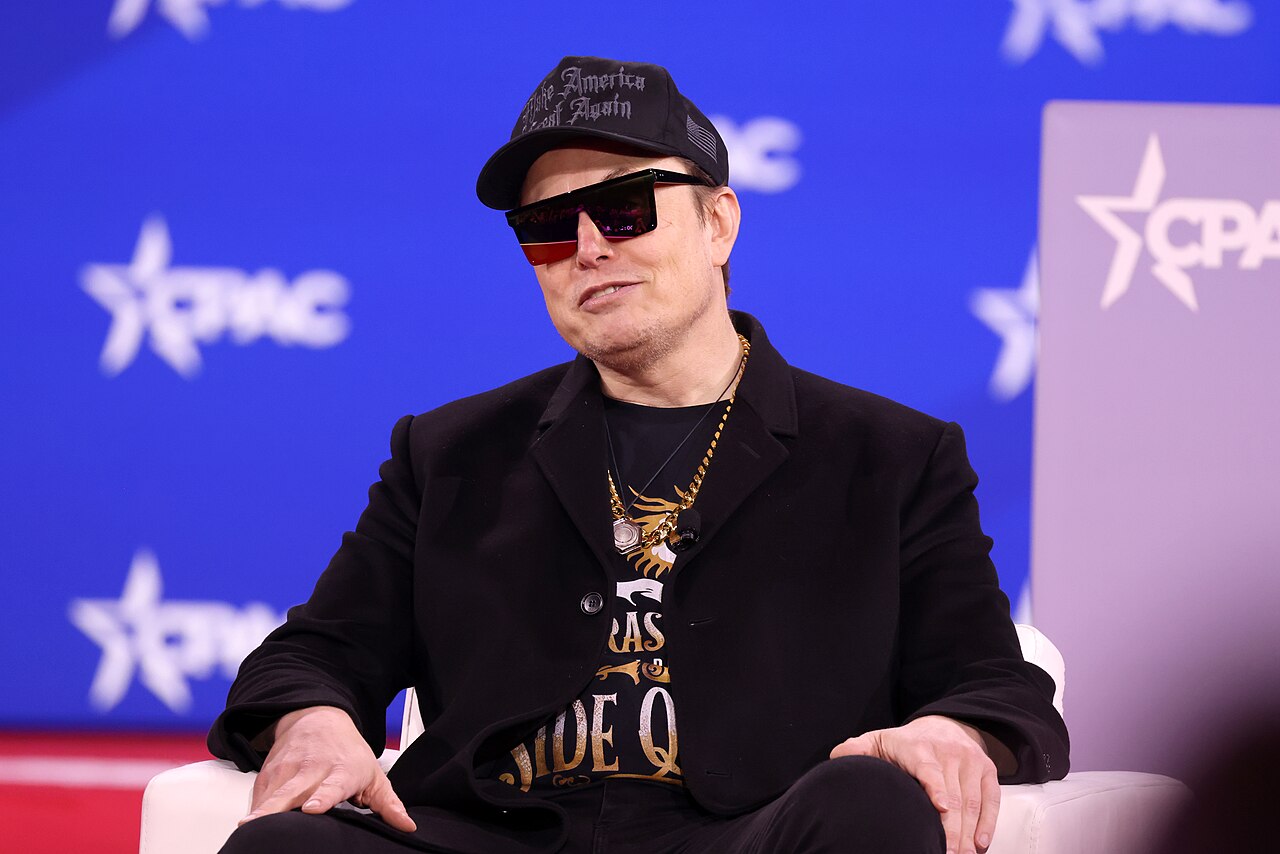
Elon Musk seated at the 2025 Conservative Political Action Conference, wearing a cap and dark sunglasses, with a CPAC backdrop behind him

Photo: Gage Skidmore, CC BY-SA 2.0, via Wikimedia Commons — Elon Musk speaking at the 2025 Conservative Political Action Conference in National Harbor, Maryland, on 20 February 2025. The photo is from an earlier date, not the DealBook Summit.

TL;DR — the direct answer: Elon Musk said on Wednesday, 18 November, that he felt pretty foolish about the amount of money he spent on this year's US midterm elections, after Republicans suffered sweeping losses. Speaking virtually at the New York Times DealBook Summit, the Tesla and SpaceX chief said he had spent nearly half a billion dollars backing Republican candidates and trying to keep Texas red, only to watch Democrats seize both chambers of Congress while Democrat Gina Hinojosa defeated Republican Greg Abbott in the Texas governor's race. Musk said he would probably have spent less if he could turn back the clock, while adding that Republican candidates might have fared worse without his money. The admission is a striking moment of public regret from the world's richest man, who helped elect President Donald Trump and became one of the biggest political donors in American history. It also raises a blunt question about the limits of money in politics: nearly $500 million bought almost nothing in return.

What happened: Musk was speaking virtually to Andrew Ross Sorkin at the DealBook Summit on Wednesday when he was asked about his election spending. His words, as reported by Reuters, were: I feel pretty foolish about having spent so much money and not seeing much for it. He added that if he could rewind the clock, he would probably have spent less money. The spending had a clear goal: to preserve a 51-seat Republican Senate majority heading into 2029, and to keep Texas, the state where his companies Tesla and SpaceX are based, under Republican control. Instead, Democrats took both the House and the Senate, and Hinojosa's win over Abbott in Texas was the most stinging single result. Musk also gave details of where some of the money went: he donated $158 million to a Republican Senate super PAC, which transferred matching sums to a group supporting Ken Paxton, the Republican Senate candidate in Texas. Paxton lost to Democrat James Talarico despite the heavy spending. Musk's tone was not angry so much as rueful, and he was careful to say the spending may still have helped: Republican candidates, he said, might have done worse without it.

Why it's trending: Musk is not a normal political donor. He is the world's richest man, the chief executive of Tesla and SpaceX, and a close ally of President Donald Trump, whom he helped elect. His spending in the midterms was on a scale few individuals have ever attempted, and his public regret is therefore news in itself. The result also matters because it tests one of the oldest questions in American politics: how much can money buy? Musk's answer, in his own words, is that campaign cash alone could not determine the election. The losses were a stinging rebuke to Trump as well, since the president had campaigned heavily for Republican candidates and had counted on Musk's money to hold the line. For Democrats, the night was a sweep: both chambers of Congress and the Texas governor's office, the biggest prize in the state where Musk has concentrated his business empire. The story is also trending because Musk paired the regret with a look ahead, signalling that Anthropic, the AI company, could seek as much as 10 gigawatts of additional computing capacity from SpaceX, a reminder that his business ambitions continue regardless of his political setbacks.

Background / context: Musk's political spending grew out of his alliance with Trump. He poured money into Trump's 2024 campaign and became one of the president's most visible supporters, then took a role in the administration as a cost-cutting adviser before stepping back. In the midterms, he aimed his money at the races that mattered most to him: the battle for the Senate, where he wanted to lock in a Republican majority, and Texas, where Tesla has its headquarters, SpaceX has its Starbase launch site, and a planned chipmaking venture links the two companies. Keeping Texas red was personal as well as political, since his businesses depend on the state's regulatory climate. The scale of the spending put him among the largest individual political donors in US history, and it drew criticism from Democrats who said a single billionaire should not be able to shape elections. Musk has never hidden his spending, and his DealBook remarks are the first time he has publicly questioned whether it was worth it.

What we know / what's unconfirmed: Confirmed: Musk's remarks at the DealBook Summit on Wednesday, 18 November, including his quote about feeling pretty foolish and his remark that he would probably have spent less; the $158 million donation to a Republican Senate super PAC and the matching transfers to the group backing Ken Paxton; Paxton's loss to James Talarico; the Democrats taking both chambers of Congress; and Gina Hinojosa's defeat of Greg Abbott in the Texas governor's race. Unconfirmed: the exact total Musk spent, where outlets differ. Reuters describes it as nearly half a billion dollars, while TheWrap, citing campaign finance watchdog OpenSecrets, puts it at at least $445 million supporting Republicans in federal races. The two figures are not necessarily contradictory, since the OpenSecrets number covers federal races only, but the full total, including state-level spending, has not been published in one place. Also unconfirmed: whether Musk will keep spending at anything like this scale in future elections, or pull back. He said he would probably have spent less, but he did not say he would stop donating, and he has not ruled out backing candidates again.

What happens next: The immediate question is what Musk does with his political operation. He has the money to keep spending, but his own verdict is that the return was poor, and donors who feel burned tend to change tactics rather than repeat them. One possibility is that he shifts from funding candidates to funding causes, or that he concentrates on Texas alone, where his companies are based. Another is that he steps back from electoral politics and focuses on his businesses, including the possible computing deal between SpaceX and Anthropic. For Republicans, the lesson is uncomfortable: the biggest donor in the party's history could not save them, and the party will have to reckon with whether its problem was money or message. For Democrats, the wins in Congress and in Texas give them a platform, but holding those gains will be the harder test. Musk's regret may be the most honest verdict of the midterms: nearly half a billion dollars, spent openly and at scale, and the election went the other way anyway.

Frequently asked questions

Q: What did Elon Musk say about his midterm spending?
A: Speaking virtually at the New York Times DealBook Summit on Wednesday, 18 November, Musk said: I feel pretty foolish about having spent so much money and not seeing much for it. He added that if he could rewind the clock, he would probably have spent less money.

Q: How much did Musk spend on the midterms?
A: Reuters reports he spent nearly half a billion dollars backing Republican candidates and keeping Texas red. TheWrap, citing OpenSecrets, puts the figure at at least $445 million in federal races. The full total including state-level spending has not been published.

Q: What were the election results?
A: Democrats seized both chambers of Congress, and Democrat Gina Hinojosa defeated Republican Greg Abbott in the Texas governor's race. In the Texas Senate race, Republican Ken Paxton lost to Democrat James Talarico despite heavy spending by Musk-backed groups.

Q: What was Musk trying to achieve with the spending?
A: His stated goal was to preserve a 51-seat Republican Senate majority heading into 2029 and to keep Texas under Republican control, the state where his companies Tesla and SpaceX are based, along with a planned chipmaking venture.

Q: Will Musk keep spending on politics?
A: That is not yet clear. He said he would probably have spent less if he could turn back the clock, but he did not say he would stop donating, and he also said Republican candidates might have fared worse without his money.

Sources: Reuters — Musk says he felt 'pretty foolish' about scale of midterm spending after Republican rout, TheWrap — Elon Musk Regrets Spending Nearly $500 Million Backing Republicans: 'I Feel Pretty Foolish', and Economic Times — Musk admits feeling 'pretty foolish' for spending nearly $500 million on Republicans in US midterm.

← Back home